
Garden Pots vs. Hanging Baskets: Pro Advice for Every Gardener
Choosing between garden pots and hanging baskets can feel overwhelming, especially when you’re trying to maximize your growing space or create a specific aesthetic in your garden. Both containers serve distinct purposes and offer unique advantages depending on your gardening goals, available space, and plant selections. Whether you’re cultivating ornamental flowers, growing herbs, or nurturing vegetables, understanding the differences between these two popular planting methods will help you make informed decisions that lead to healthier plants and a more productive garden.
The debate between traditional garden pots and hanging baskets isn’t simply about aesthetics—it’s fundamentally about functionality, plant health, and space optimization. Garden pots provide stability and soil volume, while hanging baskets offer vertical growing opportunities and eye-catching displays. Each option comes with specific maintenance requirements, drainage considerations, and plant compatibility factors that serious gardeners need to understand. This comprehensive guide will walk you through the advantages and disadvantages of each method, helping you determine which option—or combination of both—works best for your unique gardening situation.
Understanding the Basics
Garden pots and hanging baskets represent two fundamental approaches to container gardening, each with its own structural characteristics and operational principles. Garden pots are typically stationary containers placed on the ground, patios, or elevated surfaces, designed to hold soil and support plant growth from a stable, upright position. These containers come in various sizes, from small 4-inch pots perfect for how to propagate plants, to massive 20-plus-inch containers suitable for shrubs and trees.
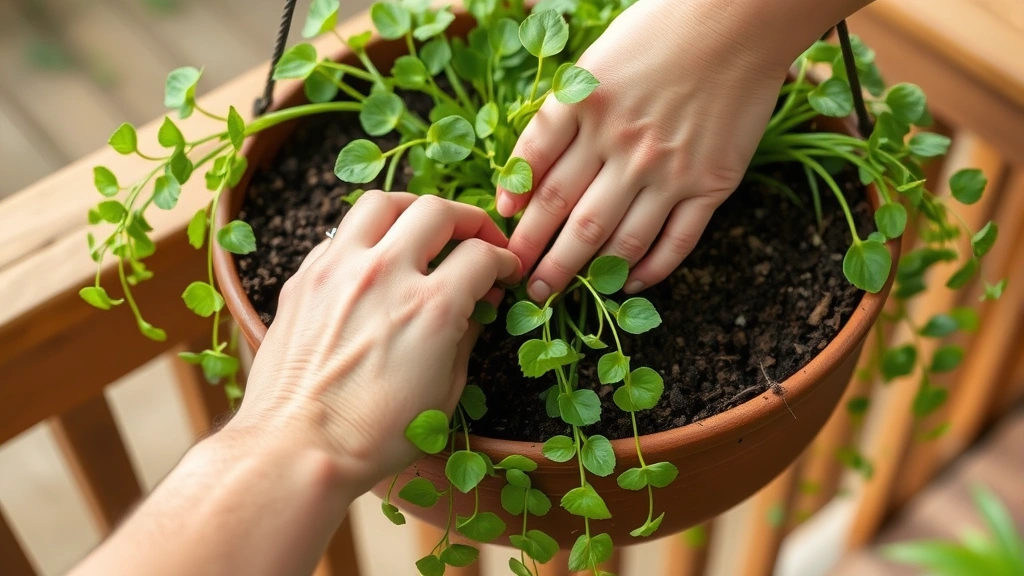
Hanging baskets, conversely, are suspended containers that dangle from hooks, chains, or brackets, allowing plants to cascade downward or grow upward depending on the species. They’re designed specifically for vertical gardening and creating dramatic visual displays. When you’re planning raised concrete block garden beds or other hardscape features, hanging baskets can complement these installations beautifully while utilizing otherwise unused vertical space.
The fundamental difference extends beyond mere appearance. Garden pots typically hold more soil volume, which means greater water retention capacity and more nutrients available to plants. Hanging baskets, due to their suspended nature and usually smaller volume, require more frequent watering and closer monitoring. Understanding these baseline differences is crucial for selecting the right container type for your specific plants and growing conditions.
Garden Pots: Key Advantages
Garden pots offer numerous practical advantages that make them the preferred choice for many gardening applications. The primary benefit is soil volume—larger containers retain moisture longer, reducing watering frequency and providing a more stable growing environment for plants. This is especially important during hot summer months when evaporation rates spike dramatically. Plants in generous soil volumes develop stronger root systems and experience less transplant shock when moving from seedlings to permanent locations.
Stability represents another significant advantage of traditional garden pots. Their weighted base and solid foundation make them ideal for tall plants, heavy specimens, or areas exposed to wind. You won’t worry about a prized tomato plant or ornamental tree toppling over unexpectedly. This stability also makes garden pots perfect for growing plants that require staking or support structures, as the pot’s weight helps anchor these systems securely.
Garden pots provide superior versatility in plant selection. You can grow virtually any plant in an appropriately-sized pot—from delicate shade-loving hostas to sun-demanding succulents, from shallow-rooted herbs to deep-rooting vegetables. The sheer variety of pot sizes available means you can match container dimensions precisely to your plant’s root development needs. When establishing a garden tulip garden, pots offer the flexibility to create stunning seasonal displays while protecting bulbs from pests and disease.
Cost-effectiveness favors garden pots in many scenarios. Quality pots are durable investments that last for years, often decades with proper care. Unlike hanging baskets that may deteriorate annually, a well-made ceramic or resin pot becomes a permanent garden fixture. Additionally, soil amendments and fertilizers go further in larger containers, reducing ongoing input costs compared to smaller hanging basket arrangements.
Hanging Baskets: Benefits and Appeal
Hanging baskets excel at solving space constraints and creating visual drama in gardens, patios, and entryways. For gardeners with limited ground-level space, hanging baskets represent a game-changing solution that transforms vertical surfaces into productive growing areas. This approach to community garden planning is increasingly popular as urban gardeners maximize every available inch of space.
The aesthetic appeal of hanging baskets cannot be overstated. Cascading petunias, trailing ivy, and tumbling herbs create living artwork that draws the eye upward and adds dimensional interest to outdoor spaces. Well-designed hanging basket displays can serve as focal points, enhance architectural features, or soften harsh structural lines. They’re particularly effective for creating welcoming entrance displays or softening fence lines and walls.
Hanging baskets offer improved air circulation around plants, which reduces fungal diseases and promotes healthier foliage growth. The suspended position allows air to circulate from all directions, preventing the stagnant conditions that sometimes develop with ground-level pots in humid climates. This improved airflow also helps dry foliage quickly after rain or watering, minimizing disease risk.
Accessibility represents an underrated advantage of hanging baskets, especially for elderly gardeners or those with mobility challenges. Hanging baskets at eye level or slightly above eliminate bending and stooping required with traditional ground-level pots. This ergonomic benefit makes gardening more enjoyable and sustainable for people with physical limitations.
Pest management improves with hanging baskets since many ground-dwelling pests struggle to reach elevated containers. Slugs, snails, and certain insects simply cannot access suspended plants, providing natural pest control without chemical interventions. This advantage is particularly valuable when growing tender seedlings or delicate plants vulnerable to pest damage.

Drainage and Water Management
Proper drainage is absolutely critical for container gardening success, and the differences between garden pots and hanging baskets significantly impact water management strategies. Garden pots with adequate drainage holes prevent waterlogging and root rot, but their larger soil volume means water drains more slowly and the soil retains moisture longer between waterings. This characteristic benefits plants preferring consistently moist soil but can cause problems for drought-tolerant species if you’re not careful with watering frequency.
Hanging baskets, with their smaller volume and typically porous construction materials like coconut fiber or moss, dry out much more rapidly. They may require daily watering during hot weather, sometimes even twice daily in extreme conditions. This frequent watering demand means you’ll need a reliable best garden hose system positioned conveniently for regular access. Consider installing a soaker hose or drip irrigation system if you have multiple hanging baskets, as hand-watering becomes time-consuming and inconsistent.
The drainage material beneath your pots significantly affects water management. Garden pots sitting directly on soil, concrete, or wood absorb moisture from below, which can keep soil perpetually wet. Elevating pots on pot feet, gravel, or permeable surfaces improves drainage and air circulation underneath, extending pot lifespan and improving plant health. Hanging baskets naturally have superior drainage since water drips freely downward without any surface obstruction.
Soil composition affects drainage in both container types. Garden pots benefit from a well-balanced potting mix containing peat moss, perlite, and compost in appropriate proportions. Hanging baskets, due to their rapid drying tendency, often require soil with increased water-retention capacity, sometimes incorporating additional peat moss or coconut coir. Test your soil moisture regularly using a simple finger test—if the top inch feels dry, it’s time to water.
Space Optimization Strategies
Strategic use of both garden pots and hanging baskets allows you to maximize growing space in even the smallest gardens. Garden pots work excellently for creating tiered displays on patio corners, steps, or specially-constructed shelving units. Group pots of varying heights to create visual interest while efficiently utilizing limited square footage. This approach works particularly well when designing themed gardens or creating distinct planting zones.
Hanging baskets transform underutilized vertical space into productive growing areas. Install hanging brackets along fence lines, under eaves, on pergolas, or from shepherd’s hooks positioned throughout garden beds. A single fence section can accommodate dozens of hanging baskets, effectively multiplying your growing capacity without consuming ground-level space. This strategy proves invaluable for small-space gardening or apartment dwellers with only balcony access.
Combination approaches leverage the strengths of both container types. Use larger garden pots as anchor plants creating height and structure, then surround them with smaller potted plants and hanging baskets to fill gaps and create layered compositions. This mixed approach provides visual richness while optimizing every available planting opportunity. When planning how to prune climbing roses in containers, pair these structural plants with trailing hanging baskets for dramatic effect.
Vertical gardening systems specifically designed for stacked pots maximize production in minimal footprint. These tiered systems allow you to grow multiple plants vertically, perfect for herbs, strawberries, or ornamental plants. While requiring initial investment, vertical pot systems dramatically increase yield per square foot and create striking visual displays that become garden focal points.
Material Selection and Durability
Choosing appropriate materials for garden pots and hanging baskets significantly impacts their longevity, maintenance requirements, and aesthetic appeal. Ceramic pots offer timeless beauty and excellent insulation properties, keeping soil temperatures more stable than thinner materials. However, ceramic is heavy, fragile, and expensive—a significant consideration when purchasing multiple containers. Unglazed ceramic breathes naturally, promoting healthy root development, while glazed ceramic reduces evaporation and works better for moisture-loving plants.
Plastic pots are lightweight, affordable, and durable, making them practical choices for most gardeners. Modern plastic formulations resist UV degradation better than older versions, extending lifespan considerably. Plastic pots retain moisture longer than porous materials, benefiting plants preferring consistently moist conditions. However, plastic lacks the aesthetic appeal of ceramic and can become brittle in extreme cold or heat.
Resin pots combine the visual appeal of ceramic with the durability and lightweight nature of plastic. Premium resin pots resist weathering, maintain color vibrancy, and last many years with minimal maintenance. They’re more expensive than basic plastic but significantly cheaper than quality ceramic, making them excellent value for serious gardeners seeking attractive, long-lasting containers.
Hanging baskets come in wire, plastic, and woven materials. Wire baskets lined with moss or coconut fiber offer excellent drainage and air circulation but require frequent watering. Plastic hanging baskets retain moisture better and require less frequent watering, though they provide less visual appeal. Woven baskets offer natural aesthetic but degrade relatively quickly, typically lasting only one to two seasons before requiring replacement.
Terracotta pots are beautiful and breathable but heavy, fragile, and expensive. They’re wonderful for permanent installations or display pots where durability is less critical. For practical gardening applications requiring frequent movement or replacement, less expensive plastic or resin options prove more economical and practical.
Plant Compatibility and Selection
Different plants thrive in different container types based on their water requirements, root depth, and growth habits. Deep-rooting vegetables like tomatoes, peppers, and carrots require garden pots with minimum 12-18 inches of depth. Shallow-rooted herbs like basil, oregano, and thyme adapt well to hanging baskets, which provide adequate root space while maximizing air circulation around foliage.
Drought-tolerant plants including succulents, sedums, and ornamental grasses prefer garden pots where larger soil volume provides some moisture reserves while still maintaining well-draining conditions. Hanging baskets, with their rapid-drying characteristics, suit these plants perfectly if you’re willing to water frequently. Conversely, moisture-loving plants like ferns, hostas, and impatiens thrive in garden pots with their superior water retention.
Trailing and cascading plants are natural hanging basket choices. Petunias, sweet potato vine, trailing ivy, and bacopa create stunning waterfall effects when suspended. Upright plants like tomatoes, peppers, and standard roses require the stability and soil volume provided by garden pots. Semi-trailing plants like marigolds and zinnias work in both containers but typically produce more prolific blooms in larger garden pots with deeper soil.
Perennial plants and woody specimens require garden pots with sufficient depth to accommodate root systems and provide stability. Shrubs, small trees, and roses need containers at least 18-24 inches deep and proportionally wide. Annual flowers adapt to either container type, though they generally perform better in larger pots providing more soil nutrients and moisture reserves. When establishing tulip gardens in containers, use garden pots for superior winter protection and soil volume.
Maintenance and Care Differences
Garden pots and hanging baskets require distinctly different maintenance approaches reflecting their structural differences and growing conditions. Garden pots demand less frequent watering due to larger soil volume and slower evaporation rates. During active growing season, most garden pots require watering every 2-4 days depending on temperature, humidity, and plant type. Hanging baskets, conversely, typically need daily watering and sometimes twice-daily watering during extreme heat.
Fertilizing requirements differ based on soil volume and nutrient depletion rates. Garden pots, with their larger soil mass, retain nutrients longer and typically require monthly fertilizing during growing season. Hanging baskets, especially those with frequent watering, leach nutrients rapidly and often need weekly fertilizing to maintain plant vigor. Slow-release fertilizers work well for both container types, providing consistent nutrition without frequent applications.
Pest management in garden pots sometimes requires more aggressive intervention since pests can hide in larger soil volumes and foliage density. Regular inspection of leaf undersides and stems helps catch infestations early. Hanging baskets’ superior air circulation naturally inhibits pest establishment, though regular monitoring remains important. Spraying foliage with insecticidal soap addresses common pests in both container types without harming beneficial insects.
Disease prevention is easier with hanging baskets due to improved air circulation, but garden pots aren’t inherently problematic if you practice proper watering techniques. Water at soil level rather than wetting foliage, avoid overwatering, and ensure adequate drainage holes to prevent fungal issues. Remove dead leaves and debris promptly from both container types to reduce disease vectors.
Seasonal maintenance includes cleaning containers, refreshing potting soil annually, and inspecting for damage. Garden pots last many years with minimal care, while hanging baskets may require complete renovation annually, especially if using organic materials. In fall, decide which containers to overwinter and which to retire, then store appropriately in protected locations.
Seasonal Considerations
Spring planting season presents optimal opportunities to refresh containers and begin the growing year. Garden pots benefit from fresh potting soil, which provides maximum nutrient availability for developing plants. Hanging baskets should be cleaned thoroughly and inspected for structural damage before replanting. This is an excellent time to assess your container collection and plan additions or replacements based on previous season’s performance.
Summer management focuses on consistent watering and fertilizing. Garden pots in full sun may dry out faster than expected, especially if temperatures exceed 85°F consistently. Mulching soil surfaces with 1-2 inches of compost reduces evaporation and moderates soil temperature. Hanging baskets require diligent monitoring during heat waves—you may need to water twice daily and provide afternoon shade in extreme conditions. Deadheading spent flowers encourages continuous blooming in both container types.
Fall transition involves gradually reducing water and fertilizer as plant growth slows. Tender plants in hanging baskets should be brought indoors before frost, while hardy perennials in garden pots can remain outside in most climates. This is an ideal time to plant spring-blooming bulbs in garden pots, ensuring you have prepared soil and protected locations for winter dormancy. Clean up dead foliage and debris to prevent disease overwintering.
Winter care varies dramatically by climate. In cold regions, many gardeners bring tender plants indoors or discard annuals entirely. Garden pots left outside should be elevated on pot feet to prevent water accumulation and freeze-thaw damage. Hanging baskets are typically taken down and stored indoors or discarded. In mild climates, evergreen plants in containers can provide winter interest and require minimal maintenance beyond occasional watering during dry spells.
Cost Analysis and Budget Planning
Initial investment in containers represents a significant gardening expense, but understanding cost-per-use helps justify the investment. Quality ceramic pots cost $20-100+ depending on size but last 10+ years, resulting in very low annual cost. Plastic pots cost $2-20 and last 5-10 years, offering good value for budget-conscious gardeners. Hanging baskets typically cost $10-30 and last one season, representing the highest per-use cost.
Soil costs accumulate quickly when filling multiple containers. A 2-cubic-foot bag of potting mix costs $8-15 and fills approximately 8-10 large pots. Bulk purchasing reduces per-unit cost significantly—buying five bags at once often costs less per bag than individual purchases. Garden pots’ larger volume means higher soil costs per container, but soil lasts multiple seasons if properly maintained, spreading costs over many years.
Fertilizer expenses depend on fertilizer type and application frequency. Slow-release fertilizers cost more initially but reduce total fertilizer spending over the season since fewer applications are needed. Hanging baskets’ weekly fertilizing requirement increases seasonal fertilizer costs compared to garden pots requiring monthly applications. Consider organic fertilizers and compost as cost-effective, environmentally-friendly alternatives to chemical products.
Long-term budgeting should account for container replacement cycles. Garden pots represent permanent investments requiring minimal replacement, while hanging baskets need annual refresh. Calculate your actual gardening budget and allocate funds accordingly—investing in fewer but higher-quality garden pots may prove more economical than replacing multiple hanging baskets annually.
Money-saving strategies include starting seeds in recycled containers, composting garden waste to reduce fertilizer needs, and sharing resources with other gardeners. Many gardeners successfully use 5-gallon buckets with drainage holes as economical garden pots, and plastic milk jugs work acceptably as temporary hanging containers. Creative repurposing reduces initial investment while still achieving excellent growing results.
FAQ
What size garden pot do I need for growing vegetables?
Vegetable size requirements vary significantly. Tomatoes and peppers need minimum 18-inch depth and 12-inch diameter. Lettuce and herbs thrive in 8-10 inch pots. Root vegetables like carrots need 12+ inches of depth. Shallow-rooted crops like beans can succeed in 10-inch pots. Generally, larger is better—bigger pots provide more soil volume, better moisture retention, and superior nutrient availability.
How often should I water hanging baskets?
Hanging basket watering frequency depends on temperature, humidity, soil type, and plant species. During active growing season with warm temperatures, most hanging baskets need daily watering. During extreme heat (above 85°F), twice-daily watering may be necessary. Check soil moisture by inserting your finger 1 inch deep—water when it feels dry at that depth. Self-watering hanging baskets reduce watering frequency but still require monitoring.
Can I use garden pots indoors?
Yes, garden pots work excellently for indoor plants. Ensure pots have drainage holes and place saucers underneath to protect floors. Use indoor potting mix formulated for container plants, and reduce watering frequency compared to outdoor plants since evaporation is lower indoors. Choose pot sizes matching your plant’s root system—oversized pots lead to overwatering problems.
Which container type is better for beginners?
Garden pots are generally better for beginner gardeners because their larger soil volume forgives occasional watering mistakes, provides more nutrients, and requires less frequent maintenance. Hanging baskets’ rapid drying and frequent watering demands can frustrate beginners. Start with garden pots, master basic care techniques, then experiment with hanging baskets as your confidence grows.
How do I prevent root-bound plants in containers?
Monitor plant growth and repot when roots emerge from drainage holes or soil dries out extremely quickly. Typically, fast-growing plants need repotting annually, while slower growers may go 2-3 years. Use containers only 1-2 inches larger than the previous pot size—oversizing causes waterlogging. For permanent plantings, repot into increasingly larger containers or refresh soil annually without changing pot size.
Are self-watering containers worth the investment?
Self-watering containers reduce watering frequency significantly, making them valuable for busy gardeners or those with inconsistent watering schedules. However, they cost more initially and can lead to overwatering if not monitored. They work best for moisture-loving plants and poorly for drought-tolerant species. Trial a few before investing heavily in converting your entire container collection.


