Planting Tulip Bulbs? Expert Gardener Advice for Stunning Spring Blooms
Tulips are among the most beloved spring-flowering bulbs, offering gardeners an incredible range of colors, sizes, and forms to create stunning garden displays. Whether you’re a seasoned gardener or just beginning your journey with easy-to-grow plants, understanding the fundamentals of tulip bulb planting will set you up for success. These elegant flowers transform spring gardens into vibrant landscapes, blooming reliably year after year when given proper care and attention.
Planting tulip bulbs requires timing, technique, and knowledge of your local climate conditions. The process is straightforward enough for beginners, yet offers enough nuance to keep experienced gardeners engaged and experimenting with new varieties. From selecting quality bulbs to preparing soil and determining proper planting depth, each step plays a crucial role in determining whether your tulips will flourish or struggle. This comprehensive guide draws on expert horticultural practices to help you achieve the vibrant spring display you’ve been envisioning.
The reward for proper tulip bulb planting is undeniable: weeks of breathtaking color in your garden, cut flowers for indoor arrangements, and the satisfaction of successfully nurturing plants through their complete growth cycle. Let’s explore everything you need to know about planting tulip bulbs and creating a thriving tulip garden that becomes the envy of your neighborhood.
Understanding Tulip Bulb Basics
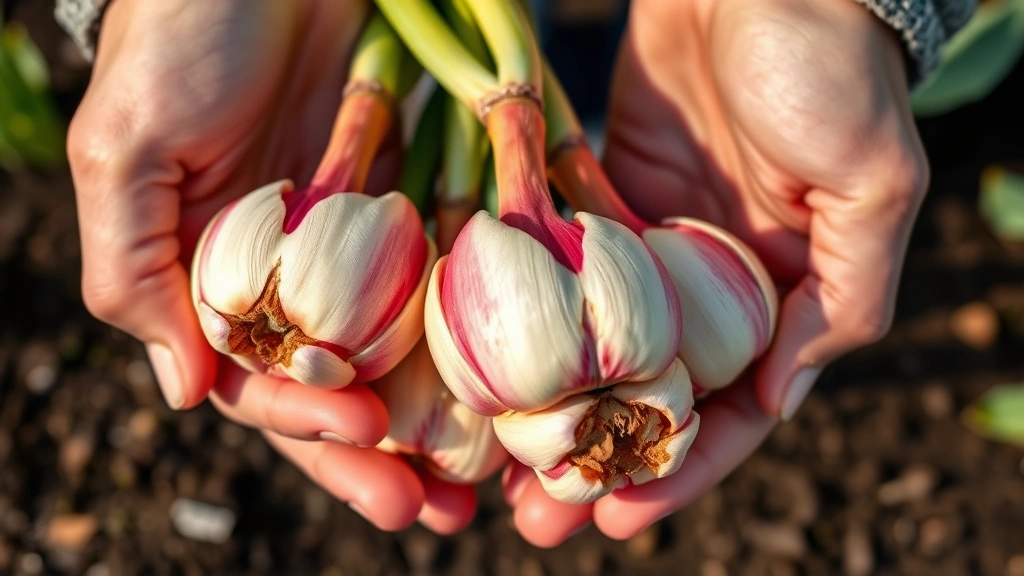
Before you dig into your garden, it’s essential to understand what you’re actually planting. Tulip bulbs are specialized underground storage organs containing everything the plant needs to emerge, grow, and flower in spring. Each bulb is a complete package: roots at the base, a dormant shoot at the center, and protective papery layers on the outside. When you purchase bulbs from reputable nurseries or online retailers, you’re selecting these dormant packages that will spring to life once planted in favorable conditions.
Quality matters significantly when purchasing tulip bulbs. Look for bulbs that feel firm and heavy for their size, with no soft spots, mold, or visible damage. The largest bulbs typically produce the largest flowers and most vigorous plants. Bulb size is usually measured in centimeters—premium bulbs are generally 12 cm or larger in circumference. Smaller bulbs may still flower, but they’ll produce smaller blooms and may need an extra year to reach full maturity.
Different tulip classifications exist, each with distinct characteristics. Darwin Hybrid tulips are tall and sturdy with large blooms, making them excellent for cut flowers and formal gardens. Parrot tulips feature ruffled petals in dramatic color combinations. Species tulips are smaller, more delicate varieties that often naturalize well in gardens. Double tulips have multiple layers of petals, creating full, peony-like flowers. Understanding these categories helps you select varieties that match your garden vision and growing conditions.
Choosing the Right Tulip Varieties
The diversity of tulip varieties available is staggering, with hundreds of cultivars offering different colors, heights, bloom times, and petal formations. Your choice should consider your garden’s aesthetic, available sunlight, and whether you want early, mid-season, or late-spring bloomers. Creating a succession of blooms throughout spring requires selecting varieties with different flowering times.
Early tulips bloom in March or early April, depending on your region, and include varieties like ‘Angelique’ (pink double) and ‘Red Impression’ (deep red). Mid-season tulips, flowering in April, comprise the largest group and include popular varieties like ‘Maureen’ (deep purple) and ‘Golden Apeldoorn’ (golden yellow). Late-season tulips bloom in late April or May and often feature interesting forms—parrot tulips and lily-flowered tulips typically fall into this category.
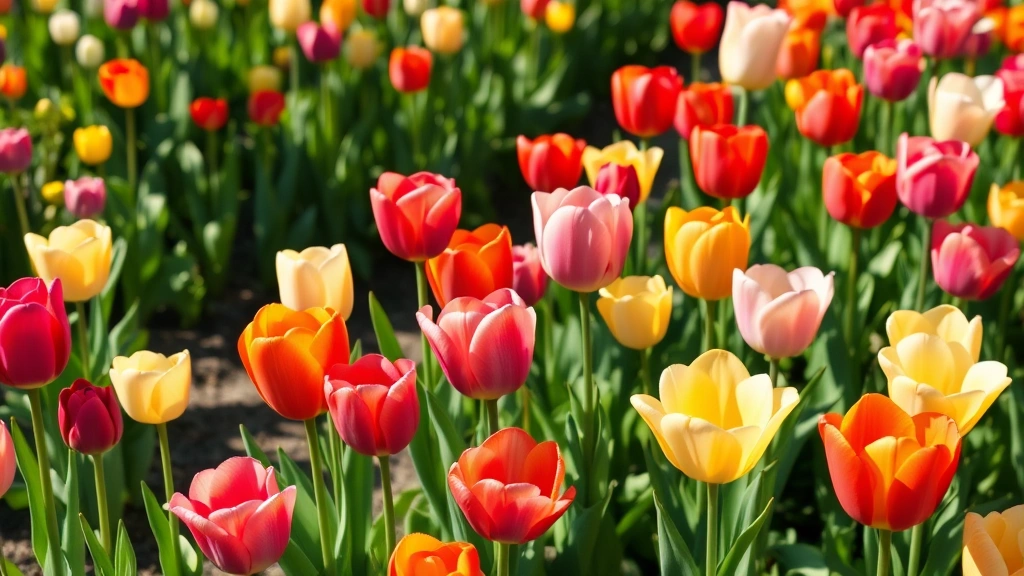
Color coordination is another consideration. Monochromatic schemes using various shades of a single color create sophisticated, cohesive displays. Complementary color combinations—such as deep purple tulips paired with golden yellow varieties—create dramatic visual impact. Pastel combinations work beautifully in cottage gardens, while bold, saturated colors suit modern landscape designs. Consider also the foliage colors and textures of nearby plants, which will interact with your tulip display.
For gardeners interested in extended color, consider combining tulips with spring-blooming companion plants like pansies, violas, or primrose. This creates layered planting schemes with visual interest at multiple heights and can extend the garden’s appeal beyond the tulip bloom period.
Preparing Your Garden for Planting
Soil preparation is the foundation of tulip growing success. Tulips require well-draining soil to prevent bulb rot, one of the most common reasons for planting failure. If your garden has heavy clay soil or poor drainage, amend it liberally with organic matter such as compost, aged bark, or coconut coir. Aim to improve drainage to at least 12 inches deep, as tulip roots extend to this depth and beyond.
Tulips prefer slightly acidic to neutral soil with a pH between 6.0 and 7.0. If you’re uncertain about your soil pH, conduct a simple soil test through your local cooperative extension service, which can provide specific recommendations for your region. In addition to organic matter, incorporate a balanced bulb fertilizer or bone meal into the planting area according to package directions. This provides nutrients for root development before winter and early spring growth.
Location selection is equally important. Tulips require at least six hours of direct sunlight daily, though eight or more hours produces the most robust plants and vibrant blooms. Afternoon shade in hot climates can actually benefit tulips, preventing petal scorch. Avoid planting in areas with standing water or where water pools after rain, as this creates conditions favorable for fungal diseases and bulb rot.
Remove any perennial weeds, rocks, and debris from the planting area before beginning. Rocks can interfere with bulb placement and root development, while weeds will compete for nutrients and moisture. Some gardeners use landscape fabric beneath their planting areas to suppress weeds while still allowing water and nutrient penetration.
Step-by-Step Planting Instructions
The timing of planting is crucial for tulip success. Plant bulbs in fall, between September and November in most regions, or whenever soil temperature drops below 60°F. This timing allows bulbs to develop a strong root system before winter cold arrives. Bulbs planted too early in warm soil may sprout prematurely; those planted too late may not develop adequate roots before frozen ground prevents further root growth.
Planting depth follows a simple rule: plant bulbs at a depth three times their height. A bulb that measures 5 cm tall should be planted 15 cm deep. This depth protects bulbs from temperature fluctuations, prevents premature sprouting, and encourages deep root development. Measure from the bottom of the bulb to the soil surface when determining depth.
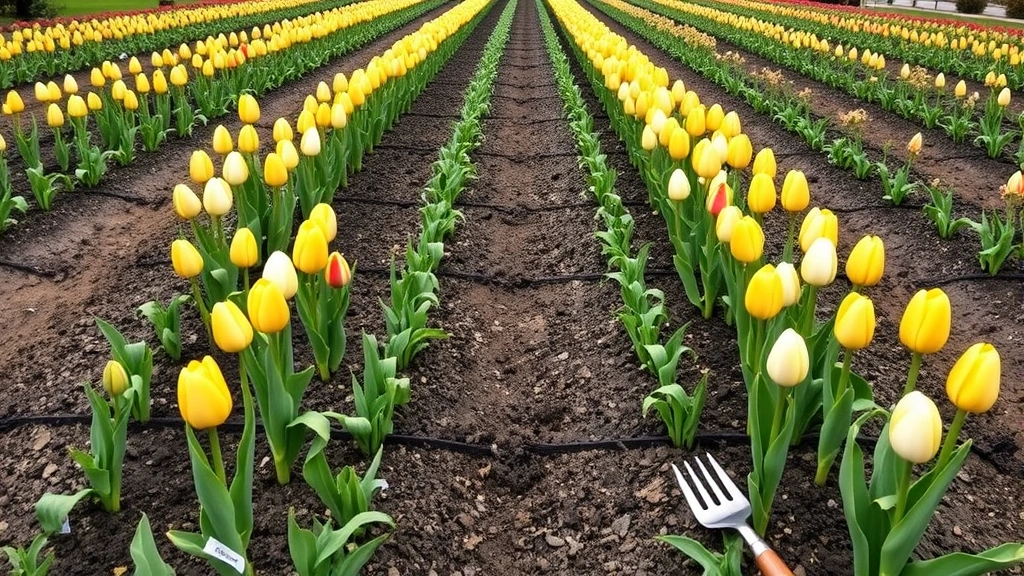
The planting process itself is straightforward. Using a bulb planter (a specialized tool that removes a cylindrical plug of soil) or a traditional spade, create a hole of appropriate depth. Place the bulb pointy-side-up (the pointed end contains the shoot) at the bottom of the hole. If planting multiple bulbs, space them 4 to 6 inches apart to allow adequate air circulation and prevent disease. Back-fill the hole with amended soil, firm gently, and water thoroughly.
For mass plantings, many gardeners dig larger planting trenches rather than individual holes, which is more efficient and ensures consistent depth. Layer the bottom of the trench with 1 inch of sand or grit if drainage is questionable, position bulbs at proper depth and spacing, and back-fill with soil amended with compost and bulb fertilizer.
A helpful technique for ensuring consistent spacing is to arrange bulbs on the prepared soil surface before planting them. This allows you to visualize the final display and adjust spacing as needed. Some gardeners even create detailed garden plans before planting, sketching bulb positions to ensure color distribution and visual balance.
Watering and Aftercare
Immediately after planting, water the area thoroughly to settle soil around bulbs and initiate root growth. During fall, continue watering if rainfall is sparse, aiming to keep soil consistently moist but not waterlogged. Once winter cold arrives and the ground freezes, watering becomes unnecessary until spring.
As spring approaches and soil thaws, tulips will begin their growth cycle. At this point, water if spring rainfall is insufficient to keep soil evenly moist during active growth and flowering. Once flowers fade, continue watering and maintaining the plants—this is critical for bulb development for next year’s bloom. The foliage continues to manufacture and store energy in the bulb for several weeks after flowering.
Deadheading spent flowers prevents the plant from expending energy on seed production and redirects resources to bulb development. Remove the flower head but leave the stem and foliage intact. However, if you want seeds to develop for propagating new plants, allow some flowers to go to seed. Most gardeners find it more practical to purchase new bulbs annually rather than propagating from seed, which takes several years to produce flowering-size bulbs.
Apply a 2-3 inch layer of mulch around (but not directly touching) tulip stems after the ground freezes. This moderates soil temperature fluctuations and prevents heaving—the process where repeated freezing and thawing pushes bulbs upward out of the soil. Remove mulch in early spring as temperatures warm to prevent rot and allow shoots to emerge easily.
Protecting Tulips from Pests and Diseases
Several pests and diseases can affect tulips, though many are easily prevented through proper cultural practices. Squirrels and other rodents frequently dig up and eat tulip bulbs. Protect plantings with wire mesh cloches or by planting bulbs inside protective cages made from hardware cloth. Some gardeners successfully deter rodents by planting bulbs among daffodils, which rodents typically avoid.
Tulip fire (Botrytis blight) is a fungal disease that causes spotting on leaves and flowers, particularly in wet springs. Prevent this by ensuring adequate air circulation, avoiding overhead watering, and removing infected plant material immediately. Tulip breaking virus causes variegated striping in flowers—historically, this created the famous “broken” tulips that sparked 17th-century tulip mania. Modern tulips are usually virus-resistant, but infected plants should be removed and destroyed to prevent spread.
Slugs and snails occasionally damage tulip foliage, creating irregular holes. Handpick these pests in early morning or evening, or use slug traps and barriers. Deer may browse tulip flowers in areas with high deer populations; protect vulnerable plantings with fencing or use deer-resistant companion plants nearby.
Seasonal Timing and Climate Considerations
Tulips require a cold period (vernalization) to flower properly. This winter chilling breaks bulb dormancy and triggers the flowering process. In warm climates where winter temperatures rarely drop below 50°F, pre-chill bulbs in a refrigerator for 12-16 weeks before planting. Store bulbs separately from fruit (which produces ethylene gas that damages tulip bulbs) in a vegetable drawer at 35-45°F.
In regions with mild winters, treat tulips as annuals, planting fresh bulbs each fall and replanting the following year rather than expecting perennial performance. Some southern gardeners successfully grow tulips by planting later (December or January) and selecting heat-tolerant late-blooming varieties that flower before heat stress occurs.
Northern gardeners with very cold winters should plant bulbs before the ground freezes solid, typically by mid-November. In milder regions, planting can extend through November and even into December in some areas. The key is allowing sufficient time for root development before severe cold arrives.
After tulips bloom, the foliage typically yellows and dies back by early summer. Resist the urge to cut it down immediately—leave it in place for at least six weeks after flowering to allow energy transfer to the bulb. Once foliage is completely brown and dried, you can remove it. Some gardeners allow foliage to naturally decompose in place or cut it back only when it becomes unsightly.
For repeat blooming in subsequent years, many gardeners treat tulips as annuals in regions with warm summers, replanting fresh bulbs each fall. This ensures vigorous plants and large flowers every season. Alternatively, if you want to encourage bulb perennialization, select species tulips and botanical varieties, which are more likely to reliably return year after year than hybrid varieties. These smaller tulips naturalize beautifully in garden settings and often improve with age.
Frequently Asked Questions
Can I plant tulip bulbs in spring?
Tulip bulbs require winter cold to flower properly. Spring planting typically fails because bulbs haven’t experienced adequate chilling. If you missed fall planting, pre-chill bulbs in a refrigerator for 12-16 weeks before planting, or wait until next fall to plant.
How deep should I plant tulip bulbs?
Plant bulbs at a depth three times their height. A 5 cm bulb should be planted 15 cm deep, measured from the bulb’s bottom to the soil surface. Deeper planting protects bulbs from temperature fluctuations and prevents premature sprouting.
What’s the best spacing for tulip bulbs?
Space tulip bulbs 4 to 6 inches apart. This distance allows adequate air circulation to prevent fungal diseases while creating full, lush displays. Closer spacing creates denser color, while wider spacing emphasizes individual plants.
Do tulips come back every year?
Many hybrid tulips perform best as annuals, replaced each fall with fresh bulbs. Species and botanical tulips are more likely to reliably return, though even these may diminish over years. In warm climates, most tulips won’t return reliably without pre-chilling.
Can I cut tulips for indoor arrangements?
Yes! Cut tulips in early morning when stems are fully hydrated. Cut stems at a sharp angle and remove lower leaves that would sit below the waterline. Change water every two days, and tulips will last 7-10 days indoors. Tulips continue growing in vases, so use tall containers.
Why aren’t my tulips blooming?
Common reasons include insufficient sunlight (tulips need 6+ hours daily), inadequate winter chilling in warm climates, bulb rot from poor drainage, or overcrowding. Ensure bulbs are planted at proper depth in well-draining soil and receive adequate sunlight.
What garden tools do I need for planting?
A bulb planter or spade is essential for creating planting holes. A garden fork helps loosen soil before planting. A measuring tool ensures proper spacing and depth. For large areas, a broadfork or tiller can prepare soil more efficiently than hand tools.
Can I plant tulips in containers?
Absolutely! Use containers at least 12 inches deep with drainage holes. Fill with bulb mix (amended potting soil), plant bulbs at standard depth and spacing, and place in a sheltered location for winter. Move containers to protected areas during severe cold. Container tulips often perform better than in-ground plantings in warm climates.
How do I prevent squirrels from eating my bulbs?
Plant bulbs inside protective cages made from hardware cloth or mesh, or use bulb cloches. Plant among daffodils, which squirrels typically avoid. Some gardeners successfully deter rodents using capsaicin-based repellents or predator urine products applied to planting areas.
Are there tulips suitable for small garden spaces?
Yes! Species tulips and botanical varieties are naturally smaller (6-12 inches tall) and perfect for small gardens, rock gardens, and containers. Varieties like ‘Tarda,’ ‘Kaufmanniana,’ and ‘Clusiana’ offer delicate beauty in compact packages.


