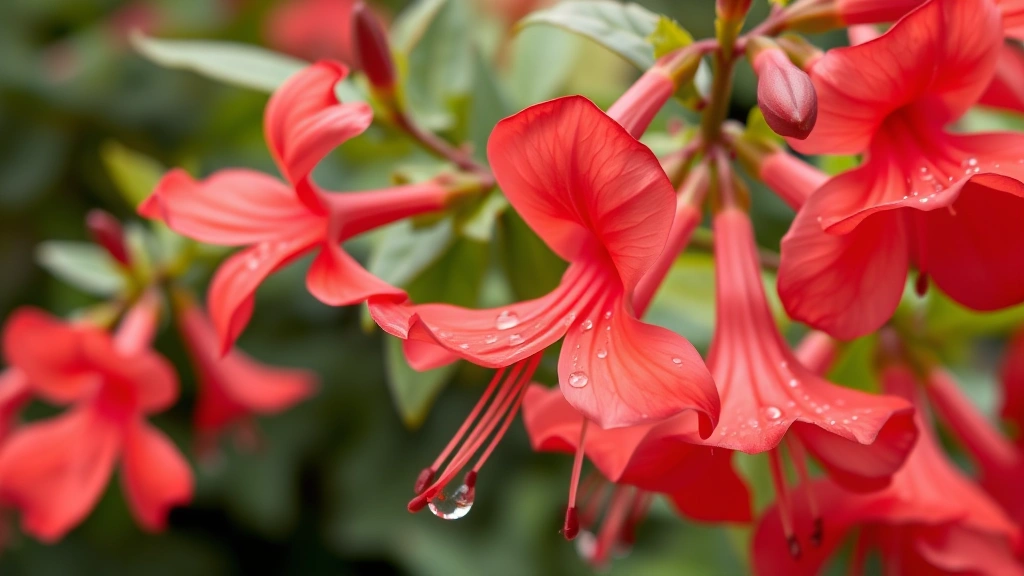
Honeysuckle is one of the most rewarding flowering vines to cultivate in any garden, offering fragrant blooms, vibrant colors, and excellent wildlife appeal. Whether you’re looking to create a romantic garden backdrop, enhance your garden decoration scheme, or establish a natural privacy screen, honeysuckle delivers both aesthetic beauty and practical benefits. These vigorous climbers produce tubular flowers that attract hummingbirds and pollinators while filling your outdoor space with delightful fragrance, especially during evening hours.
Growing honeysuckle successfully requires understanding the plant’s fundamental needs: proper sunlight exposure, well-draining soil, adequate support structures, and regular maintenance. With over 180 species and countless cultivars available, you’ll find varieties suited to nearly every climate zone and garden condition. This comprehensive guide walks you through everything from selecting the right honeysuckle species for your region to troubleshooting common problems and maximizing blooms throughout the growing season.
Choosing the Right Honeysuckle Variety
Selecting the appropriate honeysuckle species for your specific climate and garden conditions is the foundation for successful cultivation. The two primary categories—evergreen and deciduous varieties—offer distinct advantages depending on your location and aesthetic preferences. Evergreen honeysuckles like Lonicera japonica maintain foliage year-round, providing continuous structure and interest, while deciduous varieties such as Lonicera periclymenum offer spectacular seasonal color changes and often superior fragrance.
For temperate regions, trumpet honeysuckle (Lonicera sempervirens) excels with its dramatic red-orange tubular flowers and moderate growth habit, making it ideal for smaller gardens. Japanese honeysuckle thrives in challenging conditions but can become invasive in some areas, so check your local regulations before planting. Coral honeysuckle, another native North American option, produces stunning coral-red flowers beloved by hummingbirds and adapts well to various soil types. If you’re in cooler climates, Hall’s honeysuckle (Lonicera japonica ‘Halliana’) offers reliable winter interest and fragrant white flowers that age to golden yellow.
Native honeysuckle varieties deserve special consideration since they support local ecosystems more effectively than non-native species. Research which honeysuckles are native to your region through your local extension service, as these plants typically require less maintenance and pest intervention once established. Purchase plants from reputable nurseries that can provide detailed information about mature size, growth rate, and specific cultivar characteristics.
Site Selection and Sunlight Requirements
Honeysuckle vines demonstrate remarkable adaptability to various light conditions, though flowering abundance directly correlates with available sunlight. Most varieties perform optimally with six to eight hours of direct daily sunlight, which encourages robust blooming and stronger plant vigor. In regions with intense afternoon heat, afternoon shade becomes beneficial, preventing leaf scorch and extending bloom duration during hot seasons.
Partial shade situations work reasonably well for honeysuckle, though you’ll notice reduced flower production compared to sun-exposed plants. If planting in shadier locations, select more shade-tolerant varieties like Lonicera periclymenum or Lonicera caprifolium, which tolerate dappled light better than sun-demanding cultivars. Avoid deep shade environments where plants receive fewer than three hours of direct sunlight daily, as this significantly compromises flowering and encourages leggy, sparse growth.
Consider the microclimate around your proposed planting site carefully. South-facing walls that reflect heat benefit from afternoon shade cloth in extremely hot climates, while north-facing locations require maximum available sunlight. If establishing honeysuckle near existing trees, ensure the vine won’t be overwhelmed by competition for light as both plants mature. Proximity to buildings, fences, and other structures affects air circulation, which impacts disease prevention and growth patterns significantly.
Soil Preparation and Planting
Honeysuckle demonstrates impressive soil tolerance, thriving in everything from clay to sandy loam, though best soil for raised garden beds principles apply equally to ground-level planting. The critical requirement is adequate drainage—honeysuckle cannot tolerate waterlogged conditions that promote root rot and fungal diseases. If your garden features heavy clay soil, amend it generously with compost, peat moss, or aged bark to improve drainage and create a more friable planting medium.
Begin soil preparation at least two weeks before planting, working organic matter into the top eight to twelve inches of soil. This amendment improves both drainage and nutrient availability while establishing beneficial microbial communities that support plant health. For poor or depleted soils, incorporate two to three inches of high-quality compost mixed with your native soil at planting time. If you’re using raised bed garden cinder blocks or containers, use a premium potting mix combined with compost for optimal results.
Dig planting holes approximately twice as wide as the root ball and equally deep, creating a saucer-shaped depression that holds water initially but drains adequately. Position the plant so the top of the root ball aligns with the soil surface—planting too deeply encourages root disease and poor establishment. Backfill with amended soil, pressing gently to eliminate air pockets while maintaining loose enough conditions for root penetration. Water thoroughly after planting to settle soil and initiate root contact with surrounding earth.
Spacing depends on your specific variety and intended use, but generally allow three to six feet between plants for vigorous varieties. Slower-growing cultivars can be positioned closer together, approximately two to three feet apart, to create denser screening faster. Container-grown honeysuckle can be planted any time during the growing season in mild climates, though spring and fall planting provides optimal establishment conditions by reducing transplant stress.
Watering and Fertilization Schedule
Newly planted honeysuckle requires consistent moisture during the first growing season to establish an extensive root system. Water deeply two to three times weekly, providing approximately one inch of water per week through rainfall or supplemental irrigation. As plants mature and develop established root systems, they become quite drought-tolerant, requiring supplemental watering only during extended dry periods or in arid climates.
Check soil moisture by inserting your finger two inches into the ground—water when the top two inches feel dry to the touch. In containers or raised beds, soil dries more rapidly, necessitating more frequent watering than in-ground plantings. Mulching around the base with two to three inches of organic material conserves moisture, moderates soil temperature, and suppresses competing weeds that stress young plants.
Fertilization needs remain modest for established honeysuckle vines, as excessive nutrition promotes rampant vegetative growth at the expense of flowering. Apply a balanced, slow-release fertilizer in early spring as new growth emerges, following package directions for your plant size. Alternatively, incorporate compost annually around the plant base, which provides gradual nutrient release and improves soil structure over time. Avoid high-nitrogen fertilizers that encourage leafy growth while suppressing bloom production.
Container-grown honeysuckle benefits from monthly feeding during the active growing season using diluted liquid fertilizer. Reduce fertilization frequency in mid-summer to prevent stimulating tender new growth vulnerable to late-season pests and diseases. Cease all fertilization by late summer, allowing plants to harden off and prepare for dormancy or winter conditions.
Pruning and Training Your Vines
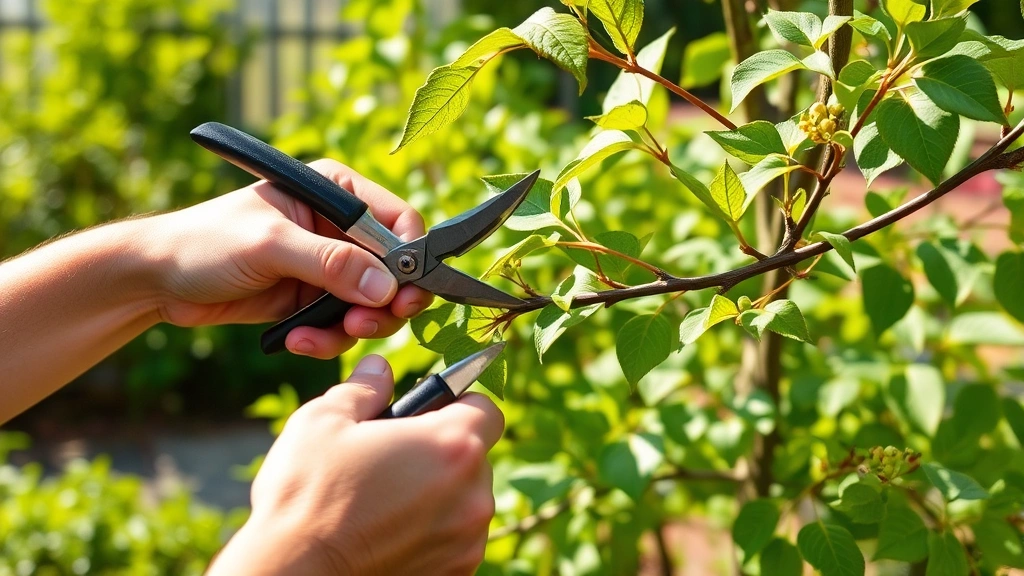
Strategic pruning maintains honeysuckle plant shape, encourages abundant flowering, and prevents tangled, overgrown conditions that harbor pests and diseases. The timing and severity of pruning varies by honeysuckle type—deciduous varieties tolerate heavy pruning in late winter or early spring, while evergreen types benefit from lighter, more frequent pruning throughout the growing season.
For deciduous honeysuckles, prune immediately after flowering ends, removing spent flower stems and any dead, diseased, or crossing branches. This approach maintains plant vigor while establishing the framework for next season’s blooms. In late winter before growth resumes, conduct a more extensive pruning, cutting back overgrown canes by one-third to one-half their length to rejuvenate old, woody plants. Never remove more than one-third of the plant’s total growth in a single pruning session, as this stress can suppress flowering for an entire season.
Evergreen varieties require gentler handling since they lack the dormant period that allows deciduous plants to recover from heavy pruning. Prune evergreens lightly in spring, removing only dead wood, weak growth, and branches extending beyond your desired form. Throughout the growing season, pinch back new stem tips to encourage branching and denser growth, which increases flower production by creating more blooming points.
Training your honeysuckle onto appropriate support structures involves gently tying new growth to the framework using soft plant ties or strips of cloth that won’t girdle expanding stems. Avoid wire or rigid ties that cut into bark as the plant thickens. As vines mature, woody stems become self-supporting on sturdy structures, requiring less active management.
Support Structures and Trellising
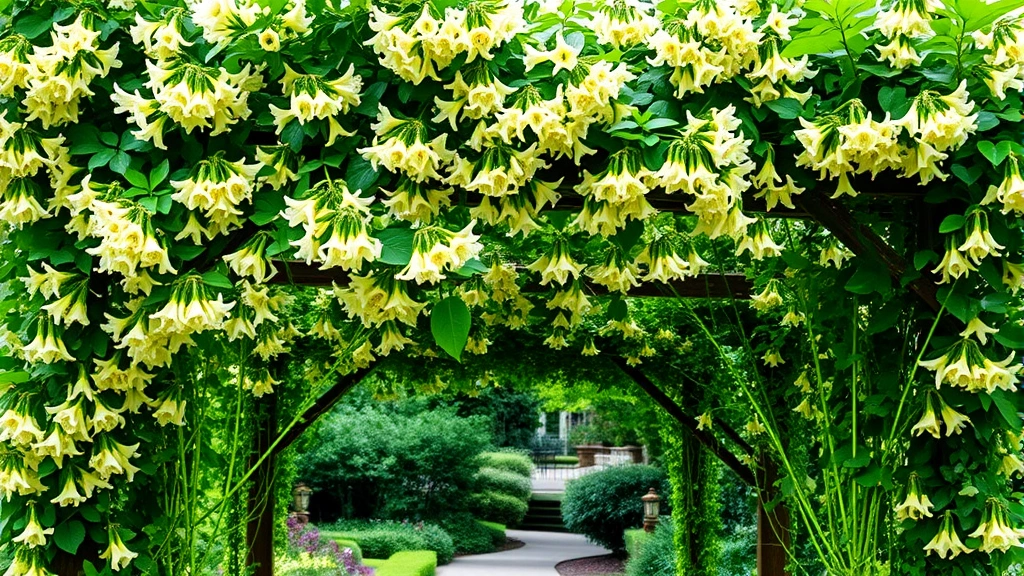
Honeysuckle vines require sturdy support systems that accommodate mature plant weight and withstand seasonal wind stress. Arbors, pergolas, and trellises provide elegant frameworks that display flowers and foliage while creating garden focal points. For vertical screening purposes, consider installing garden shade cloth material or lattice panels that offer both plant support and privacy enhancement.
Wooden structures offer classic aesthetic appeal but require periodic maintenance to prevent rot and deterioration. Cedar and redwood naturally resist decay better than pressure-treated lumber, though even these durable woods eventually require refinishing. Metal arbors and trellises provide durability and clean lines, though they can become uncomfortably hot in intense sunlight. Composite materials offer low-maintenance alternatives that resist weather damage while providing adequate structural support.
Ensure your chosen support structure provides adequate surface area for vine attachment and air circulation through the plant canopy. Structures that are too narrow or densely covered trap moisture and heat, creating ideal conditions for fungal diseases. Position trellises at least two to three inches from walls or fences to allow air movement behind the vines, preventing moisture buildup against structures.
For informal screening purposes, honeysuckle vines grow effectively along sturdy fencing, though they require initial training and periodic tying to establish desired coverage patterns. Chain-link fences work adequately but lack aesthetic appeal, while solid fences benefit dramatically from honeysuckle coverage that softens hard lines and adds living texture.
Seasonal Care Guide
Spring Care: As temperatures warm and growth resumes, remove winter-damaged stems and apply fresh mulch where needed. Begin regular fertilization and monitor for emerging pests. Conduct any necessary pruning before growth becomes too vigorous, as dormant pruning heals quickly without stressing the plant.
Summer Maintenance: Monitor soil moisture closely as temperatures rise and water demand increases. Deadhead spent flowers if desired, though this is optional since honeysuckle flowers continuously. Watch for pests and diseases, addressing problems promptly before they spread. Provide afternoon shade in extremely hot climates to prevent leaf scorch.
Fall Preparation: Reduce fertilization in late summer to encourage hardening off. Avoid heavy pruning that stimulates tender new growth vulnerable to early frosts. Cut back on watering as growth slows and plants prepare for dormancy. Leave seed heads intact if you want birds to enjoy the berries and help distribute seeds naturally.
Winter Protection: In cold climates, mulch around the plant base to insulate roots from extreme temperature fluctuations. Evergreen varieties may benefit from burlap wrapping in areas with heavy snow or ice that could break branches. Deciduous honeysuckles enter complete dormancy and require no special protection beyond mulching.
Pest and Disease Management
Established honeysuckle plants demonstrate impressive pest and disease resistance, though young plants occasionally attract attention from common garden pests. Aphids represent the most frequent pest problem, clustering on new growth and distorting leaves through sap feeding. Spray affected plants with strong water pressure to dislodge aphids, or apply insecticidal soap following label directions if infestations persist.
Spider mites thrive in hot, dusty conditions, causing fine webbing and stippled foliage. Increase humidity around plants and improve air circulation through strategic pruning to discourage mite populations. Powdery mildew occasionally develops on honeysuckle, particularly in humid conditions with poor air flow. Prune affected stems and ensure adequate spacing between plants to maximize air circulation.
Leaf spot diseases typically cause minimal damage and require treatment only if severely compromising plant appearance. Remove affected leaves and avoid overhead watering that keeps foliage wet and promotes fungal spore germination. Root rot develops in poorly drained soils, causing wilting and decline despite adequate moisture. Improve drainage through soil amendment or relocation to better-drained sites.
Japanese honeysuckle can become invasive in some regions, spreading through seeds and vegetative runners into natural areas. Check local regulations before planting, and consider sterile cultivars like ‘Halliana’ that produce few viable seeds. Regular pruning prevents seed production and contains plant spread within garden boundaries.
Honeysuckle sawfly larvae occasionally feed on foliage, creating skeletonized leaves. These pests rarely cause serious damage, and populations typically decline naturally as beneficial parasitic wasps establish in the garden. Maintain overall plant health through proper care, as vigorous plants tolerate minor pest damage without significant impact.
Frequently Asked Questions
How long does honeysuckle take to establish and produce flowers?
Most honeysuckle varieties begin flowering within their first or second growing season after planting, though young plants produce fewer blooms than mature specimens. Full flowering potential develops by year three or four as root systems expand and plant size increases. Container-grown plants often flower sooner than bare-root specimens since they suffer less transplant shock.
Can I grow honeysuckle in containers?
Yes, many honeysuckle varieties thrive in containers, particularly compact cultivars and less vigorous species. Use containers at least eighteen inches deep with quality potting mix and ensure excellent drainage. Container plants require more frequent watering and monthly fertilization during growing season compared to in-ground plantings. Container gardening guides provide detailed instructions for long-term container cultivation.
What’s the difference between Japanese honeysuckle and native varieties?
Japanese honeysuckle (Lonicera japonica) is an aggressive non-native species that can escape cultivation and invade natural areas, outcompeting native plants. Native honeysuckles like trumpet honeysuckle and coral honeysuckle support local wildlife more effectively and rarely become problematic. Many regions recommend removing Japanese honeysuckle and replacing it with native alternatives to protect ecosystems.
How do I encourage more blooms on my honeysuckle?
Maximize flowering through adequate sunlight exposure (six to eight hours daily), moderate fertilization emphasizing phosphorus, and strategic pruning immediately after flowering ends. Avoid excessive nitrogen that promotes leafy growth at the expense of flowers. Ensure consistent moisture during the growing season, and allow plants to mature for at least two to three years before expecting abundant blooms.
Is honeysuckle toxic to pets or children?
Honeysuckle berries are generally safe for humans and wildlife, though some people experience mild gastrointestinal upset if consuming large quantities. Pets typically tolerate honeysuckle contact without problems, though supervision remains advisable. Check with your veterinarian or ASPCA Animal Poison Control if you have specific concerns about your pets.
When should I prune honeysuckle for winter?
Prune deciduous honeysuckle in late winter before growth resumes, cutting back overgrown canes and removing dead wood. Evergreen varieties should be pruned lightly in early spring only, as they lack dormancy. Avoid heavy pruning in fall, which stimulates tender growth vulnerable to frost damage.
Why isn’t my honeysuckle blooming?
Insufficient sunlight represents the most common cause of poor flowering—ensure your plant receives at least six hours of direct daily sun. Excessive nitrogen fertilizer also suppresses blooms, so switch to balanced or phosphorus-rich formulas. Young plants may not flower abundantly until establishing more mature size, typically requiring two to three years. Poor drainage and root rot can also prevent flowering by stressing the entire plant.
Can honeysuckle grow in shade?
Honeysuckle tolerates partial shade but flowers more prolifically in sunny locations. If planting in shade, select shade-tolerant varieties like Lonicera periclymenum and accept reduced flower production. Ensure at least three to four hours of direct sunlight daily for acceptable growth and modest blooming.


