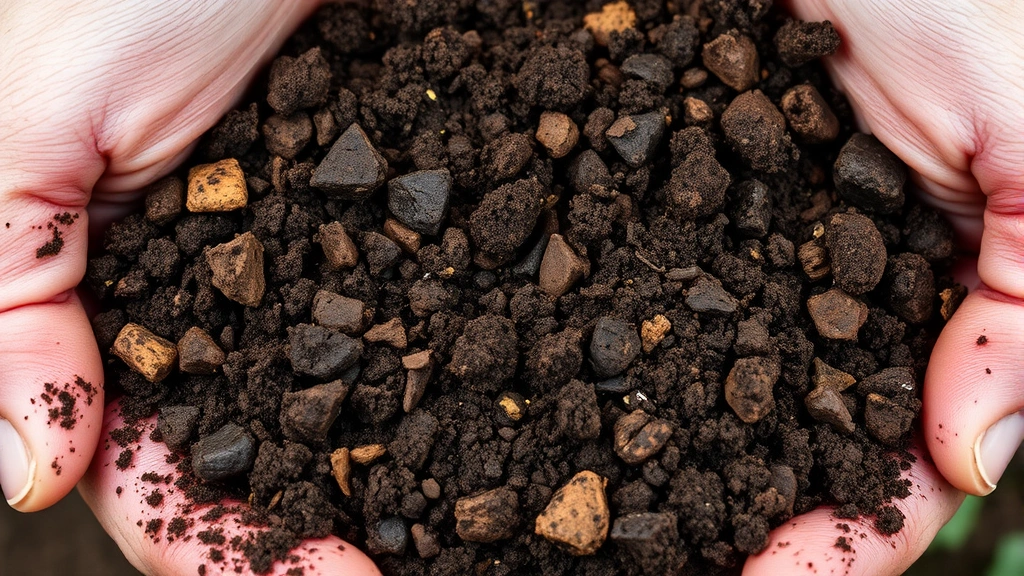
Choosing the best soil for raised beds is one of the most critical decisions you’ll make as a gardener. The right soil mixture determines whether your plants thrive or struggle, how well water drains, and what nutrients are available to your vegetables, flowers, and herbs. Unlike traditional in-ground gardens where you’re working with existing native soil, raised beds give you complete control over your growing medium—and that’s a tremendous advantage.
Many beginning gardeners make the mistake of simply filling their raised beds with whatever topsoil is cheapest at the local garden center. This approach often leads to disappointment: poor drainage, compacted soil, nutrient deficiencies, and stunted plant growth. The good news is that creating an ideal raised bed soil mixture isn’t complicated or prohibitively expensive. Understanding the components and proportions will help you build a foundation for gardening success.
In this comprehensive guide, we’ll explore what makes soil suitable for raised beds, examine the best component combinations, and provide expert recommendations based on different gardening goals and plant types. Whether you’re building elevated garden beds for vegetables, ornamentals, or a mixed garden, you’ll find practical advice to get your soil composition right from the start.
Understanding Raised Bed Soil Requirements
Raised bed soil must accomplish several critical functions simultaneously. It needs to retain enough moisture so plants don’t dry out between waterings, yet drain well enough to prevent waterlogging and root rot. It should contain adequate nutrients to support plant growth, maintain a crumbly texture that allows roots to penetrate easily, and support beneficial microbial life that makes nutrients available to plants.
The ideal raised bed soil has a pH between 6.0 and 7.0 for most vegetables and ornamentals, though some plants prefer slightly acidic or alkaline conditions. Soil structure is equally important—compacted, heavy clay soil will suffocate roots and prevent water infiltration, while very sandy soil drains too quickly and won’t retain nutrients.
Unlike in-ground gardens where you might amend native soil over several seasons, raised beds require a more intentional approach. You’re starting from scratch, which means you can create the perfect growing environment immediately. Most experts recommend filling raised beds with a blend rather than a single component, as this combination provides the balance of drainage, water retention, and nutrient availability that plants need.
The Classic 1-1-1 Soil Mix Formula
The most widely recommended formula for raised bed soil is the 1-1-1 mix, popularized by gardening experts and endorsed by university extension services. This simple ratio combines three equal parts:
- One part high-quality topsoil: Provides mineral nutrients, structure, and the foundation for your mix. Look for topsoil that’s dark, crumbly, and free of weeds and debris. Avoid heavy clay-based topsoil if possible, as it can compact over time.
- One part compost: Adds organic matter, improves water retention, introduces beneficial microorganisms, and provides slow-release nutrients. Use well-aged compost that’s dark, crumbly, and has an earthy smell. Fresh compost can heat up and damage young plants.
- One part coconut coir or peat moss: Improves water retention and aeration. Coconut coir is a sustainable alternative to peat moss, though both work effectively. This component prevents the soil from becoming too dense while maintaining moisture availability.
For a 4-foot by 8-foot raised bed that’s 12 inches deep, you’ll need approximately 32 cubic feet of soil. To calculate for your specific dimensions, multiply length × width × depth (all in feet), then divide by 27 to get cubic yards. Most suppliers sell soil by the cubic yard, making this calculation essential for ordering the correct amount.
The beauty of the 1-1-1 formula is its versatility. It works well for vegetable gardens, flower beds, and mixed plantings. The topsoil provides structure and nutrients, the compost feeds microbes and plants while improving water retention, and the coir or peat creates air pockets that prevent compaction while still holding moisture where roots can access it.
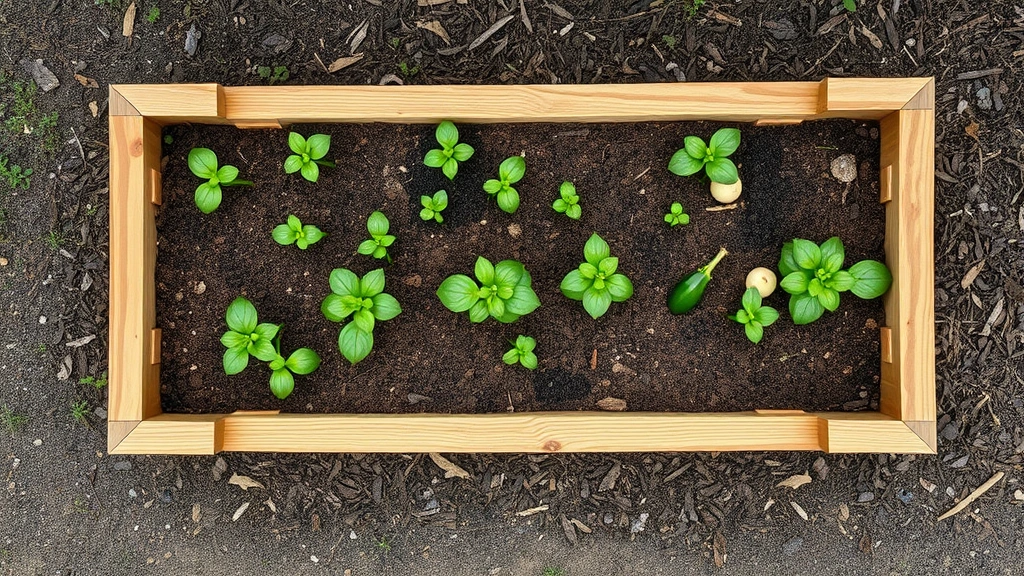
Alternative Soil Blends for Different Plants
While the 1-1-1 mix is excellent for general-purpose gardening, you can adjust ratios based on what you’re growing. Understanding these variations helps you optimize your easy to grow vegetables for beginners and other plants.
For vegetable gardens: Increase the compost ratio to 40% compost, 40% topsoil, and 20% coir. Vegetables are heavy feeders that benefit from the extra organic matter and nutrient content. This blend provides the fertility that tomatoes, peppers, and leafy greens demand for vigorous growth and high yields.
For acid-loving plants: If growing blueberries, azaleas, or rhododendrons in raised beds, adjust your mix to include 50% peat moss (which is naturally acidic), 30% compost, and 20% topsoil. You may also need to add sulfur to lower pH further, depending on your water source and starting materials.
For drought-tolerant plants and succulents: Use a grittier blend with more drainage: 40% topsoil, 30% compost, 20% coir, and 10% perlite or coarse sand. These plants prefer drier conditions, and excess moisture is their primary enemy. The additional perlite creates larger air pockets that water moves through quickly.
For flower beds and ornamentals: A 35% topsoil, 40% compost, and 25% coir blend provides good drainage while supporting the moderate nutrient needs of most flowering plants. This ratio prevents the nutrient excess that can reduce flowering in some ornamentals while maintaining soil structure.
For newly established raised beds: Consider using a 50% compost, 30% topsoil, and 20% coir blend for the first year. The higher compost content jumpstarts biological activity and provides readily available nutrients. In subsequent years, you can shift to the standard 1-1-1 ratio while adding 1-2 inches of compost annually as a top dressing.
Quality Ingredients and Where to Source Them
The quality of your individual components directly impacts your garden’s success. Don’t assume all topsoil, compost, and amendments are created equal. Each component requires careful selection.
Topsoil selection: Purchase topsoil from reputable suppliers who can guarantee it’s free of contaminants, heavy metals, and weed seeds. Ask whether it’s been tested for pH and nutrient content. Some suppliers offer “garden soil” or “garden mix” that contains added compost; these products can work but are often more expensive. If you have access to quality native soil, testing it through your local cooperative extension service helps you understand what amendments it needs.
Compost quality: Finished compost should be dark brown or black, crumbly, and smell earthy—not ammonia-like or sour. If you have space, creating your own compost ensures quality control and saves money over time. Otherwise, purchase from local landscapers, municipal composting programs, or garden centers. Avoid fresh compost that’s still heating up, as it can burn tender plants and harbor pathogens.
Coir and peat moss: Coconut coir is increasingly popular due to sustainability concerns around peat moss extraction. Both work equally well in raised beds. Coir comes compressed in bricks that expand dramatically when hydrated. Peat moss is lighter and easier to handle but depletes non-renewable resources. Choose based on your environmental values and budget.
Additional amendments: Consider adding worm castings (5-10% by volume) for extra microbial life and nutrients. Aged bark or wood chips (5%) can improve structure in heavy soils. Mycorrhizal fungi inoculants help young plants establish stronger root systems. Bone meal and fish emulsion provide slow-release phosphorus and nitrogen, respectively, and can be mixed into your base soil.
When ordering soil components, account for settling. Raised beds compress by 15-20% during the first growing season as organic matter decomposes and soil consolidates. Fill your beds slightly above the rim initially, understanding that they’ll settle to proper level within weeks. You can add more soil mix after settling occurs.
Building and Maintaining Your Raised Bed Soil
Creating your raised bed soil is straightforward, but execution matters. If building multiple beds, consider renting a soil mixer or creating a mixing platform. For small quantities, mixing in a tarp works well: pile your components on the tarp, fold edges together, and roll or shuffle the pile until uniform.
Mix components in the correct ratio before adding to your raised bed. This ensures even distribution rather than pockets of pure compost or topsoil. Work methodically, especially if you’re building several beds. Some gardeners prefer mixing soil on-site to minimize multiple handling steps.
Once established, raised bed soil requires ongoing maintenance. Each year, top-dress with 1-2 inches of quality compost. This replenishes nutrients as they’re depleted, continues building organic matter, and introduces fresh beneficial microorganisms. Annual compost additions reduce or eliminate the need for chemical fertilizers.
Test your soil every 2-3 years through your local extension service. Testing reveals pH, nutrient levels (nitrogen, phosphorus, potassium), and organic matter content. Results guide your amendment strategy—you may discover you need additional potassium for fruiting plants or sulfur to lower pH. USDA soil health resources provide additional guidance on soil testing and interpretation.
Avoid walking on or compacting raised bed soil when it’s wet. Wet soil compacts easily, destroying the structure you’ve worked to create. Work from the sides of beds when possible, or step on boards laid across the bed to distribute your weight. This simple practice preserves soil structure season after season.
Mulch the surface of your raised beds with 2-3 inches of wood chips, straw, or shredded leaves. Mulch moderates soil temperature, reduces water loss, suppresses weeds, and gradually decomposes to add more organic matter. As mulch decomposes, you’ll need to replenish it annually.
Common Soil Problems and Solutions
Even with careful preparation, raised bed soil sometimes develops problems. Understanding common issues and their remedies helps you respond quickly.
Compaction and poor drainage: If water sits on top of your beds or drains too slowly, your soil has become compacted. Loosen the top 6-8 inches with a broad fork, working compost into the loosened layer. Avoid digging or tilling, which can destroy soil structure further. Add 2 inches of compost annually and mulch heavily to prevent future compaction.
Nutrient deficiencies: Yellowing leaves, stunted growth, or poor flowering indicate nutrient problems. Nitrogen deficiency causes pale, yellowing lower leaves; phosphorus deficiency creates purple or reddish discoloration; potassium deficiency appears as brown leaf edges. Soil testing pinpoints the specific deficiency. Address through compost additions, balanced organic fertilizers, or specific amendments like bone meal or kelp.
pH imbalance: If plants show nutrient deficiency symptoms despite adequate nutrients in soil, pH problems may be preventing nutrient availability. Acidic soil (pH below 6.0) locks up phosphorus and potassium. Alkaline soil (pH above 7.5) immobilizes iron, manganese, and zinc. Add sulfur to lower pH or lime to raise it, but adjust gradually—pH changes take months to fully manifest.
Poor germination or seedling failure: If seeds fail to germinate or seedlings collapse, your soil may contain pathogens or be too dense for seedlings to emerge. Use pasteurized seed-starting mix for the top 2-3 inches where seeds will be sown, or amend the upper layer with extra coir and compost. Ensure proper drainage to prevent damping-off disease.
Weed seeds and volunteer plants: Even quality topsoil occasionally contains weed seeds. Hand-pull weeds when small before they set seed. Use cardboard or newspaper under mulch to suppress weed seed germination. Avoid tilling or digging deeply, which brings buried weed seeds to the surface.
Settling and subsidence: Organic matter decomposition causes soil to settle 15-20% the first year and 3-5% annually thereafter. This is normal. Top-dress annually with compost to maintain bed height and replace decomposed organic matter. After 3-4 years, you may need to add fresh soil to restore original depth.
Proper garden irrigation system management also prevents many soil problems. Consistent moisture without waterlogging maintains soil structure and supports root health. Drip irrigation or soaker hoses deliver water directly to roots while keeping foliage dry, reducing disease pressure.
FAQ
How deep should raised bed soil be?
Most vegetables need 12 inches of soil minimum; 18-24 inches is ideal for root crops like carrots and parsnips. Shallow-rooted plants like lettuce and spinach can grow in 8-10 inches. Deeper beds provide better root development, improved water retention, and more insulation against temperature extremes.
Can I reuse raised bed soil year after year?
Yes, absolutely. Raised bed soil improves over time as organic matter accumulates and soil biology develops. Refresh annually with 1-2 inches of compost, and test every 2-3 years to monitor nutrient levels. Most gardeners use the same soil for 5-7 years before complete replacement becomes necessary.
Should I add fertilizer to my raised bed soil?
Not initially, if you’re using quality compost and topsoil. Compost provides adequate nutrients for the first season. After that, annual compost additions usually suffice for most gardens. However, heavy-feeding crops like tomatoes may benefit from additional nitrogen during the growing season. Soil testing guides specific fertilizer needs.
Is it better to use native soil or purchased soil for raised beds?
Purchased soil blends give you better control over quality and composition. Native soil often contains clay, compacts easily, and may harbor pathogens or contaminants. However, if you have excellent native soil that tests well, incorporating it (up to 30-40% of your mix) reduces costs while maintaining quality.
Can I fill raised beds with just compost?
Not ideally. Pure compost compacts over time, drains poorly, and becomes depleted of nutrients by mid-season. The 1-1-1 formula balances compost’s fertility and structure benefits with topsoil’s mineral content and coir’s drainage properties. This combination outperforms any single component.
How often should I water raised bed gardens?
Raised beds typically need water more frequently than in-ground gardens because they drain faster and receive more sun exposure. Water when the top 1-2 inches of soil feel dry. During hot weather, this may mean daily watering. A garden irrigation system automates this process and ensures consistent moisture.
What’s the difference between topsoil and garden soil?
Topsoil is the upper layer of native soil, containing organic matter and microorganisms. Garden soil is topsoil mixed with compost and amendments to create a ready-to-use growing medium. Garden soil is more expensive but requires less blending. For raised beds, either works if quality is good, but creating your own blend from quality components often offers better value.
Should I use landscape fabric under my raised bed?
Landscape fabric under raised beds prevents weeds from growing up from native soil below. However, it can impede drainage and root penetration into native soil beneath. If your raised bed sits on compacted ground, fabric helps. If on permeable soil or grass, it’s optional. Many gardeners skip it and manage weeds through mulching and hand-pulling.


