Best Garden Shade Cloth? Expert Recommendations
Selecting the right garden shade cloth material can make the difference between thriving plants and sun-scorched foliage during intense summer months. Whether you’re protecting delicate seedlings, extending your growing season, or creating microclimates for shade-loving plants, understanding the various shade cloth options available is essential for any gardener. The market offers numerous materials with different light-blocking percentages, durability ratings, and price points, making it crucial to match your specific gardening needs with the most appropriate solution.
Shade cloth serves multiple purposes in the garden ecosystem. Beyond temperature control, it reduces water evaporation from soil and plant leaves, minimizes photodamage to sensitive varieties, and can even improve the aesthetic appeal of your outdoor growing space. Many experienced gardeners keep multiple shade cloth types on hand for different applications throughout the season, from spring propagation to summer heat protection and fall crop extension.
Understanding Shade Cloth Percentages
The percentage rating on shade cloth indicates how much sunlight it blocks, ranging from 20% to 90%. A 30% shade cloth blocks 30% of sunlight while allowing 70% to pass through, making it ideal for plants that still require substantial light but benefit from afternoon protection. A 50% cloth provides moderate shading suitable for most vegetable gardens during peak summer, while 70% and higher percentages work best for shade-loving perennials, ferns, and tropical plants requiring protection from intense UV rays.
Understanding your region’s climate is fundamental when selecting percentage ratings. In the Southwest and areas with intense afternoon sun, higher percentages (50-70%) prevent heat stress and sunburn on vegetables like lettuce, spinach, and kale. Conversely, in northern climates with milder summers, 30-40% shade cloth may be sufficient to maintain optimal growing conditions while maximizing photosynthesis. Many gardeners find that 50% shade cloth represents the sweet spot for versatility, offering protection without significantly reducing light intensity for sun-loving crops.
The best approach involves considering your specific plant varieties. If you’re growing vegetables in raised garden beds, you’ll want to match shade cloth percentage to each crop’s light requirements. Cool-season crops benefit from higher percentages in summer, while warm-season plants typically prefer lower percentages unless you’re in an exceptionally hot region.
Knitted vs. Woven Shade Cloth Materials
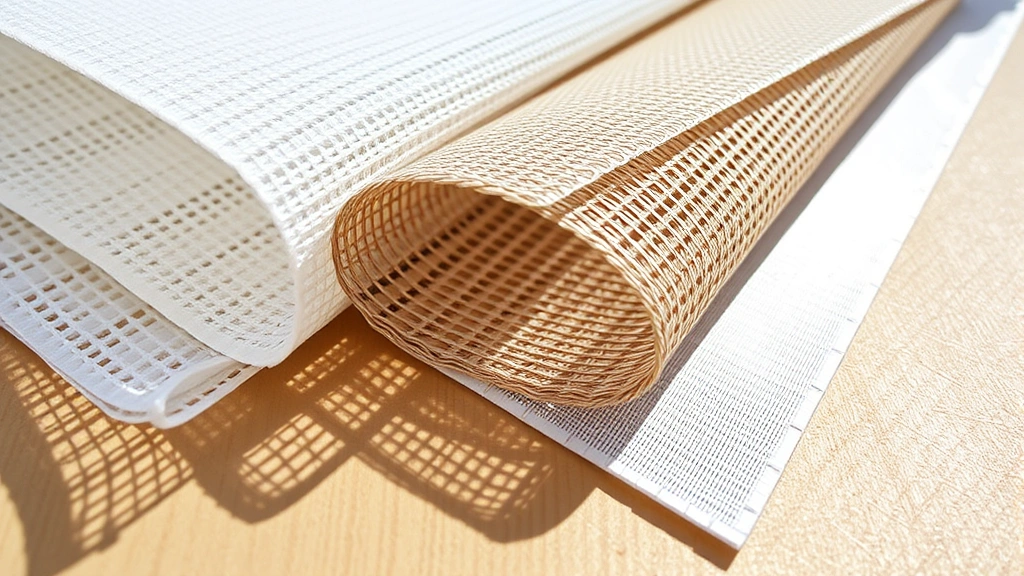
Knitted shade cloth represents the most common material found in garden centers and online retailers. This material features interlocked loops of high-density polyethylene (HDPE) or polypropylene that create a net-like structure. Knitted cloth offers excellent UV resistance, typically lasting 3-5 years with proper care, and allows superior air circulation compared to woven alternatives. The open weave design enables water penetration during rain or irrigation, eliminating the need to remove cloth for watering in most applications.
Woven shade cloth, constructed from tightly interlaced threads, provides denser coverage and more uniform light reduction. This material often incorporates aluminum or reflective components that bounce heat away from plants, making it exceptionally effective in extreme heat conditions. Woven options tend to be heavier and more durable than knitted varieties, sometimes lasting 7-10 years, though they typically cost more initially. The trade-off involves reduced air circulation and potential water pooling on horizontal surfaces, requiring careful installation on flat structures.
For most home gardeners, knitted shade cloth strikes an excellent balance between performance, ease of use, and cost-effectiveness. The material breathes well, allowing humid air to escape, which reduces fungal disease pressure common in overly shaded, moisture-laden environments. Woven cloth excels in specialized applications such as protecting nursery stock or creating permanent shade structures where durability justifies the premium price.
Aluminum Reflective Shade Cloth
Premium shade cloth options incorporate aluminum threads or reflective coatings that redirect solar radiation away from plants while still allowing adequate light penetration. This technology proves particularly valuable in desert climates and regions experiencing temperatures exceeding 95°F regularly. Reflective shade cloth can reduce temperatures beneath the cloth by 10-15°F compared to standard materials, dramatically improving plant health during extreme heat waves.
The aluminum component adds weight and cost but significantly extends the material’s lifespan, often providing 8-10 years of reliable service. Reflective cloth maintains its protective properties longer than basic polyethylene because the metallic coating resists UV degradation more effectively. However, the reflective surface requires regular cleaning to maintain effectiveness, as dust and pollen accumulation reduces light reflection capacity over time.
Gardeners in hot climates should prioritize reflective options, particularly when protecting sensitive crops susceptible to heat stress. Tomatoes, peppers, and eggplants in the Southwest benefit tremendously from aluminum-enhanced shade cloth, which maintains soil temperature stability and reduces transpiration stress. The investment in premium materials pays dividends through improved yields and reduced plant mortality during peak summer months.
Polypropylene and Mesh Options
Polypropylene shade cloth offers a lightweight, affordable alternative to traditional polyethylene materials. This plastic polymer resists degradation and maintains flexibility across a wide temperature range, making it suitable for year-round use in most climates. Polypropylene cloth typically costs 20-30% less than premium woven options while providing adequate protection for 2-4 years depending on UV exposure intensity.
Mesh shade cloth, sometimes called shade netting, features larger openings than standard cloth, allowing maximum light and air penetration. This option works exceptionally well for insect exclusion when combined with fine mesh barriers, creating a dual-purpose structure that protects plants from both excessive sun and pest damage. Many gardeners layer mesh shade cloth over vegetable beds to simultaneously manage light exposure and prevent cabbage moths, spider mites, and other common garden pests from accessing crops.
The choice between polypropylene and mesh depends on your primary objectives. Pure sun protection favors traditional shade cloth, while integrated pest management benefits from mesh materials. For raised garden beds, mesh options provide excellent versatility, allowing you to adjust coverage based on seasonal pest pressure and temperature fluctuations.
Installation and Mounting Strategies
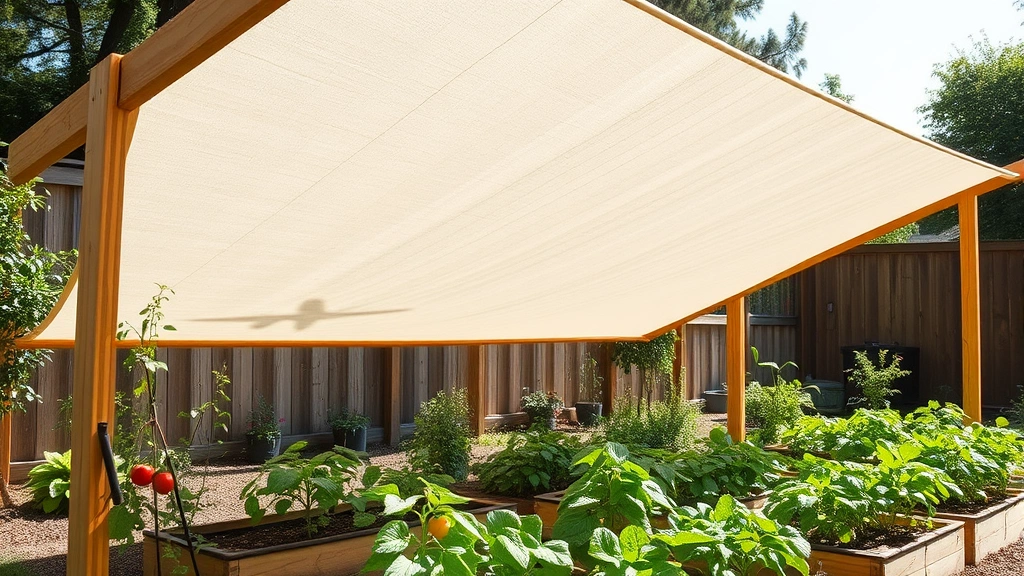
Proper installation ensures maximum effectiveness and longevity of your shade cloth investment. The most common approach involves securing cloth to a wooden or PVC frame positioned 12-24 inches above plants, allowing air circulation while providing consistent shading. This elevated installation prevents cloth from touching foliage, which can cause heat retention and fungal issues in humid conditions.
For temporary applications, shade cloth can be draped directly over plants or structures using clips, clamps, or clothesline. Ensure the material doesn’t contact leaves directly, as trapped moisture and heat create ideal conditions for powdery mildew and other fungal diseases. Leave adequate slack in the cloth to accommodate wind movement without excessive tension on attachment points.
Permanent installations work best with structured garden beds featuring integrated shade cloth support systems. PVC pipe frameworks offer adjustable configurations allowing you to modify shade coverage as seasonal needs change. Aluminum frames provide superior durability for long-term installations, though they require higher initial investment. Always ensure proper drainage to prevent water accumulation, which accelerates material degradation and creates pest habitat.
Wind resistance represents a critical installation consideration. Secure all edges and corners firmly to prevent flapping, which stresses attachment points and accelerates material failure. In windy regions, consider shade cloth percentage one grade higher than your calculated needs, as wind-induced movement reduces effective coverage by 5-10% compared to stationary cloth.

Comparing Price and Longevity
Budget considerations influence shade cloth selection significantly. Basic polypropylene cloth costs $0.15-0.30 per square foot, offering the most economical option for gardeners with limited budgets. Standard knitted polyethylene cloth ranges from $0.25-0.50 per square foot, providing excellent value through extended durability and performance. Premium woven or reflective options cost $0.50-1.00+ per square foot but justify the expense through superior longevity and heat management capabilities.
Calculate your cost-per-year by dividing initial material expense by expected lifespan. A $200 basic cloth lasting two years costs $100 annually, while a $400 premium cloth lasting eight years costs only $50 annually. This analysis often reveals that premium materials provide better long-term value despite higher upfront costs, particularly for gardeners maintaining permanent shade structures.
Storage practices dramatically affect shade cloth lifespan. Remove cloth during off-season months and store it in a cool, dark location protected from UV exposure. Excessive heat, moisture, and sunlight during storage accelerate material degradation, reducing effective lifespan by 30-50%. Many experienced gardeners construct simple storage boxes or use opaque storage bags specifically for shade cloth preservation.
Climate-Specific Recommendations
Desert and arid climates demand reflective or high-percentage shade cloth (50-70%) combined with consistent irrigation management. The intense UV radiation and extreme temperatures in these regions require premium materials that maintain effectiveness throughout extended heat waves. Aluminum-enhanced cloth provides the best protection, though standard knitted cloth with regular maintenance offers adequate protection for budget-conscious gardeners.
Temperate climates benefit from moderate shade cloth percentages (30-50%) that balance light requirements with heat protection during summer peak. Spring and fall applications can utilize lighter percentages (20-30%) for frost protection without excessive shading. This flexibility allows temperate gardeners to maximize growing seasons while minimizing shade cloth replacement frequency.
Tropical and humid regions require mesh or highly permeable shade cloth options that prevent moisture accumulation and fungal disease development. Air circulation becomes paramount in humid climates, making knitted cloth superior to woven alternatives. The frequent rain in tropical regions also favors permeable materials that allow water drainage without pooling.
Northern climates with short growing seasons benefit from lower shade cloth percentages (20-30%) or selective application only during brief heat waves. The limited intense sunlight in northern regions rarely justifies permanent shade structures, though temporary cloth applications during unexpected heat spells protect sensitive crops. Focus shade cloth investments on spring seedling protection and fall crop extension rather than summer applications.
Integration with Garden Structures
Shade cloth integrates seamlessly with existing garden infrastructure including trellises, arbors, and pergolas. Many gardeners attach cloth to overhead structures, creating dual-purpose installations that provide both plant support and light management. This approach maximizes space efficiency while creating attractive garden features that enhance curb appeal.
Permanent shade cloth installations work exceptionally well over garden designs featuring specialized plant collections. Shade-loving perennials, hostas, and woodland plants thrive under permanent cloth structures that replicate forest canopy conditions. These installations transform challenging shaded garden areas into productive growing spaces for otherwise difficult-to-cultivate varieties.
Consider shade cloth compatibility with irrigation systems. Drip irrigation and soaker hoses function effectively beneath most shade cloth types, eliminating the need for removal during watering. Overhead sprinkler systems work adequately with permeable cloth, though water distribution becomes less uniform. Automated systems benefit from shade cloth installation, as reduced evaporation improves irrigation efficiency and reduces water waste.
For gardeners incorporating seating areas, shade cloth creates comfortable outdoor spaces while protecting plants simultaneously. Combine shade cloth with small garden furniture to establish relaxation zones that double as plant protection infrastructure. This multifunctional approach maximizes value from garden investments while creating inviting outdoor environments.
FAQ
What shade cloth percentage should I use for tomatoes?
Tomatoes typically require 30-40% shade cloth in most climates, providing afternoon protection while maintaining adequate light for fruit production. In extreme heat regions (Southwest, Deep South), increase to 50% shade cloth during peak summer months (July-August), then reduce coverage as temperatures moderate. Monitor plants closely, as excessive shading reduces fruiting and delays maturity.
Can I leave shade cloth on all season?
Temporary shade cloth should be removed during cooler months to maximize available light for winter crops and spring growth. Permanent installations over shade-loving plants can remain year-round. Monitor coverage regularly, removing cloth during unexpectedly cool periods to prevent growth restriction and ensure adequate photosynthesis for plant vigor.
How often should I clean my shade cloth?
Clean shade cloth quarterly or whenever visible dust and pollen accumulation occurs. Use a soft brush or gentle spray from a garden hose to remove debris without damaging the material. For reflective cloth, more frequent cleaning (monthly) maintains optimal heat deflection capacity and extends material lifespan.
Does shade cloth reduce watering needs?
Yes, shade cloth reduces water evaporation from soil and plant leaves by 20-40% depending on percentage rating and climate. This decreased water loss reduces irrigation frequency requirements, particularly beneficial in arid climates where water conservation is critical. Monitor soil moisture regularly, as reduced water needs vary based on specific plant types and environmental conditions.
What’s the best way to attach shade cloth to a wooden frame?
Use stainless steel clips, clamps, or UV-resistant zip ties to secure cloth to wooden frames. Space attachment points every 12-18 inches along edges to distribute tension evenly. Avoid nailing or stapling directly through cloth, which creates stress points that accelerate material failure. Consider removable attachment systems allowing seasonal cloth adjustment without permanent frame modifications.


