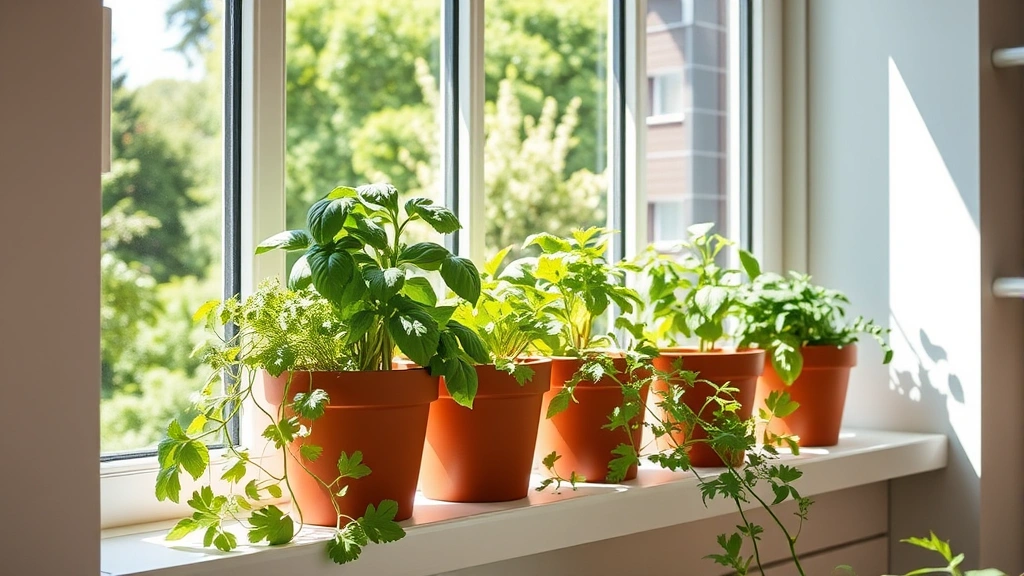
Garden windows are a game-changer for indoor gardeners and plant enthusiasts looking to maximize natural light in their homes. These specialized window structures extend outward from exterior walls, creating a bright, sheltered microclimate perfect for growing plants year-round. Whether you’re cultivating an herb garden on your kitchen sill or nurturing delicate seedlings, understanding how to optimize garden windows can transform your gardening success.
The beauty of garden windows lies in their architectural design—they capture light from multiple angles, including direct sunlight that standard windows miss. This increased light exposure creates ideal conditions for photosynthesis, helping plants thrive and reducing the need for supplemental grow lights. In this comprehensive guide, we’ll explore everything you need to know about garden windows, from installation considerations to plant selection and maintenance strategies that keep your indoor garden flourishing.
Understanding Garden Windows and Their Benefits
Garden windows, also called greenhouse windows or box windows, are three-dimensional window structures that extend 6 to 12 inches beyond your exterior wall. Unlike standard windows that lie flush with walls, garden windows project outward with sloped glass panels on the sides and a slanted roof, creating an enclosed shelf space perfect for plant cultivation. This architectural feature transforms an ordinary window into a functional growing space that captures ambient light throughout the day.
The primary advantage of garden windows is their superior light-gathering capability. The angled glass panels intercept sunlight from morning through afternoon, directing rays onto plants positioned on the interior shelf. This multi-directional light exposure provides 30-50% more illumination than traditional windows, depending on orientation and seasonal sun angles. Plants receiving this enhanced light develop stronger stems, more vibrant foliage, and accelerated growth rates compared to those in standard window conditions.
Beyond light benefits, garden windows offer practical advantages for indoor gardeners. The built-in shelf provides dedicated growing space without consuming valuable windowsill real estate. Many models include ventilation features, allowing you to open side panels for air circulation during warm months. The enclosed design also offers some weather protection and can create a more stable microclimate for temperature-sensitive plants. Additionally, garden windows add architectural interest and curb appeal to your home’s exterior while increasing natural light penetration into interior spaces.
Choosing the Right Location for Maximum Light
Location selection is critical for maximizing the light benefits that garden windows provide. South-facing windows receive the most direct sunlight throughout the day, making them ideal for sun-loving plants and vegetables. In northern climates, a south-facing garden window can provide 6-8 hours of direct sunlight, sufficient for most edible plants and flowering species. If your home doesn’t have good south-facing exposure, east-facing windows offer excellent morning light without the intense afternoon heat that can stress some plants.
West-facing garden windows receive strong afternoon and evening light, which can be beneficial during spring and fall but may cause excessive heat buildup in summer. If you choose a west-facing orientation, plan to provide afternoon shade using sheer curtains during peak summer months to prevent leaf scorch on sensitive plants. North-facing windows provide the least direct sunlight but work well for shade-tolerant plants and can be supplemented with grow lights if needed.
Consider your home’s surrounding environment when selecting location. Trees, buildings, or other structures that cast shadows will reduce available light. Monitor your potential location throughout the day and across seasons to understand light patterns before installation. If possible, choose a location where trees won’t eventually shade the window as they mature. An unobstructed southern or southeastern exposure provides the most consistent, abundant natural light for year-round gardening success.
The kitchen is a popular location for garden windows, especially if you’re growing an herb garden with sage and other culinary plants. Proximity to where you cook makes harvesting convenient and encourages regular use of fresh herbs. However, kitchen heat from cooking and steam from dishwashing can affect humidity levels, so ensure adequate ventilation in your garden window space.
Installation Tips for Optimal Performance
Proper installation is essential for garden windows to function effectively and prevent water infiltration issues. If you’re not experienced with window installation, hire a professional contractor familiar with garden window projects. Improper installation can lead to leaks, energy loss, and structural problems that compromise your home’s integrity.
Before installation, verify that your exterior wall can accommodate a garden window’s weight and projection. Some locations may require additional framing or structural reinforcement. Ensure the installation includes proper flashing and sealant to prevent water from entering where the window meets your home’s exterior wall—this is the most common failure point. High-quality caulking and waterproof membranes are non-negotiable for long-term performance.
Consider the interior shelf installation carefully. The shelf should be level and sturdy enough to support the weight of plants, soil, and water. Many garden windows come with built-in shelves, but aftermarket options allow customization. If you’re adding your own shelf, ensure it’s securely fastened and won’t sag under load. Sloped shelves (angled toward the interior) help direct water toward drainage rather than pooling on the surface.
Ventilation options deserve attention during installation. Side-opening panels improve air circulation and allow you to adjust humidity levels. Ensure these panels operate smoothly and seal properly when closed. Some gardeners add small exhaust fans to garden windows for additional climate control, particularly in humid climates where mold and mildew can develop.
Best Plants for Garden Window Growing
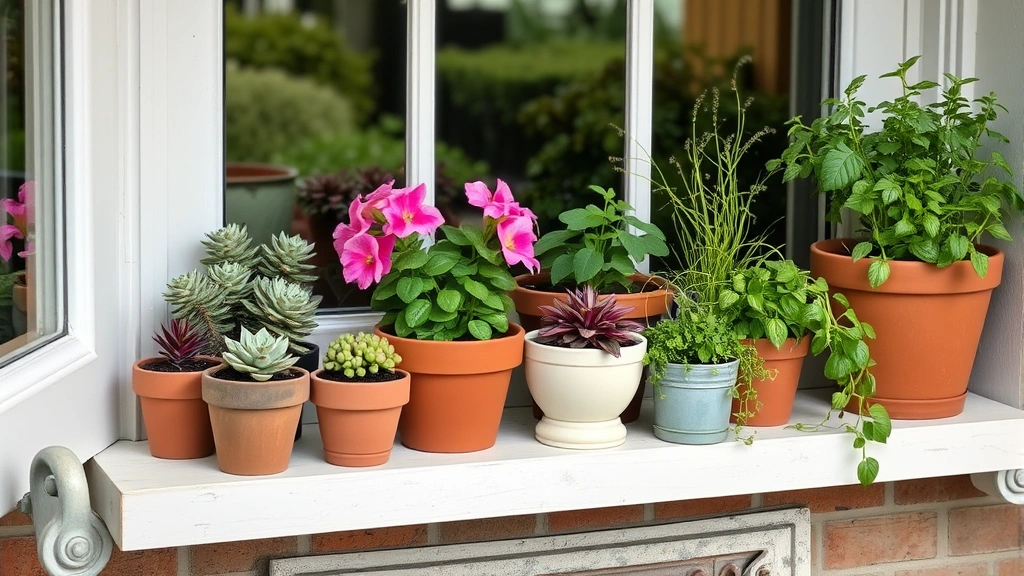
Garden windows excel at growing a diverse range of plants, from culinary herbs to ornamental houseplants. Your herb garden can thrive in this bright environment, with basil, parsley, thyme, and oregano producing abundant foliage for cooking. These Mediterranean herbs love sunlight and will develop stronger flavor compounds when grown in bright conditions. Succulents and cacti flourish in garden windows, appreciating the intense light and good drainage conditions the elevated shelf provides.
Flowering plants like geraniums, begonias, and African violets produce abundant blooms in garden window conditions. Tomatoes and peppers, when started from seed indoors, develop stocky, healthy seedlings in the bright light before transplanting outside. If you’re interested in how to grow pumpkin plants, starting seeds in a garden window gives seedlings excellent light exposure before they’re ready for outdoor soil.
Leafy greens including lettuce, spinach, and kale grow well in garden windows during cooler months. The bright, indirect light during winter months is often sufficient for these cool-season crops. Microgreens and sprouts are perfect garden window crops, requiring minimal space while providing nutritious harvests within weeks.
Avoid placing plants that prefer shade directly in intense afternoon sun. Ferns, begonias, and African violets should be positioned toward the interior where they receive bright, indirect light rather than direct sun exposure. Rotating plants periodically ensures even light exposure and prevents one-sided growth patterns.
Temperature and Humidity Management
Garden windows create a unique microclimate that differs from surrounding room conditions. On sunny days, interior temperatures can rise significantly due to the greenhouse effect created by multiple glass panes. Monitor temperature fluctuations, particularly during spring and fall when outdoor conditions change rapidly. Proper ventilation through side-opening panels helps regulate excessive heat buildup and prevents temperatures from exceeding plant tolerance levels.
Humidity levels in garden windows tend to be higher than surrounding rooms because water evaporates from plant soil and foliage in the enclosed space. While this benefits many plants, excessive humidity can encourage fungal diseases and mold growth. Ensure adequate air circulation by opening ventilation panels on warm days and using small fans if needed. Wipe condensation from glass panels regularly to prevent moisture accumulation.
During winter months, garden windows can become cold spots if not properly insulated. Some models include insulating shutters or cellular shades that help retain heat during night hours. If your garden window lacks insulation features, consider adding thermal curtains to reduce heat loss when temperatures drop significantly. Conversely, during extreme heat, shade cloth or reflective film can reduce temperature spikes that might stress plants.
Water management is critical in garden windows because the enclosed shelf environment traps moisture. Ensure your plants have drainage holes and that excess water can escape from the shelf. Place a tray or mat under pots to catch drainage and prevent water damage to windowsills. When you apply garden fertilizer to container plants, ensure proper watering practices to avoid waterlogging roots in the humid garden window environment.
Seasonal Considerations and Light Variations
Garden window performance varies significantly across seasons due to changing sun angles and day length. During winter, the sun travels lower across the sky, and days are shorter, resulting in reduced light availability. Plants grow more slowly in winter conditions, and supplemental grow lights may be necessary to maintain active growth. However, many gardeners use winter as a resting period for plants, reducing watering and fertilizing accordingly.
Spring brings increasing day length and higher sun angles, creating ideal growing conditions for most plants. This is the perfect time to start seeds indoors in your garden window, giving seedlings excellent light for strong development before outdoor transplanting. Monitor for heat buildup on sunny spring days, as unexpected warm spells can create temperature extremes inside the garden window.
Summer presents challenges in many regions due to intense afternoon heat and extended daylight. South and west-facing garden windows may require shade cloth or sheer curtains during peak summer months to prevent leaf scorch and excessive heat stress. Morning and evening ventilation helps moderate temperatures while maintaining adequate light exposure. Many gardeners shift focus to shade-tolerant plants during summer or relocate sun-loving plants to partially shaded positions within the window.
Fall offers moderate conditions similar to spring, with abundant light and cooler temperatures that most plants enjoy. This is an excellent time to establish plants that will overwinter in your garden window, such as evergreen herbs and cold-hardy houseplants. Gradually acclimate outdoor plants to indoor conditions before bringing them inside for winter protection.

Maintenance and Cleaning Strategies
Regular maintenance keeps your garden window functioning optimally and plants thriving. Clean glass panels inside and outside at least monthly to maximize light transmission. Dust accumulation on glass can reduce light penetration by 10-15%, so frequent cleaning is worthwhile. Use a gentle glass cleaner and soft cloth to avoid scratching the panes. Pay special attention to the sloped roof panels where dust and debris accumulate.
Inspect seals and caulking annually, particularly where the window meets your home’s exterior wall. Cracks or deteriorating sealant allow water infiltration that can cause serious damage. Recaulk gaps as needed using high-quality exterior caulk designed for window applications. Check side-opening panels to ensure they operate smoothly and seal properly when closed.
The interior shelf requires regular cleaning to prevent algae and mold growth. Wipe down the shelf weekly, removing fallen leaves, spilled soil, and water residue. This prevents pest problems and reduces disease development. If you notice mold or mildew on the shelf or glass, increase ventilation and reduce watering frequency to lower humidity levels.
Plant maintenance includes regular pruning, deadheading spent flowers, and removing yellowed or diseased foliage. Rotate plants every 2-3 weeks to ensure even light exposure. Inspect plants regularly for pest infestations, particularly spider mites and whiteflies that thrive in the warm, dry conditions some garden windows create. If you’re growing a community garden project involving garden windows, establish shared maintenance schedules to ensure consistent care.
Consider installing a water collection system or using a garden hose repair kit if you’re adding drip irrigation to your garden window setup. Automated watering systems help maintain consistent moisture levels without daily attention, particularly beneficial during busy seasons or extended travel.
FAQ
What is the ideal size for a garden window?
Most garden windows range from 24 to 48 inches wide and extend 6 to 12 inches from the wall. Choose a size that fits your window opening and available space. Larger windows capture more light but require more shelf space and maintenance. Consider your plants’ mature sizes when selecting dimensions.
Can I install a garden window myself?
Garden window installation involves significant structural work and waterproofing requirements. Unless you have professional carpentry and window installation experience, hiring a licensed contractor is strongly recommended. Improper installation can lead to water damage, energy loss, and structural problems costing far more than professional installation.
How much light do garden windows provide compared to regular windows?
Garden windows typically provide 30-50% more light than standard windows due to their multi-directional glass panels and extended projection. The exact increase depends on orientation, season, and surrounding obstructions. South-facing garden windows in unobstructed locations provide the maximum light benefit.
Are garden windows energy-efficient?
Modern garden windows with insulated glass and proper installation can be reasonably energy-efficient. However, they typically allow more heat transfer than standard windows due to their extended design. Thermal curtains or insulating shutters can improve efficiency during winter months. Consider your climate when evaluating energy impact.
What plants shouldn’t be grown in garden windows?
Shade-loving plants like ferns, African violets, and some begonias may struggle in intense direct sun. Tropical plants requiring high humidity might develop problems if ventilation creates dry conditions. Plants sensitive to temperature fluctuations may stress in garden windows where temperatures swing significantly between sunny days and cool nights.
How often should I water plants in a garden window?
Garden window plants often dry out faster due to increased light and heat exposure. Check soil moisture regularly and water when the top inch feels dry. The exact frequency depends on plant type, season, humidity levels, and your specific garden window conditions. Container plants typically need more frequent watering than plants in garden beds.
Can I use grow lights to supplement garden window light?
Yes, supplemental grow lights are beneficial during winter months or in north-facing garden windows. LED grow lights positioned above plants can extend growing seasons and improve plant development. Use timers to provide 12-16 hours of light daily, mimicking natural daylight hours.


