European Garden Spider: Expert Web Weaving Guide
The European garden spider, scientifically known as Araneus diadematus, stands as one of the most recognizable and beneficial arachnids in temperate gardens worldwide. With their distinctive cream-colored cross marking on the abdomen—resembling a sacred cross or diadem—these spiders have captured human imagination for centuries. Whether you’re a gardener seeking natural pest control or an enthusiast wanting to understand these remarkable creatures better, the European garden spider represents an invaluable ally in maintaining ecological balance within your outdoor spaces.
These orb-weaving spiders are not aggressive toward humans and pose no threat to garden activities. Instead, they actively work to control populations of flies, mosquitoes, aphids, and other garden pests that can damage your plants. Understanding their behavior, life cycle, and web-building techniques can help you create an environment where these helpful hunters thrive, ultimately reducing your need for chemical pesticides and promoting a healthier garden ecosystem.
Identification and Physical Characteristics
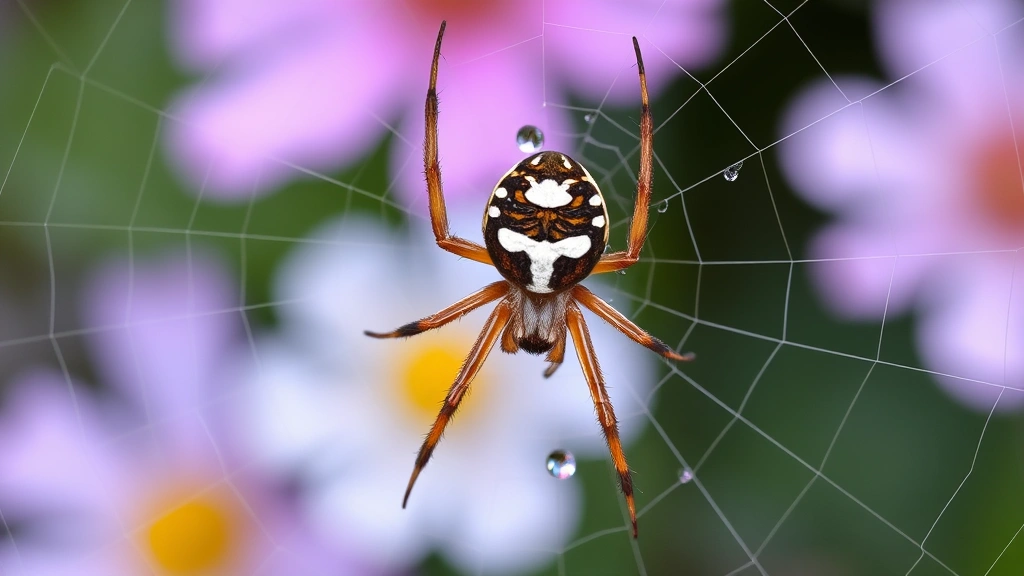
The European garden spider possesses several distinctive features that make identification straightforward for most gardeners. Female spiders, which are significantly larger than males, typically measure between 12-20 millimeters in body length, with leg spans reaching up to 25-30 millimeters. Their robust bodies display a rich coloration ranging from golden-brown to reddish-brown, with some specimens showing variations toward gray or black tones depending on environmental factors and individual genetics.
The most iconic marking is the white or pale cream-colored cross pattern on their abdomens, which gives the species its distinctive appearance and scientific name diadematus—meaning “crowned” or “wearing a diadem.” This cross pattern consists of a vertical band intersected by horizontal bands, creating a characteristic religious or mystical symbol that has made these spiders culturally significant across European traditions. Additionally, the spider’s body is covered in fine hairs that help them sense vibrations in their webs, making them incredibly sensitive to prey movements.
Male European garden spiders are considerably smaller, measuring only 9-11 millimeters in body length, and they feature more slender bodies compared to females. Their leg proportions appear longer relative to their body size, giving them a distinctly different silhouette. This sexual dimorphism is quite pronounced and serves important biological functions related to reproduction and resource allocation within the spider population.
Creating Ideal Habitat Conditions
To attract and support European garden spiders in your garden, you need to understand their habitat preferences and create environmental conditions that encourage them to establish their webs. These spiders thrive in gardens with diverse vegetation, as the varied plant structures provide ideal anchoring points for web construction. Consider gardening with native plants that naturally support local insect populations, which in turn provide abundant food sources for spiders.
European garden spiders prefer locations with moderate shelter and good airflow. They typically establish their webs in corners between plants, along fence lines, or between structural elements like trellises and garden walls. The presence of climbing structures is particularly valuable—climbing roses and other vertical plants create perfect web-anchoring opportunities while also attracting flying insects that spiders hunt.
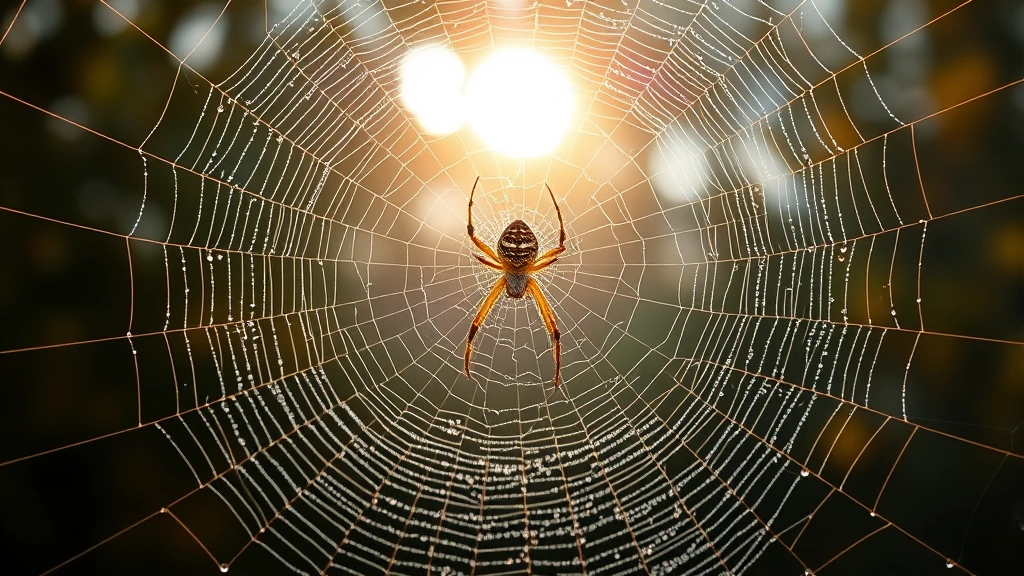
Moisture levels play an important role in spider survival and activity. While they require adequate moisture to prevent desiccation, excessive wetness can damage their webs and reduce hunting efficiency. Maintain a balance by ensuring your garden has good drainage while retaining adequate humidity, particularly during dry summer months. Early morning dew on webs not only helps spiders detect prey vibrations more effectively but also creates the stunning visual displays many gardeners enjoy.
Lighting conditions significantly influence spider behavior and web placement. European garden spiders prefer areas with partial shade and indirect light, as these conditions optimize their hunting success. The backlighting that occurs during early morning or late afternoon hours helps make webs visible to prey insects while providing optimal hunting conditions. Avoid placing bright artificial lights directly on areas where you want spiders to establish webs, as excessive light can deter them and confuse their prey detection mechanisms.
Web Weaving and Architecture
The orb webs constructed by European garden spiders represent masterpieces of natural engineering, combining mathematical precision with remarkable functional efficiency. These webs typically measure between 40-60 centimeters in diameter, though larger specimens may construct webs exceeding one meter across. The construction process follows a highly organized sequence that takes approximately 30-60 minutes to complete, depending on web size and environmental conditions.
Web construction begins with the establishment of a framework, where the spider produces and positions radial threads that extend from the center point outward. The spider carefully tests each thread’s tension and alignment, making adjustments as needed to ensure symmetrical distribution. This framework typically consists of 20-30 radial threads arranged at roughly equal angles, creating the essential structural support for the entire web.
Once the radial framework is established, the spider begins constructing the spiral threads that run perpendicular to the radii. The spiral construction progresses from the outer edges toward the center, with the spider spacing each spiral loop with remarkable precision. A mature web contains approximately 400-600 spiral segments, each positioned at intervals of 2-3 millimeters. This precise spacing is critical—too wide, and prey insects escape; too narrow, and the web becomes too heavy and inefficient.
The silk itself represents a remarkable biological material, stronger than steel of equivalent thickness and far more elastic than most synthetic fibers. European garden spiders produce several types of silk with different properties: structural silks for the radii and framework, and sticky silks for the prey-catching spirals. The spider’s body produces these different silk types through specialized glands, and the spider “knows” instinctively which type to use at each stage of construction.
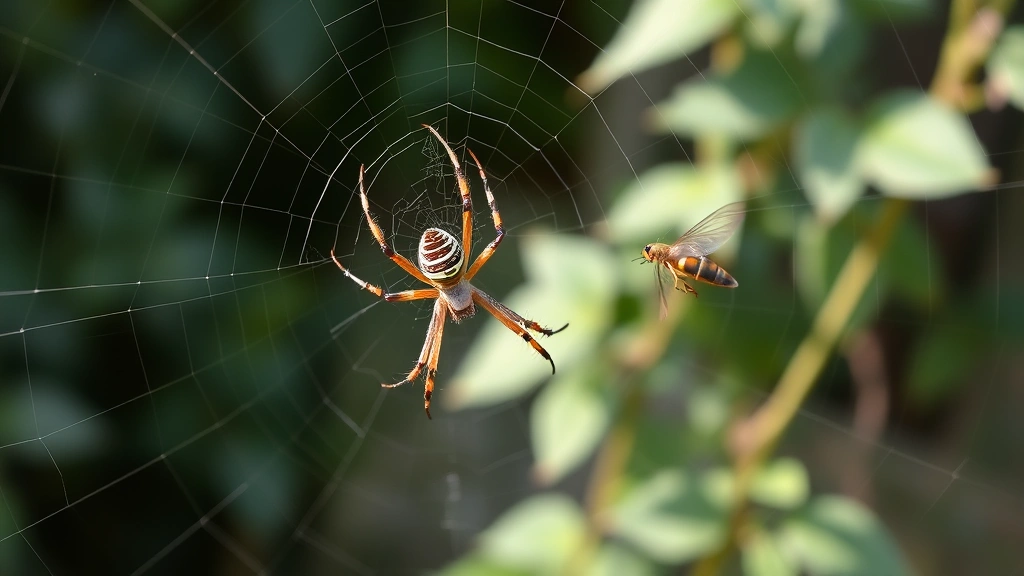
Interestingly, European garden spiders do not walk on the sticky spiral portions of their webs. Instead, they remain positioned at the web’s center or along specific radial threads, maintaining connection to the web through a special sensory thread called the signal thread. When prey strikes the web, vibrations travel through the silk directly to the spider, allowing it to locate and capture the prey with remarkable speed and accuracy.
Life Cycle and Seasonal Patterns
Understanding the European garden spider’s life cycle helps gardeners anticipate their presence throughout the year and optimize conditions for their survival. These spiders are predominantly fall-active, with their most visible presence occurring from late August through October. This seasonal timing coincides with increased insect activity in autumn and the spider’s reproductive cycle.
Spiders spend the spring and early summer as juveniles, gradually growing through multiple molts called instars. During this period, they remain relatively inconspicuous, occupying small webs in sheltered locations. As day length decreases in late summer and temperatures begin to cool, the spiders experience hormonal changes that trigger accelerated growth and increased feeding activity. This preparation period ensures they reach full maturity and optimal body condition before the brief autumn mating season.
Mating occurs in September and October, with males actively searching for females to mate with. Males locate females by detecting pheromones released by females and by searching through vegetation where females typically establish their webs. The mating process involves careful courtship behaviors, as males must signal their intentions clearly to avoid being perceived as prey. After successful mating, females begin producing eggs immediately and spend their remaining energy on web construction and feeding to build reserves for egg production.
In late autumn, females construct a special silk structure called an egg sac or cocoon, where they deposit hundreds of fertilized eggs. This protective structure is typically placed in sheltered locations such as under eaves, within crevices in walls, or on protected vegetation. The female guards her egg sac fiercely until her death, which typically occurs with the first hard frost. The eggs remain dormant throughout winter, protected by the silk cocoon’s insulating properties, and hatch in spring when temperatures warm.
Newly hatched spiders, called spiderlings, remain within the egg sac for several weeks before dispersing. They escape the cocoon by chewing through the silk and then perform a behavior called “ballooning,” where they produce silk threads and allow wind currents to carry them away to new locations. This dispersal mechanism allows spiders to colonize new garden areas and establish populations across wider territories.
Natural Pest Control Benefits
European garden spiders provide exceptional natural pest control services, consuming thousands of insects throughout their active season. A single spider can capture and consume 10-15 insects daily during peak hunting season, with larger females sometimes exceeding this amount. Over an entire autumn season, a single spider may consume 100-200 insects, representing significant reduction in garden pest populations.
The insects captured by European garden spiders include many species that damage gardens and landscapes. Flies, particularly those that transmit diseases or damage plants, constitute a major portion of spider diet. Mosquitoes, which are not only garden nuisances but also disease vectors, are actively hunted by spiders. Small moths, aphids, and other soft-bodied insects that damage plant foliage are also regularly captured in spider webs.
The presence of these spiders reduces the need for chemical pesticides, which can harm beneficial insects and disrupt garden ecosystems. By maintaining healthy spider populations, you create a self-regulating system where pest populations remain controlled through natural predation rather than chemical intervention. This approach aligns perfectly with sustainable gardening principles and creates healthier, more resilient gardens.
Additionally, spiders serve as food sources for birds, reptiles, and other predatory animals, supporting broader food web dynamics. By supporting spider populations, you’re strengthening the entire ecological pyramid, creating gardens that support diverse wildlife and maintain natural balance. This is particularly important if you’re interested in building raised garden beds designed to support diverse plant and animal communities.
Safe Coexistence in Your Garden
Many gardeners initially feel apprehensive about spiders, but European garden spiders are entirely harmless to humans. They do not bite unless handled roughly or threatened directly, and their fangs are too small to penetrate human skin. In fact, spiders are far more interested in escaping human contact than engaging with humans, making them ideal garden companions.
To encourage spiders to thrive in your garden, avoid using broad-spectrum insecticides and pesticides. These chemicals eliminate the insects that spiders depend upon for food, causing spider populations to decline. If you must use pest control measures, choose targeted approaches that affect specific pest species while minimizing harm to beneficial insects. Many university extension services provide guidance on integrated pest management approaches that support natural predators like spiders.
Create additional shelter for spiders by maintaining areas of undisturbed vegetation and providing structures where they can safely establish webs. Log piles, brush shelters, and dense shrubs provide overwintering sites where spiders can survive cold winters. If you enjoy decorative gardening elements, consider fairy garden ideas that incorporate natural structures where spiders can establish homes.
Avoid disturbing webs unnecessarily, as spider reconstruction requires significant energy expenditure. When you must clean areas where spiders have established webs, do so gently and try to preserve the spiders by relocating them to nearby suitable habitat. Many experienced gardeners intentionally preserve spider webs, recognizing their aesthetic beauty and functional value. The morning dew that clings to webs creates spectacular visual displays that add to garden beauty while the spider continues its pest control work.
During autumn, when spiders are most visible and active, resist the urge to remove them or their webs. This is their crucial feeding and reproductive season, and your garden can easily support multiple spiders without any negative impact on your plants or activities. In fact, most gardeners find that the presence of these spiders enhances their garden experience by supporting ecological balance and providing interesting opportunities for observation and photography.
Water management deserves special attention when supporting spider populations. While maintaining appropriate moisture levels, ensure that irrigation systems don’t directly spray webs, as this can damage them or wash away prey. Drip irrigation systems or soaker hoses that deliver water directly to plant roots are ideal choices. Hand watering with a gentle mist in early morning hours provides necessary moisture while allowing webs to dry before peak hunting hours.
Seasonal garden maintenance practices should be adapted to support spider populations. Rather than completely clearing away all dead plant material in autumn, leave some protected areas undisturbed where egg sacs can be safely placed. These areas provide crucial habitat for overwintering eggs. In spring, delay removing dead vegetation until after spiderlings have dispersed, ensuring they have adequate shelter during this vulnerable life stage.
Consider how your overall garden design influences spider populations. Gardens with diverse plant heights, structures, and species support more spiders than monoculture plantings or areas with minimal vegetation. If you’re developing a comprehensive garden plan, remember that incorporating even indoor herb garden practices can extend your growing season and provide additional insect habitat that supports spiders and other beneficial predators.
FAQ
Are European garden spiders dangerous to humans?
No, European garden spiders are completely harmless to humans. They are non-aggressive and their fangs are too small to penetrate human skin. They only bite if severely threatened or roughly handled, which is extremely rare. These spiders are far more beneficial than dangerous, providing valuable natural pest control services.
When is the best time to observe European garden spiders?
The best time to observe these spiders is from late August through October when they are most active and visible. This is their reproductive season, and they construct the largest and most noticeable webs during this period. Early mornings when dew covers webs provide the most spectacular viewing opportunities.
How can I attract European garden spiders to my garden?
Attract spiders by maintaining diverse vegetation, avoiding pesticides, providing suitable web-anchoring structures, and ensuring adequate moisture. Native plants that support insect populations are particularly valuable, as they provide both habitat and food sources. Avoid unnecessary disturbance of webs and established spider territories.
What should I do if I find a spider in my home?
If a European garden spider accidentally enters your home, simply capture it gently using a cup and paper, then release it outside where it can return to its natural habitat. These spiders prefer outdoor environments and will be far more comfortable outside your home.
How many insects does a European garden spider eat?
A single European garden spider typically captures 10-15 insects daily during peak season, potentially consuming 100-200 insects throughout an entire autumn season. This makes them invaluable for natural pest control in gardens and landscapes.
Do European garden spiders migrate?
European garden spiders do not migrate in the traditional sense. Instead, they complete their life cycle within a relatively small geographic area. Spiderlings disperse by ballooning, allowing them to colonize new areas, but adult spiders remain in established territories throughout their lives.


