
Designing a Saigon Garden: Expert Tips for Tropical Vietnamese Gardening
Creating a thriving Saigon garden requires understanding the unique tropical climate, monsoon patterns, and soil conditions specific to Ho Chi Minh City and surrounding regions. Whether you’re an expatriate establishing roots in Vietnam or a local gardener looking to optimize your outdoor space, designing a Saigon garden demands knowledge of heat-tolerant plants, humidity management, and water conservation techniques that work in one of Southeast Asia’s most challenging growing environments.
A successful Saigon garden balances aesthetic appeal with practical functionality. The intense heat, high humidity, and seasonal flooding present both obstacles and opportunities for creative landscape design. By incorporating native Vietnamese plants, strategic hardscaping, and intelligent irrigation systems, you can create a beautiful outdoor sanctuary that thrives year-round despite the tropical climate’s demands.
Understanding Saigon’s Tropical Climate
Saigon experiences a tropical monsoon climate with two distinct seasons: the hot and wet southwest monsoon (May to September) and the cooler, drier northeast monsoon (October to April). Temperatures remain consistently warm year-round, typically ranging from 24°C to 35°C (75°F to 95°F), with humidity levels frequently exceeding 80 percent. Understanding these patterns is fundamental to designing a Saigon garden that can withstand environmental stress.
The southwest monsoon brings heavy rainfall and potential flooding, making drainage one of your primary design considerations. Many gardens in Saigon struggle with waterlogging during peak monsoon season, which can lead to root rot and fungal diseases. Conversely, the dry season presents challenges with water scarcity and intense solar radiation that can stress plants lacking proper shade structures.
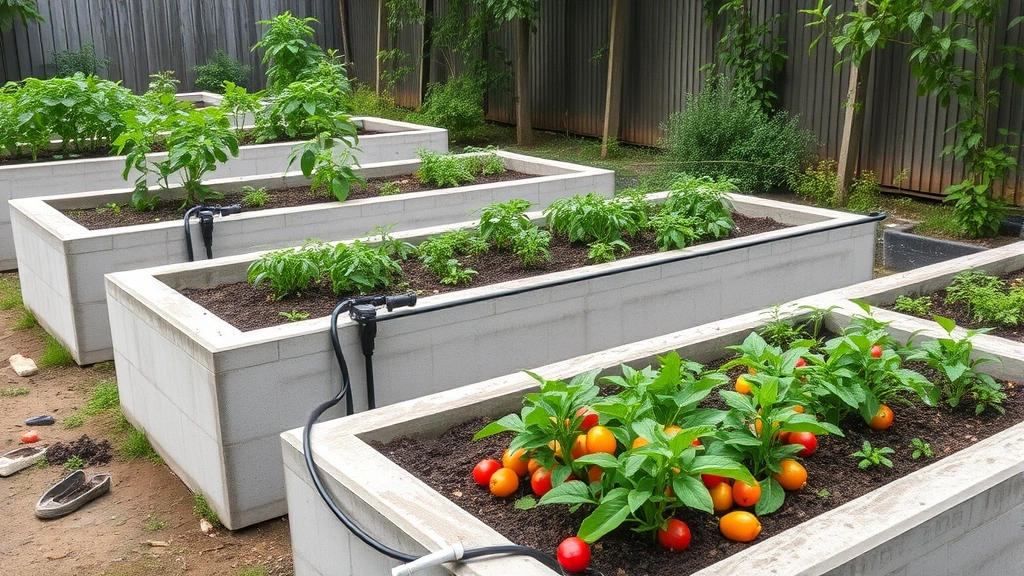
Building raised concrete block garden beds offers excellent solutions for managing both flooding and drainage issues. Elevated beds allow excess water to drain away during monsoon season while providing better soil control and easier access for maintenance. The concrete blocks also retain heat, which can be beneficial during cooler months.
Best Plants for Saigon Gardens
Selecting appropriate plants is crucial for a low-maintenance, thriving Saigon garden. Native and adapted species perform significantly better than temperate-climate plants that struggle in intense heat and humidity. Focus on plants with deep root systems, waxy or silvery foliage, and natural disease resistance to fungal infections common in humid tropical environments.
Ornamental Trees and Shrubs
Flame trees (Delonix regia) are iconic in Saigon gardens, producing brilliant red-orange flowers during dry season. Frangipani (Plumeria) varieties thrive in full sun and offer fragrant blooms in white, pink, yellow, and red. Bougainvillea provides dramatic color and requires minimal water once established. Ixora, with its clustered flowers in red, orange, pink, or white, attracts butterflies and tolerates heat exceptionally well.
Coconut palms, date palms, and areca palms add tropical character while handling Saigon’s climate perfectly. Bamboo species offer privacy screening and create natural windbreaks, though you should select clumping varieties rather than running types to prevent invasive spread. Acacia and Albizia trees provide dappled shade, reducing ground-level temperatures by several degrees.
Flowering Plants and Groundcovers
Marigolds, zinnias, and celosia bloom prolifically in tropical heat. Lantana produces colorful flower clusters and attracts pollinators while tolerating drought. Portulaca (moss rose) thrives in poor soil and intense sun, making it ideal for difficult corners. Impatiens and begonias perform well in shaded areas where direct sunlight is limited.
For groundcovers, consider creeping fig, sweet potato vine, or asiatic jasmine. These prevent soil erosion during heavy monsoons while reducing water evaporation from bare soil. A living groundcover also moderates soil temperature and provides habitat for beneficial insects.
Vegetable and Herb Gardening
Saigon’s climate supports year-round vegetable production with proper variety selection. Hot peppers, eggplant, okra, and bitter melon thrive in heat. Leafy greens like water spinach (morning glory), amaranth, and basil grow quickly during both seasons. Consider developing an herb garden planter with Vietnamese staples like Thai basil, cilantro, and mint. Herbs prefer afternoon shade in Saigon, as intense midday sun can scorch tender leaves.
Tomatoes perform best during the dry season (November to February) when humidity is lower and disease pressure decreases. Cucumbers and melons grow vigorously during warm months. Root vegetables like carrots and radishes prefer cooler months and well-draining soil amended with organic matter.
Hardscaping and Structural Elements
Hardscaping—the non-plant elements of your garden—plays a critical role in Saigon garden design. Proper hardscaping manages water flow, creates functional spaces, and provides aesthetic structure during monsoon season when plants may appear less vibrant.
Drainage and Water Management Infrastructure
Garden wall retaining structures must incorporate drainage channels and weep holes to prevent hydrostatic pressure buildup during heavy rainfall. French drains, gravel-lined trenches, and permeable paving allow water to percolate through soil rather than pooling on surfaces. Sloped pathways direct water away from plant beds and building foundations.
Swales—shallow, vegetated ditches—manage stormwater naturally while adding landscape interest. Plant them with water-tolerant species like papyrus, water iris, or native sedges. These features reduce flooding while creating microhabitats for pollinators and other beneficial wildlife.
Shade Structures and Pergolas
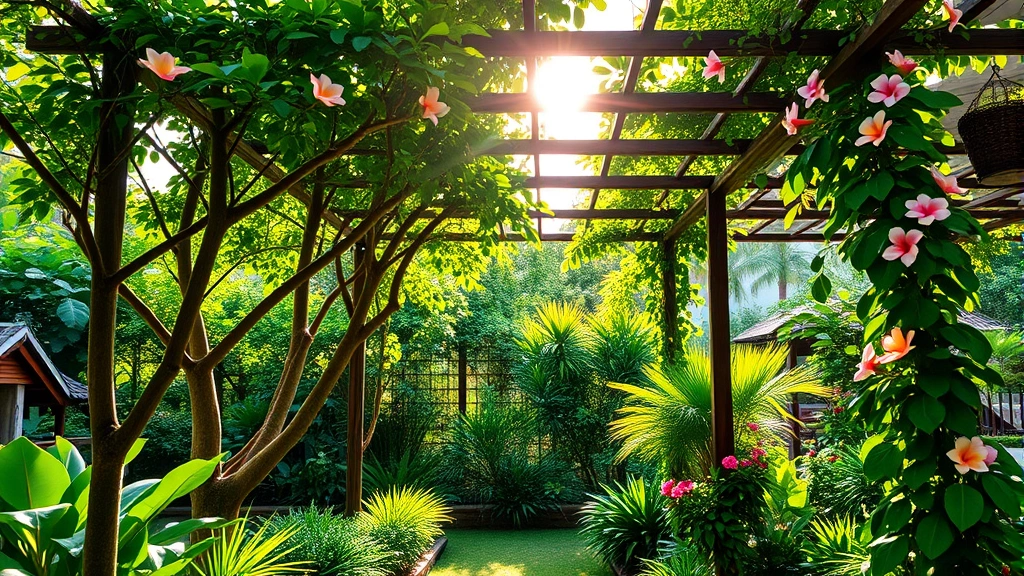
Shade is essential in Saigon gardens. Pergolas covered with climbing vines like bougainvillea, passion fruit, or jasmine reduce ground-level temperatures by 8-15 degrees Celsius. These structures also create inviting outdoor living spaces during dry season. Ensure adequate spacing between beams to allow air circulation while maintaining shade coverage.
Living walls and vertical gardens maximize space while improving microclimate. Climbing plants on trellises provide insulation, reducing heat absorption by adjacent structures. This passive cooling technique is particularly valuable in dense urban Saigon neighborhoods.
Pathways and Paving
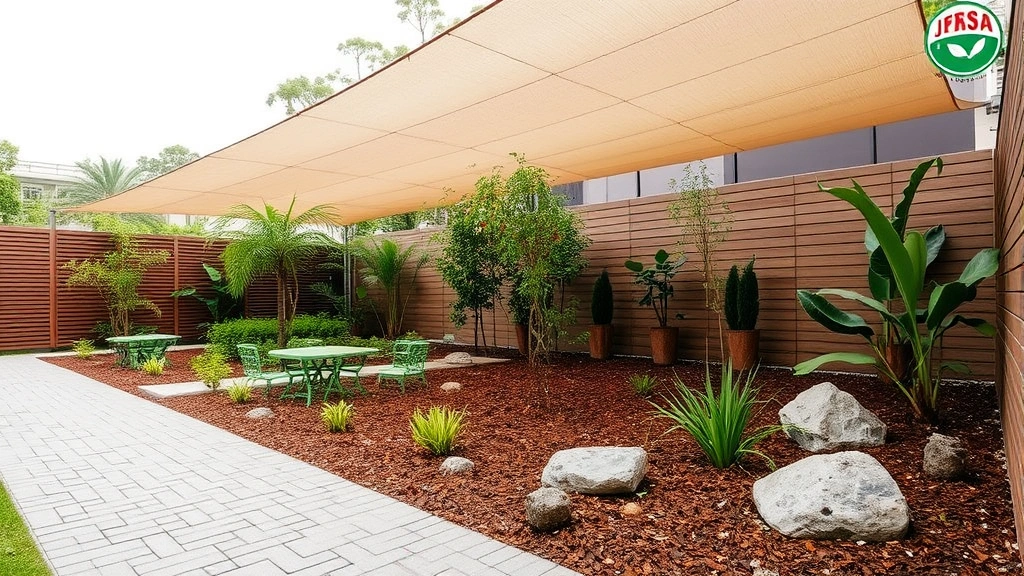
Use permeable paving materials like gravel, decomposed granite, or permeable pavers rather than solid concrete, which increases surface temperature and prevents water infiltration. Mulched pathways made from wood chips or bark provide excellent drainage while creating a natural aesthetic. Light-colored paving reflects heat, keeping surrounding areas cooler.
Consider installing a garden shed plans for tool storage and seasonal protection of tender plants during extreme weather. Sheds with proper ventilation prevent moisture accumulation and fungal issues during humid months.
Water Management Systems
Efficient water management is fundamental to sustainable Saigon gardening. Despite abundant monsoon rainfall, the dry season creates water scarcity, making conservation strategies essential.
Rainwater Harvesting
Capture monsoon rainfall in underground cisterns or above-ground tanks for dry season use. A 100-square-meter roof can collect approximately 100,000 liters of water annually in Saigon. Install first-flush diverters to remove contaminated initial rainfall, then filter water through screens and sand filters before storage.
Use harvested rainwater for irrigation rather than potable water, significantly reducing household water consumption. Even modest collection systems (5,000-10,000 liters) provide substantial dry-season supplemental irrigation capacity.
Irrigation Systems
Drip irrigation delivers water directly to plant roots, reducing evaporation losses by 50 percent compared to overhead watering. In Saigon’s heat and humidity, drip systems prevent fungal diseases by keeping foliage dry. Timer-controlled drip lines allow early-morning irrigation before intense heat begins.
Mulching heavily around plants—3-5 inches of wood chips or bark—reduces soil water evaporation, maintains cooler root temperatures, and suppresses weeds that compete for moisture. Organic mulch gradually decomposes, improving soil structure and water-holding capacity.
Soil Amendments
Saigon’s soil is often acidic and heavy with clay. Incorporate 3-4 inches of compost annually to improve drainage and increase organic matter. Organic matter acts like a sponge, holding water during dry periods while improving aeration during wet periods. This balance is crucial for preventing both drought stress and waterlogging.
Seasonal Garden Maintenance
Saigon gardening requires seasonal adjustments to planting, pruning, and pest management strategies.
Dry Season (October to April)
The dry season is ideal for planting new trees, shrubs, and vegetables. Cooler temperatures and lower humidity reduce transplant shock and fungal disease pressure. Focus on planting heat-tolerant species that will establish during this favorable window. Prune deciduous trees and flowering shrubs during dry season to encourage vigorous growth in spring.
Increase irrigation frequency as dry season progresses. Monitor soil moisture regularly—water when the top 2 inches feel dry. Early morning watering allows plants to absorb moisture before midday heat stress. Provide afternoon shade for tender seedlings using shade cloth (30-50 percent shade).
Wet Season (May to September)
During monsoon season, reduce supplemental irrigation as rainfall typically provides adequate moisture. Instead, focus on drainage management and disease prevention. Improve air circulation by pruning lower branches and thinning dense foliage. This reduces fungal disease incidence in high-humidity conditions.
Monitor for pests and diseases more frequently. Inspect leaf undersides for spider mites, scale insects, and aphids. Use organic pest management methods—neem oil, insecticidal soap, and beneficial insects—rather than chemical pesticides that can harm beneficial pollinators.
Deadhead spent flowers regularly to encourage continued blooming and reduce disease spore production. Remove fallen leaves and plant debris promptly, as these create ideal conditions for fungal and bacterial diseases.
Pest and Disease Management
High humidity promotes fungal diseases like powdery mildew, leaf spot, and root rot. Prevent these by ensuring adequate plant spacing, avoiding overhead watering, and maintaining good garden sanitation. If fungal issues appear, apply sulfur-based fungicides or neem oil according to product directions.
Common pests in Saigon gardens include spider mites, whiteflies, and scale insects. Encourage natural predators like ladybugs and parasitic wasps by planting nectar-rich flowers. Hand-pick large pests when populations are low. Insecticidal soaps effectively control soft-bodied insects without harming beneficial species.
For comprehensive pest management guidance, consult Garden Answers YouTube channel, which offers visual demonstrations of pest identification and organic control methods applicable to tropical gardening.
FAQ
What’s the best time to plant trees in a Saigon garden?
Plant trees during the dry season (October to April) when temperatures are cooler and humidity is lower. This allows trees to establish strong root systems before hot, wet weather arrives. Water newly planted trees deeply every 2-3 days during the first month, then gradually reduce frequency as they establish.
How often should I water my Saigon garden during dry season?
Water frequency depends on plant type, soil composition, and mulch coverage. Most ornamental plants need deep watering 2-3 times weekly during dry season. Vegetables and herbs may require daily watering. Always water early morning or late evening to minimize evaporation and heat stress. Check soil moisture before watering—most plants prefer slightly moist rather than waterlogged conditions.
Which vegetables grow best year-round in Saigon?
Water spinach, amaranth, basil, and hot peppers thrive year-round. Leafy greens prefer cooler dry-season months. Tomatoes, cucumbers, and squash perform best November through March. Root vegetables and legumes also prefer cooler dry season temperatures. Plan your vegetable garden rotation around seasonal preferences for optimal yields.
How can I prevent flooding damage to my garden beds?
Build raised concrete block garden beds elevated 12-18 inches above grade level. Install french drains around low-lying areas. Use swales to redirect water flow away from plant beds. Ensure pathways and hardscaping slope away from planting areas. Consider underground cisterns to capture excess moisture during peak monsoon season.
What shade cloth percentage should I use in Saigon?
Use 30-50 percent shade cloth depending on plant requirements. Tender seedlings and leafy greens prefer 50 percent shade, while heat-loving herbs and vegetables benefit from 30 percent shade. Adjust shade cloth seasonally—provide maximum shade during peak dry season (March-April) and reduce shade during cooler months to maximize light availability.
How do I improve heavy clay soil in Saigon gardens?
Amend soil annually with 3-4 inches of well-composted organic matter. Incorporate coconut coir, aged manure, and peat moss to improve drainage and water-holding capacity. Create raised beds filled with quality potting soil rather than amending existing clay extensively. Avoid working soil when wet, as this compacts clay and destroys soil structure.