Create a Rainbow Garden? Expert Advice Inside
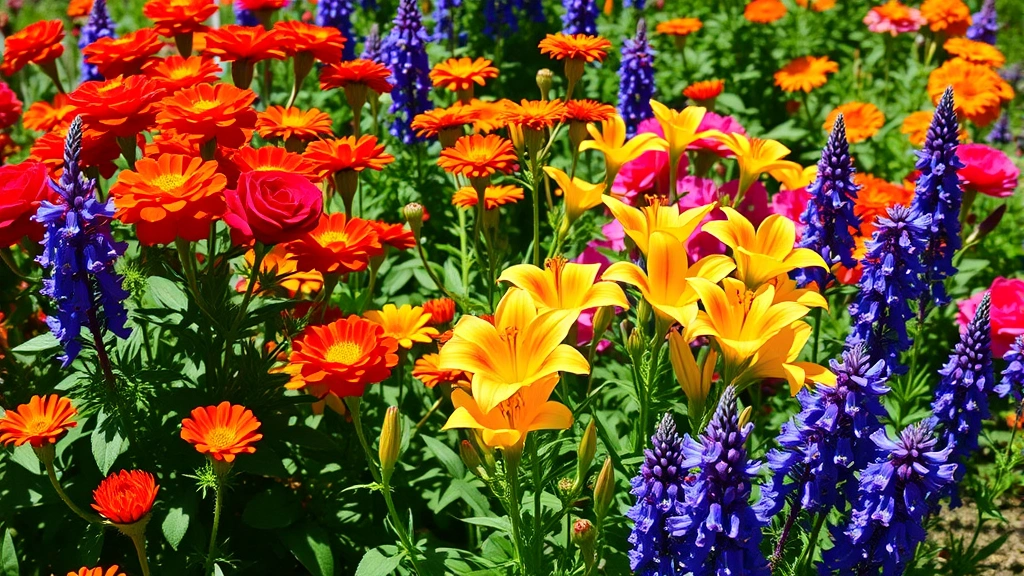
Imagine stepping into your garden and being greeted by a breathtaking spectrum of colors that shifts with the seasons. A rainbow garden transforms your outdoor space into a living canvas, where vibrant hues blend harmoniously to create visual interest and emotional joy. Whether you’re a seasoned gardener or just beginning your gardening journey, designing a rainbow garden is an achievable goal that brings tremendous satisfaction and curb appeal.
The beauty of a rainbow garden lies in its versatility. You can incorporate blooming flowers, colorful foliage plants, ornamental vegetables, and even flowering shrubs to create a dynamic display throughout the year. The key is understanding color theory, seasonal timing, and plant selection to ensure your garden maintains its vibrant appearance from spring through fall.
This comprehensive guide will walk you through the expert strategies and practical tips needed to design, plant, and maintain a stunning rainbow garden that becomes the envy of your neighborhood.
Understanding Color Theory in Garden Design
Before you plant a single flower, understanding color theory is essential for creating a cohesive and visually appealing rainbow garden. The color wheel is your best friend when designing any garden space. Colors opposite each other on the wheel—called complementary colors—create striking contrasts and high visual impact. For example, blue flowers next to orange blooms create dramatic tension that catches the eye.
Analogous colors, which sit next to each other on the color wheel, create harmonious and peaceful combinations. A garden featuring shades of red, orange, and yellow creates a warm, energetic atmosphere perfect for entertaining spaces. Conversely, blues, purples, and greens produce a cool, calming environment ideal for relaxation areas.
Consider also the concept of warm and cool colors. Warm colors—reds, oranges, yellows—appear to advance toward the viewer, making spaces feel cozier and more intimate. Cool colors—blues, purples, greens—seem to recede, making small gardens appear larger. You can strategically use this principle to enhance your garden’s perceived dimensions.
Saturation and value matter too. Bright, saturated colors demand attention and work best as focal points or accent plants. Softer, muted tones provide background support and prevent color fatigue. A successful rainbow garden balances bold statement plants with subtle supporting players, creating depth and visual interest without overwhelming the senses.
Planning Your Rainbow Garden Layout
Successful rainbow gardens begin with thoughtful planning. Start by assessing your garden space—measure the area, note sun exposure patterns throughout the day, and identify soil conditions. Different plants require different light levels, so mapping this information prevents disappointing results later.
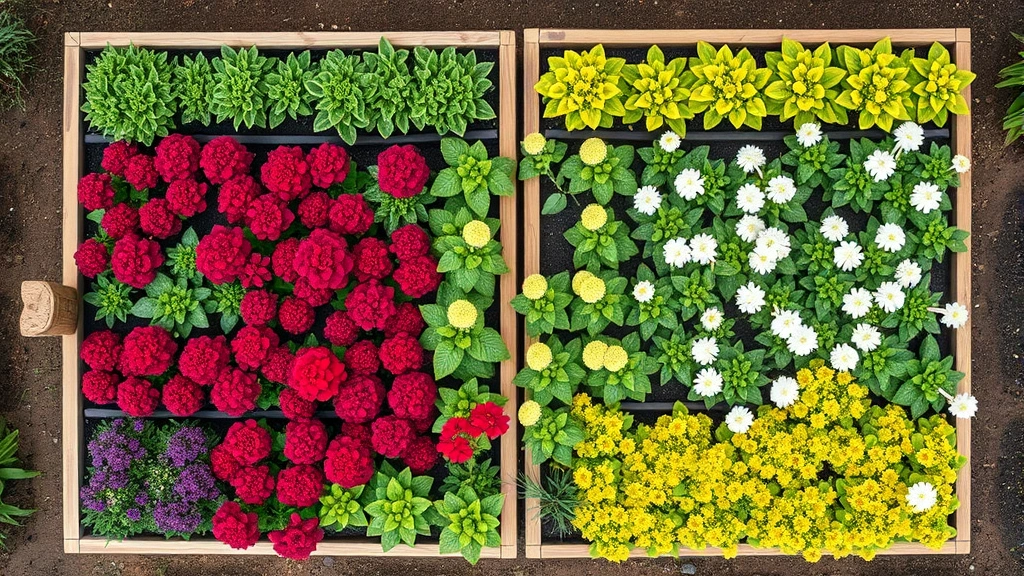
Consider using raised bed gardening for better control over soil quality and drainage, especially if your native soil is problematic. Raised beds also make it easier to create distinct color zones and maintain your plants throughout the growing season.
Sketch your garden design on paper before purchasing plants. Arrange colors in patterns that appeal to you—some gardeners prefer a gradient effect where colors transition smoothly from one to another, while others prefer scattered blocks of color for a cottage garden aesthetic. There’s no single “correct” approach; choose what resonates with your personal style.
Think vertically as well. Incorporating vertical garden elements allows you to maximize color in smaller spaces. Climbing roses, clematis, and flowering vines add height and create living walls of color that draw the eye upward.
Don’t forget about hardscaping elements. Pathways, edging, and mulch colors influence the overall aesthetic. Light-colored mulch makes surrounding plants pop, while dark mulch creates sophisticated contrast. Neutral-toned pathways allow your plants to shine without competing for attention.
Red and Pink Plants for Bold Impact
Red plants command attention and create powerful focal points in any rainbow garden. These bold hues symbolize passion and energy, making them perfect for front gardens or entertaining areas where you want to make an impression.
Classic red flowering plants include:
- Roses — The quintessential red flower, available in countless varieties for different climates. Consider climbing roses for vertical interest.
- Peonies — Long-lived perennials with lush, full blooms that persist for decades
- Tulips — Spring bulbs offering vibrant reds in early season
- Dahlias — Summer bloomers with dramatic, architectural flower forms
- Zinnias — Annual flowers that bloom prolifically until frost
- Bee balm — Aromatic perennials attracting pollinators while adding color
Pink offers a softer alternative to red while maintaining visual impact. Pale pink plants like astilbe and coral bells provide delicate color without overwhelming adjacent plantings. Hot pink varieties of phlox and petunias create cheerful, modern effects.
For foliage interest, consider plants with red or burgundy leaves. Japanese maples, purple-leafed heuchera, and red-tinged coleus provide ongoing color even when not in bloom. These plants extend your red-zone interest throughout the entire growing season.
Orange and Yellow for Warmth
Orange and yellow plants bring warmth and cheerfulness to any rainbow garden. These sunny hues naturally complement the landscape and create welcoming, energetic spaces. Yellow is particularly valuable as it brightens shaded corners and creates the illusion of sunlight even on cloudy days.
Top orange and yellow plants for gardens:
- Marigolds — Reliable annuals with continuous blooms and pest-repelling properties
- Sunflowers — Bold, cheerful giants that add instant personality and height
- Daylilies — Tough perennials available in numerous orange and yellow varieties
- Coreopsis — Drought-tolerant perennials with delicate, abundant blooms
- Calendula — Edible flowers that add color and culinary value
- Rudbeckia (Black-eyed Susan) — Native wildflowers with golden petals and dark centers
Don’t overlook ornamental vegetables for your orange and yellow zones. Incorporate pumpkins and squash plants for late-season interest, or grow colorful lettuce varieties with golden or bronze-tinged leaves in your edible rainbow sections.
Golden foliage plants like Spiranthes japonica ‘Aureola’ and golden hostas provide year-round warm tones. These plants are particularly valuable in spring when few other plants are blooming, extending your yellow color season considerably.
Blue and Purple for Elegance
Blue flowers are surprisingly rare in nature, making them precious additions to rainbow gardens. These cool, elegant tones create sophisticated color schemes and provide visual rest from warmer colors. Purple offers versatility, ranging from deep, regal shades to soft lavender tones.
Essential blue and purple plants:
- Delphiniums — Tall spires of true blue flowers creating dramatic vertical lines
- Hydrangeas — Large, showy blooms available in blue and purple varieties
- Lavender — Fragrant perennials with purple spikes and silvery foliage
- Salvia — Diverse genus offering various shades of blue and purple
- Iris — Classic perennials with elegant blooms in multiple blue and purple tones
- Agapanthus — Ball-shaped clusters of blue flowers on tall stems
- Veronica — Reliable perennials with vertical flower spikes
Blue foliage plants add sophisticated texture to your blue zones. Dusty blue hostas, blue fescue grasses, and blue spruce provide cool-toned background plantings that make other colors pop. These plants maintain their color throughout the season, providing consistent visual interest even between blooming periods.
Purple-leafed plants like purple smoke bush and purple-tinged ornamental kale bridge the gap between your red and blue zones beautifully. These plants create natural color transitions that make your rainbow garden feel cohesive rather than chaotic.
White and Silver Plants for Balance
White and silver plants are the unsung heroes of rainbow gardens. These neutral tones provide visual rest, separate clashing colors, and create a sense of space and airiness. White flowers reflect light, making gardens appear larger and brighter, particularly valuable in small spaces or shaded areas.
Valuable white and silver plants include:
- Hydrangeas — Classic white blooms that brighten shaded corners
- Peonies — Long-lived perennials with elegant white flowers
- Roses — White varieties provide elegance and romance
- Gaura — Airy, delicate flowers that seem to float above foliage
- Dusty Miller — Silvery foliage plant providing soft, neutral tones
- Artemisia — Aromatic plants with feathery silver foliage
- White Astilbe — Feathery plumes adding texture and light
Silver-leafed plants deserve special attention in rainbow gardens. Their cool, neutral tones complement every color without competing for attention. Plant them strategically between contrasting colors to create smooth transitions and prevent color shock. A border of silvery lamb’s ear between hot pink and orange plants, for example, provides necessary visual breathing room.
White evening primrose and white-flowering jasmine are particularly valuable because they seem to glow in twilight hours, extending your garden’s visual appeal into evening. These plants create magical nighttime effects that surprise and delight evening visitors.
Seasonal Succession Planning
A truly stunning rainbow garden maintains color from early spring through late fall. This requires strategic planning to ensure different plants peak at different times, creating a continuously evolving display.
Spring color strategy: Start with spring bulbs—tulips, daffodils, crocuses, and hyacinths—which provide early-season color before perennials fully emerge. Include early-blooming perennials like hellebores and bleeding heart. Ornamental grasses provide structural interest and soft yellow-green tones.
Summer abundance: Summer is peak bloom season for most plants. Layer various perennials, annuals, and tender shrubs to ensure continuous color. Plant annuals between slower-starting perennials to fill gaps. Deadhead spent flowers regularly to encourage additional blooming throughout summer.
Fall transitions: As summer bloomers fade, shift focus to late-season bloomers like asters, mums, and sedum. Incorporate ornamental grasses that develop rich golden and bronze tones. Seed heads of coneflowers and black-eyed Susans provide architectural interest and food for birds.
Winter interest: Even in winter, your rainbow garden can maintain appeal through evergreen foliage, colorful bark, persistent seed heads, and structural elements. Red-twig dogwood, variegated evergreens, and ornamental grasses create winter color and movement.
Create a planting calendar documenting when each plant blooms. This visual reference prevents gaps in your color coverage and helps you identify opportunities to add succession plantings of the same color in different varieties.
Maintenance and Care Tips
A beautiful rainbow garden requires consistent maintenance, but the effort rewards you with continuous beauty and satisfaction.
Watering and irrigation: Consistent moisture is crucial for vibrant blooms. Deep watering encourages strong root development. Consider installing drip irrigation or soaker hoses to water efficiently without wetting foliage, which prevents disease. Water early morning before heat and evaporation increase.
Fertilizing: Feed your plants according to their specific needs. Perennials benefit from spring applications of balanced fertilizer. Heavy bloomers like roses and dahlias appreciate mid-summer feeding. Avoid excess nitrogen, which promotes foliage at the expense of flowers.
Deadheading: Remove spent flowers regularly to encourage continued blooming. Most plants redirect energy into seed production when flowers fade; removing them signals the plant to produce more blooms. Deadheading extends your color display significantly.
Mulching: Apply 2-3 inches of organic mulch around plants to suppress weeds, retain moisture, and regulate soil temperature. Keep mulch away from plant stems to prevent rot and pest problems. Refresh mulch annually as it breaks down.
Pest and disease management: Healthy plants resist pests better than stressed ones. Monitor plants regularly for problems. Remove affected leaves promptly. Consider companion planting with native plants that attract beneficial insects and natural predators, creating a balanced ecosystem.
Pruning and shaping: Prune spring-blooming shrubs immediately after flowering; prune summer bloomers in early spring. Regular pruning maintains plant shape, improves air circulation, and encourages bushier growth with more flowers. Remove dead or diseased wood promptly.
Soil health: Test your soil every few years to understand pH and nutrient levels. Most flowering plants prefer slightly acidic soil (pH 6.0-6.5). Amend soil with compost annually to improve structure and nutrient content. Healthy soil produces healthier, more vibrant plants.
FAQ
Can I create a rainbow garden in a small space?
Absolutely. Scale is flexible—use dwarf varieties and focus on vertical growing methods. Container gardening allows you to create rainbow displays on patios, balconies, and small yards. Choose plants carefully to maximize color in minimal space.
What if my garden gets limited sunlight?
Select shade-tolerant plants like hostas, astilbe, bleeding heart, and hellebores. Shade gardens can be beautiful using foliage colors and white flowers that brighten dim areas. Many shade plants have interesting leaf textures and variegation that creates visual interest without relying on bright flowers.
How many plants do I need for a rainbow garden?
Plant density depends on your style and space. For a cottage effect, plant closely; for contemporary designs, use more spacing. Generally, space perennials based on their mature width. Closer spacing creates faster color impact; wider spacing allows plants to reach full potential.
When should I plant my rainbow garden?
Spring and fall are ideal planting seasons when plants establish roots without heat stress. Spring allows plants the entire growing season to develop; fall planting lets roots establish over winter for vigorous spring growth. Avoid planting during extreme heat or cold.
Do I need a landscape designer for a rainbow garden?
Not necessarily. Many gardeners successfully design their own gardens using color wheels and plant guides. However, professional designers offer expertise in spatial arrangement and plant combinations. Start with your own design; you can always consult professionals for refinement.
What’s the best way to transition between color zones?
Use white, silver, or neutral-toned plants between contrasting colors. Gradual color transitions using analogous colors feel more natural than abrupt changes. Layer plants in tiers so colors blend visually rather than appearing as distinct blocks.
Can I incorporate vegetables into my rainbow garden?
Certainly. Ornamental vegetables like colorful peppers, purple beans, golden beets, and rainbow chard add both visual interest and edible harvests. Interplant vegetables with flowers for functional beauty that feeds both your eyes and your family.


