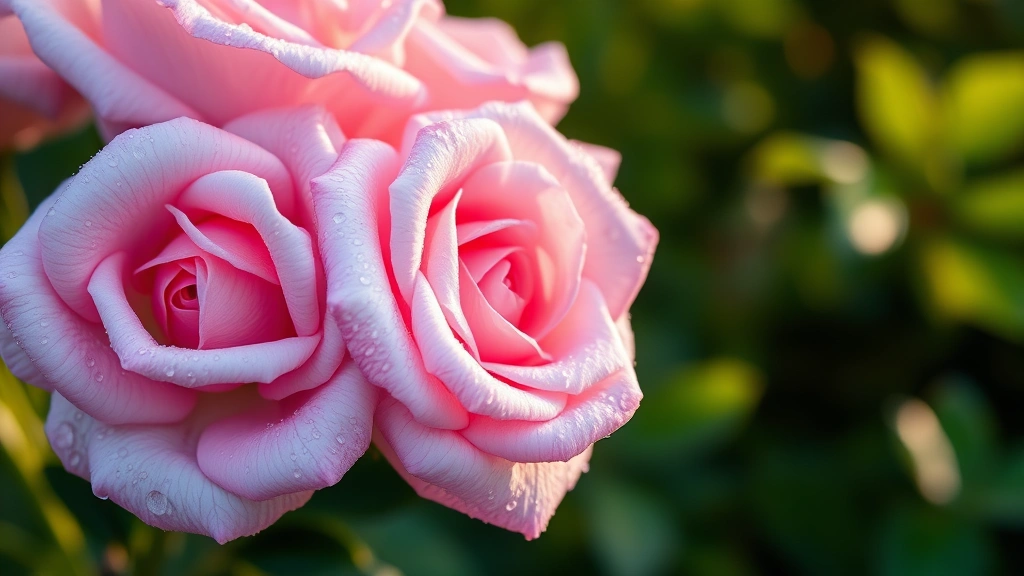
Nestled in the Oakland hills, the Morcom Rose Garden stands as one of California’s most enchanting botanical destinations, yet remains relatively unknown to many gardening enthusiasts. This spectacular five-acre garden showcases over 6,500 roses representing more than 200 varieties, creating a living masterpiece that blooms throughout the year. Whether you’re a serious gardener seeking inspiration for your own main garden design, a casual visitor looking for a peaceful retreat, or a photographer capturing nature’s beauty, Morcom Rose Garden offers an unforgettable experience.
Located at 6700 Mountain Boulevard in Oakland’s Piedmont Avenue neighborhood, this municipal garden represents decades of horticultural dedication and community stewardship. The garden’s history dates back to the 1920s, though it has evolved significantly over the years to become the premier rose destination it is today. The mild Oakland climate provides ideal growing conditions for roses, allowing specimens to flourish during multiple blooming seasons and creating an atmosphere unlike any other public garden in the Bay Area.
A Rose Garden Like No Other
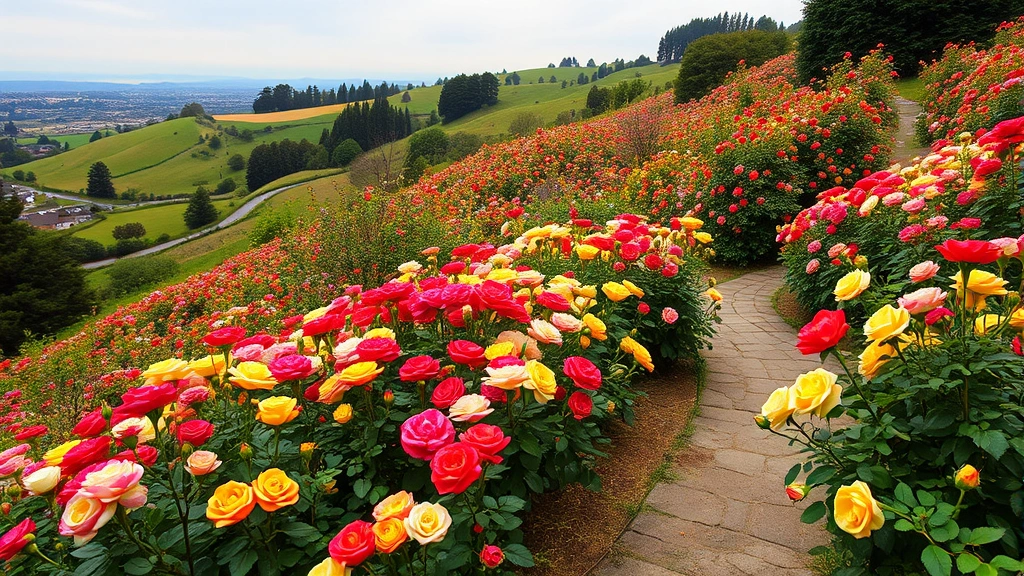
The Morcom Rose Garden distinguishes itself through its comprehensive collection and thoughtful landscape design. Unlike many rose gardens that focus exclusively on hybrid tea roses, Morcom celebrates the diversity of the rose family, including heirloom varieties, floribunda roses, shrub roses, and climbing varieties that showcase the plant’s remarkable adaptability. The garden’s layout encourages exploration, with winding pathways leading visitors through distinct sections that feature different rose categories and companion plantings.
What makes this garden exceptional is the integration of complementary plants that enhance the rose displays. The gardening team at Morcom understands that beautiful rose gardens require more than just the primary specimens. Visitors will notice lavender plantings that provide aromatic contrast, ornamental grasses that add texture and movement, and flowering shrubs that extend color beyond the rose blooms themselves. This approach reflects principles discussed in our guide to garden decorations and landscaping aesthetics.
The garden’s elevation and exposure create microclimates that allow different rose varieties to thrive in specific zones. South-facing slopes receive intense afternoon sun, perfect for heat-loving varieties, while sheltered areas provide respite for more delicate specimens. This natural variation means the garden offers lessons in plant placement and environmental awareness that home gardeners can apply to their own landscapes.
Planning Your Visit to Morcom Rose Garden
Visiting Morcom Rose Garden requires minimal planning but maximum appreciation for the experience ahead. The garden is open year-round, with peak bloom times occurring in spring (April through June) and fall (September through November). However, the Oakland climate means you’ll find roses blooming during most months, making it a destination worth visiting multiple times throughout the year.
Admission is free, making this an accessible attraction for gardeners of all budgets. The garden features ample parking, restroom facilities, and well-maintained pathways suitable for visitors of varying mobility levels. The best times to visit are early morning hours when temperatures are cooler and light is optimal for photography. Spring mornings are particularly magical, with dew-covered roses and birdsong creating an almost meditative atmosphere.
Wear comfortable walking shoes, as the five-acre expanse encourages exploration. Bring a small notebook if you’re interested in documenting plant varieties—many visitors find it helpful to record the names and colors of roses they’d like to incorporate into their own main garden designs. A camera or smartphone is essential for capturing inspiration and sharing your experience on social media.
Consider visiting during the garden’s special events, which often include guided tours led by knowledgeable horticulturists. These tours provide invaluable insights into rose cultivation, pruning techniques, and pest management strategies that you can implement at home. Check the Oakland Parks and Recreation website for current event schedules and any seasonal programs.
Understanding Rose Varieties at Morcom
The diversity of roses at Morcom Rose Garden serves as an educational experience for anyone interested in understanding the genus Rosa. The garden organizes its collection into several major categories, each with distinct characteristics and growing requirements. Hybrid tea roses, the classic long-stemmed varieties prized by florists, occupy prominent positions throughout the garden, displaying their elegant form and rich colors.
Floribunda roses, which produce clusters of blooms rather than single stems, demonstrate how rose breeding has expanded the plant’s ornamental possibilities. These varieties offer abundance of color and are often more disease-resistant than their hybrid tea cousins. The garden’s floribunda section showcases how these roses can be used effectively in landscape design, providing masses of color that rival flowering shrubs.
Shrub roses represent a growing category in modern horticulture, and Morcom dedicates considerable space to these robust, often fragrant varieties. English roses, developed by breeder David Austin, combine the charm of heirloom roses with the vigor and repeat-blooming characteristics of modern varieties. Walking through the shrub rose section reveals the potential for creating rose gardens that require less intensive pruning and maintenance than traditional approaches.
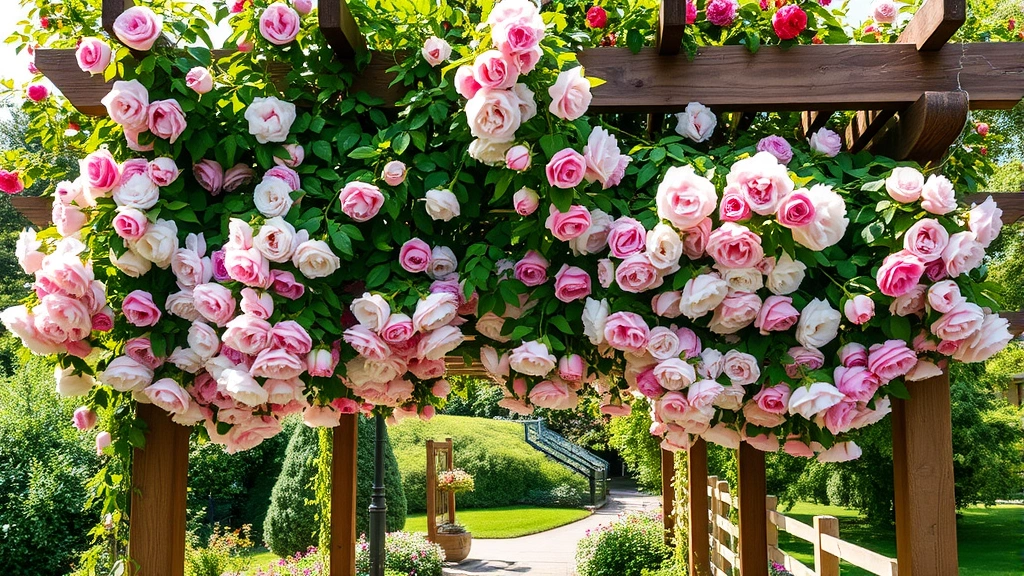
Climbing roses demonstrate the vertical dimension of rose gardening, covering pergolas and arbors throughout the property. These varieties show how roses can be trained and directed to create living architecture within a landscape. Visitors often gain inspiration from these displays for adding vertical interest to their own gardens, similar to techniques discussed in our comprehensive guide on how to prune hydrangea bushes, which applies many of the same training principles.
Heirloom and old garden roses occupy a special place in the Morcom collection. These varieties, many with centuries of history, often possess superior fragrance compared to modern hybrids. Their presence in the garden emphasizes that rose cultivation isn’t solely about producing perfect blooms for cutting, but about appreciating the plant’s historical significance and sensory qualities.
Seasonal Blooming Patterns
Understanding Morcom’s seasonal rhythms helps you plan visits that coincide with peak displays. Spring represents the most celebrated season, with the garden reaching its crescendo in late April and May. During this period, the entire landscape erupts in color, with thousands of blooms creating an overwhelming sensory experience. Spring rains provide adequate moisture, and moderate temperatures prevent heat stress, allowing roses to produce their largest and most perfectly formed flowers.
Summer brings heat that can stress roses in less-protected areas of the garden, but the experienced gardeners at Morcom manage irrigation and provide shade cloth where necessary. Summer blooms are often smaller and shorter-lived than spring flowers, but the garden maintains continuous color throughout the season. Early morning visits during summer prove most rewarding, as afternoon heat can wilt delicate petals.
Fall represents the garden’s second major bloom cycle, often producing flowers that rival spring displays in quality. Cooler temperatures and lower humidity reduce disease pressure, resulting in healthier specimens. Fall roses often exhibit deeper, more saturated colors compared to spring blooms, making this season particularly attractive for photographers and artists seeking to capture the rose’s essence.
Winter in Oakland rarely brings hard freezes, allowing the garden to maintain some bloom even during the coldest months. Winter visits offer a different aesthetic—fewer flowers, but cleaner sightlines to the garden’s structural elements and architectural features. This season is ideal for studying plant form and understanding the skeleton of the landscape design.
Garden Design Inspiration
One of the most valuable aspects of visiting Morcom Rose Garden is observing how professional designers create beautiful, functional landscapes. The garden demonstrates fundamental principles applicable to home gardeners working with limited space. Even if you can’t replicate a five-acre garden, you can incorporate design lessons into modest landscapes.
The use of repetition creates rhythm and coherence throughout the garden. Certain rose varieties appear in multiple locations, creating visual threads that tie the landscape together. This principle is invaluable for home gardens, where repeating plant selections creates harmony and sophistication. Rather than planting one specimen of each variety, the garden shows how repeating selections at intervals creates a more satisfying composition.
Layering is another crucial design principle evident at Morcom. Tall roses are positioned behind shorter varieties, creating depth and preventing visual clutter. This three-dimensional approach to planting prevents the garden from appearing flat or monotonous. Home gardeners can apply this principle by positioning tall roses against fences or structures, medium-height varieties in the middle ground, and low-growing roses toward pathways.
Color relationships demonstrated throughout the garden offer lessons in creating harmonious combinations. The garden shows how to use warm colors (reds, oranges, yellows) to create energy and excitement, while cool colors (pinks, purples, whites) provide calm and sophistication. Monochromatic sections, featuring roses in varying shades of a single color, create surprising depth and interest. These color studies can directly inform decisions in your own main garden planning.
The integration of hardscape elements—pathways, benches, arbors, and water features—demonstrates how structural components support and enhance plantings. Well-designed hardscaping provides viewing platforms, creates focal points, and facilitates circulation through the landscape. Home gardeners often overlook these elements, but Morcom shows their critical importance in creating functional, beautiful gardens.
Photography Opportunities
Morcom Rose Garden ranks among the Bay Area’s finest locations for botanical photography. The diversity of subjects, varied lighting conditions, and professional maintenance create endless compositional possibilities. Whether you’re using a smartphone or professional camera equipment, the garden rewards both technical skill and artistic vision.
Macro photography enthusiasts will delight in the opportunity to capture rose details—individual petals, stamens, and the intricate layering that defines each variety. Early morning visits provide ideal conditions, with dewdrops creating jewel-like effects on petals and soft golden light illuminating blooms from behind. The garden’s quiet morning atmosphere also reduces crowds, allowing photographers freedom to work without interruption.
Landscape photographers find compelling compositions throughout the property. Pathways lined with blooming roses create leading lines that draw viewers into images. Climbing roses on pergolas provide vertical interest and architectural framing. The natural contours of the hillside create opportunities for compositions that showcase roses in their environmental context rather than as isolated specimens.
Seasonal changes create distinct photographic opportunities throughout the year. Spring’s explosive color contrasts with autumn’s deeper tones and winter’s architectural clarity. Returning to photograph the same location across seasons creates a visual record of how gardens evolve and teaches important lessons about plant cycles and landscape management.
Educational Programs and Events
Beyond its role as a beautiful garden, Morcom Rose Garden serves as an educational institution. The Oakland Parks and Recreation Department offers guided tours led by experienced horticulturists who provide detailed information about rose cultivation, variety selection, and landscape design. These tours are invaluable for gardeners seeking to improve their skills and knowledge.
Seasonal events celebrate the garden’s heritage and bring community members together. Spring festivals feature plant sales, horticultural workshops, and demonstrations by local gardening experts. These events provide opportunities to purchase rose specimens from specialty nurseries and ask questions directly to experienced growers. You might discover unusual varieties perfect for your own garden or learn propagation techniques for expanding your collection.
Photography workshops occasionally occur at the garden, led by instructors who understand both horticultural and photographic principles. These sessions teach composition, lighting, and technical camera skills while working within the inspiring environment of the rose garden. Participants leave with both improved technical abilities and a deeper appreciation for the garden’s aesthetic qualities.
Master Gardener programs affiliated with local extension services often hold meetings or training sessions at Morcom. These volunteer-led educational initiatives provide free or low-cost training in sustainable gardening practices. Connecting with local master gardeners can provide ongoing mentorship and access to community gardening knowledge that extends far beyond roses.
Nearby Attractions and Complementary Gardens
Morcom Rose Garden’s location in Oakland provides convenient access to complementary attractions that enhance your horticultural exploration. The nearby Redwood Regional Park offers contrasting native plant communities and demonstrates how roses fit within broader California landscape contexts. Understanding native plant ecology provides perspective on introducing non-native species like roses into local environments.
The Oakland Museum of California, located nearby in downtown Oakland, features exhibitions on California history and culture that often include horticultural themes. Understanding the historical context of California gardening enriches your appreciation for how gardens like Morcom developed and evolved.
For those interested in expanding their botanical knowledge, the University of California Agriculture and Natural Resources website provides extensive information about California gardening practices and rose cultivation specific to the region. The American Horticultural Society offers resources for rose gardeners seeking to develop expertise and connect with other enthusiasts.
If you’re interested in edible gardening alongside ornamental roses, the nearby Sunol Regional Wilderness and other East Bay parks demonstrate how food-producing plants can be integrated with ornamental landscapes. This perspective informs approaches to garden strawberry seeds and vegetable cultivation that complement rose gardens.
The San Francisco Botanical Garden, just across the bay, offers another world-class rose collection and different plant communities. Visiting both gardens provides comparative perspectives on how different microclimates and design philosophies shape horticultural destinations. The Descanso Gardens in Los Angeles features one of the most comprehensive rose collections in California and merits a visit for serious rose enthusiasts.
Local nurseries throughout Oakland and the surrounding East Bay region specialize in roses and companion plants. Many of these establishments employ knowledgeable staff who can recommend varieties suited to specific microclimates and growing conditions. Building relationships with local nurseries provides ongoing support for your home gardening efforts and connects you with the regional gardening community.
If you’re developing your own garden decorations and landscaping features, local artisans and landscape designers often draw inspiration from Morcom’s design principles. Consulting with professionals who understand regional growing conditions and aesthetic traditions can help you create gardens that reflect Morcom’s sophistication while fitting your unique property and preferences.
FAQ
When is the best time to visit Morcom Rose Garden?
Peak bloom occurs in late April through May for spring and September through November for fall. Early mornings provide the best light and smallest crowds, regardless of season.
Is admission to Morcom Rose Garden free?
Yes, admission is completely free. The garden is maintained by Oakland Parks and Recreation and supported by community donations.
Can I bring dogs to Morcom Rose Garden?
Leashed dogs are permitted on pathways, though keeping them away from planted areas helps protect the specimens and maintain the garden’s beauty for all visitors.
Are there guided tours available?
Yes, guided tours led by experienced horticulturists are available seasonally. Check the Oakland Parks and Recreation website for current schedules and registration information.
What roses from Morcom would grow well in my home garden?
Floribunda and shrub roses generally require less maintenance than hybrid tea roses. Bring a notebook during your visit to document varieties you’d like to research further. Local nurseries can help identify varieties suited to your specific growing conditions.
How can I learn more about rose cultivation?
The American Horticultural Society and local Master Gardener programs offer comprehensive resources and training in rose gardening specific to your region.
Can I purchase roses or plants at the garden?
While the garden itself doesn’t operate a nursery, seasonal events feature plant sales by specialty rose nurseries. Check the Oakland Parks and Recreation website for upcoming events and vendors.
What should I bring when visiting?
Comfortable walking shoes, sunscreen, water, a camera, and a small notebook for documenting plant varieties and design ideas. Early morning visits require a light jacket, as Oakland mornings can be cool even when afternoons are warm.


