Japanese Friendship Garden of Phoenix: Tickets, Hours & Visitor Guide
The Japanese Friendship Garden of Phoenix stands as one of Arizona’s most serene horticultural destinations, offering visitors an authentic escape into Japanese garden design philosophy and plant cultivation. Located in downtown Phoenix, this 3.5-acre botanical sanctuary showcases traditional landscaping techniques, native Japanese plantings, and architectural elements that transport you across the Pacific without leaving the desert Southwest. Whether you’re a seasoned gardener seeking inspiration for your own landscape design or simply looking for a peaceful afternoon, understanding ticket options and visitor logistics ensures you make the most of your visit.
This comprehensive guide covers everything from admission pricing and seasonal hours to what plants you’ll encounter and practical tips for planning your visit. As a gardening enthusiast, you’ll appreciate how Japanese garden principles can inspire your own outdoor spaces, from understanding plant placement to creating focal points that draw the eye and calm the mind.
Ticket Pricing & Admission Options
The Japanese Friendship Garden of Phoenix tickets are reasonably priced for the quality experience you’ll receive. General admission typically ranges from $12 to $15 for adults, with discounted rates for seniors (65+), students with valid ID, and children aged 6-12. Children under 6 usually enter free, making it a family-friendly destination. Annual memberships are available for frequent visitors, offering unlimited access plus special perks like guest passes and exclusive member events.
Several admission options cater to different visitor preferences. Single-day passes grant you access during regular operating hours, while special event tickets may apply during seasonal celebrations or exhibitions. Many visitors find that purchasing tickets online through the garden’s official website provides minor discounts and allows you to skip entry lines. Group rates apply for parties of 15 or more, making this an excellent option for gardening clubs, school groups, or horticultural societies interested in studying Japanese landscape design principles.
Parking is conveniently located near the garden entrance with reasonable rates, and some visitors prefer using public transportation given downtown Phoenix’s improving transit infrastructure. Consider that your ticket price supports ongoing maintenance of the garden’s extensive plant collections and architectural features, ensuring the space remains a living classroom for understanding how to cultivate plants in specialized garden beds and design cohesive outdoor spaces.
Hours of Operation by Season
The garden operates year-round but maintains adjusted hours reflecting Phoenix’s dramatic seasonal temperature variations. During the cooler months (October through April), the garden typically opens at 10 AM and closes at 4 PM, providing comfortable conditions for extended exploration. Summer hours (May through September) shift earlier, opening at 8 AM to allow visitors to enjoy the garden during cooler morning temperatures, with closing time around 2 PM on peak heat days.
Specific hours may vary, so checking the official website before your visit is essential. The garden occasionally closes for private events or special programming, and holiday schedules sometimes differ from regular hours. Spring and fall represent optimal visiting seasons when both temperatures and plant activity reach their peaks. During spring months, flowering plants throughout the garden reach peak bloom, while autumn brings cooler temperatures ideal for extended walks through the landscape.
Many gardeners time their visits to coincide with seasonal plant displays. Winter months showcase evergreen structures and architectural elements that form the garden’s bones, while spring reveals flowering cherry blossoms, azaleas, and other spring bloomers. Understanding these seasonal rhythms helps you plan visits that showcase different aspects of Japanese garden design and plant cultivation techniques applicable to your own gardening projects.
Plant Collections & Garden Features
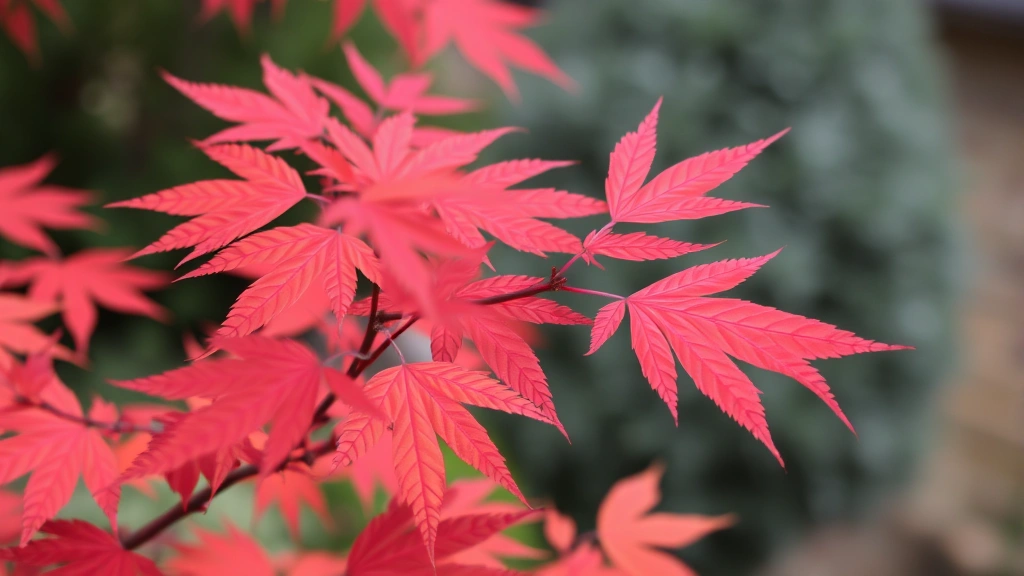
The Japanese Friendship Garden cultivates an impressive array of plants specifically selected for their significance in Japanese horticulture and their adaptability to Phoenix’s desert climate. The collection includes Japanese maples in numerous cultivars, providing architectural interest and seasonal color changes throughout the year. These shade-loving trees demonstrate how to create layered canopy structures in garden design, a principle applicable even in smaller residential landscapes.
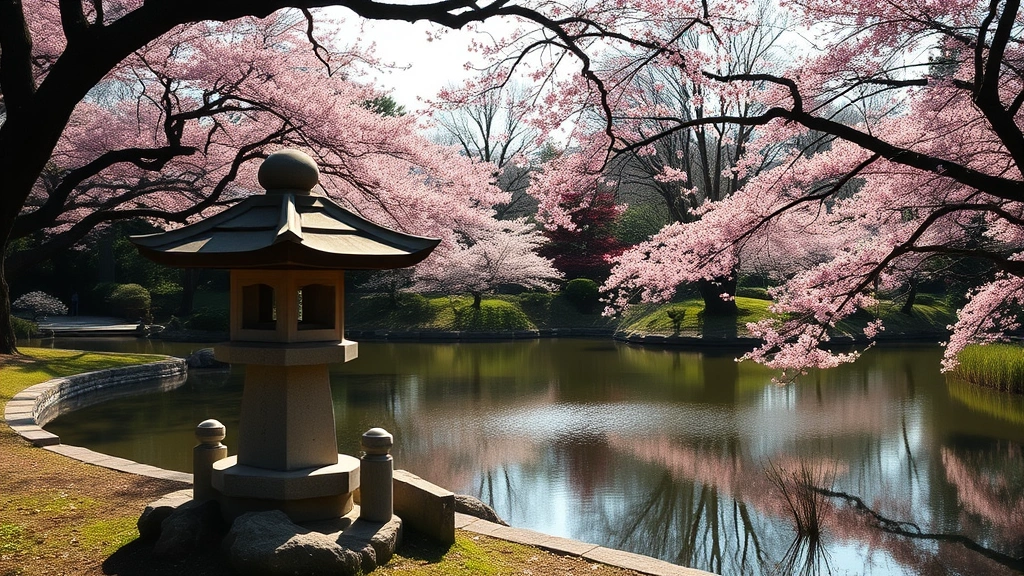
Cherry trees (sakura) form a significant component of the collection, with spring blooms creating the garden’s most photographed moments. The garden also features extensive plantings of azaleas, camellias, and rhododendrons—all plants that require specific soil conditions and moisture management. Observing how these plants are cultivated in the Phoenix desert climate offers valuable lessons for gardeners working with similar environmental constraints.
Stone lanterns, water features, and architectural elements like bridges and pavilions create focal points throughout the garden. Japanese garden design philosophy emphasizes balance, asymmetry, and the principle of “shakkei” (borrowed scenery), where surrounding landscape becomes part of the garden’s composition. The garden’s layout demonstrates how to use miniature design principles to create intimate spaces within larger landscapes.
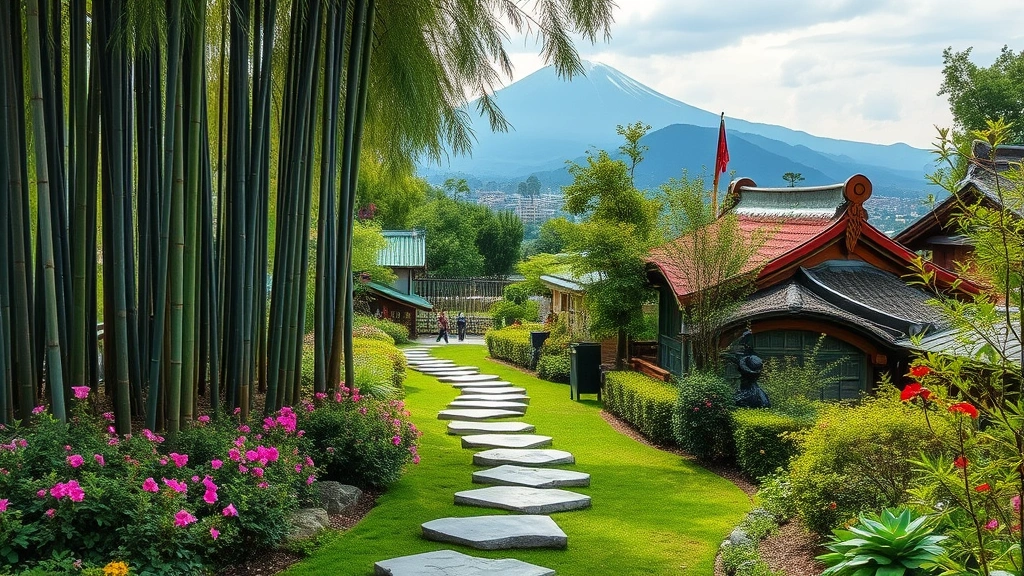
Moss gardens, bamboo groves, and carefully raked gravel areas showcase different Japanese garden styles. The tea garden includes traditional plantings that complement the tea ceremony experience, while the stroll garden encourages wandering paths that reveal new vistas around each corner. These design elements teach visitors how strategic plant placement creates visual interest and guides movement through outdoor spaces.
The garden’s plant palette changes seasonally. Summer brings emphasis on foliage texture and form, as heat-sensitive flowering plants rest. Autumn reveals changing maple colors and the beauty of seed pods and berries. Winter showcases evergreen structure and the elegant simplicity of bare branches against stone and water elements. This seasonal progression demonstrates how to design gardens that remain visually interesting year-round through thoughtful plant selection and hardscape features.
Visitor Amenities & Facilities
The garden provides essential visitor amenities including restroom facilities, drinking water stations, and shaded seating areas positioned strategically throughout the landscape. A gift shop near the entrance offers Japanese-inspired gardening books, tools, and plants suitable for home cultivation. Many visitors appreciate these resources for learning about specific plants they’ve observed in the garden.
The garden’s layout is generally accessible, with paved pathways accommodating visitors with mobility limitations. However, some areas involve slight elevation changes and stepping stones, so visitors with accessibility needs should contact the garden directly to discuss specific routes. Benches positioned at key viewpoints invite quiet contemplation and provide rest opportunities during your visit.
Audio guides and printed maps help orient visitors and provide context about specific plantings and design features. Guided tours led by knowledgeable staff offer deeper insights into Japanese garden philosophy and specific plant collections. These educational programs prove invaluable for serious gardeners seeking to understand the principles behind successful Japanese landscape design applicable to their own properties.
Photography is permitted throughout most of the garden, making it an excellent destination for documenting plant varieties and design inspiration. Seasonal events sometimes include special programming like tea ceremonies, flower arrangement demonstrations, or plant sales. These events provide opportunities to purchase unusual plant varieties and learn specialized techniques from horticultural experts.
Best Times to Visit
Timing your visit strategically enhances your experience significantly. Spring (March-April) represents peak season with cherry blossoms, azaleas, and flowering trees creating spectacular displays. Early morning visits during spring weekdays offer the most peaceful experience, as weekends draw substantial crowds. The garden’s spring plant activity makes it ideal for studying flowering plant timing and succession blooming strategies applicable to residential gardens.
Fall (October-November) provides excellent conditions with cooler temperatures and Japanese maple color changes. This season offers more comfortable walking conditions than summer while showcasing the garden’s autumn palette. Many gardeners visit during fall to photograph foliage colors and study how trees transition through seasonal changes.
Winter (December-February) brings smaller crowds and moderate temperatures perfect for extended exploration. While fewer plants are in bloom, the garden’s structural elements and evergreen plantings create serene beauty. Winter visits work well for photographers seeking to capture architectural details and bare branch patterns without distracting foliage.
Summer (June-August) is the least crowded season due to extreme heat, but early morning visits (arriving when gates open at 8 AM) allow comfortable exploration before temperatures peak. Summer offers opportunities to observe how plants respond to heat stress and which cultivars tolerate desert conditions best. This knowledge proves valuable for gardeners designing heat-tolerant landscapes.
Avoid visiting during peak tourist season (spring break and holidays) if you prefer quieter experiences. Weekday visits consistently offer more peaceful conditions than weekends. Sunset visits create beautiful lighting for photography and contemplation, though you’ll want to confirm the garden remains open during your intended visiting hours.
Photography & Garden Etiquette
The Japanese Friendship Garden welcomes photography for personal use, with certain guidelines ensuring visitor respect and plant protection. Tripods and professional photography equipment may require prior permission, so contact the garden if you’re planning significant photography projects. The garden’s peaceful philosophy emphasizes quiet observation and contemplation, so maintaining respectful noise levels and avoiding disruptive behavior enhances the experience for all visitors.
Remain on designated pathways to protect plantings and prevent soil compaction around plant roots. Many plants in the collection are sensitive to trampling, and staying on paths ensures their long-term health. Touching plants is generally discouraged, though staff may permit gentle examination of specific specimens during guided tours. This protective approach reflects Japanese gardening philosophy that values plant health and natural development.
Flash photography should be avoided in enclosed structures like tea houses or pavilions. Respect other visitors’ quiet time and contemplative experience by avoiding loud conversations or phone use. The garden’s design encourages mindful observation, a principle that transforms a simple visit into a meditative experience and horticultural learning opportunity.
Children should be supervised closely, particularly near water features and elevated pathways. The garden’s design includes features like bridges and stone lanterns that present minor hazards for unsupervised young children. Teaching children to respect plants and garden spaces during visits instills lasting appreciation for botanical environments.
Nearby Gardens & Attractions
Phoenix hosts several complementary botanical destinations within short driving distance. The Desert Botanical Garden showcases native desert plants and sustainable landscaping techniques, offering contrasting perspectives to Japanese garden design. Combining visits to both gardens provides comprehensive understanding of how plant selection and design philosophy vary across different cultural and climatic contexts.
The Phoenix Japanese Cultural Center, located nearby, offers additional cultural programming and occasionally hosts exhibitions related to Japanese arts and horticulture. Downtown Phoenix’s urban garden spaces and parks provide opportunities to observe how Japanese design principles influence contemporary landscape architecture.
For gardeners interested in studying how traditional Japanese plants perform in Arizona conditions, local nurseries specializing in Japanese cultivars provide opportunities to purchase specimens for home gardens. Staff at these nurseries often offer insights about plant care and cultivation techniques specific to the Phoenix climate.
The Oregon State University Extension Service provides excellent resources about growing Japanese maples and other specialty plants in various climates. The American Horticultural Society offers membership benefits and resources for gardeners interested in specialty plant cultivation. The Missouri Botanical Garden maintains comprehensive plant databases useful for researching specimens observed at the Japanese garden.
Consider exploring how you might incorporate Japanese design principles into your own landscape. Whether you’re interested in growing shade-tolerant flowering plants or studying how to create seasonal color interest, the Japanese garden provides inspiration and practical examples. Even small residential spaces can incorporate Japanese design principles through thoughtful plant selection and minimalist hardscaping.
FAQ
What are current ticket prices for the Japanese Friendship Garden of Phoenix?
General admission typically ranges from $12-$15 for adults, with discounts for seniors, students, and children aged 6-12. Children under 6 enter free. Online purchases may offer minor discounts. Annual memberships and group rates are available for larger parties. Check the official website for current pricing and any special promotions.
Is the garden accessible for visitors with mobility limitations?
Most of the garden features paved pathways suitable for wheelchairs and walkers, though some areas include elevation changes and stepping stones. Contact the garden directly to discuss specific accessibility needs and recommended routes through the landscape.
Can I bring children to the Japanese Friendship Garden?
Yes, children are welcome. The peaceful garden environment provides excellent educational opportunities for learning about plants and Japanese culture. Supervise young children near water features and elevated areas. The gift shop often carries children’s books about Japanese gardens and plant topics.
What’s the best season for visiting to see flowering plants?
Spring (March-April) offers peak bloom with cherry blossoms and azaleas. Fall (October-November) provides comfortable temperatures and Japanese maple colors. Summer visits work best during early morning hours before heat peaks. Winter showcases evergreen structure and architectural elements.
Are photography and videography permitted?
Personal photography is welcome throughout most of the garden. Professional photography equipment and tripods may require prior permission. Flash photography should be avoided in enclosed structures. Contact the garden if planning significant photography projects.
Does the garden offer guided tours or educational programs?
Yes, guided tours led by knowledgeable staff provide insights into Japanese garden philosophy and plant collections. Special programs like tea ceremonies and flower arrangement demonstrations occur seasonally. Check the website for current programming and registration information.
What plants can I expect to see during my visit?
The collection includes Japanese maples, cherry trees, azaleas, camellias, rhododendrons, and bamboo. Seasonal variations mean spring offers flowering plants while winter showcases structural elements. The garden’s plant palette demonstrates how to select specimens that provide year-round visual interest in landscape design.
How long should I plan to spend at the garden?
Most visitors spend 1.5 to 3 hours exploring the 3.5-acre garden. The pace depends on your interests—casual visitors may spend 90 minutes while serious gardeners studying plant varieties and design principles often spend 3+ hours. Multiple visits throughout different seasons reveal new details and plant changes.


