Table of Contents
Introduction
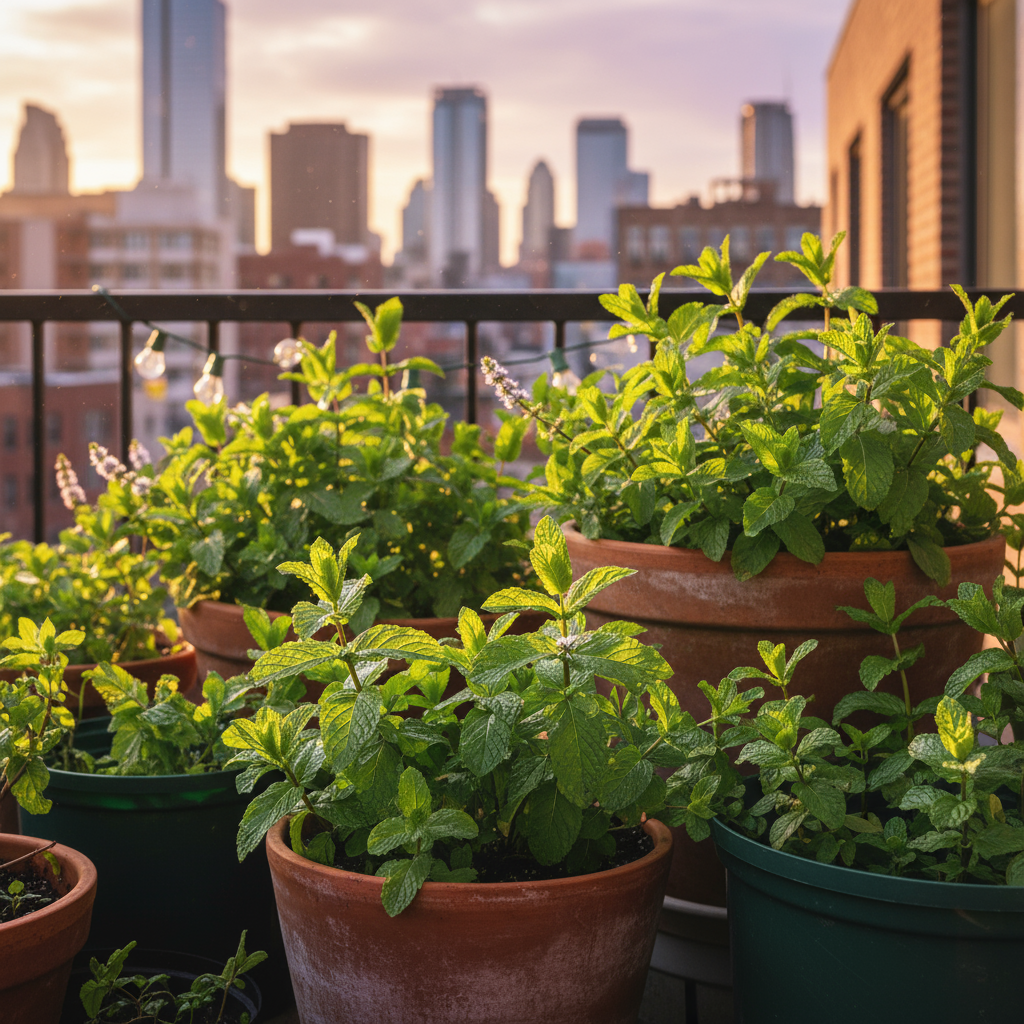
Picture this: you’re making your morning tea, and instead of reaching for that tired old box of mint tea bags, you simply step over to your windowsill and snip off a few fresh, aromatic mint leaves. That’s the magic of growing mint in pots. Whether you’re working with a tiny apartment balcony or just prefer the control that container gardening offers, having fresh herbs within arm’s reach changes everything about cooking and daily life.
Here’s something most people don’t realize about mint—it’s basically the garden equivalent of that friend who overstays their welcome. Plant it directly in the ground, and it’ll take over your entire garden bed faster than you can say “mojito.” But here’s the clever part: grow it in a pot, and suddenly you’re the one in control. You get all the lush, fragrant leaves you want without mint staging a hostile takeover of your garden. Plus, container growing means you can enjoy fresh mint year-round, even if you’re dealing with harsh winters or limited outdoor space. If you’re just getting started with container gardening, these gardening tips for beginners will set you up for success right from the start.
Now, let’s talk soil—because this is where a lot of people stumble. Mint might seem low-maintenance (and it is, mostly), but it’s surprisingly picky about its living conditions. Think loose, fertile soil that drains well but still holds some moisture. Kind of like a good sponge cake, if that makes sense. The secret lies in proper soil preparation, which involves more than just dumping potting mix into a container and calling it good. You’ll want to understand the fundamentals covered in how to prepare garden soil for a thriving garden. Trust me, spending a little extra time on soil prep now saves you from disappointing, scraggly mint later.
Speaking of getting started right, let’s talk about where your mint comes from. You’ve got options here. Some folks love starting from cuttings (honestly, mint roots so easily it’s almost embarrassing). Others prefer transplants from the garden center for instant gratification. And yes, you can grow mint from seeds, though it requires a bit more patience. The key is understanding which method works best for your situation and skill level. If you want to explore different propagation techniques—because once you catch the herb-growing bug, you’ll want to multiply everything—check out this guide on how to propagate plants. It’s like having a roadmap for expanding your herb empire.
One of my favorite things about container mint? The flexibility. Bad weather rolling in? Bring your pot inside. Not getting enough morning sun on the back patio? Move it to the front steps. Want to keep it away from that aphid invasion happening in your flower bed? Easy—just relocate your container. This mobility is a game-changer, especially when you’re dealing with unpredictable weather or pest issues. And honestly, once you start successfully growing mint in pots, you’ll probably want to expand into other container favorites. The same principles apply whether you’re growing herbs or branching out into other plants.
What You’ll Learn in This Guide
We’re going to walk through everything you need to know about growing mint in pots, from start to finish. Here’s what’s coming up:
- Choosing the Right Pot for Mint: Learn how to select containers based on size, material, and drainage to promote healthy mint growth and prevent common pitfalls like waterlogging.
- Preparing the Soil: Discover the best soil types for mint, how to prepare your soil with essential nutrients, and the importance of maintaining good drainage for thriving plants.
- Planting Mint: Understand the pros and cons of starting mint from seeds versus cuttings, and get clear, step-by-step planting instructions to set your mint up for success.
- Caring for Mint Plants: Find out key care tips including watering needs, sunlight requirements, and fertilizing schedules that keep your mint lush and productive all year.
By the time we’re done, you’ll have the confidence to not just grow mint, but troubleshoot problems and optimize your setup for maximum leaf production. Because let’s be real—there’s nothing quite like having an endless supply of fresh mint at your fingertips.
So where do we start? With the foundation, of course—choosing the perfect pot. We’ll cover size requirements, material options, and those crucial drainage considerations that can make or break your mint-growing success. From there, we’ll walk through soil prep, planting techniques, and ongoing care that keeps your mint happy and productive season after season. Ready to transform your cooking (and your space) with fresh, homegrown mint? Let’s dive in.
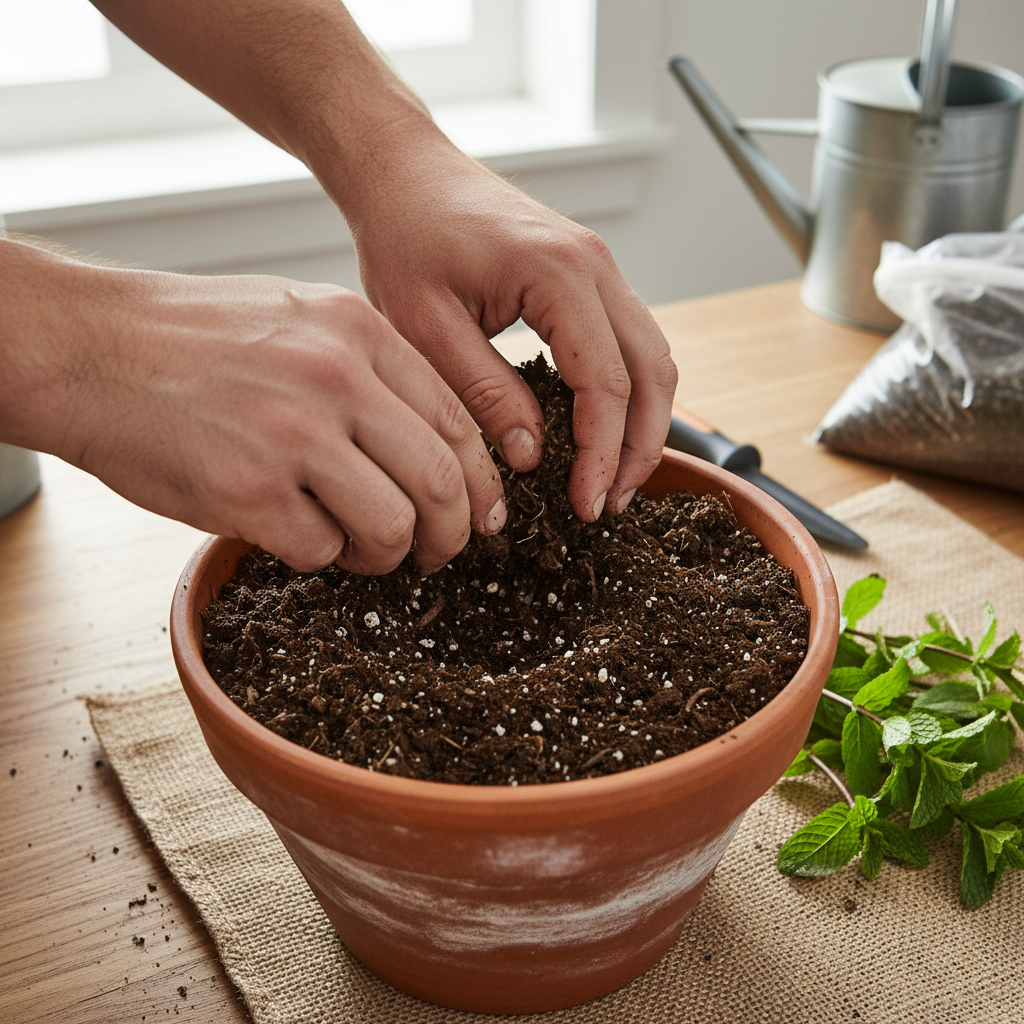
So you’re ready to take your mint growing game to the next level? Smart move. While growing mint in pots might seem straightforward (and honestly, it kind of is), there are some key decisions that can make the difference between sad, struggling plants and that lush, aromatic mint you’re dreaming of. Trust me—I’ve seen plenty of mint disasters that could’ve been avoided with just a few smart choices upfront. Let’s dig into what really matters when it comes to choosing your pot and getting that soil just right.
Choosing the Right Pot for Mint
Here’s the thing about mint containers—this decision matters way more than you might think. Get it wrong, and you’ll be dealing with root-bound plants, soggy soil, or mint that just won’t thrive no matter what you do. The right pot needs to handle mint’s somewhat aggressive personality (yes, mint has attitude) while giving those roots room to breathe and grow. If you’ve ever wondered why some container plants just seem to flourish while others struggle, check out these insights on raised bed gardening advantages. The same principles that make raised beds successful—controlled environment, proper drainage, healthy soil—apply perfectly to container mint growing.
Now, let’s talk materials. Terracotta? Beautiful and breathable, but it’ll dry out faster than you expect on hot days. Plastic? Lightweight and holds moisture well, but your roots might get a bit stuffy. There’s no perfect choice here—just trade-offs you need to work with. What’s non-negotiable? Drainage holes. Seriously, if your pot doesn’t have them, either drill some or find a different pot. Standing water is mint’s worst enemy, and root rot will kill your plants faster than you can say “mojito.” For more detailed guidance on creating the ideal growing environment, the tips in how to prepare garden soil can help you think through soil and drainage considerations that work just as well for containers.
Key Aspects of Pot Selection
Let’s break down what actually matters when you’re shopping for that perfect mint container:
- Size and Root Space: Go big or go home—at least 12 inches wide and deep. Mint’s roots like to spread, and cramped roots mean stressed plants. Give them room to grow, and they’ll reward you with better flavor and healthier leaves.
- Material Composition: Terracotta breathes beautifully but dries out quickly (perfect if you tend to overwater). Plastic holds moisture longer but can get waterlogged if you’re heavy-handed with the watering can. Pick your poison based on your watering style.
- Drainage Efficiency: Multiple drainage holes aren’t optional—they’re essential. Water needs an escape route, or you’ll end up with sad, soggy roots and dead plants. Been there, learned that lesson the hard way.
- Portability and Placement: Think ahead here. You might need to move your mint indoors for winter or chase the sunlight around your patio. A pot you can actually lift when it’s full of soil and plant will save your back later.
Get the pot choice right, and you’re already halfway to mint success. But even the perfect container won’t save you if the soil inside is wrong. That’s where soil prep comes in—and it’s easier than you think.
Preparing the Soil for Potted Mint
Real talk: mint isn’t particularly picky about soil, but it does have some preferences that are worth respecting. Think of it like cooking—you can probably make a decent meal with basic ingredients, but the right ingredients make everything better. Mint wants soil that drains well but doesn’t dry out completely, holds nutrients without getting soggy, and has enough organic matter to keep things interesting. Sounds complicated? It’s not. You just need to avoid the extremes—no pure sand, no heavy clay, no soil that turns into concrete when it dries. The techniques covered in how to propagate plants include soil preparation methods that work perfectly for mint and other container herbs.
The pH thing is worth checking, but don’t stress about it too much. Mint likes things slightly acidic to neutral (around 6.0 to 7.0), but it’s pretty forgiving. Most quality potting mixes will be in the right range anyway. What’s more important is making sure your soil stays loose and fluffy—compacted soil is mint’s enemy. And here’s a pro tip: refresh your soil every year or so. Container plants deplete nutrients faster than ground-planted ones, and starting fresh annually keeps your mint happy and productive.
Key Soil Preparation Tips
Here’s what actually makes a difference when setting up your mint’s soil:
- Select Well-Draining Soil: This can’t be emphasized enough—water needs to move through, not sit around. Soggy soil kills more mint than drought ever will. A good herb or vegetable potting mix usually hits the mark.
- Enrich with Organic Matter: Compost, aged manure, or even some quality potting mix with organic materials mixed in. Your mint will thank you with more flavorful leaves and stronger growth.
- Optimize Soil pH: Test if you’re curious, but don’t lose sleep over it. Most commercial potting soils are already in the sweet spot, and mint is pretty adaptable anyway.
- Refresh Soil Periodically: Once a year, either repot completely or at least refresh the top few inches. Container soil gets tired, and fresh soil means happy plants.
With your pot picked out and soil properly prepped, you’re ready for the fun part—actually planting your mint. But that’s a story for another section. For now, you’ve got the foundation right, and that’s what really counts.

Here’s the thing about growing mint in pots—it’s honestly one of the smartest moves you can make as a gardener. We’ve covered a lot of ground in this guide, from picking the right container to keeping your plants happy and productive. And let’s be real: mint has a reputation for being a bit of a garden bully. Growing it in containers? That’s your secret weapon for enjoying fresh mint without worrying about it staging a hostile takeover of your entire garden.
Getting the basics right makes all the difference. That 12-inch pot we talked about? It’s not just a suggestion—it’s your mint’s future home, and size matters here. Proper drainage holes are non-negotiable (trust me, soggy roots equal dead mint). Whether you go with terracotta or plastic really depends on how often you remember to water. I’m a bit forgetful, so plastic works better for me, but if you’re on top of your watering game, terracotta might be your friend.
Now, about soil—this is where things get interesting. You want that sweet spot of drainage and moisture retention. Think of it like a good sponge: holds water when needed, lets excess drain away. Adding organic matter isn’t just garden-speak; it’s like giving your mint a nutritious meal that keeps on giving. And here’s something many people skip: refreshing that potting soil each year. Your mint will thank you with more aromatic, flavorful leaves.
Starting with cuttings usually gets you results faster than seeds (patience isn’t everyone’s strong suit, and that’s okay). But whether you’re team cutting or team seed, proper spacing gives your mint room to breathe and grow strong. The ongoing care routine—keeping soil moist but not waterlogged, finding that sweet spot for sunlight, regular feeding—it all adds up to mint that actually tastes like mint should.
Of course, challenges pop up. Pests happen. Sometimes growth gets a little too enthusiastic. The beauty of container growing is that you can spot problems early and deal with them before they become disasters. Regular trimming keeps things manageable, and when it’s time to harvest? You’ll know because that aroma will be impossible to ignore.
Ready to get started? Pick your container, prep your soil, and dive in. If you’re new to gardening entirely, our gardening tips for beginners will give you the confidence boost you need. Want to really nail the soil game? Our guide on how to prepare garden soil breaks down everything you need to know for healthy plants. And if you catch the mint-growing bug and want to multiply your plants? Check out our detailed guide on how to propagate plants to expand your herb collection.
Bottom line? You’ve got this. Container gardening puts you in control, and with a little attention and care, you’ll have fresh mint whenever you want it. Picture this: stepping outside to snip fresh leaves for your morning tea or evening mojito. That’s the kind of everyday luxury that makes gardening worth it. Your future self (and your taste buds) will definitely thank you.
Frequently Asked Questions
-
How often should I water mint in pots?
- Water mint when the top inch of soil feels dry, usually every few days, ensuring the soil stays moist but not waterlogged to avoid root rot.
-
Can mint grow indoors?
- Yes, mint can thrive indoors with sufficient sunlight or supplemental grow lights, making it perfect for windowsills or indoor herb gardens.
-
How do I prevent mint from taking over my garden?
- Growing mint in pots is the best way to contain its spread and prevent it from invading other garden areas, allowing controlled, managed growth.
-
Is mint invasive?
- Mint is naturally invasive if planted directly in the ground, spreading rapidly via runners. Container growing effectively limits this invasive behavior.
-
What is the best soil for mint?
- Loamy, well-draining soil rich in organic matter with a slightly acidic to neutral pH (6.0-7.0) provides the ideal environment for healthy mint growth.