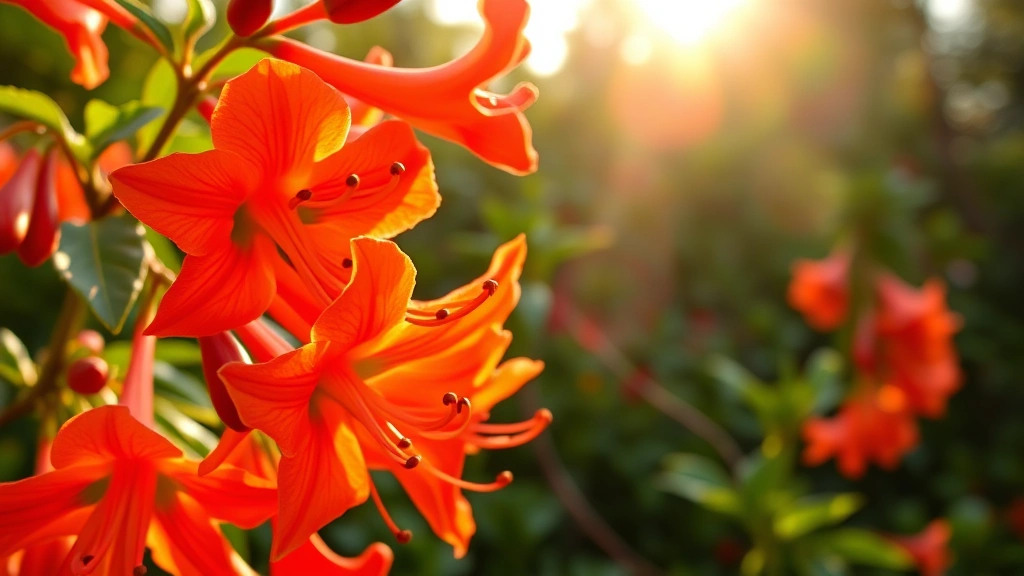
Grow Honeysuckle? Gardener-Approved Methods
Honeysuckle is one of the most rewarding vining plants you can introduce to your garden. With its delicate, fragrant tubular flowers and rapid growth habit, honeysuckle transforms ordinary garden spaces into fragrant havens that attract pollinators throughout the growing season. Whether you’re looking to create a living screen along a fence, add vertical interest to a bare wall, or establish a wildlife-friendly border, honeysuckle delivers both aesthetic beauty and practical benefits.
The genus Lonicera encompasses numerous species and cultivars, each with unique characteristics suited to different growing conditions and climate zones. From the classic Japanese honeysuckle to the native trumpet varieties, understanding the specific needs of your chosen honeysuckle variety is essential for success. This comprehensive guide walks you through everything you need to know about cultivating thriving honeysuckle plants, from initial planting through seasonal maintenance.
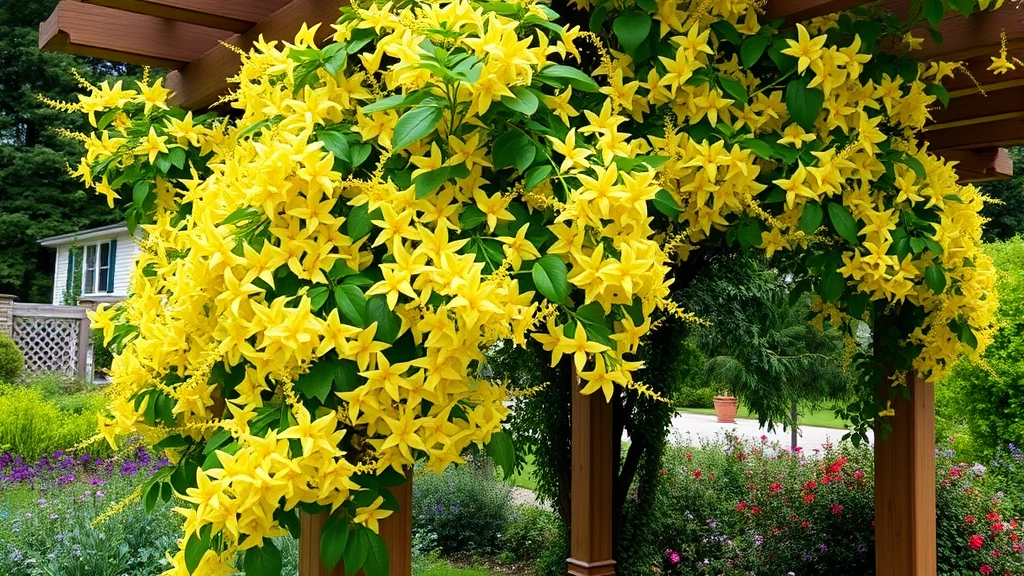
Choosing Your Honeysuckle Variety
Before you commit to growing honeysuckle, selecting the right variety for your region and intended use is crucial. Native honeysuckle species like trumpet honeysuckle (Lonicera sempervirens) and coral honeysuckle offer excellent performance in North American gardens while supporting local pollinators and wildlife. These varieties typically produce vibrant red-orange flowers and demonstrate superior disease resistance compared to some non-native alternatives.
Japanese honeysuckle (Lonicera japonica) is incredibly vigorous and fragrant, though it can become invasive in certain regions. Check with your USDA Forest Service or local cooperative extension before planting this variety. Hall’s Japanese honeysuckle is a popular cultivar with cream and yellow flowers, while Goldflame honeysuckle (Lonicera x heckrottii) produces stunning red and gold bicolor blooms on a more manageable vine. For cooler climates, consider Belgian honeysuckle or dropmore scarlet varieties that tolerate frost better.
Consider the mature size of your chosen variety—some honeysuckles grow 15-20 feet, while others remain more compact at 6-10 feet. Flower color preference matters too; options range from deep red and coral to white, pink, and yellow. Think about whether you want deciduous varieties that drop leaves in winter or evergreen types that provide year-round visual interest.
Site Selection and Soil Preparation
Honeysuckle thrives in full sun to partial shade, with most varieties performing best when receiving at least 6 hours of direct sunlight daily. In hotter climates, afternoon shade helps prevent flower fade and reduces heat stress during peak summer months. The location you select should provide sturdy support structures—trellises, arbors, fences, or pergolas—since honeysuckle naturally climbs using twining stems.
Regarding soil, honeysuckle is remarkably adaptable and tolerates poor to moderately fertile conditions. However, it performs best in well-draining soil with a neutral to slightly acidic pH (6.0-7.0). Before planting, amend heavy clay soils with compost or aged bark to improve drainage; honeysuckle despises waterlogged roots and develops root rot in persistently wet conditions. If you’re working with poor soil, consider building raised garden beds or incorporating significant organic matter into your planting area.
Test your soil’s drainage by digging a hole, filling it with water, and observing how quickly it drains. Ideally, water should drain within 24 hours. If drainage is sluggish, add perlite, sand, and compost to the planting mix. Honeysuckle planted in loose, friable soil establishes more quickly and develops stronger root systems than those planted in compacted earth.
Planting Honeysuckle: Step-by-Step
Spring and fall represent the optimal planting windows for honeysuckle, allowing plants to establish roots before extreme temperatures arrive. Container-grown honeysuckles can be planted throughout the growing season if kept consistently watered during establishment.
Step-by-step planting process:
- Dig a hole twice as wide as the root ball and equally deep, creating a shallow basin rather than a deep planting pit
- Gently remove the honeysuckle from its container and loosen the root ball with your fingers, carefully teasing apart circling roots
- Position the plant so the top of the root ball sits level with ground surface—never bury the crown
- Backfill with amended soil, pressing gently to eliminate air pockets
- Water thoroughly to settle the soil and hydrate the root system
- Apply 2-3 inches of mulch around the base, keeping it 3 inches away from the stem
- Install support structure immediately if the plant doesn’t have one nearby
Space multiple honeysuckle plants 4-6 feet apart along a fence or trellis, allowing room for mature growth without overcrowding. Position the plant so vines can naturally twine around their support; you may need to tie initial stems loosely to guide them in the right direction until they establish the twining habit.
Watering and Moisture Management
Newly planted honeysuckle requires consistent moisture during the first growing season while roots establish. Water deeply 2-3 times weekly, providing 1-2 inches per week depending on rainfall and temperature. Check soil moisture by inserting your finger 2 inches into the soil; water when this depth feels dry.
Established honeysuckle is quite drought-tolerant once rooted, though flowering improves with moderate watering during dry spells. During extended droughts lasting more than two weeks, provide supplemental water to maintain plant vigor and encourage continuous flowering. Drip irrigation or soaker hoses deliver water directly to roots while minimizing foliage wetness, reducing fungal disease risk.
Morning watering is preferable to evening irrigation, as it allows foliage to dry quickly and reduces conditions favorable to powdery mildew and other fungal issues. Avoid overhead sprinklers that wet leaves extensively. Mulching conserves soil moisture, moderates root temperature, and suppresses weeds—all factors supporting healthy honeysuckle growth.
Fertilizing for Optimal Growth
Honeysuckle is not a heavy feeder and often thrives in poor soil without supplemental fertilization. However, strategic feeding enhances flowering and vigor, particularly in nutrient-depleted gardens. Apply a balanced, slow-release fertilizer (10-10-10 or similar) in early spring as new growth emerges, following package directions for your plant size.
Avoid high-nitrogen fertilizers that promote excessive vegetative growth at the expense of flowers. If your honeysuckle seems sluggish or displays yellowing leaves, apply a dilute liquid fertilizer monthly during the growing season. Organic options like fish emulsion, seaweed extract, or compost tea provide gentle, slow-release nutrition that supports microbial soil health.
In established plantings, annual applications of compost or aged manure in spring provide adequate nutrition. Honeysuckle growing in cinder block garden beds or other raised structures may benefit from more frequent feeding since these soils typically drain faster and leach nutrients more readily than in-ground plantings.
Pruning and Training Your Vines
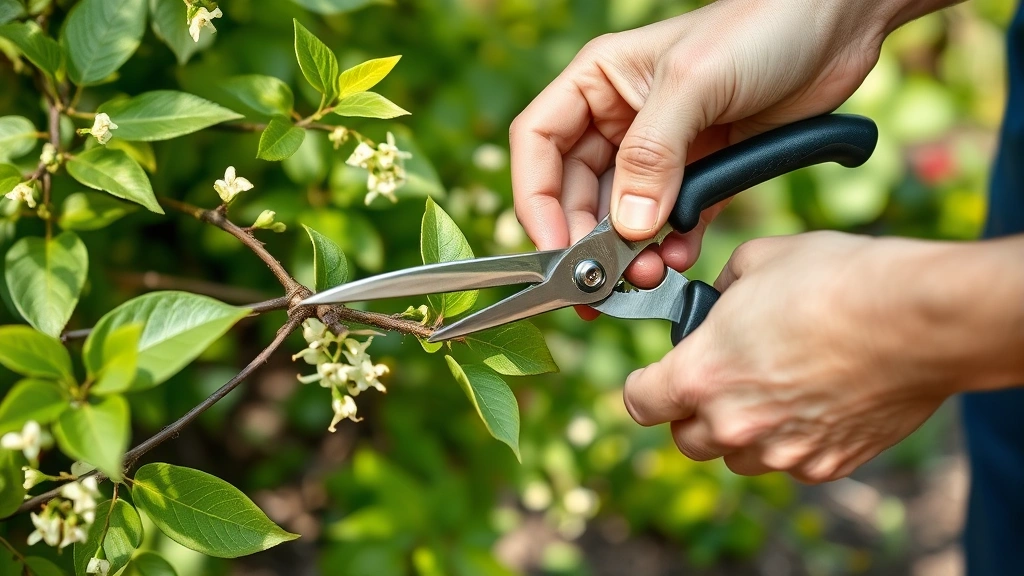
Pruning is essential for maintaining attractive honeysuckle plants and encouraging dense, floriferous growth. While honeysuckle tolerates heavy pruning, understanding when and how to prune maximizes flowering and plant health. Similar to pruning hydrangea bushes, timing matters significantly for honeysuckle.
Pruning timing and techniques:
- Spring pruning: In early spring before new growth emerges, remove dead or damaged canes and thin crowded growth. This pruning stimulates vigorous new shoots that flower prolifically
- Formative pruning: For young plants, selectively prune to encourage branching and create a fuller framework. Pinch growing tips regularly during the first season
- Summer maintenance: Remove spent flower clusters and wayward stems that grow beyond desired boundaries. This encourages reblooming and keeps plants tidy
- Fall considerations: Avoid heavy pruning in late fall, which stimulates tender new growth vulnerable to frost damage
Train honeysuckle vines by gently directing stems onto support structures using soft ties or twine. Once established, the plant’s natural twining habit takes over. If you need honeysuckle to grow along garden supports in specific directions, weave stems through the structure and secure them loosely until they develop the twining habit.
For overgrown or neglected honeysuckle, rejuvenation pruning is possible. Cut the entire plant back to 12-18 inches above ground in early spring; vigorous varieties typically regenerate completely within one growing season. This drastic approach eliminates disease and pest issues while promoting fresh, healthy growth.
Managing Pests and Diseases
Honeysuckle enjoys excellent pest and disease resistance, particularly native species. However, several issues can occasionally arise. Aphids sometimes colonize new growth, causing leaf curling and sticky residue. Spray affected areas with strong water pressure or use insecticidal soap for significant infestations. Spider mites cause stippled, yellowing foliage in hot, dry conditions; increase humidity and water regularly to discourage them.
Powdery mildew appears as white coating on leaves, particularly in humid conditions with poor air circulation. Improve air flow by pruning dense growth, ensure foliage dries quickly after watering, and apply sulfur dust or fungicidal spray if needed. Leaf spot diseases cause brown or yellow lesions on foliage; remove affected leaves and improve air circulation to prevent spread.
Honeysuckle sawfly larvae occasionally skeletonize leaves, leaving lacy patterns. Monitor for this pest in early summer and remove affected shoots if populations are small. The most effective management combines good cultural practices—proper spacing, adequate air flow, appropriate watering—with selective pesticide use only when pest populations threaten plant health.
Seasonal Care Calendar
Spring (March-May): Prune back winter-damaged growth, apply slow-release fertilizer, install or repair support structures, and monitor for emerging pests. Increase watering as temperatures rise and new growth accelerates. Flowering typically begins mid-to-late spring depending on variety and climate.
Summer (June-August): Maintain consistent watering, deadhead spent flowers to encourage continued blooming, and monitor for pests and diseases. Provide afternoon shade in extremely hot climates. Summer is the peak flowering period for most varieties; enjoy the fragrance and pollinator activity.
Fall (September-November): Reduce fertilizing to avoid stimulating tender fall growth. Allow plants to harden off naturally as temperatures cool. Enjoy fall foliage color if growing deciduous varieties. Avoid heavy pruning that might damage winter hardiness.
Winter (December-February): In cold climates, provide mulch protection for tender varieties. Prune only to remove dead or damaged wood. Use this dormant season to plan support structure improvements or garden redesign. Evergreen varieties provide winter interest and shelter for wildlife.
Consider honeysuckle’s companion planting potential—it pairs beautifully with clematis on the same trellis, creates stunning backdrops for fairy garden displays, and adds vertical interest near garden fountains and water features. The fragrance and nectar benefit butterflies, hummingbirds, and bees throughout the growing season.
FAQ
How long does honeysuckle take to establish?
Most honeysuckle varieties establish within 6-8 weeks of planting under good growing conditions. However, significant growth and flowering typically occur during the second growing season. Be patient with first-year plants; consistent watering and appropriate support encourage faster establishment.
Can I grow honeysuckle in containers?
Yes, compact honeysuckle varieties grow well in large containers (at least 15-20 gallons) with quality potting soil and regular watering. Container plants require more frequent feeding and watering than in-ground plantings. Provide sturdy stakes or small trellises for support.
Is honeysuckle toxic to pets?
While honeysuckle flowers and nectar are non-toxic, the berries can cause stomach upset in dogs and cats if consumed in quantity. Most pets avoid them, but supervise pets around heavily fruiting plants. Contact your veterinarian if your pet ingests significant quantities.
Why isn’t my honeysuckle flowering?
Insufficient sunlight is the most common cause—ensure your plant receives at least 6 hours of direct sun daily. Excessive nitrogen fertilization promotes foliage over flowers; use balanced formulations instead. Young plants may require 1-2 seasons before flowering heavily. Inadequate pruning can also reduce flowering; remove old, woody growth to stimulate fresh, flower-bearing shoots.
When should I propagate honeysuckle?
Propagate honeysuckle from softwood cuttings in early summer or hardwood cuttings in fall. Take 4-6 inch cuttings, remove lower leaves, and root them in moist perlite or potting soil under humid conditions. Rooting typically occurs within 3-4 weeks. Layering (burying a stem to encourage rooting) is also effective and requires less intervention.
How invasive is honeysuckle?
Native honeysuckle species are non-invasive and support local ecosystems. Japanese honeysuckle can become invasive in some regions, spreading via seeds and vegetative growth. Check with your local cooperative extension office or native plant society before planting non-native varieties. Responsible gardening means choosing appropriate plants for your region.


