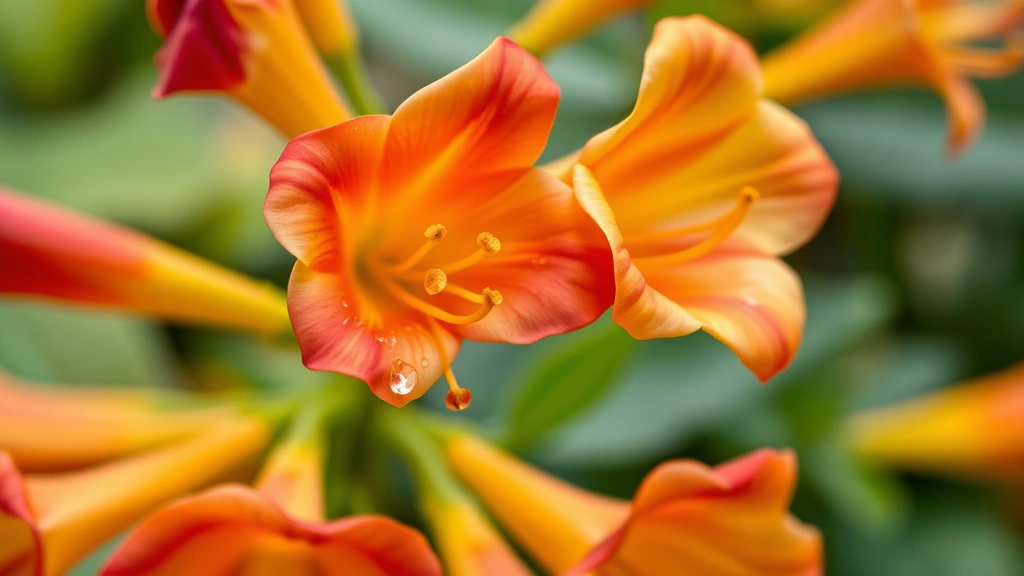
Honeysuckle is one of the most beloved climbing vines in gardening, prized for its fragrant, tubular flowers and ability to attract pollinators. Whether you’re looking to create a natural screen, add vertical interest to your landscape, or simply enjoy the sweet fragrance that fills your garden on warm evenings, growing honeysuckle is an achievable goal for gardeners of all skill levels. This comprehensive guide will walk you through everything you need to know about cultivating healthy, thriving honeysuckle plants in your garden.
With over 180 species of honeysuckle available, from vigorous climbing varieties to compact shrubs, there’s a perfect option for nearly every garden setting and climate zone. The key to success lies in understanding your specific honeysuckle variety, providing appropriate growing conditions, and implementing proper care techniques throughout the growing season. Whether you’re planting in full sun or partial shade, working with rich soil or challenging clay, this expert guide will help you master the art of honeysuckle cultivation.
Choosing the Right Honeysuckle Variety
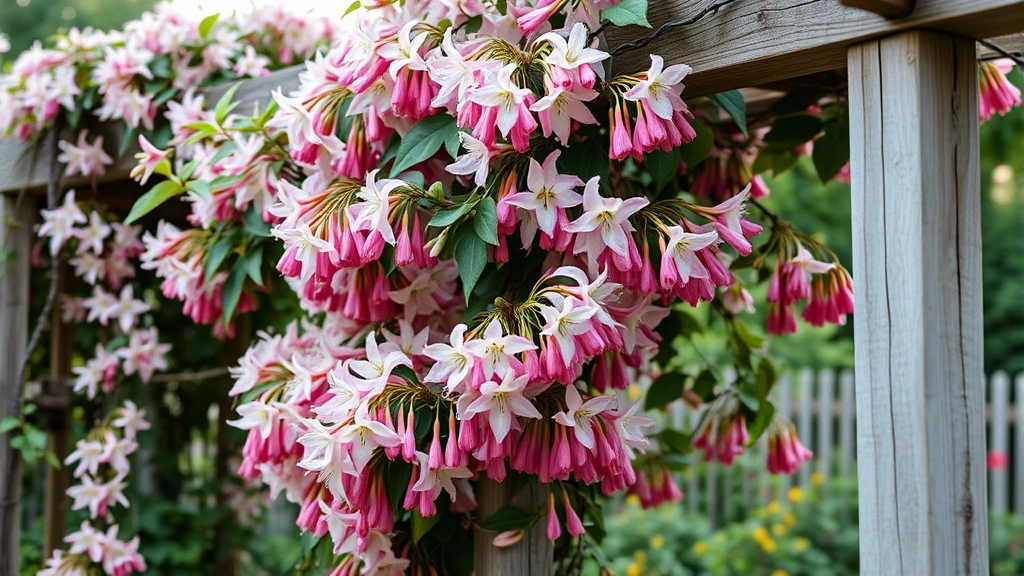
Before you dig a single hole, selecting the appropriate honeysuckle variety is crucial for long-term success. The two main categories are climbing honeysuckles and shrub honeysuckles, each with distinct characteristics and growth habits. Climbing varieties like Lonicera sempervirens (Trumpet Honeysuckle) and Lonicera periclymenum (Woodbine) can reach 15-20 feet in height, making them ideal for trellises, arbors, and pergolas. These vigorous growers produce abundant flowers and are particularly attractive to hummingbirds and bees.
Shrub honeysuckles, such as Lonicera tatarica (Tatarian Honeysuckle) and Lonicera maackii, typically grow 6-12 feet tall and work well as hedges or specimen plants. When selecting your variety, consider your USDA hardiness zone, as some species are more cold-hardy than others. The USDA Plant Hardiness Zone Map provides essential information about which varieties will thrive in your region. Japanese honeysuckle, while vigorous, can become invasive in some areas, so check local regulations before planting. Consider companion plantings like garden phlox or other flowering plants to create a diverse, visually interesting garden space.
Ideal Growing Conditions and Site Selection
Honeysuckle thrives in locations that receive at least 6 hours of direct sunlight daily, though many varieties tolerate partial shade exceptionally well. In fact, some cultivars perform better with afternoon shade in hot climates, preventing leaf scorch and stress during peak summer temperatures. If you’re working with a shaded area, honeysuckle can be an excellent choice among shade garden plants that still produce abundant blooms.
When selecting your planting site, consider air circulation as well. Good airflow helps prevent fungal diseases and keeps foliage healthy throughout the growing season. Avoid planting honeysuckle in low-lying areas where water tends to accumulate, as this can lead to root rot and other moisture-related problems. If you’re planning to use honeysuckle as a climbing vine, ensure you have sturdy support structures like trellises, fences, or pergolas in place before planting. The vines will need something substantial to climb, similar to how climbing roses require proper support structures.
Honeysuckle is remarkably adaptable to various soil conditions, though it prefers well-draining soil with a pH between 5.5 and 7.5. The plant tolerates poor soil, which makes it an excellent choice for difficult garden areas where other plants struggle. However, enriching the soil with organic matter will result in more vigorous growth and better flowering.
Soil Preparation and Planting Steps
Proper soil preparation sets the foundation for healthy honeysuckle growth. Begin by testing your soil to determine its composition and pH level. If your soil is heavy clay, amend it with compost, peat moss, or aged manure to improve drainage and add nutrients. For sandy soils that drain too quickly, incorporate organic matter to increase water retention and nutrient availability.
When planting honeysuckle, dig a hole twice as wide as the root ball and just as deep. This allows roots to spread easily into surrounding soil without encountering resistance. Gently remove the plant from its container and loosen the root ball slightly to encourage outward root growth. Position the plant so the top of the root ball is level with the ground surface—planting too deep can lead to stem rot and other issues.
Backfill the hole with amended soil, pressing gently to eliminate air pockets while avoiding excessive compaction. Water thoroughly after planting to settle the soil and establish good root-to-soil contact. Apply a 2-3 inch layer of organic mulch around the base of the plant, keeping it several inches away from the stem to prevent moisture-related diseases. Spring and fall are ideal planting seasons, though container-grown honeysuckle can be planted throughout the growing season with proper care.
Image placement 2 here
Watering and Moisture Management
Establishing proper watering habits is essential during the first growing season. Young honeysuckle plants need consistent moisture to develop strong root systems, though they shouldn’t be waterlogged. Water deeply but less frequently to encourage roots to grow deeper into the soil, creating more drought-tolerant plants. A quality garden hose with an adjustable nozzle allows you to water gently and thoroughly without causing soil erosion or foliage damage.
Once established, honeysuckle is quite drought-tolerant and requires watering primarily during extended dry periods. However, consistent moisture during the growing season promotes better flowering and overall vigor. Water at the base of the plant rather than overhead to minimize leaf wetness and reduce disease risk. In areas with regular rainfall, supplemental watering may not be necessary except during summer droughts. Container-grown honeysuckle requires more frequent watering, as pots dry out faster than in-ground soil. Check soil moisture regularly and water when the top inch feels dry to the touch.
Fertilizing Your Honeysuckle Plants
Honeysuckle is not a heavy feeder and often thrives without supplemental fertilization, especially if planted in soil enriched with organic matter. However, applying a balanced, slow-release fertilizer in early spring can promote vigorous growth and abundant flowering. Choose a fertilizer with equal nitrogen, phosphorus, and potassium ratios, such as a 10-10-10 formula, applied according to package directions.
For established plants, an annual application of compost or well-rotted manure in spring provides sufficient nutrients for healthy growth. Avoid excessive nitrogen fertilization, which promotes leafy growth at the expense of flowers. If your honeysuckle isn’t blooming well, consider other factors like light levels, pruning practices, or variety selection before increasing fertilizer application. Container-grown honeysuckle may benefit from monthly diluted fertilizer applications during the growing season, as nutrients leach out with regular watering.
Pruning and Training Techniques
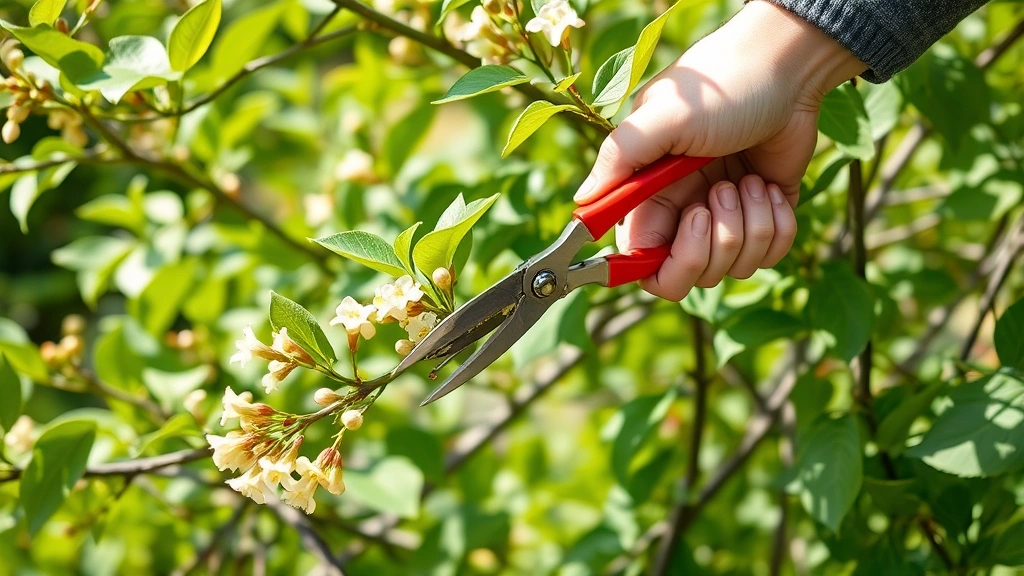
Pruning is essential for maintaining honeysuckle’s shape, promoting dense growth, and encouraging abundant flowering. The best time to prune is in late winter or early spring before new growth emerges. For climbing varieties, thin out weak or overcrowded stems and remove any dead or diseased wood. Cut back vigorous growth to maintain the desired size and shape, remembering that honeysuckle responds well to pruning and will quickly regrow.
To train climbing honeysuckle on a trellis or arbor, gently guide stems along the support structure and secure them with soft ties or clips that won’t damage the vines. As the plant grows, it will naturally climb and weave through the structure. Pinching back the tips of young shoots encourages branching and denser foliage coverage. For shrub varieties, annual pruning after flowering maintains compact form and promotes better branching.
Remove any crossing branches or stems that grow inward toward the center of the plant. This improves air circulation and reduces disease risk. If your honeysuckle has become overgrown or neglected, it responds well to hard pruning—you can cut it back by half or more in late winter, and it will regenerate with vigor. Regular pruning also prevents the plant from becoming too heavy or unbalanced on its support structure.
Pest and Disease Management
Honeysuckle is generally hardy and pest-resistant, but a few issues occasionally occur. Aphids sometimes infest new growth, causing curled or distorted leaves. Spray affected areas with a strong stream of water to dislodge aphids, or apply insecticidal soap if infestations are severe. Japanese beetles may chew honeysuckle foliage but rarely cause serious damage to established plants.
Powdery mildew can develop in humid conditions with poor air circulation, appearing as a white coating on leaves. Improve air flow by pruning out dense growth, avoiding overhead watering, and ensuring adequate spacing between plants. If powdery mildew appears, apply sulfur dust or neem oil according to product directions. Spider mites occasionally appear during hot, dry periods—increase humidity by misting foliage or providing supplemental water to discourage these pests.
Root rot is the most serious disease concern, typically resulting from waterlogged soil or planting too deeply. Prevention through proper drainage and correct planting depth is far more effective than treatment. If root rot develops, improve drainage immediately and reduce watering frequency. Removing affected portions of the plant and repotting in fresh soil may save container-grown specimens.
Image placement 3 here
Seasonal Care Guide
Spring: As temperatures warm, prune honeysuckle to remove winter damage and shape the plant. Apply slow-release fertilizer and fresh mulch around the base. Monitor for emerging pests and diseases. Begin training new growth on support structures if desired.
Summer: Water regularly during dry periods, especially for newly planted specimens. Deadhead spent flowers to encourage continued blooming (though this is optional, as honeysuckle flowers prolifically). Watch for pest infestations and treat promptly if necessary. Enjoy the fragrant blooms and visiting hummingbirds and bees.
Fall: Reduce watering as growth slows and temperatures cool. Avoid fertilizing after midsummer, as this stimulates tender new growth vulnerable to frost damage. Enjoy the changing foliage colors on some varieties. Leave seed heads in place if you want birds to enjoy the berries.
Winter: Honeysuckle requires minimal care during dormancy. In cold climates, apply extra mulch around the base of the plant for insulation. Avoid pruning except to remove dead or damaged wood, as this can stimulate tender new growth. Evergreen varieties maintain their foliage and may still attract winter-visiting birds.
You can also enhance your garden with garden decoration elements that complement your honeysuckle plantings, such as decorative trellises or arbors that serve as both functional supports and beautiful focal points.
FAQ
How long does it take honeysuckle to become established?
Most honeysuckle varieties establish within the first year with proper care, though they may not reach full size for 2-3 years. Container-grown plants typically establish faster than bare-root specimens. Consistent watering and appropriate pruning during the first season encourages strong root development and faster establishment.
Can I grow honeysuckle in containers?
Yes, honeysuckle grows well in containers, provided the pot has drainage holes and is large enough (at least 18-20 inches diameter for most varieties). Use quality potting mix and ensure consistent moisture without waterlogging. Container plants may require more frequent watering and fertilizing than in-ground specimens. A raised bed option like a galvanized steel raised garden bed can also work well for honeysuckle if you prefer a semi-permanent planting solution.
Why isn’t my honeysuckle blooming?
Insufficient light is the most common reason for poor flowering. Ensure your honeysuckle receives at least 6 hours of direct sunlight daily. Other causes include excessive nitrogen fertilization (promoting leaves over flowers), insufficient pruning, or wrong variety selection. Some honeysuckle varieties bloom on new growth, while others flower on previous year’s wood—understanding your specific variety helps optimize blooming.
Is honeysuckle invasive?
Some honeysuckle species, particularly Japanese honeysuckle, can become invasive in certain regions. Check with your local extension service or native plant society before planting. Native honeysuckle species like trumpet honeysuckle are excellent non-invasive alternatives that still attract pollinators and provide beautiful blooms.
How often should I prune honeysuckle?
Prune honeysuckle once annually in late winter or early spring, or immediately after flowering for summer-blooming varieties. Light pruning and deadheading can occur throughout the growing season as desired. Established plants tolerate heavy pruning and will regenerate quickly, though this should be reserved for overgrown specimens.
What’s the difference between climbing and shrub honeysuckle?
Climbing honeysuckles are vigorous vines that reach 15-20+ feet and require support structures, making them ideal for trellises and arbors. Shrub honeysuckles are more compact, typically 6-12 feet tall, and grow as rounded bushes without support. Choose based on your space, landscape design goals, and desired function in your garden.


