The garden world holds countless secrets that separate thriving landscapes from struggling plots. Professional gardeners spend years perfecting techniques that most home enthusiasts never discover, yet these proven strategies are entirely within reach. Whether you’re cultivating your first vegetable patch or expanding an established landscape, understanding the insider knowledge that garden experts rely on can transform your outdoor space into a productive, beautiful sanctuary.
This comprehensive guide reveals the professional secrets that the garden world has kept close for decades. From soil preparation to seasonal timing, from water management to plant selection, we’ll explore the foundational principles and advanced techniques that separate ordinary gardens from extraordinary ones. These aren’t complicated theories—they’re practical, actionable insights you can implement immediately.
The Soil Foundation Secret
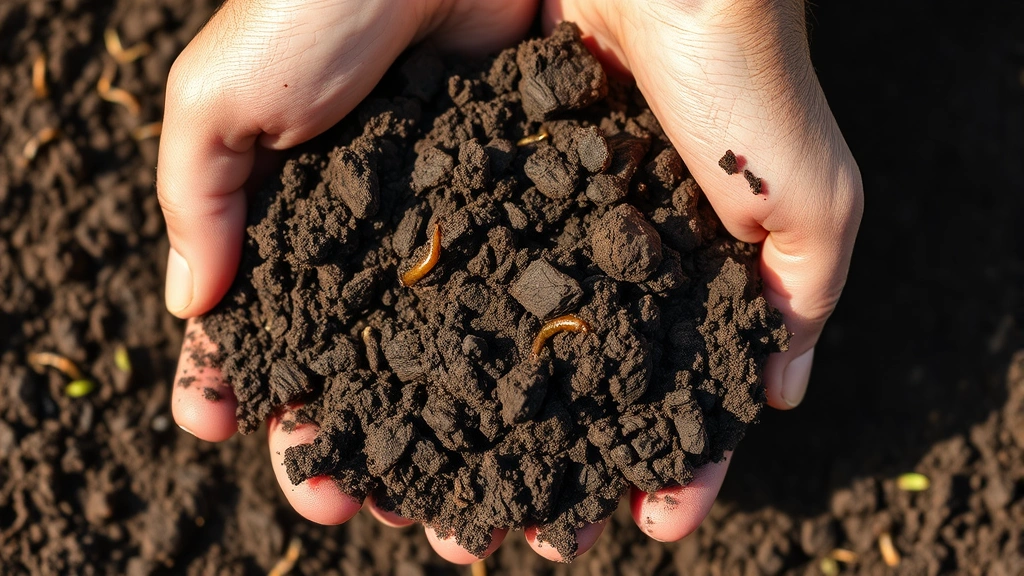
Professional gardeners understand that everything begins with soil. While novices often focus on plants, experts know that superior soil creates superior gardens. The garden world’s best-kept secret is that soil quality determines approximately 80% of your gardening success. Testing your soil before planting isn’t optional—it’s fundamental.
Most gardeners fail to understand soil composition. The ideal growing medium contains a balanced mixture of sand, silt, and clay particles, along with abundant organic matter. When you use the best soil for a garden bed, you’re not just buying dirt; you’re investing in biological activity, nutrient availability, and water retention capacity.
Professional tip: Add 2-3 inches of compost annually to existing beds. This single practice improves soil structure, increases nutrient content, enhances microbial populations, and improves water-holding capacity simultaneously. Many gardeners spend money on fertilizers when their real need is better soil organic matter.
Soil pH matters more than most home gardeners realize. Most vegetables prefer slightly acidic soil (pH 6.0-7.0), while blueberries and rhododendrons demand acidic conditions (pH 4.5-5.5). A simple soil test from your local cooperative extension service reveals your soil’s pH, nutrient levels, and organic matter percentage. This $15-30 investment prevents years of frustration.
Professionals also understand soil drainage. Clay soils retain too much water, leading to root rot and fungal diseases. Sandy soils drain too quickly, requiring frequent watering. The secret is amending both types with organic matter, which moderates drainage and creates the “Goldilocks” soil that plants love.
Water Wisdom Professionals Know
Watering seems simple, but improper irrigation kills more plants than pests or diseases combined. The garden world’s professionals know that deep, infrequent watering beats shallow, frequent watering in virtually every situation. Shallow watering encourages shallow root systems, making plants vulnerable to drought stress.
Timing matters tremendously. Water early morning, ideally between 6-8 AM. This allows foliage to dry quickly, reducing fungal disease pressure. Evening watering leaves plants wet overnight, creating ideal conditions for powdery mildew, leaf spots, and other pathogens. Midday watering wastes water through evaporation.
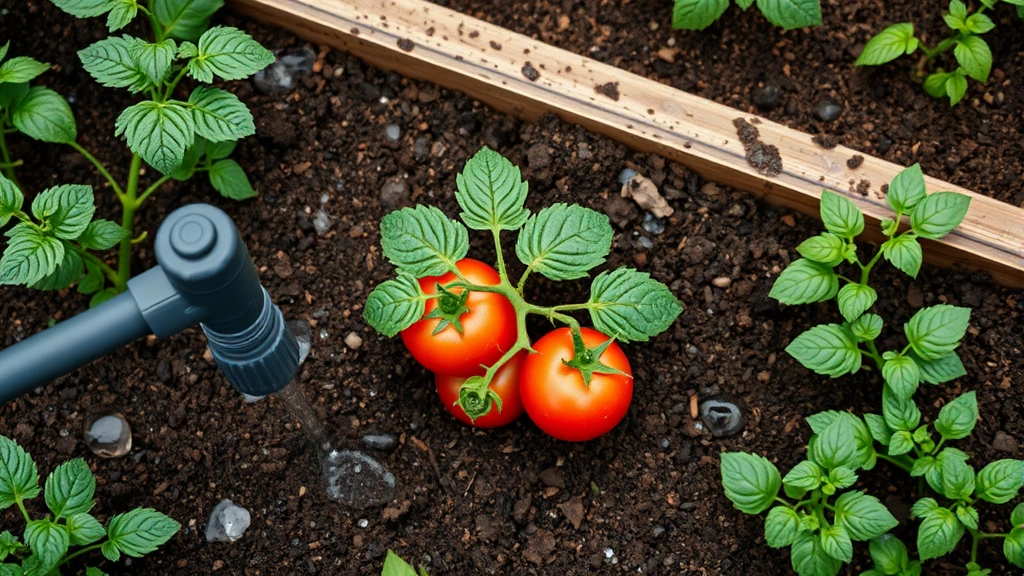
When selecting equipment, a quality best garden hose with drip irrigation attachments delivers water directly to soil, minimizing foliage wetness. Drip systems deliver water slowly, allowing deep soil penetration and reducing runoff. This method uses 50% less water than overhead sprinklers while delivering superior plant health.
Professional gardeners use soil moisture as their watering guide, not calendar dates. Stick your finger two inches into soil; if it feels moist, wait. If it feels dry, water thoroughly until water drains from the bottom of containers or penetrates six inches into garden beds. This simple technique prevents both overwatering and underwatering.
Container plants require different strategies than in-ground gardens. Containers dry rapidly, sometimes needing daily watering in summer heat. However, consistent moisture is crucial—wilting plants experience stress that reduces productivity and increases pest vulnerability.
Timing and Seasonal Strategy
The garden world operates on seasonal rhythms that home gardeners often ignore. Professional landscapers and growers plan their entire year around these natural cycles. Understanding your local first and last frost dates is absolutely essential—these dates define your growing season and determine what you can plant when.
Spring preparation begins in late winter or early fall, depending on your climate. Professionals start seeds indoors 6-8 weeks before the last spring frost, giving transplants time to develop strong root systems. They prepare beds in autumn, allowing winter weather to break up soil clods and integrate amendments.
Summer demands vigilance. Heat stress, pest pressure, and disease pressure all peak simultaneously. Professionals mulch heavily (3-4 inches) to moderate soil temperature, conserve moisture, and suppress weeds. They monitor plants daily for pest or disease signs, intervening at the first indication of problems when treatments are most effective.
Fall is planting season in many regions. Cool-season crops like lettuce, broccoli, and spinach thrive in autumn’s moderate temperatures. Perennials planted in fall establish stronger root systems than spring plantings. Professionals prepare for winter by clearing dead annuals, dividing perennials, and protecting tender plants.
Winter isn’t dormant time for professional gardeners. They plan next year’s garden, order seeds (early January for popular varieties), maintain tools, and review the previous year’s successes and failures. This planning phase is when they decide what worked, what didn’t, and how to improve.
Plant Selection Mastery
Choosing appropriate plants separates successful gardens from constant struggles. The garden world’s professionals understand that right plant, right place eliminates 90% of gardening problems. A sun-loving plant in shade will never thrive, no matter how perfect your soil or watering.
Assess your site conditions honestly. How many hours of direct sunlight does each area receive? Full sun means 6+ hours of direct sun daily; partial shade means 3-6 hours; full shade means less than 3 hours. Most vegetables and flowers require full sun. Shade plants exist, but they’re specialized for low-light conditions.
Hardiness zones matter tremendously. The USDA Plant Hardiness Zone Map divides North America into zones based on average minimum winter temperatures. A plant rated for zone 5 likely won’t survive zone 3 winters. Conversely, plants adapted to cold climates often struggle in hot, humid conditions. Check your zone at USDA Plant Hardiness Zone Map and select plants accordingly.
Professionals also consider mature plant size. A shrub advertised as “dwarf” might still reach 8 feet tall. Planting trees and shrubs too close creates crowding, poor air circulation, and future pruning headaches. Check the plant tag or research mature dimensions before planting.
Native plants deserve special consideration. Plants native to your region evolved to thrive in your climate, soil, and moisture conditions. They require less fertilizer, water, and pest management than non-native species. Native plants also support local wildlife and pollinators better than ornamental exotics.
Raised Beds and Structures
Professional vegetable gardeners often prefer raised beds over in-ground gardens. Learning how to make a raised garden bed opens possibilities that ground-level gardening can’t match. Raised beds warm up faster in spring, drain better, allow easier access, and let you control soil quality completely.
Raised bed dimensions matter. A width of 3-4 feet allows you to reach the center from either side without stepping into the bed. Length can be any size, but 6-8 feet is manageable. Height of 12-18 inches works for most vegetables; root crops and perennials benefit from 18-24 inches.
The garden world’s professionals fill raised beds with quality soil for garden beds rather than native soil. A mixture of 40% topsoil, 40% compost, and 20% perlite or aged bark creates an ideal growing medium that’s loose, nutrient-rich, and well-draining. This investment pays dividends through superior plant performance.
Vertical structures like trellises, stakes, and cages maximize space while improving air circulation. Tomatoes, cucumbers, beans, and peas grow beautifully on supports, freeing ground space for other crops. Vertical growing also makes harvesting easier and reduces disease pressure by improving airflow.
Garden structures extend beyond functionality. Garden arbors and garden decor elements create visual interest while supporting climbing plants. Professionals design these structures as integral garden elements, not afterthoughts. A well-placed arbor frames views, creates focal points, and provides climbing support simultaneously.
Pest and Disease Prevention
The garden world’s most important secret about pests: prevention beats treatment every time. Professional gardeners focus on preventing pest and disease problems rather than reacting to them. This approach uses fewer chemicals, costs less money, and produces healthier plants.
Sanitation is the first line of defense. Remove fallen leaves, dead plant material, and garden debris promptly. Many pests and diseases overwinter in plant debris. Clearing your garden in fall eliminates pest habitat and reduces spring pest populations dramatically. Sterilize pruning tools between cuts using a 10% bleach solution to prevent disease spread.
Healthy plants resist pests and diseases better than stressed plants. This is why proper soil, appropriate watering, and correct plant placement are so important. A vigorous plant in ideal conditions often survives pest pressure that would kill a stressed plant in poor conditions.
Encourage beneficial insects. Ladybugs, lacewings, parasitic wasps, and ground beetles control pest populations naturally. Attract these allies by planting flowers like alyssum, yarrow, and coneflowers near vegetable gardens. Leave some areas unmulched where ground beetles can shelter.
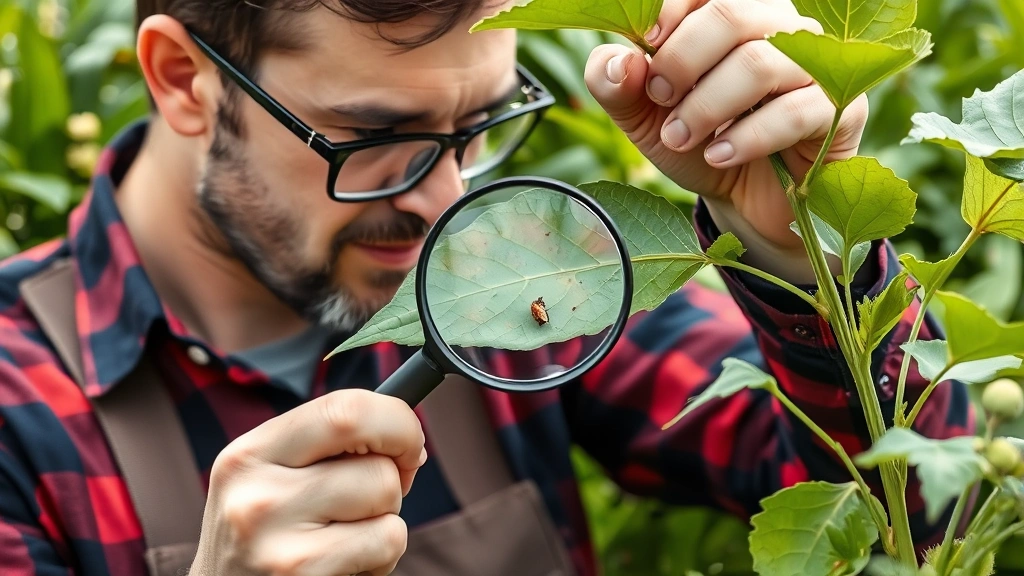
Monitor plants regularly. Inspect the undersides of leaves weekly, looking for pest eggs or damage. Catch infestations early when they’re easiest to control. Early intervention might mean removing a few affected leaves rather than treating the entire plant.
Composting Excellence
Professional gardeners understand that compost is black gold for gardeners. Rather than buying expensive amendments, they create their own compost from garden and kitchen waste. This practice recycles nutrients, improves soil, and reduces waste simultaneously.
Composting isn’t complicated. Layer green materials (grass clippings, vegetable scraps, fresh plant trimmings) with brown materials (dried leaves, shredded paper, wood chips) in a 1:2 ratio. Keep the pile moist (like a wrung-out sponge) and turn it weekly for faster decomposition. Finished compost appears dark brown, crumbly, and earthy-smelling.
An indoor herb garden generates kitchen scraps perfect for composting. Rather than throwing away vegetable trimmings, herb stems, and plant material, add them to your compost pile. This practice reduces waste while creating soil amendments.
Cold composting (piling materials and waiting) takes 6-12 months but requires no effort. Hot composting (actively managing materials) produces finished compost in 6-8 weeks. Most home gardeners use a hybrid approach: accumulating materials throughout the year, then actively composting in spring and fall.
Never compost diseased plant material, pest-infested plants, or weed seeds. These materials survive the composting process and spread problems throughout your garden. Diseased material should be destroyed (burned if legal) or disposed of in yard waste.
FAQ
What’s the single most important gardening secret?
Soil quality determines garden success more than any other factor. Invest in soil testing and improvement before worrying about plants or equipment. Superior soil creates superior gardens almost automatically.
How often should I water my garden?
Water deeply but infrequently, allowing soil to dry slightly between waterings. Most gardens need 1-2 inches of water weekly, but this depends on soil type, weather, and plant needs. Water early morning and check soil moisture before watering.
When should I start a vegetable garden?
Start planning in late winter by ordering seeds and preparing beds. Plant cool-season crops in early spring and fall. Plant warm-season crops after the last spring frost when soil warms to 60°F or higher.
How can I improve poor soil?
Add 2-3 inches of compost annually and test soil pH. Work amendments into the top 8-12 inches of soil. For severely poor soil, consider creating raised garden beds with quality soil rather than trying to rehabilitate existing soil.
What’s the best way to prevent garden pests?
Focus on prevention: maintain plant health, practice sanitation, encourage beneficial insects, and monitor plants regularly. Healthy plants in ideal conditions resist pests naturally. Early detection allows intervention before infestations become severe.
Is organic gardening more difficult than conventional?
Organic gardening requires understanding natural processes and prevention strategies rather than relying on chemicals. Once you master soil health, plant selection, and pest prevention, organic gardening is often easier and less expensive than conventional approaches.


