Choosing Garden Stools? Designer Insights for Comfort and Functionality
Garden stools are often overlooked accessories, yet they serve as essential tools that bridge the gap between comfort and practicality in outdoor spaces. Whether you’re tending to raised bed gardening or spending hours weeding flower beds, the right garden stool can transform your gardening experience from exhausting to enjoyable. A well-chosen stool reduces strain on your knees, back, and joints while keeping you at the perfect working height for various gardening tasks.
Garden stools have evolved far beyond simple wooden benches. Modern designs incorporate ergonomic principles, weather-resistant materials, and aesthetic appeal that complements contemporary garden design. Designers and professional gardeners agree that investing in quality garden seating is as important as selecting the right tools or soil amendments. The intersection of form and function in garden stool selection reveals much about how we approach outdoor living spaces.
This comprehensive guide explores the nuances of choosing the perfect garden stool for your unique needs, drawing on designer insights and practical gardening experience to help you make an informed decision.
Understanding Garden Stool Types
Garden stools come in several distinct categories, each designed for specific gardening scenarios and user preferences. Understanding these types helps narrow your selection based on your gardening style and workspace setup.
Kneeling stools represent the most specialized category, featuring a cushioned kneeling surface with handles on either side. These are particularly valuable when working with soil preparation in raised beds, allowing gardeners to distribute their weight evenly across the knees rather than concentrating pressure in one area. The handles provide crucial support for standing up, making them especially beneficial for older gardeners or those with mobility concerns.
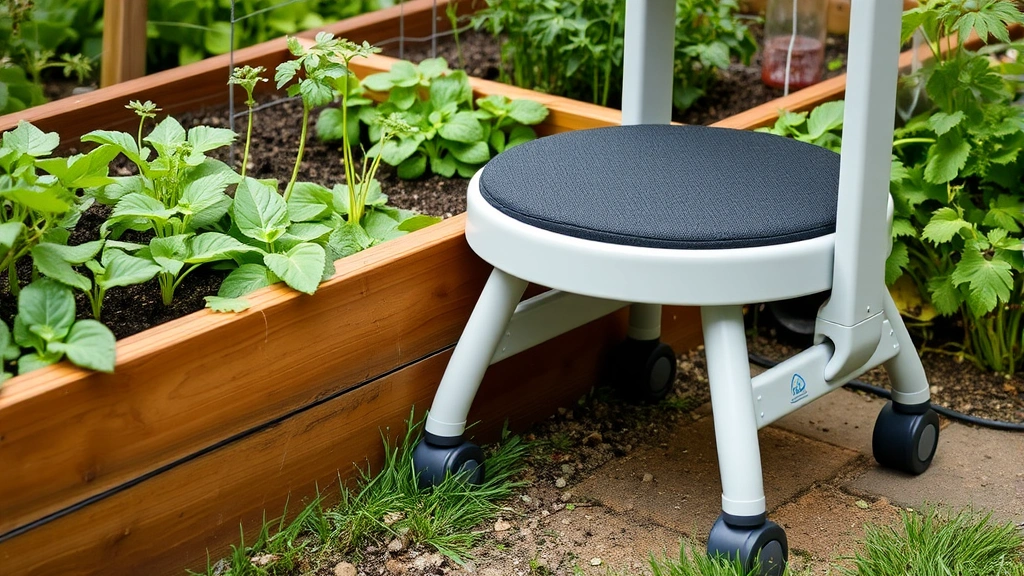
Wheeled garden stools offer unprecedented mobility, allowing you to roll from one section of your garden to another without standing. These are ideal for larger garden spaces and lengthy gardening sessions. The wheels typically lock in place to prevent rolling while you work, providing stability when needed. Designers favor wheeled stools for their dual functionality—they serve as both a seat and a mobile platform for tools.
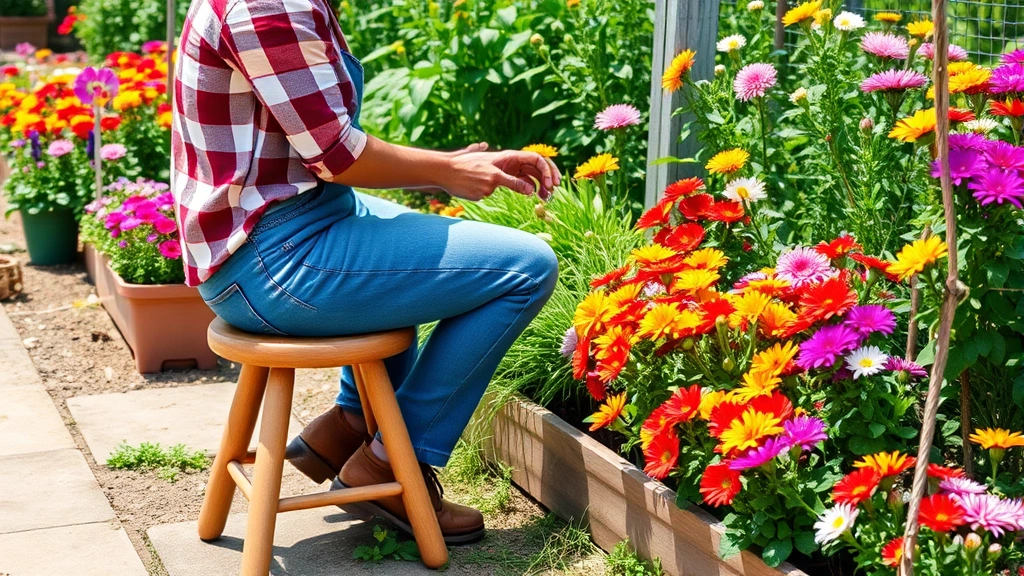
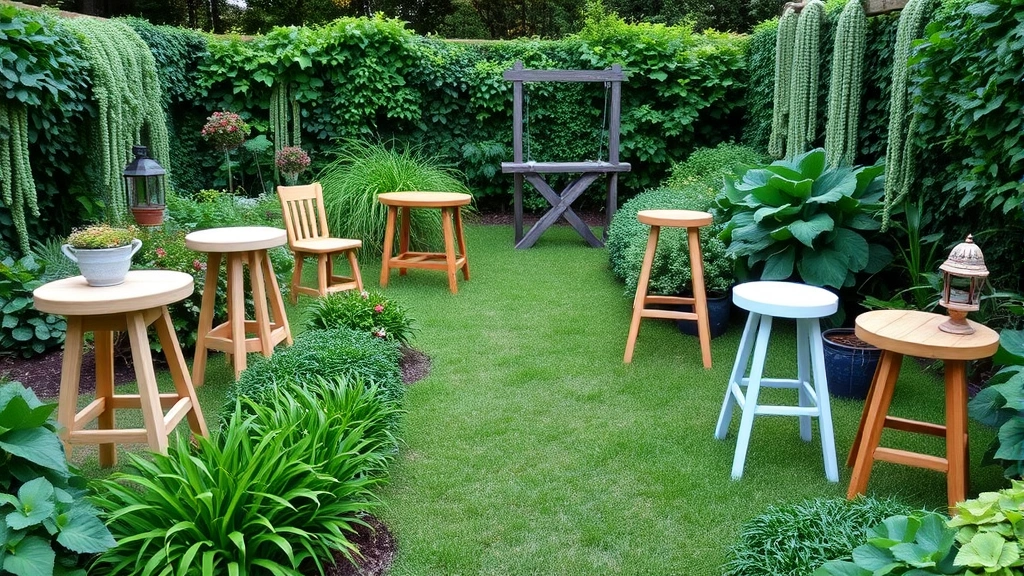
Traditional three-legged stools represent a timeless design that works well in most garden settings. Their triangular footprint provides stability on uneven ground, a critical advantage when working around garden beds and trellises. These stools typically offer a height range suitable for most gardening tasks and rarely tip over, even on slopes.
Bench-style garden seats accommodate multiple people and provide more surface area for tool storage. These work wonderfully in larger gardens where you might spend extended time working or where family members join you for gardening activities. They often feature storage compartments underneath, maximizing functionality in compact spaces.
Folding garden stools combine portability with functionality, ideal for gardeners with limited storage space. These collapse for easy transport and storage, making them perfect for apartment dwellers with balcony gardens or those who move their gardening setup seasonally.
Material Considerations for Durability
The material composition of your garden stool directly impacts its longevity, maintenance requirements, and overall performance in outdoor conditions. Designer recommendations consistently emphasize choosing materials that withstand your specific climate while requiring minimal upkeep.
Teak wood stands as the gold standard for wooden garden furniture. This tropical hardwood naturally resists rot, insect damage, and moisture, making it exceptionally durable in humid climates. Teak develops a beautiful silver-gray patina over time, which many designers find aesthetically appealing. The investment in teak stools pays dividends over years of use, though the initial cost is higher than other materials.
Recycled plastic lumber offers an eco-friendly alternative that mimics wood’s appearance while providing superior weather resistance. These stools require virtually no maintenance—no staining, sealing, or treating necessary. They resist splinters, fading, and rotting, making them ideal for coastal areas or regions with intense sun exposure. The material comes in various colors that coordinate with modern garden designs.
Aluminum frames paired with fabric or cushioned seats create lightweight options perfect for frequent repositioning. Aluminum naturally resists corrosion, though salt spray environments may eventually cause oxidation. Many designer-approved models combine aluminum frames with weather-resistant textiles for optimal durability.
Metal with powder coating provides affordable durability, especially when the coating is high-quality and applied properly. Inspect stools carefully for any chips in the coating, as exposed metal underneath will rust. This material works well in dry climates but requires more maintenance in humid regions.
High-density polyethylene (HDPE) cushions offer comfort while resisting moisture absorption, mildew, and UV damage. These cushions outlast standard foam by years and maintain their shape through countless seasons. Designers increasingly specify HDPE for upscale garden furniture.
When selecting materials, consider your local climate, sun exposure, and rainfall patterns. A stool perfect for Arizona’s dry climate might deteriorate quickly in Florida’s humid conditions. Check manufacturer specifications regarding UV resistance, moisture protection, and temperature tolerance ranges.
Ergonomic Features That Matter
Proper ergonomics prevent injury and reduce fatigue, transforming gardening from a painful chore into an enjoyable activity. Professional designers and physical therapists have collaborated to develop features that genuinely support your body during extended gardening sessions.
Lumbar support becomes increasingly important as you age or spend longer periods gardening. Stools with curved backrests support your lower spine’s natural curve, preventing slouching that leads to back pain. Some premium models offer adjustable lumbar support, allowing customization to your specific spinal needs.
Armrests serve multiple purposes beyond comfort. They provide leverage for standing up, distribute weight more evenly across your body, and reduce strain on shoulder and neck muscles. Wide, padded armrests work better than thin versions, as they distribute pressure across a larger surface area.
Cushioning density significantly impacts comfort during extended use. Memory foam or high-density foam maintains support longer than standard cushioning, which compresses and flattens over time. Test cushioning by sitting for several minutes—good cushioning should feel supportive rather than squishy.
Footrests prevent blood circulation issues that occur when feet dangle above ground. Proper footrest height allows your feet to rest flat, reducing pressure on your thighs and improving overall comfort during long gardening sessions.
Swivel mechanisms on wheeled models reduce twisting motions that strain your spine. A 360-degree swivel allows you to reach different areas without repositioning your entire body, minimizing repetitive strain injuries.
The best ergonomic features feel natural rather than restrictive. You shouldn’t feel like you’re sitting in a specialized medical device—quality garden stools balance support with freedom of movement, allowing you to work naturally while your body receives proper support.
Height and Working Comfort
Stool height directly affects your ability to work comfortably and efficiently, yet many gardeners overlook this crucial factor. Designers emphasize matching stool height to your specific gardening tasks and personal proportions.
Standard seat heights typically range from 14 to 18 inches, suitable for most general gardening tasks. When seated, your thighs should be parallel to the ground, and your feet should rest flat on the ground or on a footrest. This positioning prevents circulation problems and reduces strain on your knees and hips.
Task-specific heights matter more than many gardeners realize. Working with flower garden designs at ground level might require lower stools (10-12 inches), while working with raised beds at waist height needs taller stools (20-24 inches). Consider the average height of your garden beds and choose accordingly.
Adjustable height stools provide versatility for gardeners with multiple work areas at different heights. These allow you to customize seating for various tasks without purchasing multiple stools. Hydraulic adjustment mechanisms work smoothly, while some models use simple pin systems for height adjustment.
Your personal proportions matter as much as standard measurements. Taller gardeners may need higher stools, while shorter individuals might find standard heights uncomfortable. Before purchasing, sit on the stool and verify that your thighs are parallel to the ground and you can reach your work comfortably.
Professional gardeners often keep multiple stools at different heights for various tasks. A kneeling stool for ground-level work, a medium-height seat for raised bed work, and a taller stool for standing support creates an optimized gardening environment.
Design Aesthetics and Garden Integration
Beyond functionality, your garden stool contributes to your outdoor space’s overall aesthetic. Designers increasingly treat garden furniture as integral design elements rather than purely utilitarian objects, and this philosophy extends to stools.
Color coordination with your garden design creates visual cohesion. Earth tones like terracotta, sage green, and warm grays complement most garden styles. Consider your home’s exterior color, fence materials, and hardscape elements when selecting stool colors. A stool that clashes with your garden’s palette becomes visually jarring despite excellent functionality.
Style compatibility ensures your stool enhances rather than detracts from your garden’s character. Contemporary gardens benefit from sleek aluminum or modern plastic designs, while cottage gardens suit traditional wooden stools. Formal gardens work better with symmetrical, refined designs, whereas naturalistic gardens accommodate more organic, rustic styles.
Material aesthetics evolve over time. Teak develops distinguished gray patina, while some recycled plastic maintains bright colors indefinitely. Some gardeners prefer the changing appearance of natural materials, while others want consistency. Understanding how your chosen material will look in five or ten years helps with long-term satisfaction.
Visibility and placement matter in design-conscious gardens. A beautiful stool can remain in your garden year-round without appearing messy, while less attractive models might be stored between uses. Premium designer stools often look intentional in garden spaces, like garden art rather than equipment.
When selecting a stool, photograph it in your actual garden space before purchasing if possible. Many garden centers allow temporary placement to visualize how it will look among your plants and hardscape. This simple step prevents aesthetic regrets after purchase.
Storage and Portability Solutions
Practical gardeners recognize that even the most perfect stool becomes problematic if storage or transport is difficult. Designers increasingly incorporate smart storage and portability features into garden stool designs.
Lightweight construction without sacrificing durability enables easy movement around your garden. Aluminum frames with cushioned seats typically weigh 10-15 pounds, light enough for most people to carry one-handed while holding garden tools in the other hand.
Folding mechanisms reduce storage footprint dramatically. A stool that folds flat takes minimal closet or shed space, making it ideal for gardeners with limited storage. Quality folding mechanisms use sturdy hinges and locking systems that don’t accidentally collapse mid-use.
Built-in handles facilitate carrying and repositioning throughout your garden. Some designer models incorporate handles that double as armrests, serving dual purposes. Look for handles positioned ergonomically—they should be at a natural carrying height.
Integrated tool storage adds functionality without requiring additional space. Bench-style stools often feature underseat storage for hand tools, gloves, and small supplies. This keeps frequently-used items accessible while maintaining garden organization.
Compact designs work well in smaller gardens or urban settings. Some three-legged stools collapse to a remarkably small footprint, perfect for apartment balcony gardens or container-based cut flower gardens.
Consider your typical gardening workflow when evaluating portability. If you move your stool constantly, lightweight and compact designs matter more. If your stool stays in one location, weight and portability become less critical factors.
Budget-Friendly Options
Quality garden stools range from budget-friendly to premium prices, and excellent options exist at every price point. Understanding where to invest and where to save helps you maximize value.
Entry-level stools (under $50) often feature basic plastic or metal construction with minimal cushioning. These work fine for occasional light use but may disappoint if you’re a serious gardener spending hours weekly in your garden. Durability may be limited, with materials fading or degrading within a few seasons.
Mid-range options ($50-$200) offer significant quality improvements with better materials, improved cushioning, and more thoughtful design. This price range provides the best value for most home gardeners, delivering durability and comfort without excessive expense.
Premium stools ($200+) feature high-grade materials, superior construction, and design credentials. These justify higher costs through extended lifespan and enhanced features. Designers often recommend premium stools for serious gardeners or those planning to use them daily.
Smart shopping strategies extend your budget further. Purchase stools during off-season sales (late fall or winter), compare prices across multiple retailers, and read reviews from actual users. Sometimes a mid-range stool outperforms pricier competitors based on real-world feedback.
Durability calculations reveal true value. A $300 stool lasting ten years costs $30 annually, while a $50 stool lasting two years costs $25 annually. When calculating long-term costs, premium options often prove more economical.
Invest more in features you’ll use daily and less in nice-to-have options. If you have back problems, prioritize lumbar support. If you have arthritis, invest in quality cushioning. Match your budget allocation to your specific needs.
Many successful gardeners own multiple stools at different price points. A premium stool for daily use combines with budget-friendly options for seasonal tasks or guest use, creating a practical collection without excessive spending.
FAQ
What’s the ideal height for a garden stool when working with raised beds?
For raised garden beds, choose stools that position you 12-18 inches below the bed’s top edge. This allows comfortable reaching and working without excessive bending. Most raised beds are 24-36 inches high, so 18-24 inch stools typically work well. Test before purchasing if possible.
Can garden stools stay outside year-round?
Material determines this answer. Teak, recycled plastic, and quality powder-coated aluminum withstand year-round outdoor exposure. Fabric cushions eventually deteriorate, so remove cushions in winter or choose stools with weather-resistant HDPE cushioning. Wood stools benefit from annual sealing. Store less durable options during harsh seasons.
Are wheeled garden stools stable enough for regular use?
Quality wheeled stools feature locking mechanisms that hold wheels securely in place during use. Once locked, they’re as stable as stationary stools. The wheels only activate when you deliberately release the locks. Test the locking system before purchasing to ensure it’s intuitive and secure.
What cushioning material lasts longest?
High-density polyethylene (HDPE) and memory foam cushions outlast standard foam by years. HDPE resists moisture absorption and mildew, while memory foam maintains shape and support longer. Both cost more initially but provide better value through extended lifespan.
How do I clean and maintain my garden stool?
Most stools need only occasional cleaning with mild soap and water. Wooden stools benefit from annual sealing to prevent rot and fading. Fabric cushions can be wiped down or, if removable, hand-washed. Metal parts may require rust prevention treatment in humid climates. Consult manufacturer instructions for specific maintenance recommendations.
Are kneeling stools better than sitting stools?
Neither is universally better—they serve different purposes. Kneeling stools excel for ground-level work and distribute weight across larger knee areas, but they’re difficult for people with knee problems. Sitting stools work better for extended sessions and elevated work. Many gardeners use both types for different tasks.