Garden Glow Techniques: Expert Advice for Creating a Luminous Landscape
Creating a garden that literally glows requires understanding the intersection of strategic plant selection, thoughtful lighting design, and proper cultivation techniques. Whether you’re aiming for bioluminescent visual effects through reflective foliage, luminescent flowers that catch the evening light, or installing ambient garden lighting, achieving that coveted “garden glow” transforms your outdoor space into a magical retreat. This comprehensive guide explores proven methods to make your garden shine, from selecting the right plants to implementing lighting systems that showcase your landscape’s natural beauty.
The concept of garden glow extends beyond mere aesthetics—it encompasses creating an atmosphere that invites relaxation, enhances safety, and highlights your garden’s architectural and botanical features. Whether you’re designing a moonlit meditation space, a vibrant evening entertainment area, or simply want to extend your garden’s usability into the night, mastering garden glow techniques will elevate your outdoor gardening experience to new heights.
Understanding Garden Glow: Light, Reflection, and Plant Selection
Garden glow encompasses multiple techniques that work synergistically to create luminous effects in your outdoor space. The primary mechanisms involve light reflection from foliage, the natural luminescence of certain flowers, strategic artificial lighting placement, and the use of light-colored plants that appear to glow during twilight hours. Understanding how light interacts with different plant materials is fundamental to achieving professional-quality garden glow.
The science behind garden glow relies on several principles. Silver and grey-leafed plants naturally reflect moonlight and ambient light, making them appear to glow in low-light conditions. White and pale yellow flowers create focal points that draw the eye and seem to brighten as daylight fades. Variegated foliage with white or cream markings provides contrast and luminosity throughout the garden. Additionally, strategic placement of outdoor lighting—whether solar-powered, LED, or traditional fixtures—can dramatically enhance these natural qualities.
When planning your garden glow strategy, consider the existing light conditions in your space. Do you have overhead lighting from nearby structures? Is your garden exposed to moonlight? Understanding your garden’s natural light patterns will help you determine where to focus your glow-enhancing efforts. Many gardeners find that combining multiple techniques yields the most impressive results, creating layers of light that develop throughout the evening.
Best Plants for Creating Natural Garden Glow
Selecting the right plants is crucial for achieving authentic garden glow without relying solely on artificial lighting. Certain plant varieties possess natural qualities that make them appear luminescent, especially during twilight hours and under moonlight. These plants typically feature light-colored foliage, pale flowers, or reflective leaf surfaces that catch and amplify available light.
Silver and Grey-Leafed Plants: These are the workhorses of garden glow design. Artemisia species, dusty miller, and Russian sage all feature silvery foliage that appears almost luminescent in low light. Lamb’s ear creates soft, touchable silver mounds that define garden edges beautifully. Silver sage and santolina add texture while maintaining that crucial light-reflecting quality. These plants work exceptionally well in cottage garden designs where romantic, glowing effects are desired.
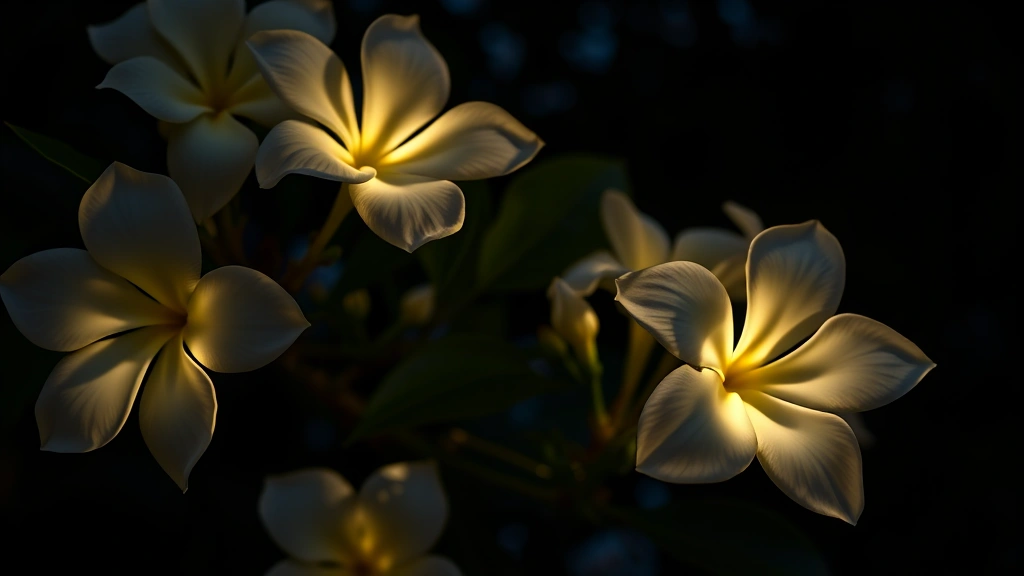
White and Pale Flowering Plants: White flowers are nature’s garden lights. Gardenias emit fragrance while their creamy blooms glow in darkness. Jasmine varieties produce delicate white flowers that seem to float in the evening air. Moonflowers literally open at dusk, their large white blooms creating striking focal points. White roses, particularly climbing varieties, can be trained along structures to create glowing architectural elements. Consider how to prune climbing roses to maximize their visual impact and flowering potential.
Variegated Foliage Plants: Plants with white or cream-colored leaf markings provide consistent glow throughout the season, even when not in bloom. Hostas with white margins, variegated euonymus, and striped ornamental grasses create visual interest and luminosity. These plants are particularly valuable in shaded areas where flowering plants might struggle, as they brighten dark corners without requiring full sun.
Light-Colored Flowers for Evening Display: Pale yellow flowers like daffodils and soft pink varieties of peonies create subtle glowing effects. White clematis varieties produce abundant blooms that can transform vertical spaces. Hydrangeas in white or pale pink varieties serve as substantial focal points that anchor garden designs while contributing to the overall glow effect.
When incorporating these plants, consider layering them by height and bloom time. Front borders of silvery groundcovers create a luminous foundation, mid-border plants with white flowers provide structure, and taller silver-foliaged shrubs add depth. This stratified approach maximizes the garden glow effect throughout the growing season. For those interested in expanding their garden’s functionality, herb garden designs can incorporate glow-enhancing plants like silver-leafed sage varieties.
Installing Effective Garden Lighting Systems
While natural plant luminescence creates beautiful effects, strategic artificial lighting amplifies and extends the garden glow throughout evening hours. Modern garden lighting options range from solar-powered fixtures to low-voltage LED systems, each offering distinct advantages for creating your ideal glowing landscape.
Solar Lighting Solutions: Solar-powered lights represent the most accessible entry point for most gardeners. These maintenance-free fixtures charge during the day and automatically illuminate at dusk. Solar path lights guide visitors while creating a gentle, distributed glow. Solar spotlights can highlight specimen plants, architectural features, or focal points. Modern solar technology has improved dramatically, with LED solar fixtures providing bright, reliable illumination comparable to traditional systems. Position solar lights strategically to backlight silver-foliaged plants, creating halos of light that enhance their natural reflective qualities.
Low-Voltage LED Systems: Professional-grade low-voltage lighting offers superior control and brightness. These hardwired systems can be programmed to adjust intensity throughout the evening and can incorporate color-changing options for seasonal celebrations. Uplighting beneath trees creates dramatic silhouettes, while downlighting from overhead branches mimics moonlight filtering through foliage. LED technology ensures energy efficiency and produces minimal heat, making it safe for plant proximity.
Accent and Spotlight Techniques: Strategic spotlighting creates focal points within your garden glow design. Aim spotlights at white-flowering plants to make them appear to float in darkness. Backlight silver-leafed plants to create luminous outlines. Wash walls or structures with light to create ambient glow. Avoid directing light directly at viewing areas—instead, angle fixtures to create atmospheric effects that enhance the natural beauty of your plants.
Uplighting and Silhouetting: Placing lights at ground level pointing upward creates dramatic effects with specimen plants. This technique works particularly well with ornamental grasses, creating glowing vertical lines. Uplighting through canopy trees creates magical shadows and highlights foliage texture. This approach transforms familiar daytime plants into evening showstoppers.
When designing lighting systems, consider creating zones with different brightness levels. Brighter illumination near seating areas and pathways ensures safety, while softer, ambient lighting in viewing areas creates the dreamy glow quality. Timer controls or smart systems allow you to adjust lighting based on seasonal changes and entertaining needs.
For those building new garden structures, how to build a raised garden bed can incorporate integrated lighting that highlights plantings while defining garden spaces. Similarly, container gardens can benefit from strategic lighting placement that showcases specimen plants like blueberries in containers, creating glowing focal points throughout your landscape.
Color Temperature Considerations: Warm white light (2700K) creates cozy, intimate atmospheres and complements silver foliage beautifully. Cool white light (4000K) creates more dramatic effects and enhances white flowers. Avoid overly blue-tinted lighting, which can appear harsh and unnatural. The most successful garden glow designs use consistent color temperature throughout, creating cohesive visual harmony.
Seasonal Considerations for Year-Round Glow
Achieving garden glow throughout all seasons requires planning plant selections and lighting strategies that account for seasonal changes. Spring, summer, autumn, and winter each present unique opportunities and challenges for creating luminous landscape effects.
Spring Glow: Spring arrives with pale yellow daffodils, white bleeding hearts, and emerging silver foliage. Early-blooming white magnolias create spectacular nighttime focal points. Fresh spring growth on variegated plants provides renewed luminosity after winter dormancy. Extend spring glow by incorporating bulbs specifically selected for pale coloring—white tulips, cream-colored hyacinths, and pale primrose varieties.
Summer Peak: Summer represents peak garden glow season with abundant white roses, jasmine blooms, and lush silver foliage growth. Summer’s longer daylight hours mean sunset comes later, allowing more time to enjoy glowing effects. White hydrangeas reach maximum bloom, while moonflowers open nightly in late summer. Maintain consistent watering schedules to keep foliage full and reflective. Summer is ideal for testing and adjusting lighting systems before peak entertaining season.
Autumn Transitions: As daylight shortens, garden glow becomes increasingly important for extending evening enjoyment. Many plants develop deeper colors, making silver and white elements stand out more dramatically. Ornamental grasses mature, their light-colored seed heads catching light beautifully. Some plants produce second flushes of flowers—encourage this by deadheading spent blooms. Autumn’s clearer evening air and lower humidity can enhance lighting effects and plant luminescence.
Winter Luminescence: Winter presents unique opportunities for garden glow. Evergreen silver-foliaged plants like dusty miller, artemisia, and silver sage maintain their reflective qualities year-round. White-barked trees like birch or white dogwood become prominent focal points. Winter-blooming plants such as white hellebores and winter jasmine provide unexpected glowing accents. Snow and frost on foliage enhance natural luminescence dramatically. Winter lighting becomes more prominent as earlier sunset times mean longer illumination periods.
To maintain garden glow across seasons, incorporate plants with varied bloom times and year-round interest. Mix deciduous and evergreen selections. Include specimens that provide glow through foliage color rather than flowers alone. Plan for seasonal maintenance—pruning encourages fuller, more reflective growth, while deadheading extends flowering periods.
Combining Hardscape Elements with Glowing Effects
Hardscape elements—pathways, patios, walls, and structures—can significantly enhance or detract from garden glow effects. Thoughtful integration of hardscape with plants and lighting creates cohesive, luminous landscapes that function beautifully both day and night.
Light-Colored Hardscape Materials: Pale stone, light gravel, and cream-colored pavers reflect light similarly to silver-foliaged plants, amplifying overall glow effects. Light-colored materials also appear safer and more welcoming in evening hours. Concrete pavers with pale finishes guide visitors while contributing to ambient luminosity. Avoid dark materials that absorb light and create shadowy areas—instead, use them as contrast elements to highlight lighter features.
Water Features and Reflection: Water surfaces reflect light beautifully, creating dynamic glowing effects. Ponds, fountains, and birdbaths illuminate with strategic lighting, multiplying light effects through reflection. Still water surfaces act as mirrors, doubling the visual impact of surrounding glowing plants. Moving water creates shimmering effects that add dimension to evening garden experiences. Position water features where lighting can reflect off surfaces, creating maximum visual interest.
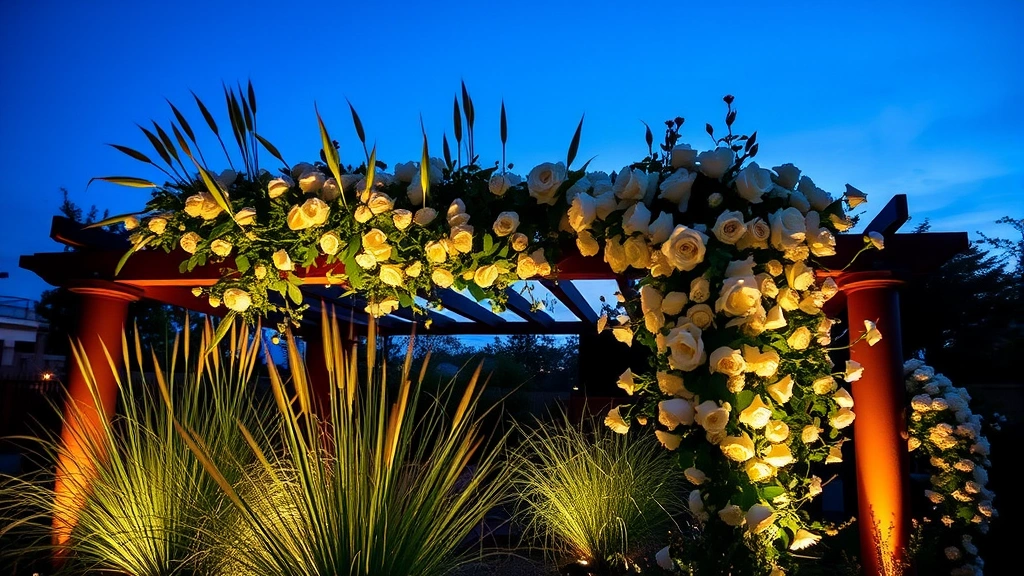
Vertical Elements and Structures: Walls, trellises, and pergolas provide structure for climbing plants and serve as backdrops for lighting effects. White-painted structures reflect light and provide contrast for darker plants. Climbing roses and jasmine trained on vertical elements create glowing focal points at eye level. Overhead structures can incorporate uplighting that creates dramatic shadow play through foliage. These elements also provide mounting surfaces for lighting fixtures that would otherwise require ground-level installation.
When planning hardscape integration, consider sight lines and movement patterns. Glowing pathways guide visitors safely while creating visual interest. Illuminated focal points draw the eye and create gathering spaces. Strategic hardscape placement frames views and highlights the most luminous garden elements. The combination of light-colored materials, strategic plant placement, and thoughtful lighting creates spaces that feel intentional and beautifully designed.
Maintenance Tips for Sustained Garden Luminescence
Maintaining garden glow requires consistent care throughout the growing season and beyond. Regular maintenance ensures that plants remain full, reflective, and healthy, while lighting systems function optimally. Neglected gardens lose their luminous qualities quickly, as overgrown plants block light and become visually muddled.
Pruning for Shape and Reflectivity: Regular pruning maintains plant shape and encourages full, bushy growth that maximizes light reflection. Remove dead or diseased branches that create dark holes in foliage. Thin crowded growth to allow light penetration. Prune silver-leafed plants to maintain compact forms that appear most luminous. Use a garden hoe or appropriate pruning tools to maintain clean cuts that promote healthy regrowth. Spring and early summer pruning encourages vigorous growth with maximum reflective foliage.
Deadheading and Extended Bloom: Removing spent flowers encourages continuous blooming throughout the season. White-flowering plants produce more blooms when deadheaded regularly, extending the glow period. This is particularly important for roses, gardenias, and other repeat bloomers. Deadheading also improves plant appearance, removing brown seed heads that detract from luminous effects.
Watering and Foliage Health: Healthy foliage reflects light more effectively than stressed, dull leaves. Consistent watering maintains turgor in foliage, keeping leaves firm and reflective. Morning watering reduces disease pressure while ensuring plants are hydrated during daylight hours when photosynthesis occurs. Avoid overhead watering in evening, which can promote fungal diseases that damage reflective foliage quality.
Fertilization for Vigor: Well-nourished plants produce fuller growth and more abundant flowers. Apply balanced fertilizers according to plant-specific needs. Silver-leafed plants often prefer lean conditions, while flowering plants benefit from phosphorus-rich fertilizers that promote blooming. Organic fertilizers provide slow, sustained nutrition that supports healthy, lustrous foliage.
Lighting System Maintenance: Regularly clean light fixtures to remove dust, pollen, and debris that reduce brightness. Check solar panels for shading from growing plants—trim back growth as needed. Replace batteries in solar lights annually before peak season. Inspect wiring on low-voltage systems for damage or corrosion. Test all systems monthly to ensure proper function. Schedule maintenance tasks seasonally to prevent problems during peak entertaining periods.
Seasonal Cleanup: Remove fallen leaves and debris that can accumulate around plants and lighting fixtures. Clean hardscape surfaces to maximize light reflection. Prune back dead foliage in late winter to prepare for spring growth. These cleanup tasks maintain the visual clarity that garden glow designs require.
FAQ
What are the most reliable plants for creating garden glow?
Silver-leafed plants like artemisia, dusty miller, and Russian sage provide the most consistent glow effects year-round. White-flowering plants including gardenias, jasmine, and roses add seasonal luminescence. Variegated foliage plants with white or cream markings provide glow even when not blooming. Combining multiple plant types creates layered, sophisticated glow effects.
Can I achieve garden glow without artificial lighting?
Yes, natural garden glow is achievable through careful plant selection and strategic placement. Silver and grey-leafed plants reflect moonlight naturally, creating luminous effects. White and pale flowers glow in twilight conditions without additional lighting. However, artificial lighting significantly enhances and extends glow effects into full darkness, allowing longer evening enjoyment.
What’s the best lighting color temperature for garden glow?
Warm white light at 2700K creates cozy, intimate atmospheres that complement silver foliage beautifully. Cool white at 4000K provides more dramatic effects and enhances white flowers. Maintain consistent color temperature throughout your garden for visual cohesion. Avoid overly blue lighting, which appears harsh and unnatural in garden settings.
How often should I maintain glow-enhancing plants?
Regular maintenance throughout the growing season—weekly deadheading, monthly pruning assessments, and consistent watering—keeps plants luminous and healthy. Seasonal pruning in spring and early summer encourages full growth with maximum reflective foliage. More intensive maintenance during peak season ensures plants look their best when entertaining.
Can I combine different glow techniques in one garden?
Absolutely. The most successful garden glow designs layer multiple techniques: silver foliage plants, white flowers, light-colored hardscape, and strategic lighting create sophisticated effects. Start with one technique and gradually add others as you develop confidence and observe results in your specific garden conditions.