Enchant Your Garden: Fairy Design Tips for a Magical Outdoor Space
Creating a fairy garden transforms your outdoor space into a whimsical wonderland where imagination blooms alongside your plants. Whether you have a sprawling backyard or a modest balcony, fairy garden design principles can infuse magic into any gardening project. These enchanting miniature landscapes combine horticultural beauty with imaginative storytelling, creating spaces that delight both children and adults alike.
A fairy garden isn’t just about tiny furniture and miniature accessories—it’s about creating a cohesive environment where plants, hardscape elements, and decorative touches work together to tell a story. The best fairy gardens balance botanical authenticity with creative whimsy, ensuring that your plants thrive while your imagination takes flight. This guide will walk you through every aspect of designing a fairy garden that captures wonder and brings your outdoor space to life.
Understanding Fairy Garden Basics
Fairy gardens are miniature landscapes designed at a scale that invites imagination and storytelling. Unlike traditional container gardening, fairy gardens create immersive environments with multiple layers of visual interest. The foundation of any successful fairy garden lies in understanding three core principles: scale consistency, plant selection, and environmental storytelling.
Scale consistency means choosing plants and accessories that work together proportionally. If you select 6-inch tall fairy figurines, your plants should complement rather than overwhelm them. This doesn’t mean everything must be tiny—mixing scales thoughtfully creates visual depth and interest. A larger backdrop plant can tower over the fairy inhabitants, creating a sense of wonder and adventure.
Environmental storytelling transforms a simple planter into a narrative landscape. Are you creating a woodland hideaway? A cottage garden retreat? A moonlit forest glade? Your plant choices, accessory placement, and hardscape design should all support this central theme. This cohesive approach makes your fairy garden feel authentic and immersive rather than random or cluttered.
Understanding the difference between indoor and outdoor fairy gardens is essential. Indoor gardens offer protection from harsh weather and allow for more delicate plants, while outdoor gardens must withstand environmental challenges but can achieve greater scale and complexity. Many gardeners create both, using indoor gardens during winter months and transitioning to outdoor displays when weather permits.
Selecting the Perfect Location and Container
Your fairy garden’s success depends largely on choosing an appropriate location. Outdoor gardens need at least 3-4 hours of sunlight daily, though the specific requirement depends on your plant selections. Shaded locations work beautifully for shade-loving plants like ferns and moss, while sunnier spots support flowering plants and succulents.
Container selection sets the stage for your entire design. Raised garden beds work wonderfully for larger fairy gardens, offering depth for root systems and allowing visitors to view the landscape from multiple angles. For smaller projects, consider ceramic pots, wooden boxes, or shallow trays. The container’s color and style should complement your fairy garden theme—a rustic wooden box suits a woodland aesthetic, while a decorative ceramic pot works well for a cottage garden.
Drainage is non-negotiable for healthy plants. Ensure your container has drainage holes, and use quality potting soil rather than garden soil. Poor drainage leads to root rot and fungal diseases that will quickly destroy your miniature landscape. If using a container without drainage, create a false bottom using gravel or activated charcoal.
Consider accessibility when placing your fairy garden. Locate it where you can observe and maintain it comfortably, but position it to be visible from areas where you spend time outdoors. A fairy garden placed on a side table near a seating area invites daily interaction and observation, deepening your connection to the magical space you’ve created.
Choosing Plants That Create Magical Landscapes
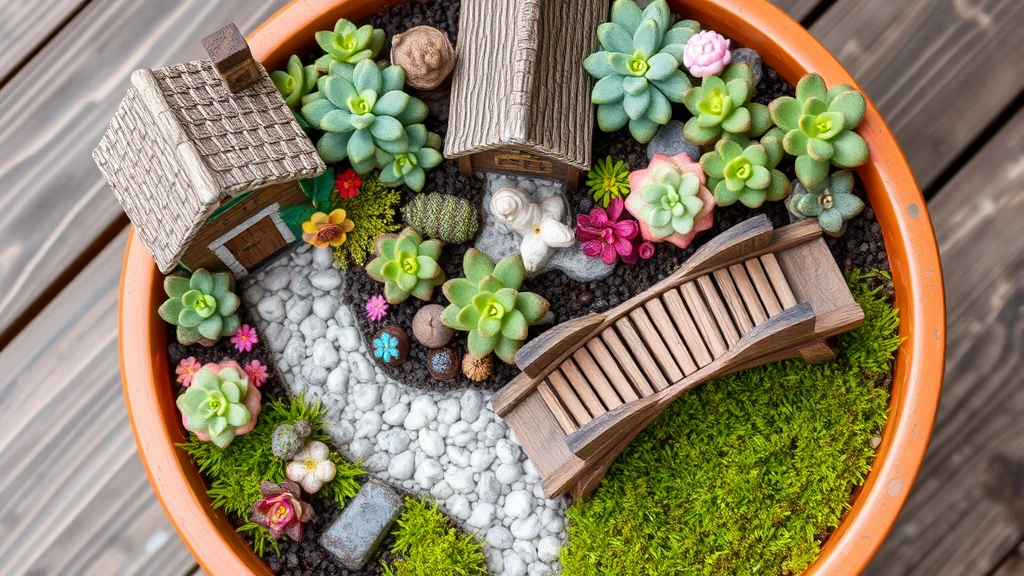
Plant selection is the heart of fairy garden design. The best choices are slow-growing, compact plants that maintain their size and shape without constant pruning. Succulents like echeveria, jade plants, and sempervivum offer architectural interest and require minimal water. Ferns create delicate, woodland-like textures that evoke enchantment and mystery.
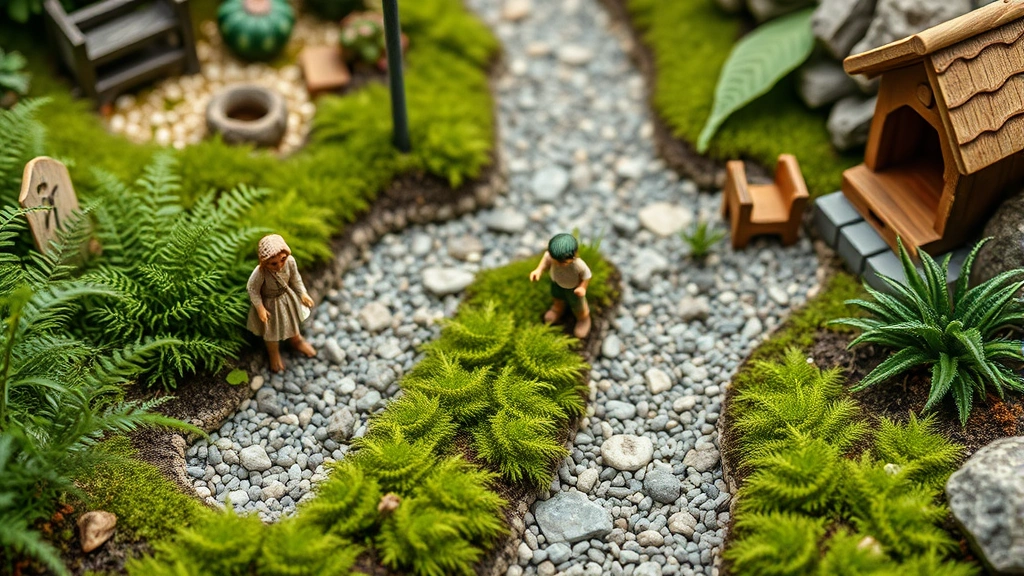
Creeping thyme, Irish moss, and baby tears create lush groundcovers that soften hardscape elements and provide texture. These plants spread gradually, filling spaces and creating natural pathways for fairy exploration. Miniature hostas and heuchera offer foliage color without overwhelming the landscape’s scale.
Flowering plants add seasonal pops of color and attract pollinators. Miniature roses, violas, and pansies provide delicate blooms that delight without dominating. Sedums flower in late summer and fall, extending your garden’s visual interest into cooler months. Consider plants with interesting foliage colors—burgundy, silver, or variegated leaves add depth even when plants aren’t flowering.
For herb enthusiasts, consider growing an indoor herb garden nearby. Miniature herb varieties like dwarf basil and creeping oregano work beautifully in fairy gardens while providing culinary value. These fragrant plants add sensory dimension to your magical space.
Native plants deserve special consideration. Using plants native to your region supports local ecosystems and ensures your garden thrives with minimal intervention. Research which native plants work at miniature scale in your climate zone. A native plant finder tool helps identify appropriate species for your location.
Seasonal plant rotation keeps your fairy garden fresh and engaging throughout the year. Spring brings flowering bulbs and fresh greens, summer showcases blooming perennials, fall displays rich foliage colors, and winter evergreens maintain structure and interest. Planning your planting schedule ensures year-round enchantment.
Designing Pathways and Miniature Hardscapes
Pathways guide visitors through your fairy garden and create a sense of exploration and discovery. Using materials like pea gravel, sand, or slate chips, design winding paths that encourage closer inspection of your landscape. Curved paths feel more organic and magical than straight lines, inviting wanderers to follow where the fairies lead.
Miniature bridges, benches, and arbors create focal points and functional elements within your garden. A small wooden bridge crossing a shallow water feature suggests adventure and mystery. Arbors provide vertical interest and create shaded rest areas for your fairy inhabitants. These structures don’t need to be elaborate—simple designs often feel more authentic and charming.
Water features add movement, sound, and life to fairy gardens. A shallow bird bath, small fountain, or even a still pool of water creates a gathering place for fairies. Ensure water features are properly maintained to prevent mosquito breeding and algae growth. Changing water regularly and adding aquatic plants keeps features fresh and inviting.
Stone and wood elements ground your design in natural materials. Flat stones create seating areas, larger rocks suggest mountains or meeting places, and wood chips define planting areas. Arrange these elements thoughtfully to create visual balance and support your garden’s narrative theme.
Lighting transforms your fairy garden at dusk and evening. Small solar lights, fairy lights, or LED string lights create magical ambiance while serving practical purposes. Position lights to highlight key features and create shadows that enhance the sense of mystery. Be mindful not to over-light—subtle illumination is more enchanting than bright visibility.
Adding Enchanting Accessories and Decorative Elements
Fairy figurines are the obvious choice for populating your garden, but thoughtful selection prevents a cluttered appearance. Choose figurines that match your garden’s aesthetic and scale. A few well-placed figures create more impact than numerous accessories crowded together. Consider figurines engaged in activities—reading, playing instruments, or tending gardens—to enhance storytelling.
Miniature structures like cottages, mushroom houses, and garden sheds create focal points and shelter spaces. These buildings suggest stories and invite imagination. Position them as if they’re genuinely inhabited, with tiny furniture visible through windows and gardens surrounding the structures.
Natural decorative elements like driftwood, interesting branches, and smooth stones add authenticity and texture. These materials connect your fairy garden to the natural world and create visual interest without feeling artificial. Weathered wood particularly suits woodland-themed gardens, while smooth stones work well in more formal designs.
Seasonal decorations keep your fairy garden fresh. Spring brings tiny bird nests and flowering branches, summer features miniature garden tools and harvest baskets, fall displays pumpkins and dried grasses, and winter introduces snow-covered evergreens and festive touches. Rotating seasonal decorations maintains engagement and reflects the natural rhythm of the year.
When using garden gloves and tools for maintenance, consider displaying miniature versions within your garden. Tiny rakes, shovels, and watering cans suggest active fairy inhabitants and add charming details that reward close observation.

Seasonal Considerations for Year-Round Magic
Spring is the ideal time to establish new fairy gardens. Plant cool-season plants like pansies and violas, add fresh potting soil, and refresh accessories. Spring growth is vigorous, so monitor plants closely and prune as needed to maintain scale and prevent overgrowth that obscures your design.
Summer demands increased watering, particularly for container gardens that dry quickly in heat. Check soil moisture daily and water thoroughly when the top inch feels dry. Container plants may need watering twice daily during peak heat. Deadhead flowers regularly to encourage continuous blooming and maintain neat appearance.
Fall is the perfect time to plant spring-flowering bulbs and introduce seasonal color through chrysanthemums and ornamental grasses. As temperatures cool, reduce watering frequency and allow hardy plants to prepare for winter dormancy. Many fairy gardens reach peak visual interest in fall as foliage colors intensify.
Winter presents challenges for outdoor fairy gardens in cold climates. Move tender plants indoors or protect them with frost cloth. Hardy evergreens maintain structure and interest during dormant months. Consider moving your entire garden to a sheltered location or transitioning to an indoor display. Winter’s stark beauty offers opportunities for frost-covered plants and snow-dusted landscapes.
Creating container gardens with seasonal plants similar to growing cucumbers in pots allows flexibility in plant selection. You can rotate plants seasonally, refreshing your garden’s appearance and experimenting with new varieties.
Maintenance and Care Tips
Regular maintenance keeps your fairy garden thriving and looking magical. Weekly inspections catch pest problems, disease issues, and growth that needs pruning. Remove dead leaves and spent flowers promptly to maintain visual appeal and prevent fungal diseases.
Watering is critical for container gardens. Most fairy gardens prefer consistently moist but well-draining soil. Water when the top inch of soil feels dry, typically every 2-3 days during growing season. Reduce watering in winter when plants grow slowly and evaporation decreases. Use a quality garden hose with a gentle spray nozzle to water without damaging delicate plants and accessories.
Fertilizing encourages healthy growth without excessive vegetative expansion. Use diluted, balanced fertilizer monthly during growing season. Slow-release fertilizer pellets provide nutrients gradually without risk of over-application. Organic fertilizers like fish emulsion work well for fairy gardens where chemical residues might affect delicate plants.
Pest management in fairy gardens requires vigilance without harsh chemicals. Inspect plants regularly for spider mites, aphids, and mealybugs. Treat infestations with insecticidal soap or neem oil, following label directions carefully. Introducing beneficial insects like ladybugs naturally controls pest populations.
Pruning maintains scale and prevents overgrowth. Remove stems that grow too tall or spread too wide, cutting just above a leaf node to encourage bushier growth. Prune in early spring before new growth accelerates. Regular light pruning prevents the need for drastic cutting that damages plant appearance.
Refreshing soil annually prevents nutrient depletion and disease accumulation. In spring, remove the top 1-2 inches of soil and replace with fresh potting mix. This practice rejuvenates your garden without completely replanting and maintains long-term plant health.
Connecting with other fairy garden enthusiasts through community gardens and online forums provides inspiration and troubleshooting advice. Sharing your garden’s progress and learning from others’ experiences deepens your engagement with this creative gardening practice.
FAQ
What’s the best size for a beginner fairy garden?
Start with a container 18-24 inches across. This size offers enough space for meaningful design without becoming overwhelming. As you gain experience, you can expand to larger gardens or create multiple smaller displays throughout your outdoor space.
Can fairy gardens survive outdoors in cold climates?
Yes, but with modifications. Choose hardy plants like sedums, evergreens, and native perennials. In winter, move tender plants indoors or provide frost protection. Many gardeners create indoor fairy gardens during winter months and transition to outdoor displays in spring and summer.
How often should I water my fairy garden?
Check soil moisture every 2-3 days during growing season. Water when the top inch feels dry. Container gardens dry faster than in-ground gardens, particularly in hot weather. Winter watering needs are significantly reduced as plants grow slowly and evaporation decreases.
What plants are toxic to pets?
If your fairy garden is accessible to pets, avoid plants like foxglove, lily of the valley, and oleander. Stick to pet-safe options like spider plants, Boston ferns, and African violets. Consult ASPCA’s poison control database before adding unfamiliar plants to pet-accessible gardens.
Can I use real miniature vegetables in fairy gardens?
Absolutely. Dwarf vegetable varieties like tiny carrots, miniature peppers, and small lettuce create functional and beautiful fairy gardens. These plants require more care than ornamentals but reward you with edible harvests. Ensure adequate sunlight and nutrients for vegetable production.
How do I prevent my fairy garden from looking cluttered?
Follow the principle of visual balance. Divide your space into thirds, placing major elements off-center. Leave open areas of soil or groundcover to prevent cramping. Limit decorative accessories to 5-7 pieces and ensure they relate to your central theme. Quality over quantity creates more impact.
What’s the best substrate for fairy garden pathways?
Pea gravel, sand, and fine stone chips all work beautifully. Choose materials that complement your theme—woodland gardens suit darker mulch chips, while cottage gardens look lovely with lighter sand or gravel. Ensure pathways are wide enough for fairy figurines to traverse comfortably.
Can I incorporate water features safely?
Yes, but maintain them carefully. Change water every 2-3 days to prevent mosquito breeding and algae growth. Use shallow containers or add marbles to prevent drowning hazards for insects. Consider small recirculating fountains that keep water moving and fresh.


