Barn Garden Sheds: Expert Design Ideas
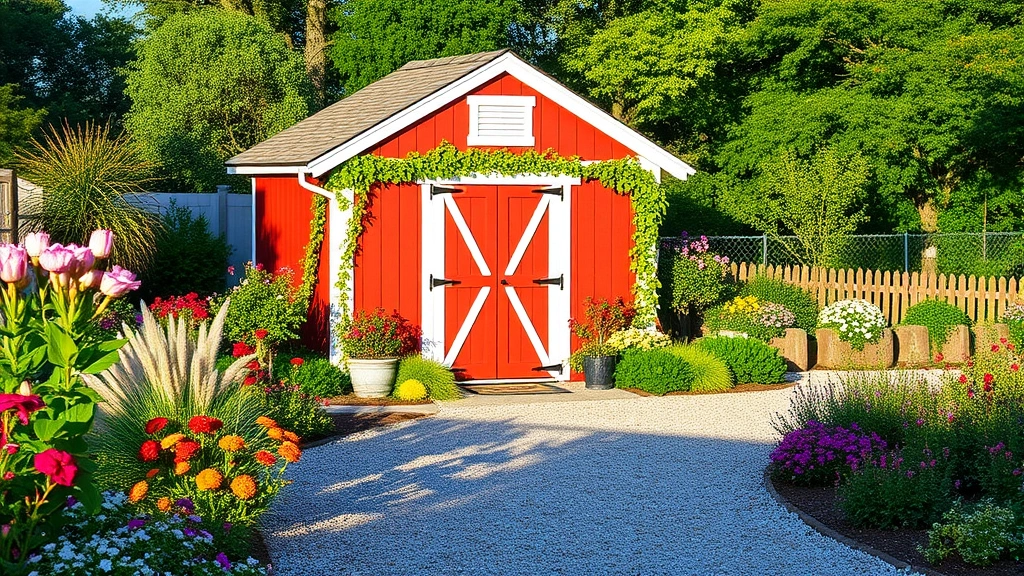
A barn garden shed combines rustic charm with practical functionality, creating the perfect storage solution for any gardener. Whether you’re looking to organize tools, protect equipment from harsh weather, or establish a dedicated workspace for propagating seedlings, a well-designed barn shed transforms your gardening experience. These structures blend traditional agricultural aesthetics with modern organizational systems, making them an increasingly popular choice among serious gardeners and homeowners alike.
The barn-style design offers distinct advantages over conventional garden sheds. The peaked roof maximizes interior headroom and provides superior water drainage, while the classic silhouette complements virtually any landscape design. More importantly, barn sheds provide ample storage capacity without consuming excessive ground space, allowing you to maintain a functional garden layout while keeping tools and supplies organized and protected.
Essential Design Principles for Barn Garden Sheds
When designing your barn garden shed, prioritize accessibility and workflow efficiency. The entrance should be wide enough to accommodate wheelbarrows and larger equipment without maneuvering difficulties. Consider positioning your shed near your main garden beds but far enough away to avoid casting excessive shade on light-demanding plants. Most gardeners benefit from a minimum 8×10 foot footprint, though 10×12 or larger provides superior organization possibilities.
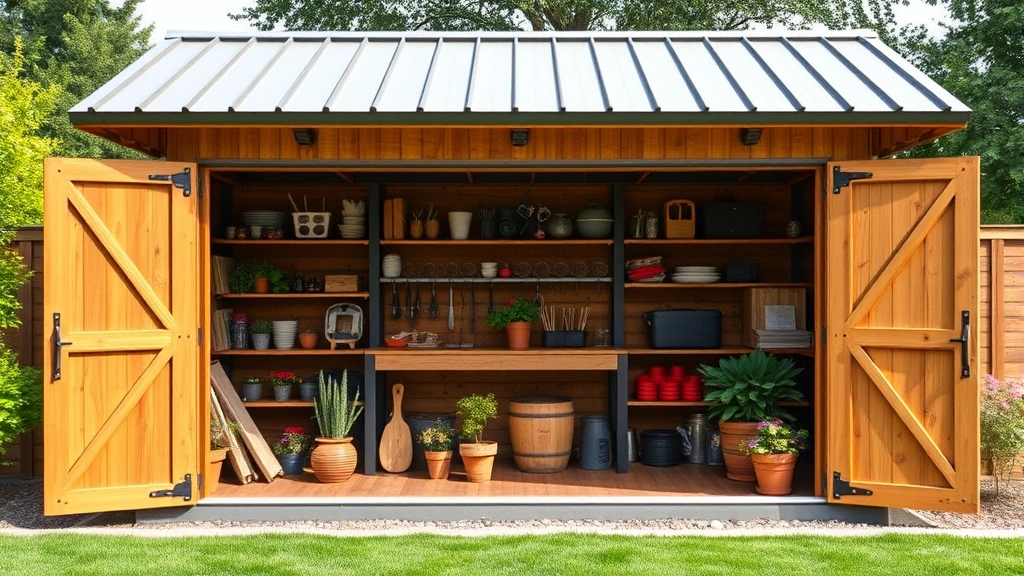
The door placement significantly impacts daily functionality. Double doors on the gable end provide the most spacious entry and allow better airflow throughout the structure. This design facilitates easier loading and unloading of bulky items like bags of potting soil or garden waste. Ensure doors swing fully open without obstruction, and consider installing a door closer to prevent wind damage during storms.
Height is another critical consideration. A barn shed with at least 8 feet of interior height at the peak allows you to install overhead storage racks and hang tools without constantly ducking. This vertical space becomes invaluable for storing seasonal decorations, gardening supplies, and maintaining organized work surfaces below.
Structural Materials and Durability
Selecting appropriate materials directly impacts your barn shed’s longevity and maintenance requirements. Pressure-treated lumber resists rot and insect damage, making it ideal for framing and lower wall sections that experience moisture exposure. For siding, consider these durable options:
- Wood siding – Offers authentic aesthetic appeal and excellent insulation but requires regular staining or painting every 3-5 years
- Vinyl siding – Provides low-maintenance durability with minimal upkeep, though less traditional in appearance
- Metal roofing – Delivers superior weather protection, 40-70 year lifespan, and excellent snow/water drainage
- Composite materials – Combine durability with reduced maintenance while offering versatile design options
The roof represents your most critical weatherproofing element. Metal roofing outperforms traditional asphalt shingles in durability and weather resistance. Proper roof pitch (at least 6:12 for barn designs) ensures rapid water runoff, preventing leaks and water damage to stored tools and equipment. Install gutters and downspouts to direct water away from the foundation, protecting both the structure and surrounding garden beds.
Foundation selection affects long-term stability and moisture control. Concrete slabs provide excellent durability but can trap moisture. Gravel or crushed stone foundations offer better drainage but require more maintenance. Skid foundations allow future relocation while maintaining good airflow beneath the structure. When preparing your garden soil, ensure proper grading around your shed’s perimeter to prevent water pooling.
Interior Organization Systems
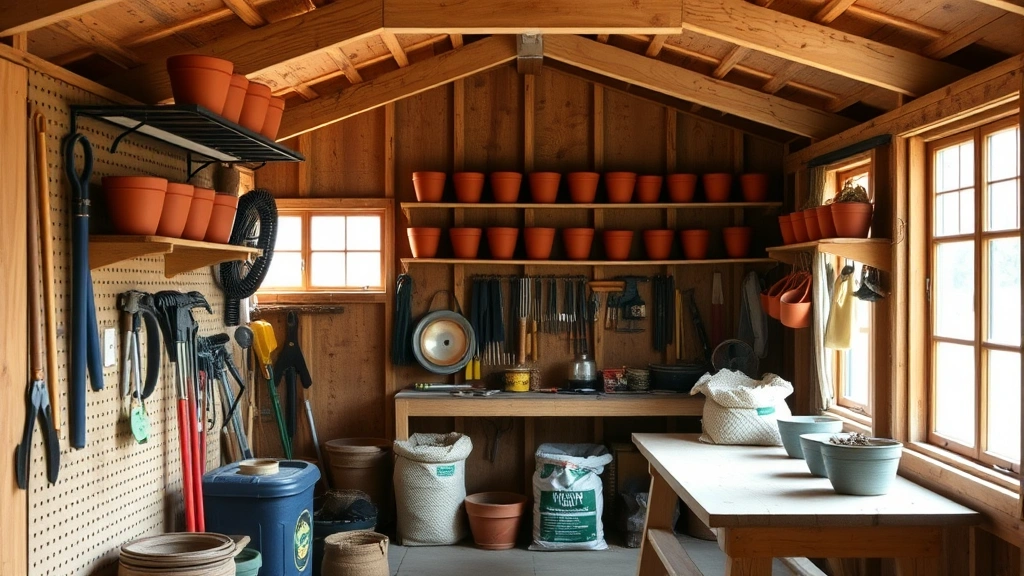
A well-organized interior maximizes your barn shed’s utility and protects your gardening investments. Implement a tiered storage system that utilizes every available inch:
- Wall-mounted pegboards – Install pegboards on interior walls for hanging hand tools, pruners, and frequently used equipment. Position pegboards at comfortable working height (24-36 inches from the floor) for easy access
- Overhead storage racks – Utilize ceiling joists for storing lightweight items like seed trays, pots, and seasonal decorations. Heavy items should remain at ground level to prevent accidents
- Workbench stations – Dedicate one wall to a sturdy workbench for potting plants, cleaning tools, and organizing seeds. Include drawers for small items like labels, ties, and fertilizers
- Shelving units – Install heavy-duty shelving for potting soil, fertilizers, and bagged amendments. Use lower shelves for heavier items and upper shelves for lighter storage
- Vertical garden tool storage – Use wall-mounted tool racks or magnetic strips for storing metal implements efficiently
Consider incorporating a dedicated seed storage area with cool, dry conditions. Store seeds in airtight containers with silica gel packets to maintain viability. A small filing system for tracking plant varieties and growing notes keeps valuable gardening information organized and accessible.
Water storage inside your barn shed provides convenient access for indoor plant care and tool cleaning. A 50-100 gallon rain barrel connected to your roof gutters supplies fresh water while reducing municipal consumption. Position the rain barrel on a sturdy platform to allow gravity-fed watering and easier bucket filling.
Ventilation and Climate Control
Proper ventilation prevents moisture accumulation, mold growth, and tool deterioration. Install roof vents or gable vents to allow hot air escape during summer months. Soffit vents along the eaves promote continuous air circulation, creating a passive cooling system that protects sensitive items like seeds and fertilizers.
In humid climates, consider installing a small exhaust fan controlled by a humidistat. When interior humidity exceeds 60%, the fan automatically activates, drawing moist air outside. This prevents rust on metal tools and protects wooden handles from swelling and warping.
Windows serve dual purposes—providing natural light and ventilation while allowing you to monitor weather conditions. Position windows on the north and south walls to balance light penetration and heat gain. Operable windows with screens offer flexible ventilation control throughout seasons.
Insulation becomes important if you plan to use your shed during winter months or store cold-sensitive items. Blown-in cellulose or fiberglass insulation in walls and attic spaces maintains more stable interior temperatures. A small propane heater or electric space heater prevents freezing in extreme cold climates, protecting plants and supplies you’re overwintering.
Foundation and Site Preparation
Selecting the optimal location sets the foundation for long-term shed success. Assess your site for:
- Proximity to your main garden beds and water sources
- Sun exposure (full sun locations dry out moisture more quickly)
- Natural drainage patterns and low spots prone to pooling
- Wind exposure and protective tree placement
- Access routes from your house and garden areas
Before construction, verify local zoning regulations and setback requirements. Many municipalities restrict shed placement within certain distances from property lines. Obtain necessary permits and ensure your design complies with local building codes.
Prepare the foundation site by clearing vegetation and leveling the ground. Remove topsoil and replace with compacted gravel or sand to create a stable base. If using a concrete slab, ensure proper slope (minimum 1-2% grade) for water drainage away from the structure. Proper foundation preparation prevents settling, leveling issues, and long-term structural problems.
When designing your exterior layout, consider pathways and work zones. Gravel or mulch paths around your shed prevent mud accumulation during wet weather. Position the shed entrance to minimize tracking dirt through your garden, and leave adequate clearance on all sides for maintenance access and future repairs.
Aesthetic Customization Options
Your barn garden shed should complement your landscape design while reflecting your personal style. Traditional barn red with white trim creates classic charm, while soft earth tones integrate seamlessly with naturalistic gardens. Consider these customization possibilities:
Exterior finishes significantly impact visual appeal. Stained wood showcases natural grain while providing weather protection. Paint offers more color flexibility and bolder design statements. Whitewashing creates a rustic, weathered appearance that ages beautifully. Whatever finish you choose, plan for maintenance every 3-5 years to maintain appearance and protective qualities.
Landscaping around your barn shed enhances its visual integration. Plant climbing vines like clematis or climbing roses along one wall to soften hard lines and create visual interest. Install metal garden edging around the perimeter to define planting beds and separate the shed from surrounding landscape. Grouping shrubs or ornamental grasses near the structure creates natural screening and wind protection.
Roofing material choices offer aesthetic variety. Traditional metal roofing in weathered gray or black provides authentic barn character. Copper roofing develops a beautiful verdigris patina over time, creating unique visual appeal. Green roofing systems with shallow-rooted plants reduce heat absorption and provide environmental benefits while creating striking visual elements.
Interior finishing touches make your workspace more enjoyable. Paint interior walls in light colors to maximize natural light reflection. Install LED shop lights for detailed work areas and seed starting zones. Add a small bulletin board for organizing planting schedules and task lists. Include hooks for hanging aprons, hats, and work gloves near the entrance for quick access.
For those interested in floral arrangements, flower arranging tips suggest dedicating a small corner of your shed to a cool, dark storage area for cut flowers and conditioning supplies. This maintains bloom freshness and extends vase life for arrangements.
Budget-Friendly Building Strategies
Building a barn garden shed doesn’t require unlimited funds. Strategic planning and material selection significantly reduce costs without sacrificing functionality:
DIY versus professional construction represents the largest cost variable. If you possess basic carpentry skills, framing and basic assembly work can be completed independently, with professional help limited to specialized tasks like roofing or electrical work. Kit barns provide pre-cut materials and detailed instructions, reducing complexity and potential mistakes.
Material sourcing dramatically impacts project costs. Reclaimed wood from old barns or salvage yards offers authentic character at fraction of new lumber prices. Metal roofing, while initially expensive, provides superior durability and lower long-term maintenance costs compared to asphalt shingles. Comparison shopping across suppliers reveals significant price variations for identical materials.
Phased construction allows spreading costs over time. Begin with a basic structure and weatherproof shell, then gradually add interior systems, shelving, and customizations as budget allows. This approach prevents financial strain while allowing refinement of priorities based on actual usage patterns.
Utilizing recycled materials and repurposed items reduces costs creatively. Old windows salvaged from renovation projects provide ventilation and light. Reclaimed doors offer character while reducing expenses. Salvaged hardware and fixtures add authentic details without premium price tags.
When calculating total costs, factor in ongoing maintenance expenses. Quality materials and proper construction reduce future repair costs significantly. A well-built barn shed with durable materials requires less frequent maintenance, ultimately saving money over 20-30 year lifespan.
For those managing large garden operations, understanding your best expandable garden hose storage solutions within your shed prevents tangling and extends equipment lifespan. Dedicated hose racks or wall-mounted storage systems keep these essential tools organized and accessible.
Seasonal Maintenance and Pest Management
Year-round maintenance keeps your barn shed functional and protects stored items. Spring maintenance includes inspecting roof integrity, checking caulking around windows and doors, and cleaning gutters of winter debris. Summer focus shifts to ventilation optimization and moisture control. Fall preparation involves weatherproofing, checking door seals, and preparing for winter weather. Winter maintenance includes monitoring for ice dam formation and ensuring adequate ventilation despite closed vents.
Pest management protects your stored seeds, plants, and equipment. Seal all gaps and cracks where rodents might enter. Store food items like birdseed and fertilizers in metal containers with tight-fitting lids. Install screens over vents to prevent insect entry while maintaining airflow. Regular cleaning removes debris that attracts pests, and strategic placement of traps deters rodent populations before they establish.
Moisture control prevents rust, mold, and wood deterioration. Ensure proper grading around the shed foundation directs water away from the structure. Install and maintain gutters and downspouts to direct roof runoff at least 4-6 feet from the foundation. Use dehumidifiers in humid climates, and ensure adequate ventilation year-round.
For detailed guidance on tool care and maintenance, consulting resources from Oregon State University Extension Service provides evidence-based recommendations. Master Gardener Programs in your region often offer workshops on shed organization and maintenance strategies specific to your climate.
FAQ
What size barn garden shed is ideal for most home gardeners?
A 10×12 foot barn shed provides excellent balance between storage capacity and manageable construction. This size accommodates shelving, workbenches, tool storage, and seasonal items without excessive maintenance. Smaller gardens may function well with 8×10 structures, while intensive gardeners benefit from 12×16 or larger dimensions.
How much does building a barn garden shed cost?
Basic barn sheds range from $3,000-$8,000 for DIY construction with quality materials. Professional construction typically costs $8,000-$20,000+ depending on size, materials, and local labor rates. Kit barns offer middle-ground options at $5,000-$12,000 installed. Long-term durability makes quality construction a worthwhile investment.
What’s the best roofing material for barn garden sheds?
Metal roofing offers superior durability (40-70 year lifespan), excellent water drainage, and low maintenance. While initially more expensive than asphalt shingles, metal roofing reduces long-term maintenance costs and provides better weather protection for stored items. Both materials work well; your choice depends on budget and aesthetic preferences.
How can I maximize storage in a barn garden shed?
Install wall-mounted pegboards, overhead storage racks, and heavy-duty shelving units. Use vertical space efficiently with wall-mounted tool organizers. Implement a tiered system with heavy items at ground level and lighter items overhead. Dedicated zones for different purposes (tool storage, potting area, seed storage) prevent cluttering and maintain organization.
Do barn garden sheds require permits and inspections?
Most jurisdictions require permits for structures exceeding certain sizes (typically 120-200 square feet). Check local zoning regulations regarding setbacks from property lines and easements. Permits ensure your structure meets building codes and safety standards. Professional builders typically handle permit acquisition; DIY builders should contact local building departments before construction.
How do I prevent moisture and mold in my barn shed?
Ensure proper foundation grading and install gutters directing water away from the structure. Install roof and soffit vents for continuous air circulation. Use dehumidifiers in humid climates, and maintain ventilation year-round. Store items on shelving above ground level to promote air circulation underneath. Regular cleaning removes moisture-promoting debris.
Can I use my barn garden shed for other purposes?
Absolutely. Many gardeners use barn sheds as hobby workshops, craft studios, or guest spaces. Install electricity and water for expanded functionality. Ensure adequate ventilation and climate control for any intended use. Proper insulation and heating expand seasonal usability significantly.
What’s the best way to organize tools in a barn garden shed?
Group similar items together—hand tools on pegboards, long-handled tools in wall-mounted racks, and seasonal items on upper shelves. Create labeled storage zones for different purposes. Store frequently used items at comfortable working height (24-36 inches). Keep hazardous materials (pesticides, fertilizers) in designated locked areas away from children and pets. Regular inventory prevents duplicate purchases and identifies missing tools.