Table of Contents
Introduction
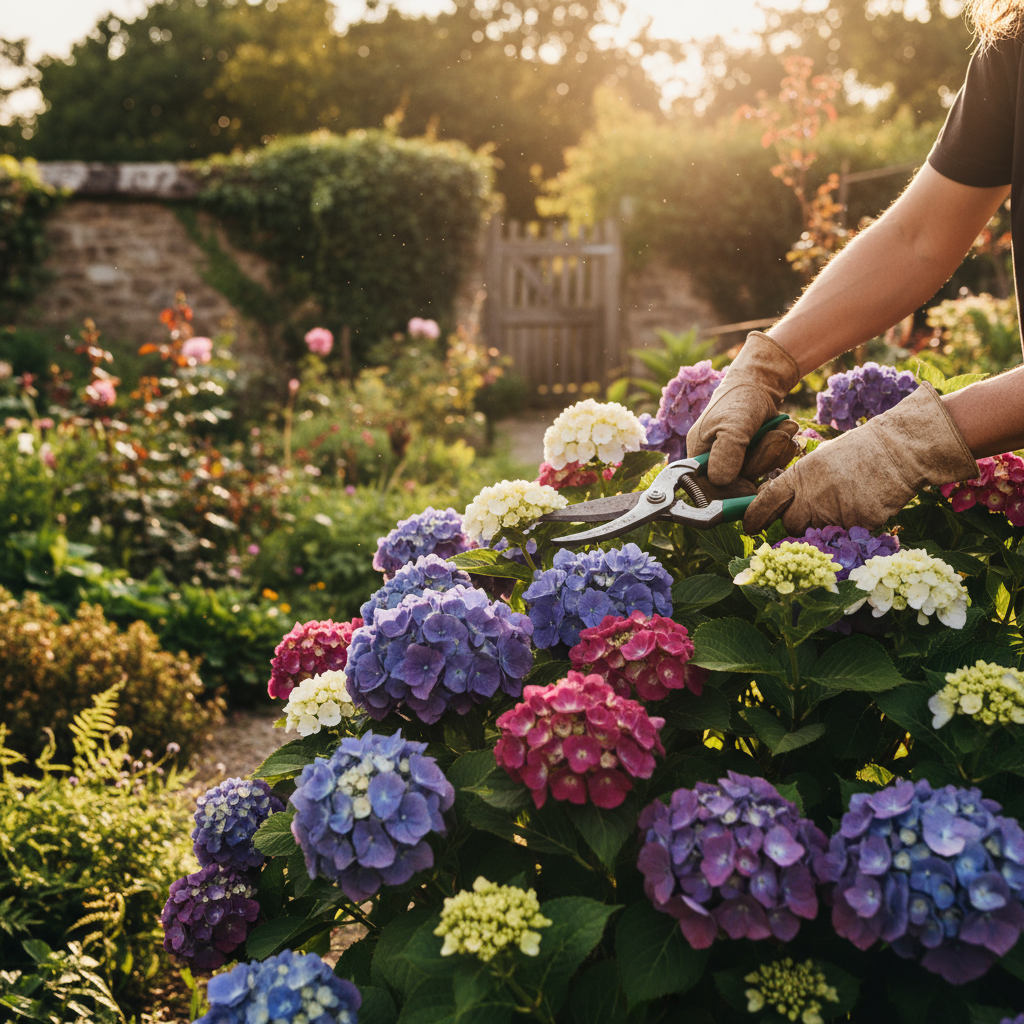
Let’s be honest—pruning hydrangea bushes can feel pretty intimidating at first. I get it. You’re staring at this beautiful bush, pruning shears in hand, wondering if you’re about to turn your gorgeous hydrangea into a sad, stubby mess. But here’s the thing: mastering this essential gardening skill can completely transform your outdoor space with healthier plants and those show-stopping blooms we all dream about. Ever notice how some hydrangeas seem to flourish year after year while others barely manage a few lackluster flowers? Nine times out of ten, the secret lies in proper pruning techniques tailored to your specific type of hydrangea. Whether you’re a seasoned gardening enthusiast or just starting out, understanding when and how to prune will help your hydrangea bushes thrive and become that stunning focal point you’ve been hoping for.
Here’s what makes hydrangeas so special: those lush, abundant flowers that can transform any garden landscape from ordinary to absolutely breathtaking. But achieving this beauty? It takes more than just planting and hoping for the best. The timing and method of pruning significantly influence how your bushes grow and how many flowers they’ll produce. Many gardeners find that learning gardening tips for beginners builds that crucial foundation of confidence, and when you combine that knowledge with specific pruning strategies, you’re setting yourself up for real gardening success. Proper pruning removes dead or weak branches, encourages fresh new growth, and helps maintain the shape you want—all factors that are absolutely crucial to plant health and those picture-perfect aesthetics.
Now, here’s something interesting about pruning techniques. The principles you’ll learn for hydrangeas often connect beautifully with other pruning skills, like pruning climbing roses, where timing and careful cuts are just as important for optimal blooming. And let’s not forget the foundation work—knowing how to prepare garden soil and choosing the right location sets your hydrangeas up for success from day one. You might also want to explore other container gardening techniques like growing mint in pots or how to grow blueberries in containers to create a diverse, beautiful outdoor space that complements your hydrangeas perfectly.
Speaking of gardening success, let’s talk about taking care of yourself while you’re out there tending your plants. Spending hours outdoors pruning and caring for your garden means your skin takes a beating—learning how to avoid skin dryness is actually pretty important for dedicated gardeners. And since gardening is both physically and mentally demanding, strategies to avoid burnout at work and tips on managing time effectively and staying motivated can help you maintain consistent care for your hydrangeas and other garden projects. If you’re thinking about broader outdoor improvements, understanding projects like how to install vinyl siding can round out your home improvement skills nicely.
What You’ll Learn in This Guide
In this guide, we’re going to walk through everything you need to know about pruning hydrangea bushes effectively and with confidence. Here’s what we’ll cover:
- Understanding Hydrangea Types: We’ll explore the different hydrangea varieties, their unique blooming cycles, and how these differences determine the best pruning methods and timing for each type.
- Seasonal Pruning Guidelines: You’ll learn exactly when to prune your hydrangeas to encourage those vibrant blooms while keeping your plants healthy and strong.
- Essential Tools and Techniques: We’ll cover the tools you need for safe, effective pruning, plus a step-by-step guide that’ll have you pruning like a pro.
- Common Mistakes to Avoid and Aftercare: I’ll share the most frequent pruning errors (so you can avoid them) and the best aftercare practices to keep your bushes thriving year-round.
Coming up, we’ll dive into detailed, practical instructions that’ll help you master every aspect of hydrangea pruning. Your garden is going to look absolutely stunning. You might also find it valuable to check out some additional insights on raised bed gardening advantages and gardening with native plants to complement everything you’ll learn about hydrangea care.
When you embrace the right pruning practices and solid garden maintenance, you’re essentially unlocking the full potential of your hydrangea bushes. We’re talking about transforming them into thriving, vibrant showstoppers that’ll be the envy of your neighborhood. With patience, the right knowledge, and consistent care, your hydrangea bushes will reward you with colorful, abundant blooms year after year. Trust me—your garden’s charm and your own enjoyment will reach new heights.
So let’s get started on this exciting journey toward mastering hydrangea pruning and creating the lush, beautiful garden you’ve been dreaming of. The sections ahead will give you all the skills and confidence you need to prune like a seasoned pro and nurture your floral investments for lasting, breathtaking beauty.

So you want gorgeous hydrangea blooms? Here’s the thing—knowing your specific hydrangea variety isn’t just helpful, it’s absolutely everything. Picture this: you grab your pruning shears with the best intentions, make some cuts, and then wonder why your bush looks sad and flowerless next season. (Trust me, we’ve all been there.) The truth is, each hydrangea variety has its own personality and blooming schedule. Some bloom on old wood, others on new growth. Mess up the timing or technique? You’re basically cutting off next year’s flower show. But don’t worry—we’re going to walk through exactly which hydrangeas need what and when, so you can prune with confidence and watch your garden absolutely thrive.
Understanding Hydrangea Types for Effective Pruning
Before you touch those pruning shears, you’ve got to play detective first. Why? Because hydrangeas are surprisingly picky about when they want to be pruned. Some varieties bloom on old wood (last year’s growth), while others bloom on new wood (this year’s fresh shoots). It’s like they each have their own calendar! Get this wrong, and you’ll be staring at a bush full of leaves but zero flowers come blooming season.
Take bigleaf hydrangeas—they’re the divas of the hydrangea world, blooming on old wood and demanding to be pruned right after their show ends. Meanwhile, smooth and paniculata types are the easy-going ones, happy to be cut back hard in late winter because they bloom on new growth. Once you nail down your variety, everything else falls into place. You’ll know exactly when to prune, how much to cut, and what to expect. And speaking of getting the fundamentals right, your soil game matters just as much as your pruning timing. Check out our guide on how to prepare garden soil for a thriving garden because healthy soil equals healthy plants—and that makes your pruning efforts actually pay off.
Key Aspects of Hydrangea Varieties
Let’s break down the main players in the hydrangea family. Each one has its quirks, but once you know what you’re dealing with, you’re golden:
- Bigleaf Hydrangea (Hydrangea macrophylla): The classic beauties with those stunning mophead and lacecap flowers. Here’s the catch—they bloom on old wood, so you’ve got a narrow window right after flowering to do any pruning. Miss that window? You’re cutting off next year’s blooms.
- Smooth Hydrangea (Hydrangea arborescens): These are your low-maintenance friends. They bloom on new wood, which means you can go to town with heavy pruning in late winter or early spring. They’ll bounce back stronger and more floriferous than ever.
- PeeGee Hydrangea (Hydrangea paniculata): Another new-wood bloomer that loves a good spring haircut. Prune these early in the season to shape them up and encourage those spectacular cone-shaped flower clusters.
- Oakleaf Hydrangea (Hydrangea quercifolia): Like their bigleaf cousins, these bloom on old wood. But they’re a bit more forgiving—just focus on light pruning right after flowering, removing any dead or crossing branches to keep them looking neat.
Here’s what I’ve learned after years of hydrangea growing: when you match your pruning to your plant’s natural rhythm, magic happens. No more guessing, no more disappointed springs when nothing blooms.
Now that you know which team your hydrangeas are on (old wood vs. new wood), let’s talk timing. Because even knowing your variety won’t help if you’re pruning at the wrong time of year.
When to Prune Hydrangea Bushes: Seasonal Guidelines
Timing really is everything with hydrangeas. It’s like trying to catch someone at the perfect moment—too early or too late, and you’ve missed your chance. The good news? Once you understand the rhythm, it becomes second nature. Old wood bloomers get their trim right after the party (flowering) ends. New wood bloomers get theirs before the party even starts (late winter/early spring).
Want to level up your entire gardening game? Learning about plant propagation opens up a whole new world of possibilities. Our detailed guide on how to propagate plants will teach you techniques that go hand-in-hand with smart pruning. Plus, proper post-pruning care—like consistent watering and good mulch—can make or break your plant’s recovery.
Key Seasonal Pruning Guidelines
Ready for the when and how? Here’s your seasonal roadmap:
- Early Spring Pruning for New Wood Bloomers: Late winter to early spring is showtime for smooth and PeeGee hydrangeas. They’re just waking up from winter nap, and a good pruning encourages fresh, vigorous shoots that’ll be loaded with flowers by summer.
- Late Summer or Early Fall Pruning for Old Wood Bloomers: Your bigleaf and oakleaf varieties need their trim right after they finish flowering—usually late summer or early fall. Think of it as their post-performance cleanup before they start preparing for next year’s show.
- After Flowering for Some Varieties: Some hydrangeas just need a little tidying up. Light pruning and deadheading right after blooming keeps them looking sharp without risking future flowers.
- Additional Considerations: Always use clean, sharp tools—dull blades are like using a butter knife for surgery. Keep some pruning shears, loppers, gloves, and disinfectant handy. Your plants (and your hands) will thank you.
Here’s the bottom line: respect your hydrangea’s schedule, and it’ll reward you with incredible blooms. Ignore it, and you’ll spend the season wondering where all the flowers went.
Master these pruning fundamentals, and you’ll have hydrangeas that are the envy of the neighborhood. Remember—it’s not about being perfect, it’s about understanding what your plants need and when they need it. Get the timing right, use the right technique for your variety, and then sit back and enjoy the stunning results all season long.
Here’s the thing about hydrangea pruning—it really can make or break your blooms. We’ve covered a lot of ground together, from figuring out whether your hydrangeas bloom on old wood or new (trust me, this matters more than you think) to mastering the timing that keeps those gorgeous flowers coming year after year. Getting the right tools? That’s your first step to clean, healthy cuts that won’t invite disease to the party. Then there’s the actual process—deadheading spent blooms, thinning out crowded stems, and shaping things up without going overboard. Because let’s be honest, it’s way too easy to get scissor-happy and accidentally sabotage next season’s show. And don’t forget the aftercare! Your hydrangeas need some TLC after their trim—good watering, fresh mulch, and the right fertilizer to bounce back stronger than ever.
Ready to take your gardening game to the next level? You’ve got the hydrangea basics down, but why stop there? If you’re still finding your footing in the garden world, our gardening tips for beginners will give you the confidence boost you need to tackle any green space. Thinking about upgrading your setup? Check out our guide on raised bed gardening advantages—seriously, it’s a game-changer for both your plants and your back. Want to multiply your plant collection without breaking the bank? Our how to propagate plants guide will teach you tricks that’ll have your neighbors asking for cuttings. And since all this outdoor time can be rough on your skin, don’t miss our tips on how to avoid skin dryness—because healthy gardeners grow the best gardens.
Look, gardening isn’t just about following rules and techniques (though those definitely help). It’s about building that connection with your plants, learning their quirks, and celebrating when everything comes together in a burst of beautiful blooms. Every time you prune your hydrangeas, you’re not just maintaining them—you’re investing in next year’s spectacular display. So be patient with yourself. Make mistakes. Learn as you go. Your hydrangeas will forgive a lot, and with each season, you’ll get better at reading what they need. Before you know it, you’ll have neighbors stopping by just to admire those show-stopping bushes. Now get out there and make those pruning shears sing!
Frequently Asked Questions
-
How often should I prune my hydrangea bushes?
- Most hydrangeas benefit from annual pruning, with timing based on whether they bloom on old or new wood.
-
Can I prune hydrangeas in the fall?
- It depends on the variety; some hydrangeas can be lightly pruned after flowering in late summer or early fall, but pruning too late risks losing next season’s blooms.
-
What happens if I prune my hydrangea at the wrong time?
- Pruning at the wrong time can reduce or eliminate flowers for the season, but plants typically recover by the following year.
-
Do I need special tools for pruning hydrangeas?
- Standard pruning shears and loppers work well; keeping tools sharp and clean is key to effective pruning.
-
How do I encourage larger blooms on my hydrangeas?
- Prune appropriately for your hydrangea type, provide sufficient water, and fertilize in early spring to support bigger flowers.