Table of Contents
Introduction
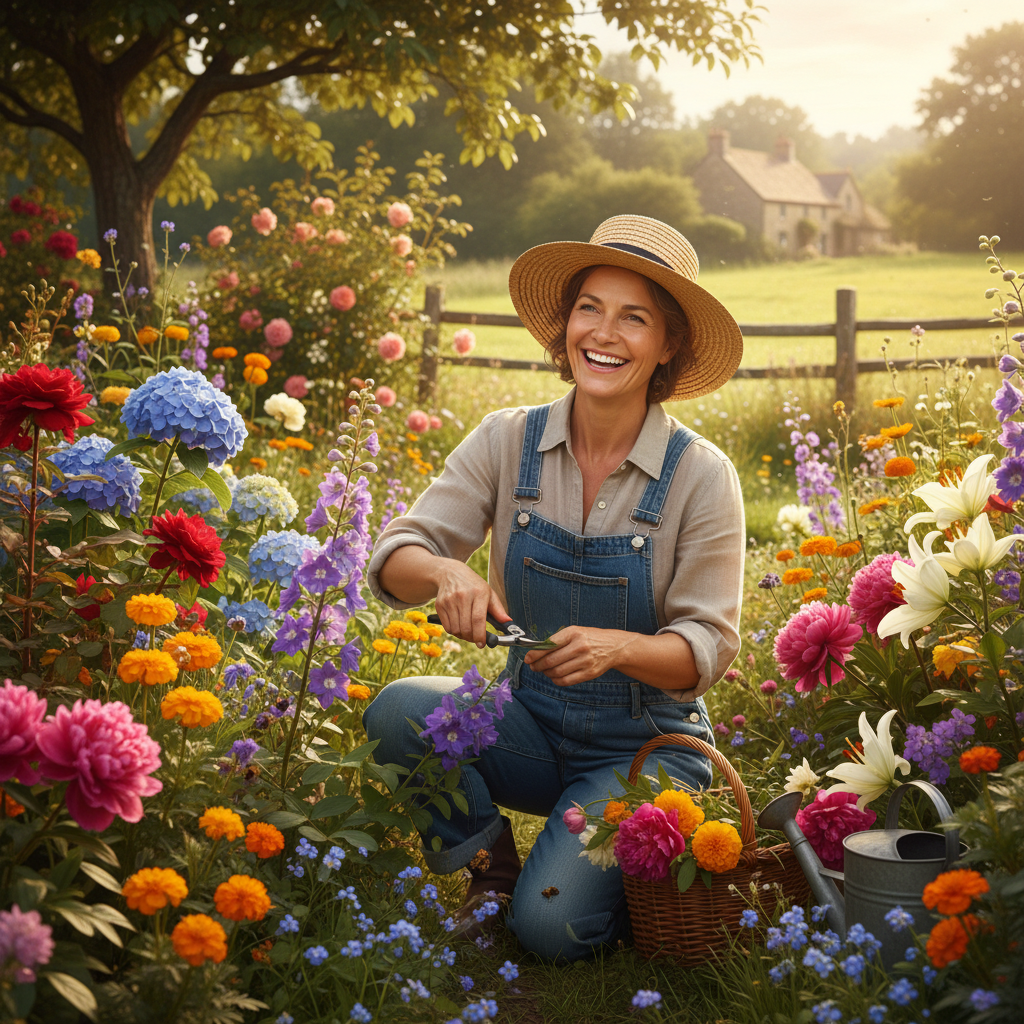
Picture this: You step outside your door and breathe in the sweet scent of blooming flowers from your very own garden. Colors everywhere—bright yellows dancing next to deep purples, soft pinks nodding hello to bold reds. Sounds pretty amazing, right? Here’s the thing about flower gardens: they’re not just beautiful to look at. They become your personal escape, your slice of paradise right in your backyard.
Starting a flower garden might feel overwhelming at first (trust me, we’ve all been there). But once you get your hands dirty? You’ll wonder why you waited so long. There’s something magical about watching tiny seeds transform into stunning blooms. It’s like having a front-row seat to nature’s greatest show, and you’re the director.
Flower gardening has become incredibly popular—about 35% of households are now growing their own flowers. And honestly, who can blame them? Besides the obvious beauty factor, tending to flowers is like meditation for your soul. Plus, your neighbors will definitely be asking for your secrets when they see those gorgeous blooms. Getting started means understanding the basics, like how to prepare garden soil for healthy blooms. Think of soil prep as building a strong foundation for your house—without it, everything else crumbles.
Now, let’s talk about choosing your flowers. This is where the fun really begins! You’ve got annuals that give you instant gratification with season-long color, and perennials that are like reliable old friends—they come back year after year. The secret sauce? Picking varieties that actually want to grow in your specific spot. Those gardening tips for beginners can save you from making rookie mistakes (like planting sun-lovers in shade—been there, done that). When you mix different heights, bloom times, and colors strategically, you create a garden that puts on a show from spring through fall.
But here’s what makes flower gardens truly special: they’re not just for you. Every bloom you grow becomes a landing pad for bees, butterflies, and other pollinators. You’re basically running a bed-and-breakfast for beneficial insects! Want to take it up a notch? Consider gardening with native plants—these local heroes need less water, resist pests naturally, and local wildlife absolutely loves them. It’s like speaking the native language of your ecosystem.
What You’ll Learn in This Guide
Ready to turn your flower garden dreams into reality? We’re going to walk through everything together, step by step. No overwhelming jargon, no impossible standards—just practical advice that actually works.
- Planning Your Flower Garden: Learn how to assess your space, choose the perfect location considering sunlight and soil quality, set a realistic budget, and plan the garden size that suits your lifestyle and maintenance capabilities.
- Selecting the Right Flowers: Understand the differences between annuals and perennials, how to pick flowers for your climate and soil, and balance colors, bloom times, and plant heights for year-round garden beauty.
- Preparing the Soil: Master soil testing techniques to determine pH and nutrient levels, methods to improve drainage, and how to enrich your soil with organic matter for robust plant health.
- Caring for Your Garden: Follow expert watering schedules, fertilizing tips, and pruning methods that keep your flower garden vibrant and resilient against common pests and diseases.
Throughout this journey, you’ll get real-world advice that prevents common headaches (like why your blooms might be disappointing or why leaves are turning yellow). And here’s a bonus: once your garden is bursting with flowers, you might want to bring some of that beauty indoors. Check out these flower arranging tips to create stunning bouquets from your own backyard.
Whether you’re dreaming of a simple border of cheerful marigolds or an elaborate cottage garden that looks like something from a fairy tale, this guide has your back. You don’t need to be a master gardener to create something beautiful—you just need enthusiasm and the right information.
So grab your gloves and let’s get started. Your future self (and your neighbors) will thank you when your garden becomes the talk of the block. Ready to dig in?
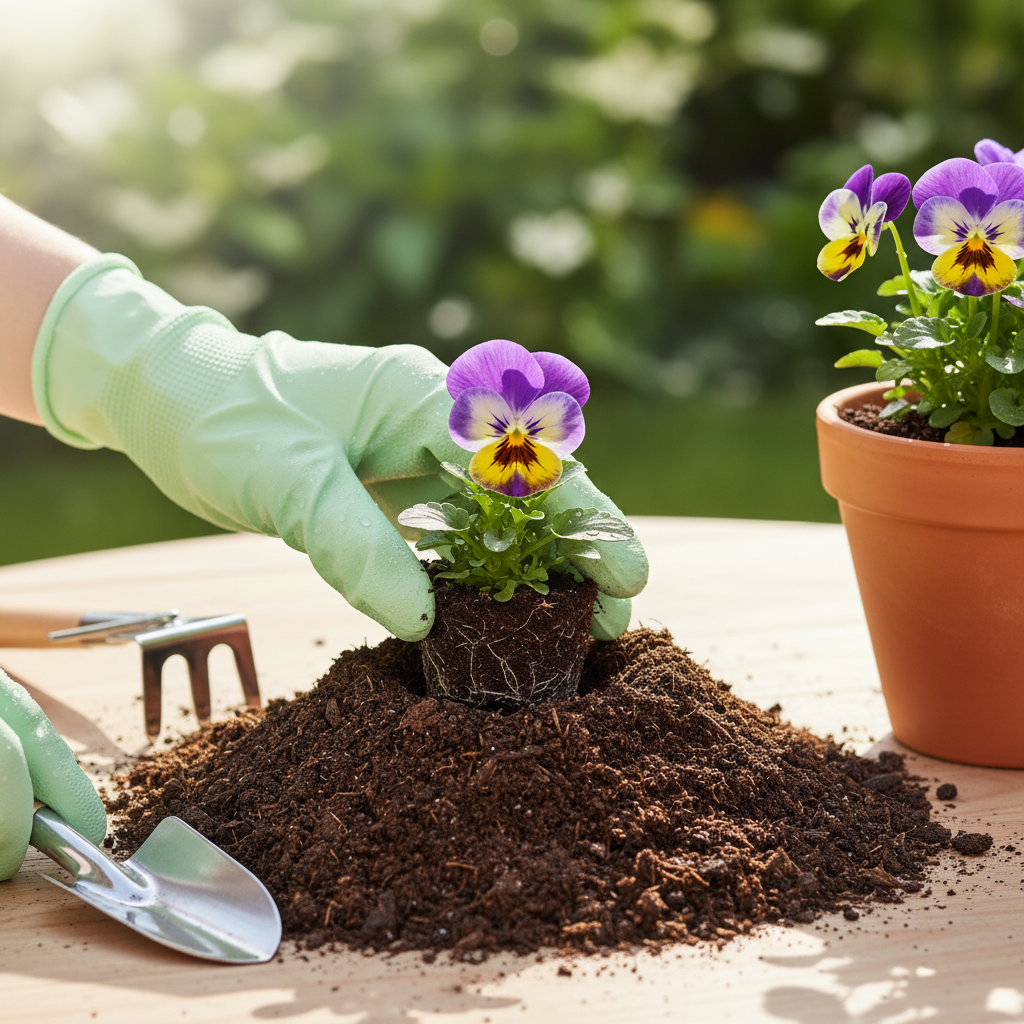
There’s something magical about planning a flower garden. Picture this: vibrant colors dancing in the breeze, scents that make you stop mid-step, and that incredible feeling when something you planted from a tiny seed bursts into bloom. Trust me, anyone can create this kind of garden magic—you just need the right approach to turn that patch of earth into your own personal retreat. But here’s the thing: before you get excited and start planting everything in sight, you’ll want to plan things out. (I learned this the hard way after my first enthusiastic but chaotic attempt!) This section walks you through the smart steps for designing and prepping your garden so it actually thrives, building on solid gardening basics to create the floral paradise you’re dreaming of.
Planning Your Flower Garden
Starting with a clear plan? Game changer. It’s the difference between a garden that makes you smile every morning and one that becomes a frustrating money pit. First things first—take a good look at your space. How much sun does it get? What’s the soil like? Can you actually reach everything for watering and weeding? These aren’t just nice-to-know details; they’ll make or break your garden’s success. Now, if you’re dealing with tricky soil or a small space, let me tell you about raised beds. Raised bed gardening advantages are pretty amazing—better drainage, easier access, and you get to control exactly what your plants are growing in. Perfect for small plots, city gardens, or anywhere the existing soil makes you want to cry.
Let’s talk money for a minute. Setting a realistic budget keeps you from going overboard (guilty as charged on my first garden shopping spree). You’ll need plants, tools, maybe some garden accessories, and ongoing supplies for maintenance. If you’re just starting out, focus on the basics—good tools and hardy flowers that won’t give up on you easily. Need some guidance? Our gardening tips for beginners guide is packed with practical advice to boost your confidence as you dive into this wonderful hobby.
Key Aspects of Planning Your Flower Garden
Here are the building blocks that’ll set your flower garden up for success and keep it looking gorgeous year after year.
- Choosing the Right Location: Find a spot with the right amount of sun for your favorite flowers. Pay attention to morning versus afternoon sun, wind patterns, and whether you can easily get there with a watering can. Your back will thank you later.
- Soil Preparation and Improvement: Good soil is everything—seriously. It’s worth doing a basic soil test and adding compost or organic matter if needed. Want to dive deeper? Our garden soil preparation guide covers all the techniques for getting your soil in tip-top shape.
- Garden Design and Layout: What’s your style? Formal and structured? Cottage garden chaos? Wild and natural? Think about pathways, bed shapes, and where everything will go. It affects both how pretty it looks and how easy it is to maintain.
- Plant Selection Strategy: This is where the fun really begins. You want flowers blooming all season long, different heights for visual interest, and colors that play well together. Mix some annuals for instant gratification with perennials that’ll come back year after year.
Get your planning and soil prep right, and you’re setting the stage for a garden that’ll reward you with incredible flowers season after season.
Selecting the Right Flowers
Here’s where your garden really comes to life—choosing flowers that’ll actually thrive where you’re planting them. The secret? Understanding your climate, soil, and growing conditions, then picking plants that love those conditions. You’ll also want to get familiar with the difference between annuals and perennials. Some gardens shine with the bold, season-long color that annuals provide, while others benefit from the reliable structure and yearly return of perennials. And if you love bringing flowers indoors (who doesn’t?), thinking about flower arranging can help you plan combinations that look amazing both in the garden and in a vase. Check out our flower arranging tips for ideas on creating stunning bouquets from your garden.
Want to expand your flower collection without breaking the bank? Learn to propagate. Whether you’re taking cuttings, dividing plants, or starting from seed, propagation lets you multiply your plants and keep your garden evolving. It’s incredibly satisfying too—there’s something special about growing a whole new plant from a tiny cutting. Our how to propagate plants guide breaks down the techniques that work for beginners and experienced gardeners alike.
Key Aspects of Selecting the Right Flowers
Smart flower selection comes down to these important considerations:
- Annuals vs. Perennials: Annuals give you one amazing season of blooms, then you replant next year. Perennials come back year after year, providing the backbone of your garden. Most successful gardens use both.
- Climate and Soil Compatibility: Match your flowers to your local conditions and you’ll save yourself so much frustration. Even container gardeners need to think about this—blueberries, for example, do beautifully in pots when you know what you’re doing. Our growing blueberries in containers guide shows you how to get great results in small spaces.
- Flower Height and Spread: Create layers in your garden by mixing tall backdrop plants with shorter ones in front. Climbing roses can add amazing vertical drama when you know how to prune climbing roses properly for the best growth and blooms.
- Container and Small Space Flowers: Working with limited space or containers? You’ve got plenty of options. Even herbs like mint can add lovely flowers and fragrance when grown in pots—our how to grow mint in pots guide covers everything you need to know.
Choose flowers that match your goals, growing conditions, and design vision, and you’ll create a garden that keeps getting better with time, surprising you with new colors and textures as it matures and evolves.
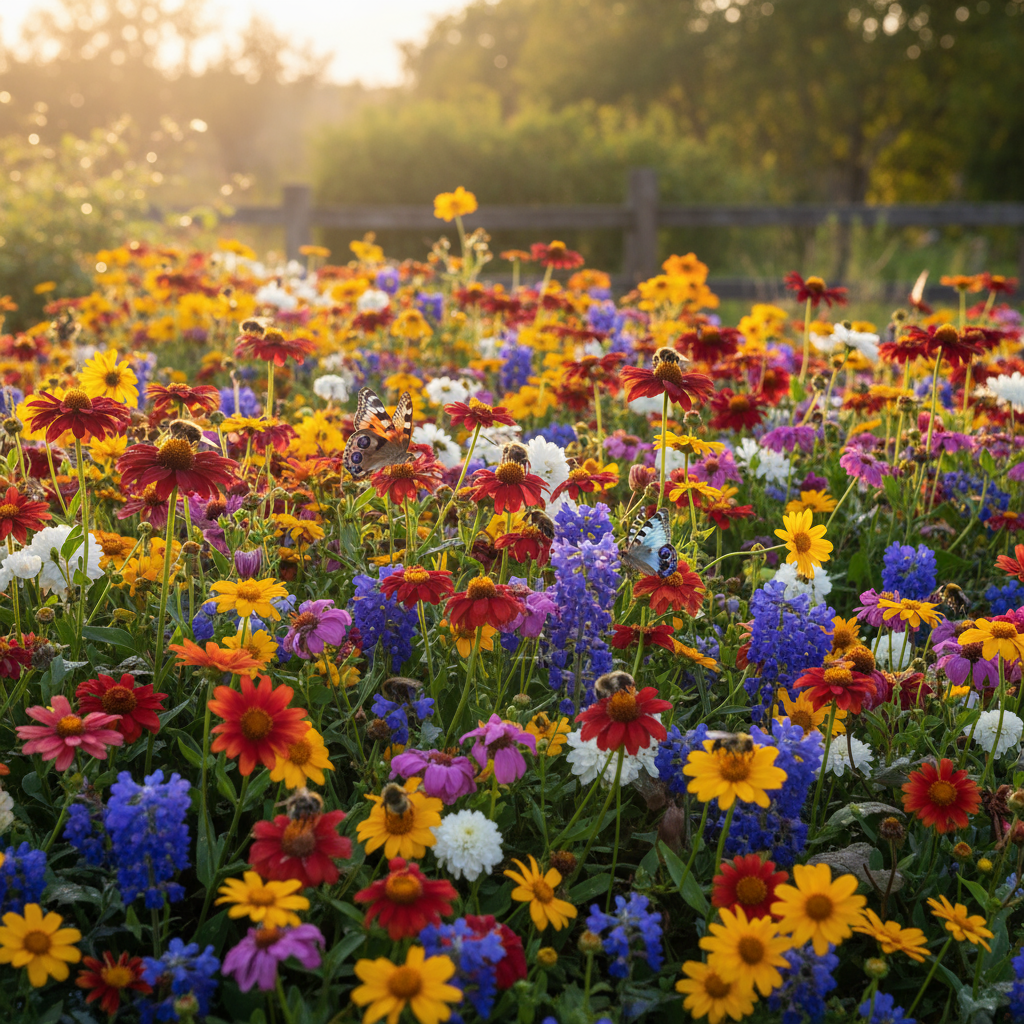
There’s something magical about starting your first flower garden. Maybe it’s the way dirt gets under your fingernails, or how you find yourself checking on tiny sprouts every morning with your coffee. We’ve covered a lot of ground together—from picking the perfect spot to understanding why some flowers come back year after year while others are one-season wonders. The truth is, good soil preparation isn’t glamorous, but it’s everything. Think of it as building a foundation for your house, except this foundation feeds your flowers.
Here’s what I’ve learned after years of trial and error: gardening teaches you to pay attention. Those yellow leaves? Your plant’s trying to tell you something. That sudden pest invasion? It happens to all of us (trust me, I’ve been there). But when you start noticing these things early and know how to respond, your garden becomes resilient. And the bonus? You’re creating a little haven for bees and butterflies too. There’s something pretty wonderful about that.
Ready to dig in? Let’s talk about your next steps. If you’re dealing with heavy clay or sandy soil that just won’t cooperate, raised bed gardening might be your game-changer. It gives you complete control over your growing space. Speaking of soil, don’t skip the deep dive into soil preparation techniques—your future self will thank you when everything actually grows. Want to multiply your flowers without breaking the bank? Learning to propagate plants is like getting free flowers from your existing ones. And once you’ve got blooms coming out of your ears, check out our flower arranging tips to bring that garden beauty indoors.
Let’s be real about money for a minute. Gardening can get expensive fast if you’re not careful. (Ask me how I know.) That’s where smart budgeting and expense management comes in handy—not just for gardening, but for keeping all your hobbies from eating your paycheck.
Look, your garden won’t be perfect. Mine certainly isn’t. You’ll have seasons where everything thrives and others where you wonder if you have a black thumb after all. But that’s part of the journey—and honestly, part of the joy. Each season teaches you something new. Each flower that blooms feels like a small victory. Your garden will become your retreat, your thinking space, your little corner of the world where you get to create something beautiful. So get your hands dirty, be patient with yourself, and remember: every expert was once a beginner. Happy gardening!
Frequently Asked Questions
-
What are the easiest flowers to grow for beginners?
- Easy flowers for beginners include marigolds, zinnias, pansies, and sunflowers. These varieties are hardy, low maintenance, and bloom reliably with minimal care.
-
How much sunlight do flower gardens need?
- Most flowers thrive with at least 6 hours of direct sunlight per day. Some varieties prefer partial shade, so it’s essential to know your plants’ specific light requirements for optimal growth.
-
Can I start a flower garden in pots instead of the ground?
- Yes, container gardening is a great option for small spaces or patios. Choose suitable pots with good drainage, use quality soil, and select flowers that adapt well to container life.
-
How often should I water my flower garden?
- Water your garden deeply but less frequently, usually once or twice a week depending on climate and soil type. Avoid overwatering to prevent root rot, and adjust based on weather conditions.
-
When is the best time to plant flowers?
- The best planting time varies by species and climate but generally is in spring or early fall. Consider frost dates, soil temperature, and the flower’s growth cycle to choose the perfect time for planting.