Table of Contents
Introduction
Picture this: you’re looking out at your garden after a heavy rainstorm, watching water rush off your roof and down the driveway, carrying soil and who-knows-what into the storm drains. What if I told you there’s a way to capture that water and turn it into something beautiful? Enter the rain garden—nature’s own water filter that happens to look absolutely stunning in your yard.
Here’s how it works. Instead of letting rainwater race away from your property, you create a shallow depression filled with the right plants that actually want their feet wet sometimes. These gardens are like natural sponges, soaking up stormwater that would otherwise overwhelm drainage systems or wash pollutants into nearby waterways. The magic happens underground too—as water seeps through the soil, it gets filtered naturally, coming out cleaner than when it went in. And here’s where it gets even better: when you choose native plants for your rain garden, you’re creating a buffet for local wildlife while barely lifting a finger for maintenance. Want to take it up a notch? The principles from gardening with native plants and raised bed gardening advantages work beautifully together, especially when you know how to prepare garden soil that drains well but holds just enough moisture for your plants to thrive.
But let’s zoom out for a second. Building a rain garden isn’t just about solving a drainage problem—it’s about becoming part of the solution. Every time it rains, your garden becomes a mini ecosystem in action. Bees and butterflies stop by for a drink. Birds come hunting for insects. And you? You get to watch it all happen while knowing you’re doing something genuinely good for the environment. This mindset tends to be contagious, too. Once you start thinking about water differently, you might find yourself interested in other sustainable practices. Maybe you’ll start looking into how to recycle glass bottles or explore ways to reduce water pollution. Some folks even dive into energy-saving strategies at home or start researching renewable energy options for homes. It all connects—your rain garden becomes the gateway to a more thoughtful way of living.
The timing couldn’t be better for this kind of project. With climate change bringing more intense rainfall patterns, traditional drainage systems are getting overwhelmed. Rain gardens offer a practical answer that works with nature instead of against it. Plus, there’s something deeply satisfying about creating a space that actually improves with each storm. Every downpour becomes a chance to watch your garden come alive, knowing you’ve turned potential runoff problems into opportunities for growth and beauty.
What You’ll Learn in This Guide
Ready to build your own rain garden? We’re going to walk through everything you need to know, from the first shovelful of dirt to watching your garden flourish through the seasons. Here’s what we’ll tackle together:
- Understanding the Basics: We’ll break down exactly what makes a rain garden tick, how water moves through it, and why it’s such a game-changer for managing stormwater runoff in your yard.
- Planning Your Rain Garden: This is where the detective work happens—figuring out the perfect spot, sizing it right, and shaping it to work with your landscape and local rainfall patterns.
- Choosing the Right Plants: Here’s where it gets fun. We’ll explore native and water-loving plants that can handle both drought and downpours, plus smart layering techniques that keep your garden looking good year-round.
- Building and Maintaining Your Garden: Time to get our hands dirty! We’ll cover everything from digging and soil prep to planting day and the ongoing care that keeps your rain garden healthy and effective for years to come.
Master these basics, and you’ll have a rain garden that’s both drop-dead gorgeous and incredibly functional. Don’t worry if you’re new to gardening—we’ve designed this advice to work whether you’re a complete beginner or someone who’s been playing in the dirt for decades.
In the sections ahead, we’ll dig deep into site assessment (literally and figuratively). You’ll learn how to read your landscape like a book, spotting the subtle clues that tell you where water wants to go. We’ll also explore why native plants are absolute rockstars in rain garden design—they’re already adapted to your local conditions, which means less work for you and more benefits for local wildlife.
One thing I love about rain gardens is how they connect to the bigger picture. Sure, you’re solving a drainage issue and creating something beautiful. But you’re also joining a movement of people who are rethinking their relationship with water and the environment. Whether it’s through rain gardens, recycling glass, or reducing water pollution, every small action adds up. The resources we mentioned earlier—like gardening with native plants, raised bed gardening advantages, and how to prepare garden soil—will give you even more tools to make your rain garden project a success.
By the time you finish reading this guide, you’ll be itching to grab a shovel and start digging. More importantly, you’ll have the confidence and know-how to create a rain garden that works for your space, your budget, and your vision. Ready to turn the next rainstorm into something to celebrate rather than worry about? Let’s get started.
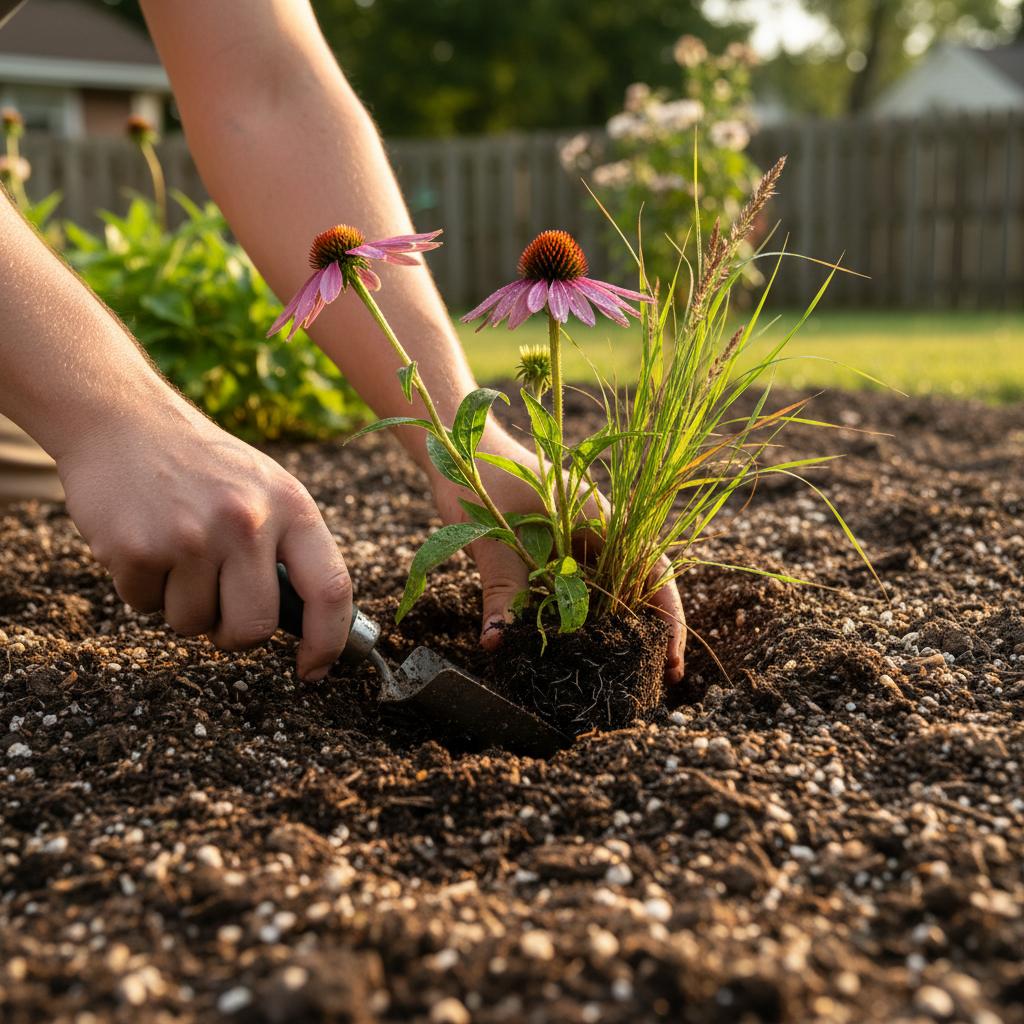
So you’re ready to take the next step with your rain garden? Great! Now comes the fun part—actually planning and building something that’ll handle stormwater like a champ while making your yard look amazing. Here’s the thing: a well-designed rain garden isn’t just about controlling runoff (though it does that beautifully). It’s also about supporting the local ecosystem and keeping erosion at bay. We’re going to walk through everything you need to know about planning smart and choosing the right spots and plants. By the time we’re done, you’ll have a rain garden that’s both hardworking and gorgeous.
Planning Your Rain Garden: Site Assessment and Garden Design
Let’s be honest—planning is where the magic happens. Skip this step, and you might end up with a soggy mess instead of a thriving garden. First things first: you need to become a water detective. Watch where water flows during storms, find those natural drainage spots, and get to know your soil. Because here’s what most people don’t realize—rain gardens need soil that drains well. Standing water? That’s just an invitation for mosquitoes and other unwanted guests.
Once you’ve figured out how water moves around your property, it’s time to think size and shape. The key is matching your garden’s capacity to the amount of runoff you’re expecting from hard surfaces like your roof or driveway. You want enough space to handle a good downpour without overflow, but you also want it to look like it belongs in your landscape. Curved edges give you that natural, flowing look, while geometric shapes work beautifully in modern settings. And if you’re wondering about soil prep and design techniques, our garden soil preparation guide has you covered. For long-term plant success, check out our comprehensive gardening with native plants resource—it’s packed with sustainable gardening principles that’ll make your rain garden thrive.
Key Aspects of Rain Garden Planning
Ready to dive into the specifics? Here’s what you need to focus on:
- Water Flow Analysis: Think of yourself as a storm water tracker. Use simple tools (or bring in a pro if you prefer) to map exactly where water goes when it rains. The goal? Capture that runoff efficiently without causing problems for your house or other structures.
- Soil Testing and Amendments: Time for a soil check-up. Test drainage rates and nutrient levels—you might need to add compost or sand to help water soak in properly and give your plants the foundation they need.
- Garden Footprint and Capacity: Do the math on your catchment area to estimate runoff volume, then size accordingly. Bigger is usually better here—you want to handle heavy rains without your garden throwing in the towel.
- Design Harmony: Make sure your rain garden plays nice with the rest of your landscape. It should look intentional, not like an afterthought, while still doing its important job.
Get the planning right, and you’re setting yourself up for years of effective stormwater management and serious curb appeal. Next up? Let’s talk about finding the perfect spot and choosing plants that’ll make your rain garden shine.
Choosing the Right Location and Plants for Optimal Rain Garden Success
Location, location, location—it matters just as much for rain gardens as it does for real estate. You’ll want to keep a safe distance from your house foundation, septic systems, and wells. Nobody wants water damage or system problems because their rain garden got a little too enthusiastic. Plus, you need to think about sun and shade patterns. Your plant choices depend on this, and trust me, happy plants make for a much more successful garden.
Native plants are your best friends here. Why? They’re already adapted to local conditions, they handle wet-to-dry cycles like pros, and they support local wildlife. Win-win-win. Layer in some water-loving perennials, shrubs, and grasses that’ll hold the soil in place, and you’ve got yourself a natural filtration system. Don’t forget the mulch—it keeps moisture in and weeds out, making your life easier. If you want to take your plant game to the next level, our flower arranging and plant selection guide offers great tips for maximizing both beauty and function.
The secret sauce? Combining smart plant choices with regular (but not overwhelming) seasonal maintenance. Do this right, and your rain garden will keep looking good and working hard year after year.
Key Aspects of Location and Plant Selection
Here’s what you need to nail down for location and plant success:
- Safe Distance from Structures: Keep at least 10 feet between your garden and building foundations. Avoid anywhere near septic systems. Water damage prevention is non-negotiable.
- Sunlight Exposure: Spend a day watching how sun and shade move across your potential spot. Match your plant choices to what you’ve got—full sun lovers in sunny spots, shade plants where it’s shadier.
- Native and Water-Tolerant Plants: Go local with species that can handle moisture swings. They’re tougher, need less babying, and the pollinators will thank you.
- Mulching and Soil Stabilization: Mulch is your garden’s best friend—it holds moisture and fights weeds. Add some grasses and groundcovers to keep soil from washing away during heavy rains.
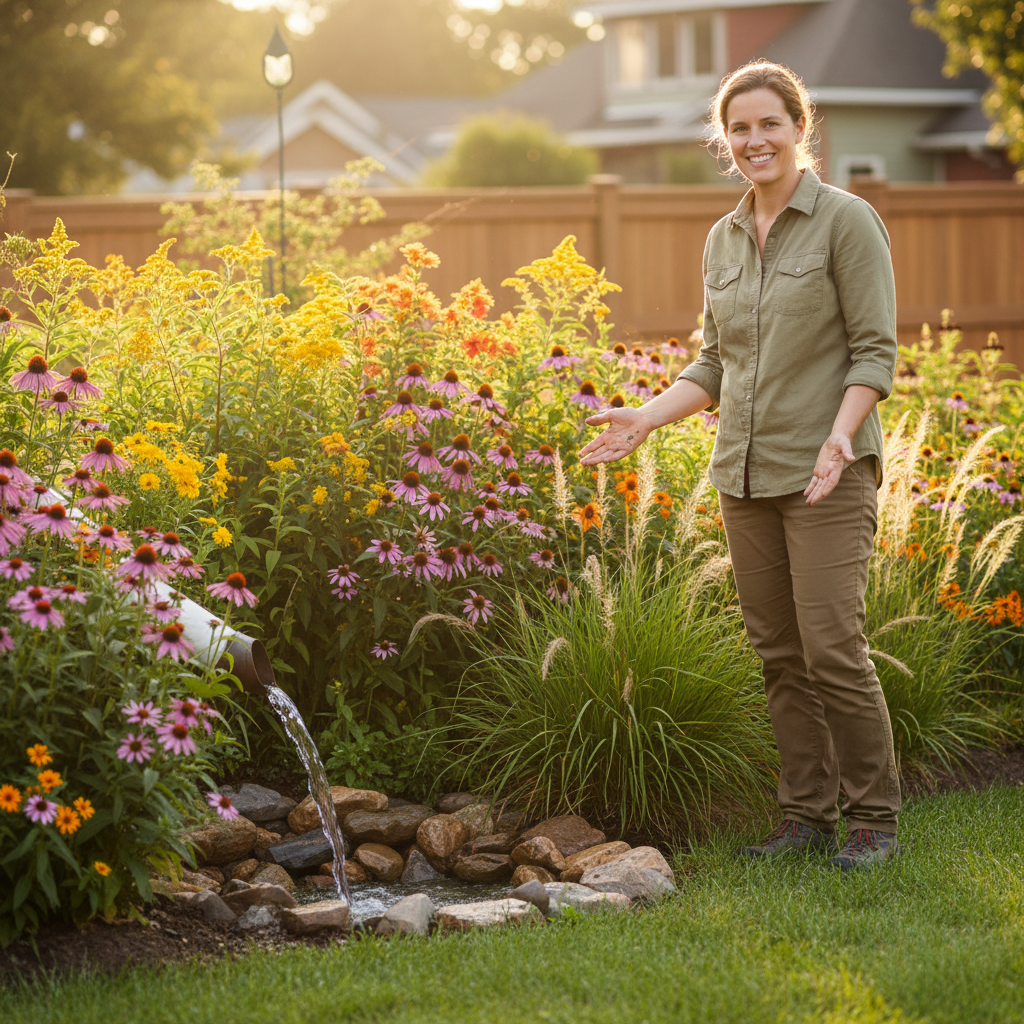
Here’s the thing about rain gardens—they’re honestly one of the most rewarding projects you can tackle. Not only do they make your yard look amazing, but they’re also doing some serious environmental heavy lifting. Think of your rain garden as nature’s own cleanup crew, catching all that stormwater runoff and filtering out pollutants before they can mess with local waterways. Pretty cool, right? When you take time to really understand how water moves through your space and what your soil can handle, you’re setting yourself up for success. And choosing native plants that actually love getting their feet wet? That’s like giving local wildlife a five-star hotel right in your backyard.
The maintenance part is surprisingly straightforward too. A little mulch here, some watering while everything gets settled, and keeping those weeds in check—that’s really all it takes to keep your garden thriving year after year. Once you get the hang of these basics, you’ll feel so much more confident about the whole process. Every decision you make, from the initial layout to picking the perfect plants, builds toward something that’s both gorgeous and genuinely helpful for the planet. It’s pretty amazing when you think about it—you’re literally turning what used to be a drainage headache into something that feeds your garden and brings in butterflies, birds, and all sorts of life.
Ready to get your hands dirty? Let’s make this happen. First things first—you’ll want to get your soil in tip-top shape, and our how to prepare garden soil for a thriving garden guide has everything you need to know. Once that’s sorted, dive into our gardening with native plants resource to find species that’ll absolutely love those changing moisture levels. Want to add some extra visual appeal? Our flower arranging tips can give you some creative ideas for layering plants and creating those eye-catching design moments. And if you’re looking for hands-on construction advice, this how to build a rain garden guide has some fantastic practical techniques that’ll complement everything you’ve learned here.
Look, building a rain garden isn’t just about being environmentally responsible (though that’s awesome). You’re also creating something beautiful that’ll make your outdoor space more valuable and way more interesting. You’ve got everything you need now—the knowledge, the inspiration, and most importantly, the confidence to make this work. Every time it rains, you’ll get to watch your garden come alive, knowing you’ve created something that’s actively helping the environment while looking absolutely stunning. So grab your shovel and get started. Your future self (and all the local wildlife) will thank you for it!
Frequently Asked Questions
-
How big should my rain garden be?
- The size depends on the area of drainage and available space, typically ranging from 100 to 300 square feet.
-
Can I plant any type of plants in a rain garden?
- It’s best to use native, water-tolerant plants that thrive in both wet and dry conditions.
-
How often should I water my rain garden?
- Water regularly during the first growing season; once established, natural rainfall usually suffices.
-
Will my rain garden attract mosquitoes?
- No, properly designed rain gardens drain within 24-48 hours and do not create standing water that breeds mosquitoes.
-
When should I build a rain garden?
- Spring or fall are ideal times to plant and build to ensure good plant establishment.