Best Plants for San Diego: Local Expert Insights
San Diego’s Mediterranean climate creates one of the most favorable gardening environments in North America. With mild winters, dry summers, and year-round growing potential, this Southern California region offers gardeners extraordinary opportunities to cultivate diverse plants that thrive in USDA zones 9b-10a. Whether you’re tending a small balcony at a downtown hotel or managing a sprawling suburban landscape, understanding which plants flourish in San Diego’s unique conditions is essential for success.
The city’s proximity to the Pacific Ocean moderates temperatures while its inland valleys experience more seasonal variation. This diversity means plant selection depends significantly on your specific microclimate, water availability, and aesthetic goals. From stunning coastal-adapted succulents to productive vegetable gardens, San Diego’s gardening palette is remarkably rich. Local experts consistently recommend plants that require minimal supplemental watering once established, reducing maintenance while supporting sustainable landscaping practices.
Mediterranean Climate Advantages
San Diego’s Mediterranean climate is characterized by mild, wet winters (November through March) and warm, dry summers (June through September). This pattern allows gardeners to grow plants that would struggle in more extreme climates. Unlike areas requiring frost protection or excessive summer irrigation, San Diego gardeners can rely on natural rainfall during winter months, significantly reducing water management demands.
The region’s average winter temperatures rarely drop below 50°F, while summer highs typically remain moderate due to ocean influence. This stability enables year-round gardening activities, though timing varies by plant type. Spring (February-April) and fall (September-November) represent peak planting seasons when soil moisture and temperatures favor establishment. Understanding these seasonal windows helps gardeners maximize success rates and minimize transplant shock.
Local extension services emphasize that San Diego’s climate supports both cool-season and warm-season crops simultaneously, unlike most American regions. This unique advantage means gardeners can maintain productive landscapes throughout the year with proper plant selection and timing.
Best Ornamental Plants for San Diego Gardens
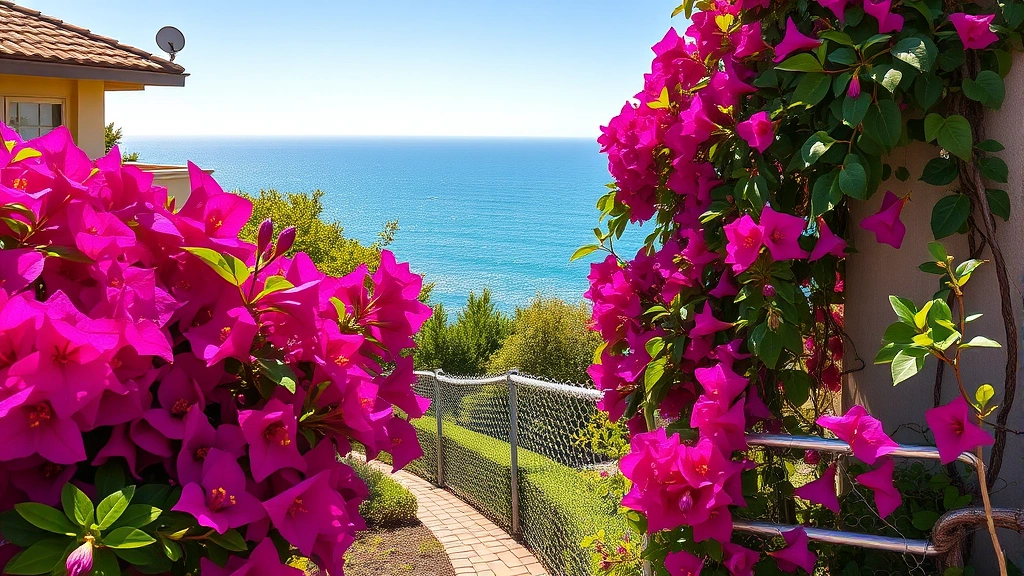
Bougainvillea stands as an iconic San Diego ornamental, producing vibrant magenta, pink, purple, orange, and red flowers from spring through fall. These vigorous vines and shrubs thrive in full sun and well-draining soil, requiring minimal supplemental water once established. Bougainvillea performs exceptionally well when trained as espaliers or container specimens, making them perfect for balconies and patios near downtown areas.
Lantana offers another excellent ornamental choice, producing clusters of small flowers that attract butterflies and hummingbirds throughout the growing season. The plant’s heat and drought tolerance make it ideal for challenging locations, while its dense growth provides excellent screening and privacy. Most varieties require only occasional deep watering during extended dry periods.
Rosemary, while primarily valued as a culinary herb, deserves recognition as an outstanding ornamental. The plant’s needle-like foliage ranges from green to silvery-blue, with flowers in purple, pink, white, or blue. Prostrate varieties create stunning groundcovers, while upright forms reach six feet or taller. Rosemary’s drought tolerance and minimal care requirements make it a cornerstone of water-wise San Diego landscaping.
Ceanothus (California lilac) showcases San Diego’s native plant heritage beautifully. These shrubs produce striking blue, purple, or white flower clusters in spring, supporting native pollinators. Once established, most varieties require no supplemental irrigation, thriving on natural rainfall alone.
For gardeners seeking year-round color, consider how to prune hydrangea bushes for San Diego cultivation. While hydrangeas prefer afternoon shade and consistent moisture, certain varieties adapt well to coastal San Diego microclimates where ocean breezes provide humidity and temperature moderation.
Drought-Tolerant Natives and Succulents
California native plants represent the pinnacle of San Diego gardening wisdom. These species evolved to thrive in local conditions without supplemental irrigation, chemical fertilizers, or pest management interventions. Sage species, including California white sage and desert marigold sage, offer silvery foliage, attractive flowers, and exceptional drought tolerance.
Manzanita shrubs showcase smooth, reddish bark and delicate spring flowers that attract native bees. These plants establish slowly but reward patient gardeners with decades of interest and minimal maintenance. Their deep root systems access soil moisture unavailable to shallow-rooted ornamentals, enabling true drought independence once mature.
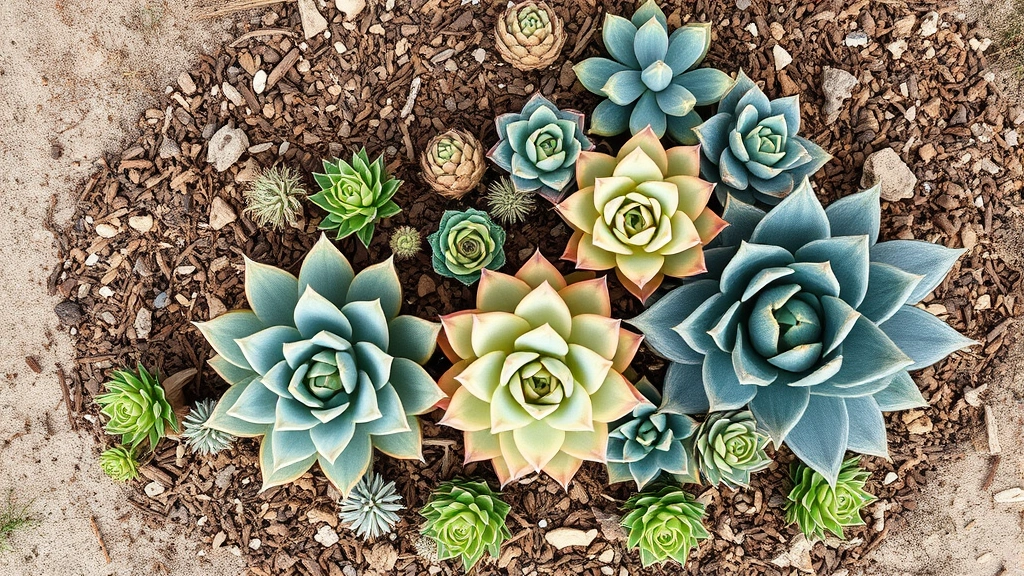
Succulent plants represent San Diego’s most versatile drought-tolerant category. Agave varieties range from compact specimens suitable for containers to architectural specimens exceeding ten feet tall. Echeveria, jade plants, and aloe species provide endless color and texture combinations while requiring water only during establishment and extreme drought conditions.
Dudleya, a California native succulent, produces stunning rosettes and striking flower spikes. These plants naturally occur in local coastal bluffs and adapt seamlessly to San Diego gardens with minimal care. Their architectural forms complement modern landscapes while honoring regional heritage.
Grasses including purple fountain grass, blue fescue, and native deer grass add movement, texture, and seasonal color transitions. These plants support beneficial insects while requiring only annual pruning and occasional deep watering during establishment.
Vegetable and Herb Growing Success
San Diego’s extended growing season enables year-round vegetable cultivation with thoughtful plant selection and timing. Cool-season crops including lettuce, spinach, broccoli, and kale thrive during winter months (October-March), while warm-season crops like tomatoes, peppers, eggplant, and squash flourish spring through early fall.
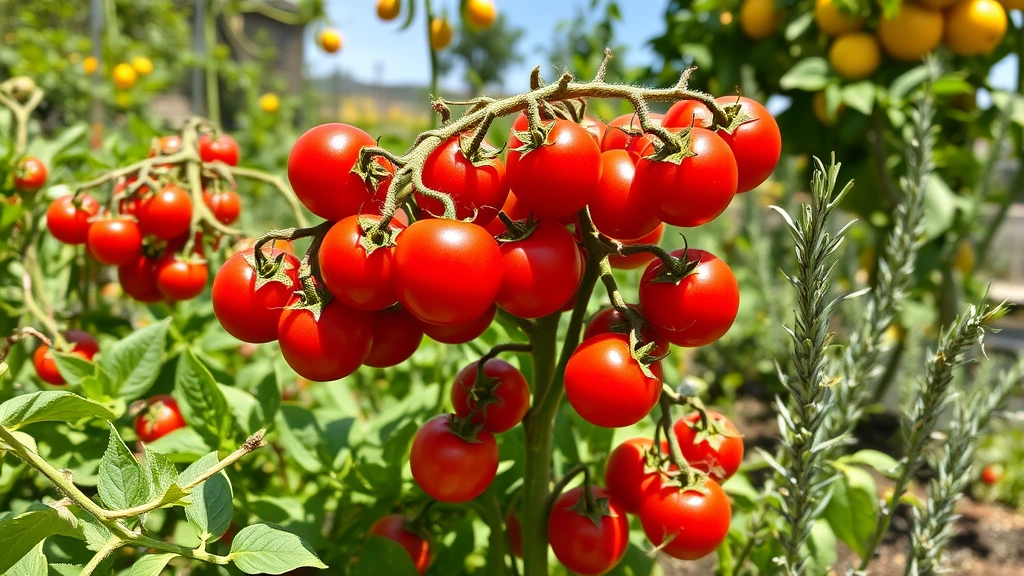
Tomato cultivation reaches peak success with proper varietal selection. Cherry tomatoes consistently outperform large-fruited types in San Diego’s maritime climate, producing abundantly with minimal disease pressure. Indeterminate varieties trained to single stems maximize production in limited spaces, ideal for container gardening near downtown hotels or small patios.
Herbs flourish year-round in San Diego gardens. Beyond rosemary, consider basil (plant fresh seeds monthly for continuous harvest), oregano, thyme, marjoram, and sage. These Mediterranean herbs thrive in full sun and well-draining soil, naturally aligning with San Diego conditions. Sweet tea recipes grow a garden demonstrates how homegrown herbs enhance culinary creations.
Citrus trees represent a signature San Diego crop. Meyer lemons, Eureka lemons, Valencia oranges, and grapefruit varieties produce abundantly in the region’s moderate climate. These trees require full sun, well-draining soil, and minimal supplemental water once established. Frost protection during rare freezes (typically December-January) ensures tree survival and fruit production.
Garden egg cultivation suits San Diego’s warm season perfectly. These plants flourish in containers or raised beds, producing purple, white, or striped fruits from summer through fall. Their compact growth and attractive foliage make them ornamental additions to productive landscapes.
Garden rhubarb presents an interesting challenge in San Diego, requiring winter chill hours for dormancy. Planting in fall allows plants to experience sufficient cold during the region’s mildest winters, enabling spring harvests. Container cultivation provides flexibility if natural chilling proves insufficient.
Coastal Garden Considerations
San Diego’s coastal properties face unique challenges including salt spray, strong winds, and sandy soils. Plant selection must account for these stressors while capitalizing on moderating ocean influences. Salt-tolerant plants including myrtles, oleanders, and salt bush naturally thrive in coastal microclimates, requiring minimal amendment or special care.
Coastal bluff gardens benefit from native plants like buckwheat, silver beachweed, and San Diego sunflower. These species prevent erosion while supporting native pollinators and wildlife. Their deep root systems stabilize soil while accessing subsurface moisture, eliminating supplemental irrigation needs.
Wind protection becomes critical for tender plants in exposed coastal locations. Establishing windbreaks using hardy shrubs like Australian tea tree or coast live oak protects more sensitive ornamentals. Strategic placement of garden statues and hardscape elements also reduces wind impact while adding visual interest.
Soil amendment proves essential in coastal sandy soils lacking organic matter and nutrient retention. Incorporating compost before planting improves water-holding capacity and nutrient availability. Ongoing mulching with organic materials replenishes soil organic matter as it decomposes, supporting long-term soil health.
Seasonal Planting Calendar
Winter (November-February): This season offers optimal conditions for establishing cool-season plants. Sow lettuce, spinach, broccoli, and cauliflower seeds directly in garden beds. Transplant bare-root roses, fruit trees, and ornamental shrubs. Plant spring-flowering bulbs including tulips, daffodils, and hyacinths for late-winter color. These months receive adequate rainfall, minimizing supplemental irrigation needs.
Spring (March-May): Transition to warm-season crops as soil temperatures rise. Direct-sow beans, squash, cucumber, and melon seeds after last frost (typically mid-March). Transplant tomato, pepper, and eggplant seedlings into garden beds or containers. Continue cool-season crop harvests while establishing warm-season replacements. This season often brings unpredictable weather, so protect tender plants from unexpected cold snaps.
Summer (June-August): Warm-season crops reach peak production during these months. Maintain consistent watering schedules as rainfall ceases and temperatures soar. Provide afternoon shade for sensitive plants in inland valleys experiencing extreme heat. Begin succession planting fall crops (broccoli, lettuce, spinach) in late July for September transplanting. Reduce fertilizer applications as many plants slow growth during peak heat.
Fall (September-November): This season rivals spring as a premier planting period. Establish cool-season crops while soil remains warm enough for germination. Plant ornamental shrubs and perennials, allowing winter rainfall to support establishment. Reduce supplemental irrigation as temperatures moderate and rainfall increases. This timing provides optimal conditions for root development before winter dormancy.
Water Conservation Strategies
San Diego’s recurring drought cycles make water conservation essential for responsible gardening. Drip irrigation systems deliver water directly to plant roots, reducing evaporative losses while minimizing disease pressure. Soaker hoses and micro-sprinklers prove especially effective for vegetable gardens and container plantings.
Mulching represents the single most impactful water conservation practice. Organic mulch (wood chips, compost, straw) reduces soil surface evaporation by 70% while moderating soil temperatures and suppressing weeds. Apply 2-3 inches of mulch around plants, keeping material several inches from plant stems to prevent rot.
Soil amendment with compost improves water-holding capacity in sandy coastal soils while enhancing nutrient availability. Healthy soils rich in organic matter require less supplemental irrigation while supporting robust plant growth. Raised garden covered systems provide excellent water management and soil control, particularly valuable in challenging coastal or urban settings.
Plant selection for drought tolerance represents the most sustainable approach. Native plants, Mediterranean species, and established succulents require minimal supplemental water once established. Grouping plants by water needs (hydrozoning) allows efficient irrigation management without overwatering drought-tolerant specimens.
Timing irrigation during early morning hours (5-7 AM) reduces evaporative losses while allowing foliage to dry before nightfall, minimizing fungal disease pressure. Most established plants require deep watering once or twice weekly during summer, depending on soil type and plant maturity.
FAQ
What plants grow best in San Diego year-round?
Rosemary, lavender, sage, and other Mediterranean herbs thrive throughout San Diego’s seasons. Ornamentals like bougainvillea, lantana, and ceanothus provide year-round interest. Cool-season crops (lettuce, broccoli) flourish October-April, while warm-season crops (tomatoes, peppers) peak May-September. Citrus trees and other evergreen fruits provide consistent production with proper care.
Can I grow tomatoes in San Diego during winter?
While technically possible in protected microclimates, winter tomato cultivation proves challenging in San Diego. Cool temperatures slow growth and fruit development, while reduced sunlight limits productivity. Spring planting (March-April) provides optimal conditions, with harvests continuing through October in favorable years. Cherry tomato varieties generally outperform large-fruited types in maritime climates.
How much water do San Diego gardens need?
Established native plants and drought-tolerant species require little to no supplemental water beyond natural rainfall. Vegetable gardens and tender ornamentals typically need deep watering once or twice weekly during summer months (June-September), depending on soil type and plant maturity. Coastal properties may require more frequent watering due to sandy soils and salt spray. Drip irrigation systems deliver approximately 0.5-1 inch weekly during peak summer.
Which native plants should San Diego gardeners prioritize?
California buckwheat, coast live oak, toyon, manzanita, and native sage species represent excellent native choices. These plants require no supplemental irrigation once established, support local pollinators and wildlife, and honor regional ecological heritage. San Diego native plant societies provide extensive resources and plant lists tailored to specific microclimates.
Is frost protection necessary in San Diego?
Frost protection becomes critical only during rare freeze events (typically December-January). Tender plants including citrus trees, bougainvillea, and tropical species benefit from frost cloth protection during these rare occurrences. Most San Diego gardens experience only occasional light freezes, with temperatures rarely dropping below 32°F for extended periods. Inland valleys and northern neighborhoods experience more frequent frost than coastal areas.
What’s the best time to plant in San Diego?
Spring (March-May) and fall (September-November) represent optimal planting seasons. Spring planting allows warm-season crops and tender plants to establish during warming temperatures. Fall planting takes advantage of cooler conditions and increased rainfall, supporting root development before winter dormancy. Winter (November-February) suits cool-season crops and bare-root plantings, while summer (June-August) requires careful timing and consistent irrigation for successful establishment.


