Best Pets for Gardens: Expert Recommendations & Tier List
Creating a thriving garden isn’t just about soil, sunlight, and water—sometimes the right animal companions can transform your outdoor space into a more productive and balanced ecosystem. Whether you’re managing pest populations naturally or simply want to share your gardening journey with beloved pets, understanding which animals complement garden life is essential. This comprehensive guide explores the best pets for gardens, ranked by their benefits, compatibility with plants, and practical considerations for garden owners.
The concept of a “garden pets tier list” goes beyond traditional notions of companionship. We’re examining which animals actively improve garden health, which ones coexist peacefully with your plants, and which require careful management to prevent damage. From chickens that fertilize soil while controlling insects to cats that patrol for rodents, each animal brings unique advantages and challenges to your growing space.
S-Tier: Top Garden Pets That Boost Productivity
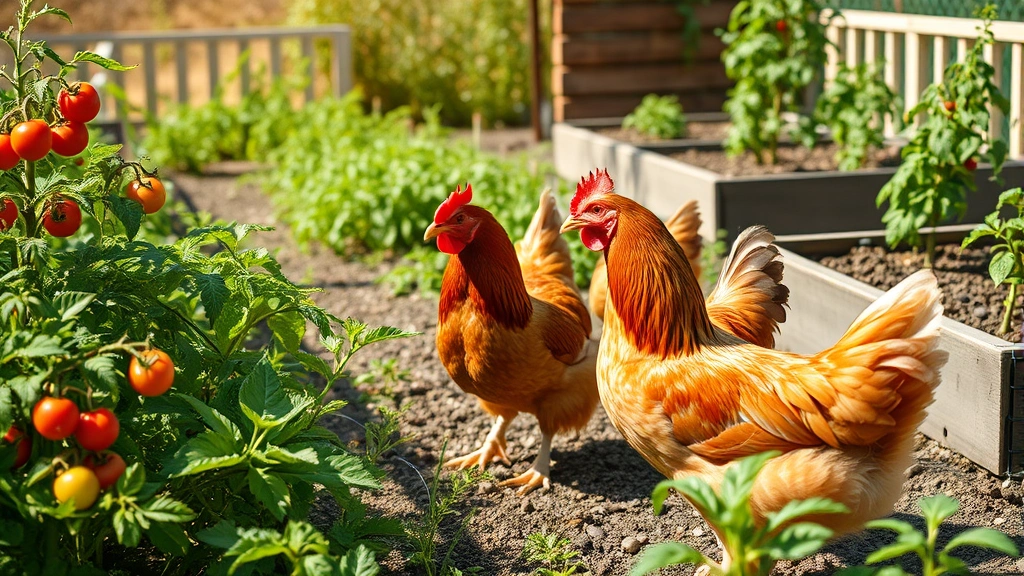
Chickens reign at the top of any garden pets tier list. These remarkable birds provide multiple benefits: fresh eggs, natural pest control, and exceptional fertilizer. Chickens consume thousands of insects, grubs, and ticks annually while their droppings significantly enrich soil nitrogen content. A small flock of 3-4 hens can cover 100-200 square feet of garden space, scratching through soil and eliminating harmful larvae before they mature.
The key to successful chicken integration involves building a secure coop that protects birds from predators while allowing daytime foraging in designated garden areas. When protecting your garden from unwanted animals, remember that chickens are actually beneficial—they’ll help defend against rabbits and other pests naturally. Chickens require minimal daily management: feeding, watering, and collecting eggs. They’re particularly valuable during spring and summer when pest pressure peaks.
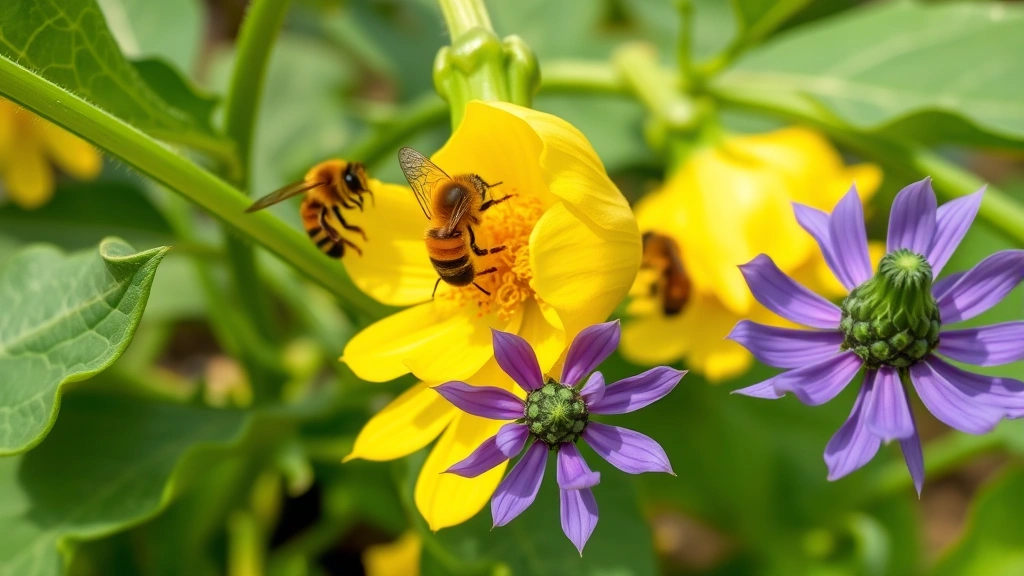
Honeybees deserve S-tier status for pollination alone. A single hive can pollinate 300 million flowers daily, dramatically increasing fruit and vegetable yields. Beyond pollination, honeybees produce honey, beeswax, and propolis—valuable byproducts for dedicated gardeners. Unlike other garden pets, bees require minimal interaction once established. They’re gentle, focused entirely on foraging, and pose little threat to plants or humans when managed properly.
Starting with bees requires education and local permit verification, but the investment pays dividends. A healthy hive produces surplus honey within 18-24 months while continuously improving garden productivity. Beekeeping communities and university extension services provide excellent beginner resources.
A-Tier: Excellent Garden Companions with Minor Management
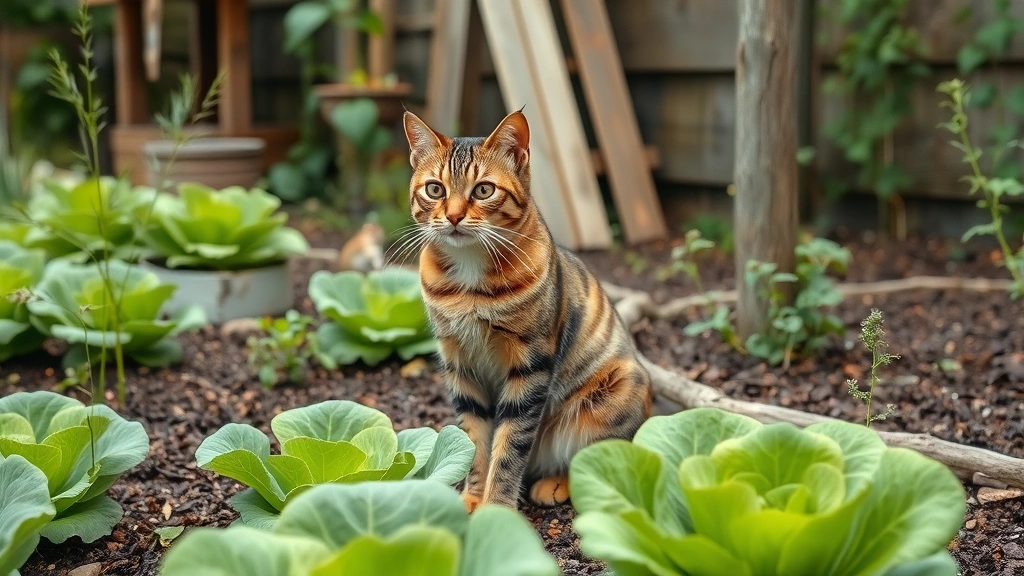
Cats occupy the A-tier through their exceptional rodent control capabilities. Garden cats patrol grounds consistently, eliminating mice, voles, and young rats that devastate vegetable crops. Unlike traps or poisons, cats provide humane pest management while offering companionship. Cats naturally avoid damaging plants, though they may occasionally use garden beds as litter boxes—a manageable issue with proper training and designated cat toilet areas.
Indoor-outdoor cats require microchipping and regular veterinary care, but their presence significantly reduces crop damage from rodent populations. They’re particularly valuable in vegetable gardens where growing vegetables for beginners often includes learning rodent management strategies.
Ducks represent another A-tier option, especially for gardeners with water features or consistently moist soil. Ducks consume massive quantities of slugs, snails, and aquatic insects while producing nutrient-rich manure. Unlike chickens, ducks are less destructive to soil structure because they don’t scratch vigorously. They’re quieter than roosters and often friendlier to humans. Ducks require water access—a simple kiddie pool refreshed weekly suffices—and shelter from predators.
Rabbits present an interesting A-tier option for gardeners willing to manage them carefully. Domestic rabbits can control weeds in designated areas while producing manure superior to most animals for vegetable gardens. Their nitrogen-rich droppings don’t require aging before application, unlike chicken manure. However, rabbits demand secure housing and careful garden boundaries. If you’re concerned about wild rabbits, learning how to keep rabbits out of your garden is essential before introducing domesticated versions.
B-Tier: Good Options Requiring Careful Planning
Guinea fowl offer excellent tick and insect control with higher foraging intensity than chickens. These birds consume enormous quantities of garden pests while being hardier than chickens in many climates. Their primary drawback is noise level—guinea fowl are significantly louder, potentially creating neighbor conflicts. They’re best suited for larger properties with distance from residential areas.
Goats can serve specialized garden roles, particularly in weed management and land clearing. Goats consume brush, weeds, and vegetation that might otherwise require manual removal. However, goats pose serious damage risks to established plants and require robust fencing. They’re best considered for property management rather than integrated garden spaces. Goats thrive in herds and demand significant space, making them impractical for small urban or suburban gardens.
Dogs rank in B-tier because benefits vary dramatically by breed and individual temperament. Certain breeds—livestock guardians or terriers—provide rodent control and perimeter protection. However, dogs can damage plants through digging, urine damage, and destructive behavior. They require training to coexist peacefully with garden spaces. Dogs excel at protecting gardens from larger wildlife like deer and raccoons when properly trained.
C-Tier: Challenging Pets for Garden Spaces
Rabbits (wild/outdoor) occupy C-tier from a garden productivity perspective, though some gardeners intentionally attract them. While cute and natural to observe, wild rabbits cause extensive crop damage. If you’re managing wild rabbit populations, understanding rabbit exclusion and deterrent methods becomes critical to protecting vegetable yields.
Birds (general wild populations) present mixed value. While some birds control insects effectively, others damage ripening fruits and vegetables. Finches, jays, and crows can devastate berry crops and corn harvests. Managing wild bird populations requires netting, scarecrows, or other deterrents that complicate garden aesthetics.
Fish in garden ponds serve specific purposes—mosquito control and aesthetic appeal—but don’t directly benefit plant growth. They require water quality management and protection from predators. Fish are better classified as garden features than productive pets.
Garden Pet Safety & Plant Protection
Integrating pets into gardens requires strategic planning to protect both animals and plants. Create designated pet-free zones for sensitive crops using fencing or barriers. Garden structures like arches and trellises can double as protective barriers while supporting climbing vegetables.
Establish clear boundaries and housing for all animals. Chickens need predator-proof coops and daytime run areas. Cats require escape routes and shelter. Rabbits demand secure enclosures preventing both escape and predator access. Proper housing prevents pet-caused damage while ensuring animal welfare.
Pesticide and chemical safety becomes critical with garden pets. Never apply conventional pesticides where animals forage. Organic and natural pest management methods align better with pet-inclusive gardens. Avoid slug pellets, systemic insecticides, and chemical fertilizers that could poison curious animals.
Plant selection matters when keeping pets. Many common garden plants are toxic to cats, rabbits, and other animals. Tomato plants, rhubarb, and certain bulbs pose poisoning risks. Research pet-safe plants and create gardens where animals can safely explore without health consequences.
Seasonal Considerations for Garden Animals
Spring brings peak garden activity and pest pressure. Chickens and ducks reach maximum foraging value as insects emerge. Bees begin pollinating intensively. This is ideal timing for introducing new animals if you haven’t already established them. Ensure adequate shelter and water during spring’s unpredictable weather.
Summer demands careful management of heat stress for all garden animals. Provide shade structures, increased water access, and monitor animals for heat-related illness. This season tests whether your garden pet setup is sustainable long-term. Adjust animal quantities if summer management becomes overwhelming.
Fall offers opportunities to prepare animals for winter. Ensure adequate shelter, food storage, and veterinary care before cold weather arrives. Many gardeners reduce animal populations in fall, transitioning from productive seasons to maintenance-focused periods. This is when community gardens become valuable for shared animal care resources.
Winter limits garden pet productivity significantly. Most animals require expensive supplemental feeding when natural forage disappears. This season tests your commitment to year-round animal care. Some gardeners maintain only cold-hardy animals like cats, while others significantly reduce or eliminate pets during winter months.
Understanding seasonal patterns helps you build realistic expectations about garden pet benefits. Spring and summer justify the effort; winter requires honest assessment of whether maintaining animals aligns with your gardening goals.
When preparing your garden workspace, don’t overlook practical equipment. Proper garden gloves protect your hands while working around animals and plants. Quality tools and protective equipment make pet-integrated gardening more enjoyable and efficient.
For gardeners seeking inspiration and community support, garden sculptures and decorative elements can coexist alongside functional animal spaces, creating beautiful and productive outdoor environments. Many gardeners find that combining aesthetic and practical elements—like adding animal shelters designed as attractive structures—enhances overall garden appeal.
FAQ
What’s the best single pet for a small garden?
Cats provide the highest benefit-to-space ratio for small gardens. They require minimal dedicated space, control rodents effectively, and coexist peacefully with most plants. A single cat can manage an entire residential garden’s rodent population without demanding extensive infrastructure.
Can I keep bees in an urban garden?
Yes, urban beekeeping is increasingly popular and often legal in cities and suburbs. Check local regulations first—many municipalities allow 1-2 hives on residential property. Bees require minimal space, are non-aggressive, and dramatically improve pollination for container and small-space gardens. USDA resources provide urban beekeeping guidance.
How do I prevent garden pets from damaging crops?
Use physical barriers like fencing and netting for vulnerable plants. Create designated foraging areas separate from sensitive crops. Choose pet-safe plants and rotate animal access to prevent overgrazing. Proper housing and boundaries are essential—never rely on training alone to protect crops.
Are guinea fowl really that loud?
Yes, guinea fowl produce piercing calls significantly louder than chickens. They’re excellent for pest control but unsuitable for noise-sensitive environments. If you have close neighbors, chickens or ducks are better choices.
What animals are safest for homes with children?
Chickens, ducks, and rabbits are generally safe for children when properly managed. Bees require adult supervision but teach valuable lessons. Cats are independent and relatively safe. Avoid goats and large dogs in small spaces with young children. Always supervise animal-child interactions.
Can I combine multiple pet types in one garden?
Absolutely. Many successful gardens integrate chickens, cats, and ducks together. The key is adequate space, proper housing, and careful planning. Animals with different ecological niches—chickens foraging at ground level, bees pollinating above, cats hunting rodents—often complement each other effectively.
How much does it cost to start with garden pets?
Initial costs vary dramatically. A cat costs $50-200 adoption plus housing. Chickens require $200-500 for housing and initial stock. Ducks need $300-600 setup. Bees demand $150-300 per hive plus equipment. Ongoing costs include feed, veterinary care, and maintenance. Budget $30-100 monthly for most small animal operations.


