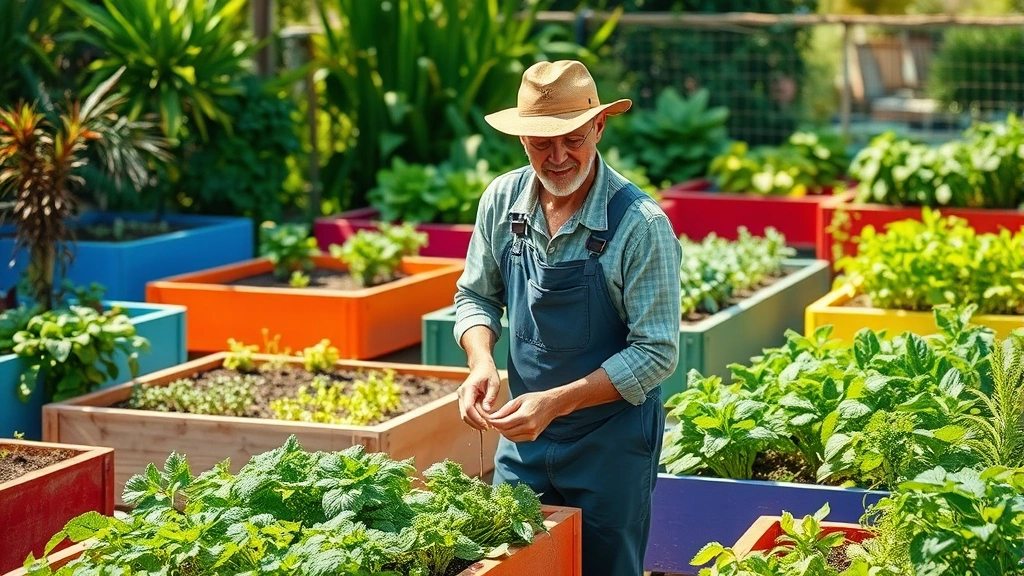
Top Garden TV Shows? Watch & Learn!
Television has transformed how millions of people discover gardening inspiration, techniques, and plant knowledge. Whether you’re a seasoned gardener seeking fresh ideas or a complete beginner wondering where to start, garden TV shows offer accessible entertainment combined with practical education. These programs showcase real gardens, demonstrate proven methods, and feature expert horticulturists who share their passion for growing plants.
The beauty of learning gardening through television lies in its visual storytelling. You can observe soil preparation, watch seeds transform into flowering plants, and see design principles applied in real time. Many shows also highlight how to prepare garden soil for a thriving garden, essential knowledge for any gardener. From cottage gardens to modern landscapes, from vegetable patches to ornamental displays, garden TV shows cover every conceivable gardening interest and climate zone.
This guide explores the most compelling and educational garden television programs available today, helping you choose which shows align with your gardening goals and interests.
Classic Garden Shows That Defined the Genre
The British television landscape gave birth to some of gardening’s most beloved shows, establishing conventions that modern programs still follow. Gardeners’ World, which premiered in 1968, remains one of the longest-running gardening programs globally. This BBC staple features expert presenters guiding viewers through seasonal tasks, plant selection, and garden problem-solving with genuine enthusiasm and accessible language. The show’s strength lies in its practical focus—every episode addresses real gardening challenges viewers actually face.
The Great Gardeners documentary series celebrates influential figures in horticultural history, examining how visionary designers created iconic gardens. These programs provide context for garden design principles and help viewers understand the philosophy behind different gardening styles. Understanding historical garden design can inspire your own garden wall projects and landscape layouts.
Another cornerstone program, Ground Force, pioneered the garden makeover format in the 1990s. Teams transformed neglected outdoor spaces into functional, beautiful gardens within tight timeframes. While entertainment-focused, the show demonstrated practical construction techniques, plant selection strategies, and how to maximize small spaces—lessons directly applicable to viewers’ own gardens.
Digging for Britain combines gardening with archaeology, exploring how historical gardens inform modern horticultural practice. This unique approach appeals to viewers interested in both cultural history and practical growing techniques.
Modern Makeover and Design-Focused Programs
Contemporary garden television emphasizes transformation and aesthetic appeal alongside horticultural knowledge. Love Your Garden brings professional designers into residential spaces, creating stunning outdoor rooms that reflect homeowners’ personalities and lifestyles. The show effectively demonstrates how metal garden edging and structural elements work within cohesive design schemes.
Garden Rescue tackles gardens that have become overwhelming or neglected, helping owners reclaim their outdoor spaces. The program balances design vision with practical plant knowledge, explaining why specific species suit particular locations and how to establish them successfully. Viewers learn that garden rescue isn’t about starting from scratch—it’s about understanding existing conditions and working with them.
The Garden Gurus focuses on contemporary garden design trends while maintaining practical growing information. Episodes cover everything from creating wildlife habitats to installing water features, always with an emphasis on sustainable practices. The show demonstrates how how to make a rain garden contributes both aesthetic and environmental benefits.
Big Dreams, Small Spaces specializes in container gardening and maximizing small urban areas. Urban gardeners particularly appreciate the creative solutions for growing vegetables, herbs, and ornamentals in limited square footage. The program proves that garden size doesn’t determine gardening success.
These design-focused shows often feature beautiful furniture and hardscaping elements. If you’re considering outdoor furniture investments, shows featuring garden table wrought iron options provide inspiration for creating cohesive garden spaces that blend functionality with elegance.
Educational and Science-Based Garden Television
For viewers seeking deeper horticultural knowledge, science-focused garden shows explain the principles underlying successful gardening. RHS Garden Blooms explores plant biology, demonstrating why certain techniques work and how environmental factors affect growth. Understanding the science behind gardening transforms casual growers into knowledgeable cultivators who can troubleshoot problems independently.
The Gardeners’ Question Time television adaptation brings the famous radio program to screen, with expert panelists answering submitted gardening questions. This format allows viewers to hear multiple expert perspectives on common gardening challenges, from pest management to soil improvement. The conversational style makes complex horticultural information approachable.
BBC’s Gardeners’ World Magazine Programs often feature specialist segments on specific plant families, growing techniques, or seasonal tasks. These focused episodes dive deep into topics like propagation, composting, or creating specific garden habitats.
The Flower Expert series examines flowering plants in detail, exploring their botanical characteristics, growing requirements, and design applications. Gardeners interested in Lowes raised garden systems appreciate understanding which plants thrive in elevated beds at different heights.
These educational shows often reference horticultural research and best practices developed by university extension services and botanical institutions. They provide viewers with confidence to experiment and innovate in their own gardens.
Celebrity Gardener Shows and Personalities
Charismatic presenters have made gardening television compelling for mainstream audiences. Monty Don’s programs combine garden visiting, design discussion, and personal reflection. Don’s approachable style and genuine passion for plants attract viewers who might not initially consider themselves gardeners. His emphasis on slow, sustainable gardening resonates with environmentally conscious audiences.
Alan Titchmarsh Productions feature one of television’s most recognized gardeners. Titchmarsh balances entertainment value with genuine horticultural expertise, making complex gardening concepts accessible to diverse audiences. His programs cover everything from flower arranging to vegetable growing.
Carol Klein’s Garden Programs showcase her deep plant knowledge combined with infectious enthusiasm. Klein’s willingness to experiment and take risks in her own gardens encourages viewers to venture beyond conventional approaches. Her color-focused gardening philosophy inspires creative plant combinations.
Gardeners with Attitude features younger presenters bringing fresh perspectives to traditional gardening practices. These programs appeal to younger audiences and emphasize sustainable, organic growing methods. The hosts often grow food alongside ornamental plants, demonstrating productive landscape design.
Celebrity gardeners effectively communicate that gardening isn’t reserved for the traditionally minded—it’s an evolving practice that welcomes diverse approaches and philosophies.
Specialized Gardening Topics and Niches
Vegetable-focused programs like Growing Britain’s Food and various allotment shows specifically address food production. These programs demonstrate how to grow vegetables successfully, plan seasonal rotations, and maximize harvests from limited space. Viewers learn that vegetable gardening combines practical agriculture with the same design principles as ornamental gardening.
Wildlife gardening shows explore creating spaces that support pollinators, birds, and beneficial insects. Programs in this category explain how native plants, water features, and habitat structures contribute to garden ecosystems. The environmental education component appeals to gardeners motivated by ecological concerns.
Indoor and houseplant programs address the exploding interest in growing plants inside homes. Shows like Houseplant Heroes cover care requirements, propagation, pest management, and creative display ideas for tropical and temperate houseplants. These programs serve apartment dwellers and those in climate zones unsuitable for outdoor gardening.
Orchid and exotic plant shows cater to specialty growers. These focused programs provide detailed care information for challenging plants, including temperature requirements, humidity levels, and specific watering schedules. Viewers develop expertise in plants requiring particular conditions.
Garden history programs examine famous gardens, historic design movements, and how gardens reflect cultural values across time periods. These shows enrich viewers’ understanding of why certain design elements persist and how to incorporate historical inspiration into contemporary gardens.
Cottage garden and heritage plant programs celebrate traditional gardening styles and heirloom varieties. These shows often feature seed saving, plant propagation, and creating gardens inspired by historical periods or literary references.
Where to Watch Garden Television
Garden television reaches audiences through multiple platforms, making it easier than ever to access gardening education and inspiration:
- Traditional Broadcasting: BBC channels in the UK continue programming extensive gardening content. Many shows air during seasonal programming blocks, particularly spring and summer months.
- Streaming Services: Netflix, Amazon Prime Video, and specialty streaming platforms increasingly feature garden documentaries and series. These platforms allow binge-watching full seasons and accessing shows on-demand.
- YouTube Channels: Many professional gardeners and television networks maintain YouTube channels with clips, full episodes, and supplementary content. Subscription to these channels provides regular gardening inspiration.
- Specialty Networks: Some cable providers offer dedicated lifestyle and home improvement channels featuring extensive gardening programming.
- International Access: Streaming technology makes British, Australian, and international gardening shows accessible to viewers worldwide, exposing audiences to gardening practices suited to different climates.
- Podcast Companions: Many garden TV shows have accompanying podcasts, allowing viewers to engage with content during commutes or while working in their own gardens.
Additionally, many horticultural organizations maintain educational video libraries. The Royal Horticultural Society offers online gardening content, while Gardens Illustrated provides video features. In North America, University Extension Services offer free educational gardening videos, and The American Horticultural Society provides resources for gardeners at all levels. The United States Botanic Garden features educational programming about plants and sustainable gardening practices.
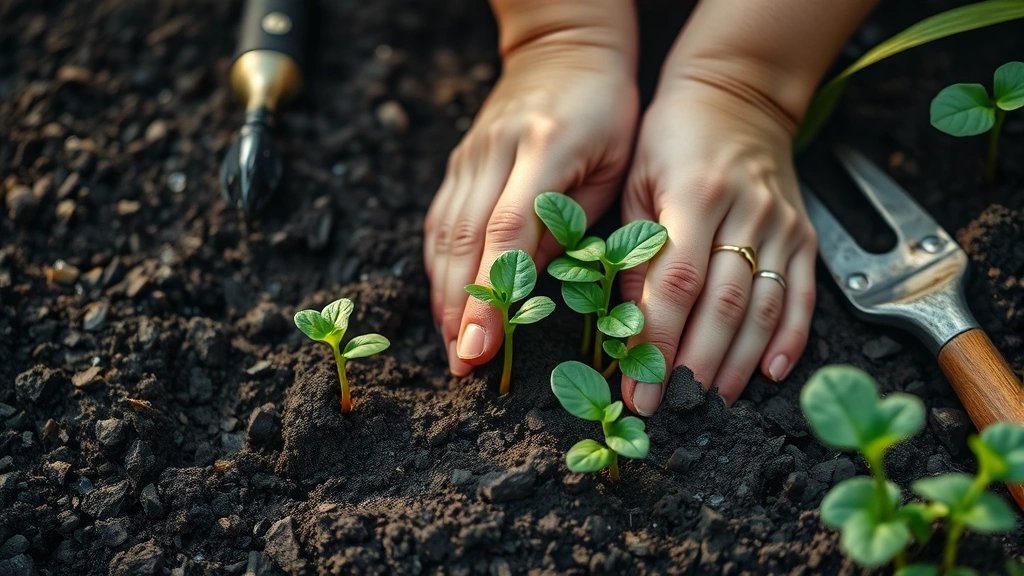
Watching garden television transforms passive entertainment into active learning. Most viewers find themselves inspired to implement techniques they’ve observed, try new plant varieties they’ve discovered, or reimagine their outdoor spaces entirely. The best garden shows combine entertainment value with genuine horticultural expertise, making them valuable resources for gardeners at every experience level.
Whether you’re seeking design inspiration, specific growing techniques, or simply enjoying beautiful gardens from your couch, the diversity of available garden programming ensures something appeals to every gardener’s interests and learning style.
FAQ
What makes a good garden TV show?
The best garden shows balance entertainment with practical information, feature knowledgeable presenters who communicate clearly, showcase real gardens with realistic conditions, and provide actionable advice viewers can apply to their own spaces. Shows that explain why techniques work, not just how to perform them, offer deeper educational value.
Can I really learn gardening from television?
Absolutely. Garden television excels at visual demonstration—showing soil preparation, planting techniques, and plant growth over time. Viewers observe expert practices, learn problem-solving approaches, and gain confidence attempting new gardening tasks. Television works best combined with hands-on practice and supplementary resources.
Which garden shows are best for beginners?
Shows like Gardeners’ World, Love Your Garden, and The Gardeners’ Question Time provide beginner-friendly content with clear explanations. Look for programs that address fundamental topics like soil preparation, plant selection for your climate, and basic maintenance tasks.
Are there garden shows focused on specific climates?
Yes, many programs specifically address gardening in particular regions or climate zones. Australian gardening shows address different plant varieties and seasonal timing than British programs. Seek shows featuring your climate zone for most relevant information.
How do I find time to watch garden shows?
Streaming platforms allow flexible viewing—watch during winter months when outdoor gardening is limited, or enjoy episodes while planning next season’s garden. Many gardeners watch while working indoors on rainy days or during evening relaxation time.
Should I trust all gardening advice from television?
Garden television provides valuable information, but verify advice through multiple sources, particularly for pest management or chemical applications. Your local Master Gardener Program offers free expert advice tailored to your specific region and conditions. Combine television inspiration with localized horticultural expertise for best results.


