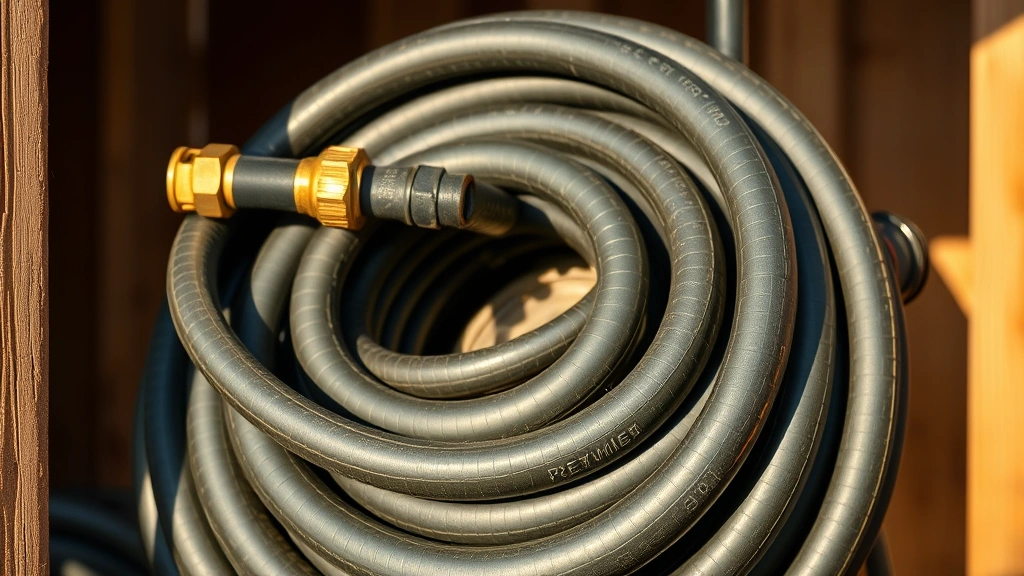
Best Rubber Garden Hose? Pro Gardener’s Choice
A quality rubber garden hose is one of the most essential tools in any gardener’s arsenal. Whether you’re watering newly planted perennials, filling raised beds, or maintaining a cottage garden landscape, the right hose makes all the difference in efficiency and plant health. After years of testing various models and consulting with experienced horticulturists, I’ve discovered that not all rubber hoses are created equal—and investing in the best one can save you time, frustration, and money in the long run.
The durability of a rubber garden hose directly impacts your gardening success. Unlike cheaper vinyl alternatives that crack and kink after a single season, professional-grade rubber hoses withstand extreme temperatures, UV exposure, and constant use. This comprehensive guide walks you through everything you need to know about selecting, maintaining, and maximizing your rubber garden hose investment.
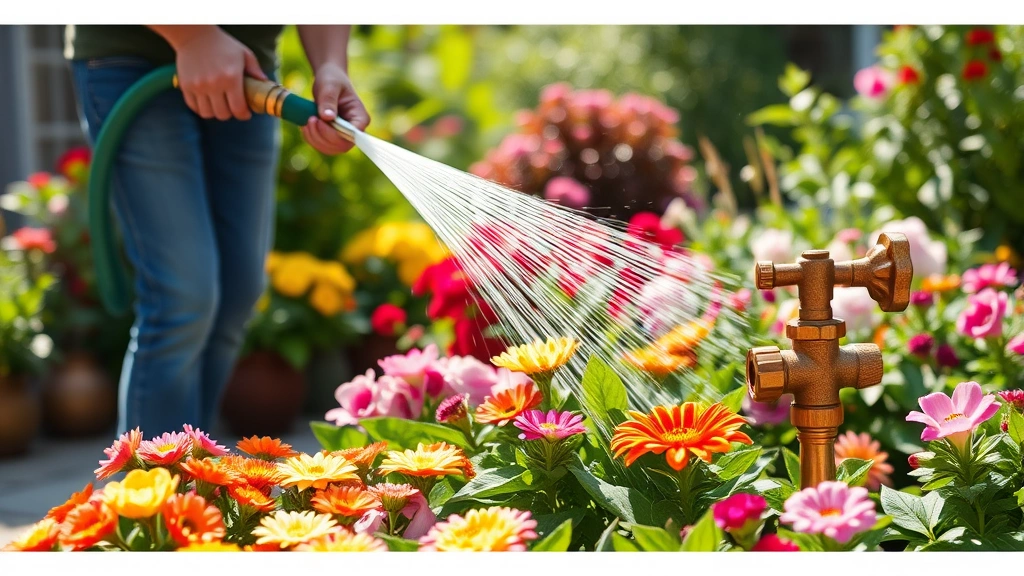
Why Rubber Hoses Beat Vinyl and Other Materials
Professional gardeners consistently recommend rubber over vinyl because of superior performance in real-world conditions. Rubber maintains flexibility in cold temperatures—a critical advantage during spring and fall watering when temperatures fluctuate dramatically. Vinyl becomes brittle below 50°F, making it prone to cracking and splitting. Additionally, rubber resists UV degradation far better than vinyl, meaning your hose won’t become rigid and unusable after one season of sun exposure.
The construction of quality rubber hoses typically includes multiple layers: an inner tube for water containment, reinforcement layers (usually nylon or polyester mesh), and an outer cover designed to resist abrasion and weather damage. This multi-layered approach creates a hose that can handle high water pressure without bursting while remaining flexible enough to maneuver around garden corners and tight spaces. When watering delicate plants in your raised garden bed, you need equipment you can trust.
Rubber hoses also provide superior chemical resistance compared to vinyl alternatives. If you occasionally apply diluted fertilizers or pest management solutions through your hose, rubber won’t degrade or leach harmful chemicals into your water supply. This matters particularly when you’re caring for edible gardens or sensitive ornamental plantings.
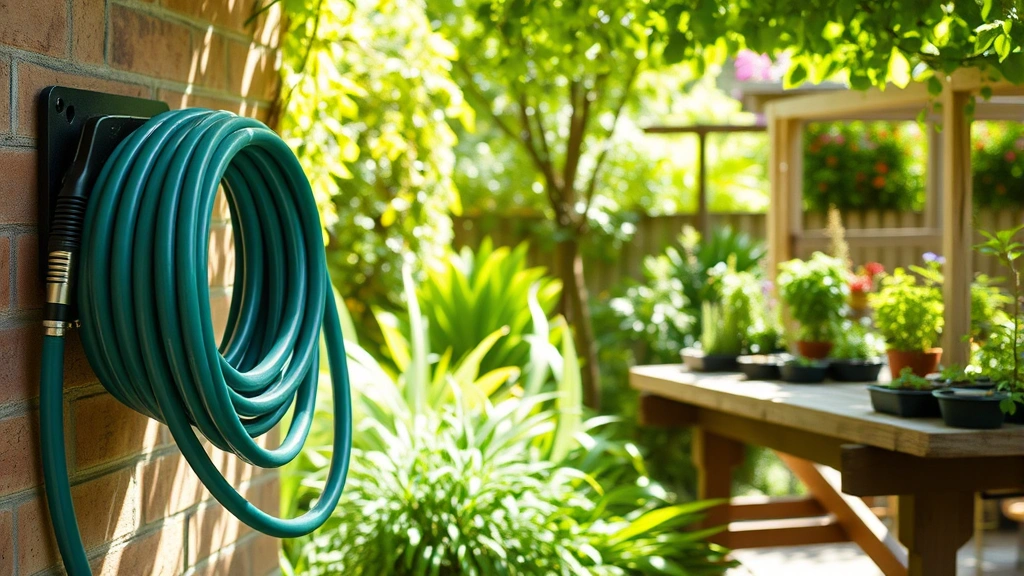
Key Features of Premium Rubber Garden Hoses
Understanding what separates professional-grade rubber hoses from budget options helps you make an informed purchase decision. The best rubber garden hoses share several defining characteristics:
- Burst Pressure Rating: Look for hoses rated for 400+ PSI burst pressure. This safety margin ensures your hose won’t fail even under peak water pressure from your municipal system. Most quality rubber hoses handle standard household water pressure (40-80 PSI) with significant safety overhead.
- Temperature Range: Premium rubber hoses maintain flexibility from -40°F to 140°F. This wide range means you can confidently water your gardens year-round without worrying about material degradation.
- Reinforcement Quality: Hoses reinforced with multiple layers of nylon mesh provide superior kink resistance. Some premium models include spiral reinforcement patterns that virtually eliminate kinking, even when bent sharply around corners.
- Connector Construction: Solid brass or aluminum fittings outlast plastic connectors by years. Brass connectors resist corrosion and won’t crack when tightened properly, whereas plastic fittings become brittle and leak-prone.
- Wall Thickness: Hoses with thicker rubber walls (typically 3/16 inch or greater) deliver superior durability. Thicker walls distribute pressure more evenly and resist punctures from garden debris or sharp objects.
When selecting a hose for specific tasks—like maintaining hydrangea bushes that require gentle watering—prioritize models with adjustable nozzles that provide fine mist options rather than relying solely on hose diameter for pressure control.
Top Rubber Hose Recommendations by Use Case
Different gardening scenarios demand different hose specifications. Professional gardeners maintain multiple hoses optimized for specific tasks rather than forcing one hose to handle everything.
For General Watering: A 50-foot, 5/8-inch diameter rubber hose represents the sweet spot for most residential gardeners. This length covers average-sized properties while remaining manageable for storage, and the 5/8-inch diameter delivers adequate water volume without excessive weight. Professional-grade options from established manufacturers typically cost $40-80 but last 10+ years with proper care.
For Small Garden Spaces: Compact gardens, container plantings, and balcony gardening benefit from 25-foot hoses in 1/2-inch diameter. These lightweight options maneuver easily around raised beds and vertical structures like your garden arch trellis. The reduced diameter still provides adequate pressure for most watering tasks while minimizing water waste.
For Large Properties: Gardeners with extensive landscapes should consider 75 or 100-foot hoses. While longer hoses experience slight pressure drops at the far end, quality rubber construction minimizes this effect. Some professionals use multiple strategically placed hose stations rather than relying on one extremely long hose, which becomes unwieldy to manage.
For High-Pressure Applications: If you occasionally use pressure washers or need to clean outdoor surfaces, invest in a dedicated high-pressure hose rated for 3000+ PSI. Regular watering hoses aren’t designed for pressure washer use and will fail prematurely under sustained high pressure.
Length and Diameter Considerations
Selecting the correct hose length and diameter prevents frustration and inefficiency. Many gardeners purchase undersized hoses and then compensate by using higher water pressure, which strains equipment and increases water waste.
Diameter Impact: Hose diameter directly affects water flow rate and pressure delivery. A 1/2-inch hose delivers approximately 9 gallons per minute at standard household pressure, while a 5/8-inch hose delivers roughly 17 gallons per minute. For watering the best soil in your garden bed, the larger diameter ensures consistent moisture without requiring excessive pressure.
Length Considerations: Every 50 feet of hose creates approximately 10 PSI pressure loss. If you need to reach distant garden areas, choose a hose rated for higher burst pressure to maintain adequate water delivery at the nozzle. Alternatively, install multiple hose bibs at strategic locations throughout your property.
Weight Factor: Longer hoses become increasingly heavy when filled with water. A 100-foot, 5/8-inch rubber hose weighs approximately 50-60 pounds when full. This weight makes daily handling challenging for some gardeners, so consider your physical capacity when selecting length.
Maintenance Tips for Maximum Lifespan
Proper maintenance extends your rubber garden hose lifespan by five to ten years. These practices ensure consistent performance and prevent common failure modes:
- Drain After Each Use: Standing water inside hoses promotes bacterial growth and internal corrosion. Always drain your hose completely after watering sessions. Elevate one end to encourage complete drainage, or use a hose reel with built-in drainage features.
- Flush Periodically: Run water through your hose at high volume every few weeks to clear sediment and mineral deposits. This prevents interior buildup that restricts flow and creates pressure imbalances.
- Inspect Connections: Check brass fittings monthly for corrosion or leaks. Hand-tighten connections gently—over-tightening strips threads and creates leak points. If you notice persistent leaks at connections, replace the fitting rather than attempting repairs.
- Remove Kinks Promptly: Address kinks immediately when they form. Repeated kinking weakens the reinforcement layers and creates permanent weak points. Use hose guides or spirals to prevent kinking in high-traffic garden areas.
- Clean the Exterior: Rinse your hose with clean water monthly to remove dirt, pollen, and debris. This prevents UV damage and keeps the outer rubber supple. Avoid harsh chemicals or pressure washers on the hose itself.
Storage and Seasonal Care
How you store your rubber garden hose dramatically impacts its longevity. Improper storage creates unnecessary stress on the material and accelerates degradation.
Winter Storage: Before winter arrives, drain your hose completely and store it indoors in a temperature-controlled space. Freezing water inside the hose can rupture the inner tube as ice expands. If you must store outside, drain thoroughly and cover with a breathable tarp to protect from snow and ice accumulation. Never allow your hose to remain pressurized during freezing weather.
Summer Protection: Direct UV exposure degrades rubber faster than any other environmental factor. Store hoses in shade when not in use—either coiled on a shaded hose reel, in a garden shed, or covered with a protective sleeve. If your hose must remain connected during summer months, use a hose cover or bury it partially in mulch to shield from direct sunlight.
Hose Reel Selection: Invest in a quality hose reel that accommodates your hose diameter and length without creating tight coils. Excessively tight coiling stresses the reinforcement layers and promotes kinking. Wall-mounted reels work well for small spaces, while cart-style reels suit larger properties and longer hoses.
Seasonal Transition: When transitioning between seasons, inspect your hose thoroughly for damage. Look for cracks, splits, bulges, or soft spots that indicate internal deterioration. Address minor damage with hose repair kits before small leaks become complete failures.
Common Mistakes Gardeners Make
Learning from common errors helps you avoid expensive mistakes and equipment failures:
Leaving Hoses Connected Year-Round: Many gardeners leave hoses connected to outdoor bibs throughout the year. This exposes hoses to unnecessary temperature fluctuations and UV damage. Disconnect hoses after each use and store them properly.
Using the Wrong Hose for the Job: Attempting to use a standard watering hose for pressure washing or vice versa leads to premature failure. Maintain separate hoses for different applications—your investment in multiple hoses pays dividends in equipment longevity.
Ignoring Minor Leaks: Small leaks at connections or pinhole punctures seem insignificant but worsen rapidly. Address these immediately with hose repair kits or replacement fittings. Ignoring them results in complete hose failure at inconvenient times.
Dragging Hoses Over Sharp Objects: Pulling hoses across gravel, sharp garden edging, or concrete corners punctures the outer cover and creates weak points. Route hoses carefully and use hose guides in high-traffic areas. Consider laying landscape fabric over rough terrain where hoses frequently pass.
Storing in Direct Sunlight: Even quality rubber degrades rapidly under constant UV exposure. A hose left coiled in full sun deteriorates noticeably within one season. Shade storage is non-negotiable for equipment longevity.
For more detailed gardening guidance, consult resources like the USDA and your local extension service for region-specific watering recommendations. Professional organizations like the American Horticultural Society provide comprehensive gardening resources. If you’re interested in visiting demonstration gardens, check out the Balboa Park Botanical Garden for inspiration. Many botanical institutions like the New York Botanical Garden offer educational programs on proper watering techniques.
FAQ
How often should I replace my rubber garden hose?
Quality rubber hoses typically last 10-15 years with proper maintenance. However, if you notice cracks, persistent leaks, or loss of flexibility, replacement becomes necessary sooner. Rather than waiting for complete failure, replace hoses showing significant wear to prevent mid-season breakdowns.
Can I repair a rubber garden hose?
Minor leaks at connections can be repaired by replacing the fitting. Punctures or splits in the hose body can be temporarily patched with hose repair kits, but these repairs rarely last long-term. For safety and reliability, replacement is preferable to extensive repairs on aged hoses.
What’s the difference between rubber and vinyl hoses?
Rubber hoses maintain flexibility in cold weather, resist UV damage better, and last significantly longer than vinyl alternatives. Vinyl costs less initially but requires replacement every 2-3 years in most climates. The long-term cost favors rubber investment.
Should I use a hose cover?
Yes, hose covers provide excellent UV protection and extend hose lifespan by 5+ years. They’re particularly valuable if you store hoses outdoors or in sunny locations. Covers also protect the hose from physical damage and improve appearance in visible garden areas.
What water pressure is safe for rubber hoses?
Most household water systems deliver 40-80 PSI, well within the safe operating range of quality rubber hoses rated for 400+ PSI burst pressure. However, if you have exceptionally high water pressure (above 100 PSI), install a pressure regulator to protect your hose and connected equipment.
Can I use my rubber hose for drinking water?
Standard garden hoses—including rubber models—aren’t approved for potable water. If you need drinking water from outdoor sources, purchase specifically certified food-grade hoses designed for potable water applications. These cost more but ensure water safety.
How do I prevent my hose from kinking?
Use hose guides, spirals, or reels designed to maintain gentle curves. Avoid sharp bends, and route hoses around garden corners gradually rather than forcing tight angles. Some premium hoses include kink-resistant technology, though proper storage remains essential.


