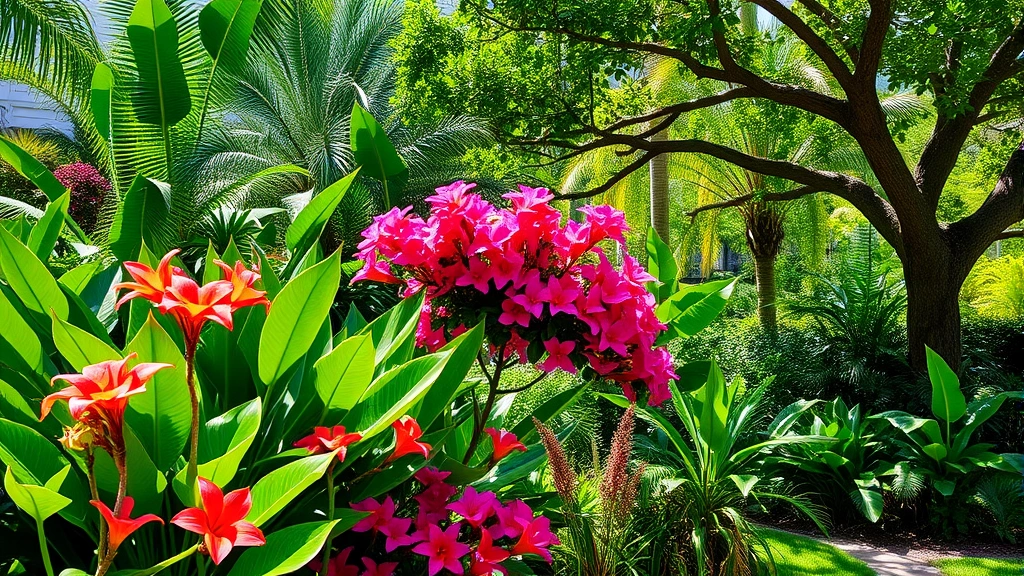
Which Plants Thrive in Miami Heat? Local Insights
Miami’s tropical climate presents a unique gardening paradise for those willing to embrace its intense heat, humidity, and occasional hurricanes. Unlike temperate regions where gardeners struggle with frost dates and seasonal transitions, Miami gardeners can cultivate year-round with the right plant selections. The challenge isn’t finding growing seasons—it’s choosing plants that genuinely flourish in sustained temperatures often exceeding 85°F, with summer highs regularly reaching into the low 90s and humidity levels that can feel oppressive.
Whether you’re a long-time Miami resident or visiting the area near the Hilton Garden Inn Miami South Beach, understanding which plants thrive in this subtropical environment transforms your outdoor space from a struggling landscape into a lush, vibrant garden. This guide draws on local horticultural expertise and practical experience to reveal which plants don’t just survive Miami’s heat—they absolutely flourish in it.
Heat-Loving Trees for Shade and Structure
Miami’s intense sun demands substantial shade trees that can handle the heat without wilting or requiring constant intervention. The Gumbo Limbo tree (Bursera simaruba) is a native Floridian that has evolved specifically for this climate. With its distinctive peeling red bark and broad canopy, it provides excellent shade while tolerating extreme heat, salt spray, and poor soil conditions. This tree grows quickly and requires minimal maintenance once established, making it ideal for creating shaded garden areas.
Another exceptional choice is the Live Oak (Quercus virginiana), a native species that develops a magnificent spreading form and dense canopy. Live Oaks are incredibly heat-tolerant, long-lived, and provide the deep shade necessary to create cooler microclimates in your garden. These trees also support local wildlife and establish a sense of permanence in any landscape.
For tropical flair, the Mango tree (Mangifera indica) thrives in Miami’s heat and produces abundant fruit during late spring and summer. Mango trees can grow quite large but reward your patience with delicious harvests. They prefer well-draining soil and established root systems that can access deep water during dry periods. The Avocado tree (Persea americana) similarly flourishes in Miami conditions, offering year-round foliage and nutritious fruit for your kitchen.
The Ipe tree (Handroanthus), also called Brazilian Walnut, is an incredibly dense hardwood tree that produces stunning yellow or purple flowers. Its dense wood makes it extremely durable and heat-resistant, though it grows more slowly than other tropical options. For a faster-growing option, the Coconut Palm (Cocos nucifera) represents the quintessential Miami plant, thriving in full sun and heat while adding authentic tropical character to any garden.
When selecting shade trees, consider using quality garden soil during initial planting to establish strong root systems that will sustain your trees through Miami’s hot, dry seasons.
Tropical Shrubs That Thrive Year-Round
Shrubs form the backbone of Miami gardens, providing structure, privacy, and continuous visual interest. The Ixora (Ixora coccinea) is perhaps the most quintessential Miami shrub, producing clusters of tiny flowers in red, orange, yellow, or pink throughout the year. Ixoras absolutely demand full sun and heat—they actually flower more prolifically when temperatures soar. These tough plants tolerate poor soil, salt spray, and neglect, making them perfect for busy gardeners or those establishing new landscapes.
The Bougainvillea represents another heat-worshiping shrub that seems to grow more vibrantly the hotter conditions become. Bougainvilleas produce spectacular papery bracts in nearly every color imaginable and bloom most heavily during summer months when Miami heat peaks. They require excellent drainage and prefer drier conditions, so avoid overwatering. The Jatropha (Jatropha integerrima), or Spicy Plumbago, produces delicate pink or red flowers and handles Miami’s intense heat without complaint.
For foliage interest, the Croton (Codiaeum variegatum) displays incredible leaf colors ranging from red and orange to yellow and green, intensifying in brighter light and hotter conditions. While crotons can be fussy about watering, they reward careful attention with stunning visual impact. The Ti Plant (Cordyline terminalis) offers similar foliage drama with elongated leaves in burgundy, pink, and green combinations.
The Lantana is nearly indestructible in Miami heat, producing clusters of small flowers that attract butterflies and hummingbirds throughout warm months. Lantana tolerates poor soil, drought, and neglect while flowering continuously. For a more refined appearance, the Plumbago (Plumbago auriculata) produces delicate blue or white flowers and grows into an attractive mounding shrub that handles heat exceptionally well.
Consider incorporating these shrubs into raised bed gardening designs to improve drainage and create ideal growing conditions in Miami’s sometimes-challenging soil.
Colorful Flowers for Miami Gardens
While Miami’s heat can challenge many traditional garden flowers, numerous species have adapted to thrive in tropical conditions. The Zinnia is a heat-loving annual that produces abundant flowers in nearly every color when planted in full sun. Zinnias actually perform better in heat and humidity than in cooler climates, making them perfect for Miami gardeners seeking reliable color throughout summer months.
The Pentas (Pentas lanceolata) are tropical flowers that bloom continuously in Miami’s heat, producing star-shaped flowers in red, pink, white, or bicolor combinations. Pentas attract hummingbirds and butterflies while requiring minimal care beyond occasional deadheading. The Salvia genus includes numerous heat-tolerant species with dramatic spiky flowers in red, purple, or blue that add vertical interest to garden designs.
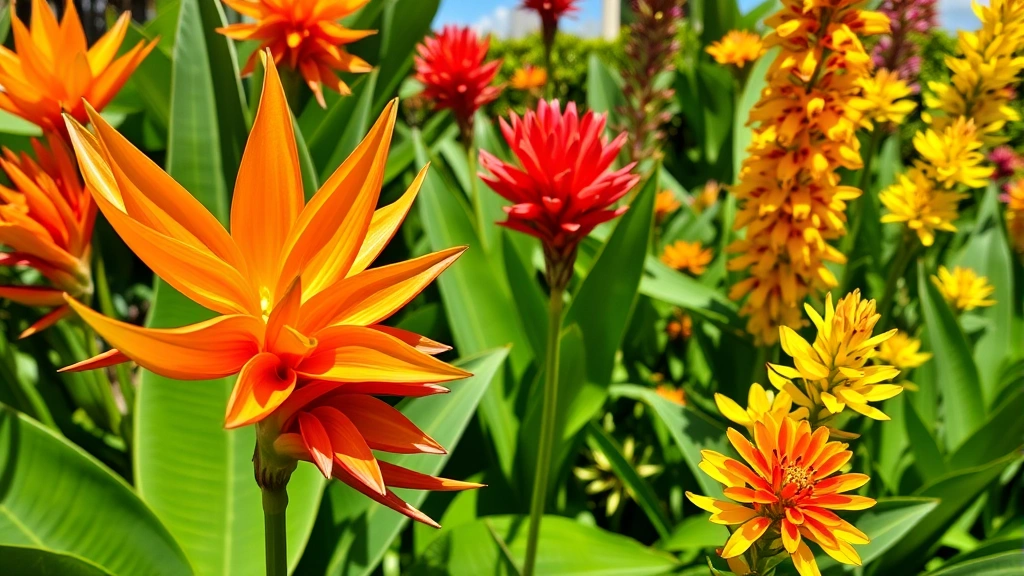
For exotic appeal, the Heliconia produces striking architectural flowers in red, orange, or yellow that can reach 12 inches or longer. Heliconias thrive in Miami’s humidity and heat while providing dramatic focal points. The Ginger family, including Red Ginger (Alpinia purpurata) and Torch Ginger (Etlingera elatior), produces spectacular flowers and thrives in warm, humid conditions.
The Clivia (Clivia miniata) or Kaffir Lily produces orange flowers and tolerates partial shade, making it valuable for shaded garden areas where heat still dominates. The Hibiscus family, particularly tropical varieties, produces enormous flowers in every color imaginable and actually performs better in Miami heat than in temperate regions. Single and double-flowered varieties offer different aesthetic options for various garden styles.
Annual flowers like Marigolds and Sunflowers can be grown in Miami during cooler months (November through March), but summer gardeners should focus on true heat-lovers. The Angelonia is sometimes called the “summer snapdragon” because it flowers prolifically in Miami’s hottest months when traditional snapdragons would wilt.
Edible Plants and Herbs
Miami’s year-round growing season allows cultivation of edibles that simply cannot survive in temperate climates. Beyond the mango and avocado trees mentioned earlier, the Papaya (Carica papaya) grows quickly and produces fruit in approximately 12 months, thriving in full sun and heat. The Guava (Psidium guajava) is nearly indestructible, producing fragrant fruit while tolerating poor soil and drought conditions once established.
The Passion Fruit vine (Passiflora edulis) produces beautiful flowers followed by tart fruit perfect for juices and desserts. Passion fruit vines thrive on trellises in full sun and heat, becoming increasingly productive as they mature. The Dragon Fruit cactus (Hylocereus undatus) produces stunning pink flowers and exotic pink fruit while requiring minimal water and handling extreme heat without complaint.
For herbs, most traditional Mediterranean herbs struggle in Miami’s heat and humidity, but Thai Basil, African Blue Basil, and Holy Basil thrive in tropical conditions. The Rosemary varieties bred for warm climates can succeed, particularly upright types planted in well-draining soil. Culinary Ginger and Turmeric flourish in Miami’s humidity, producing edible rhizomes while adding tropical foliage to gardens.
Chaya (Cnidoscolus aconitifolius), also called Tree Spinach, produces nutritious leaves year-round in Miami heat and tolerates poor soil conditions. The Moringa tree produces highly nutritious leaves and pods while handling extreme heat and drought. Lemongrass thrives in warm conditions, producing aromatic leaves for tea and cooking while attracting beneficial insects.
When establishing edible gardens, proper rain garden systems help manage Miami’s intense summer rainfall while providing consistent moisture during drier periods.
Groundcovers and Climbing Vines
Groundcovers prevent soil erosion, suppress weeds, and create visual continuity in Miami gardens. The Wedelia (Wedelia trilobata) is a heat-loving groundcover producing yellow flowers while tolerating salt spray, poor soil, and drought. Wedelia spreads vigorously and requires occasional trimming to maintain desired boundaries.
The Portulaca (Portulaca oleracea) or Purslane is a succulent groundcover that thrives in intense heat and poor soil, producing colorful flowers in nearly every hue. Portulaca’s fleshy leaves store water, making it incredibly drought-tolerant and perfect for low-maintenance gardens. The Iresine or Blood Leaf produces stunning foliage in deep burgundy or pink and purple combinations while thriving in full sun and heat.
For climbing vines, the Bougainvillea can be trained onto trellises, creating spectacular living walls of color. The Passionflower vine produces exotic flowers and fruit while thriving in Miami heat. The Mandevilla (Dipladenia) produces showy pink or red flowers and handles heat well when provided consistent moisture.
The Clematis varieties bred for warm climates can succeed in Miami, particularly when planted in partial shade with roots kept cool and moist. The Honeysuckle produces fragrant flowers and attracts hummingbirds while handling Miami conditions admirably. When training vines vertically, consider using garden pots and hanging baskets for container-grown options that offer flexibility and portability.
Soil and Water Management
Miami’s sandy soil presents unique challenges and opportunities for gardeners. Most native Miami soil is extremely well-draining but lacks organic matter and nutrients, requiring amendment with quality compost or topsoil. Building healthy soil is foundational to growing thriving plants in Miami’s heat, as improved soil structure helps retain moisture and nutrients that plants need during hot, dry periods.
Incorporate 3-4 inches of composted organic matter into planting beds before establishing plants. This amendment increases water-holding capacity, improves nutrient availability, and promotes beneficial microbial activity. Mulching with 2-3 inches of organic mulch (wood chips, bark, or coconut coir) moderates soil temperature, reduces moisture evaporation, and adds organic matter as it breaks down.
Water management is critical in Miami’s climate. While the region receives substantial summer rainfall, the intensity of heat means plants can dry out quickly between storms. Most heat-loving tropical plants prefer slightly drier conditions than temperate plants, but established roots still need consistent access to moisture. Water deeply but less frequently to encourage deep root development that accesses moisture in lower soil layers.
During Miami’s dry season (November through April), supplemental irrigation is often necessary. Drip irrigation systems deliver water efficiently directly to root zones, minimizing waste and reducing disease pressure that develops when foliage remains wet. Mulching helps tremendously by reducing water loss through evaporation and maintaining more consistent soil moisture levels.
Container plants require more frequent watering than in-ground plants, particularly during heat waves. Check soil moisture regularly and water when the top inch feels dry to the touch. Well-draining potting soil in containers helps prevent root rot while supporting healthy growth in Miami’s humid environment.
Seasonal Care Tips for Miami Heat
Miami’s tropical climate differs dramatically from temperate regions, requiring adjusted care schedules. The primary growing season runs year-round, but summer (June through September) represents peak heat and humidity with afternoon thunderstorms providing moisture. During this period, plants require less supplemental water but benefit from afternoon shade cloth protecting sensitive foliage from intense UV radiation.
Winter (November through March) is Miami’s dry season when supplemental irrigation becomes essential. This period also represents the best time for planting new trees and shrubs, as cooler temperatures reduce transplant stress while plants establish roots before summer heat arrives. Pruning is best performed in late winter, just before spring growth begins, allowing plants to recover quickly in warm conditions.
Fertilization should be timed to support growth during warm months when plants are actively developing. Use balanced, slow-release fertilizers that provide nutrients gradually rather than intense quick-release formulations that can encourage tender new growth vulnerable to pests and diseases. Micronutrients like iron, manganese, and zinc are often deficient in Miami’s sandy soil and should be supplemented through foliar sprays or soil applications.
Hurricane preparedness is essential for Miami gardeners. Select wind-resistant plants with strong branching structure and avoid top-heavy specimens prone to wind damage. Avoid staking plants in ways that encourage weak growth, instead selecting naturally sturdy species. Remove dead branches and maintain good structure through proper pruning techniques like those used for climbing roses and other vines.
Pest management in Miami differs from temperate regions due to year-round pest activity. Scale insects, spider mites, whiteflies, and mealybugs thrive in Miami’s warm, humid conditions. Monitor plants regularly and address infestations early with horticultural oils or insecticidal soaps before populations explode. Encouraging beneficial insects through diverse plantings helps maintain natural pest control.
Disease pressure is elevated in Miami’s humid climate, particularly fungal diseases. Ensure excellent air circulation around plants through proper spacing and pruning. Avoid overhead watering that keeps foliage wet, instead using drip irrigation or soaker hoses that deliver water directly to soil. Remove diseased foliage promptly and dispose of it in trash rather than compost to prevent disease spread.
FAQ
Can I grow roses in Miami?
Traditional rose varieties struggle in Miami’s heat and humidity, but heat-tolerant varieties bred specifically for warm climates can succeed. Select disease-resistant varieties, plant in full sun with excellent air circulation, and use drip irrigation to keep foliage dry. Many Miami gardeners find tropical flowering shrubs like hibiscus and ixora provide superior performance and beauty compared to temperamental roses.
What’s the best time to plant in Miami?
Late fall through early spring (October through March) is ideal for planting trees and shrubs, as cooler temperatures reduce transplant stress. Tropical flowering plants can be planted year-round, but establishing strong roots before summer heat arrives leads to better long-term performance. Annuals are best planted in fall for winter and spring color, as most cannot tolerate summer heat.
How often should I water plants in Miami heat?
Frequency depends on soil type, plant species, and recent rainfall. Most established plants prefer drying between waterings rather than constant moisture. During dry season, supplemental irrigation 2-3 times weekly is typical. During rainy season, rainfall often provides sufficient moisture. Monitor soil moisture and adjust based on plant appearance rather than following rigid schedules.
Which plants tolerate salt spray near the beach?
Native plants like Gumbo Limbo, Live Oak, Seagrape, and Cocoplum naturally tolerate salt spray. Ixora, Lantana, Bougainvillea, and Wedelia also handle coastal conditions well. Avoid tender foliage plants in exposed coastal locations; instead focus on tough, salt-tolerant species. Rinse foliage occasionally with fresh water to remove salt buildup.
Can I grow vegetables in Miami summers?
Most traditional vegetables struggle in Miami’s summer heat and humidity. Focus on heat-loving crops like okra, yard-long beans, eggplant, and sweet potato. Heat-tolerant herbs like Thai basil and culinary ginger thrive. Most temperate vegetables are best grown in fall, winter, and spring when temperatures moderate and disease pressure decreases.
What should I do about afternoon shade in Miami?
While most plants love Miami heat, intense afternoon sun can sometimes stress tender foliage or newly planted specimens. Afternoon shade cloth (30-50% density) can protect plants during establishment or extreme heat waves. As plants mature and develop stronger root systems, they typically tolerate full sun without supplemental shade.


