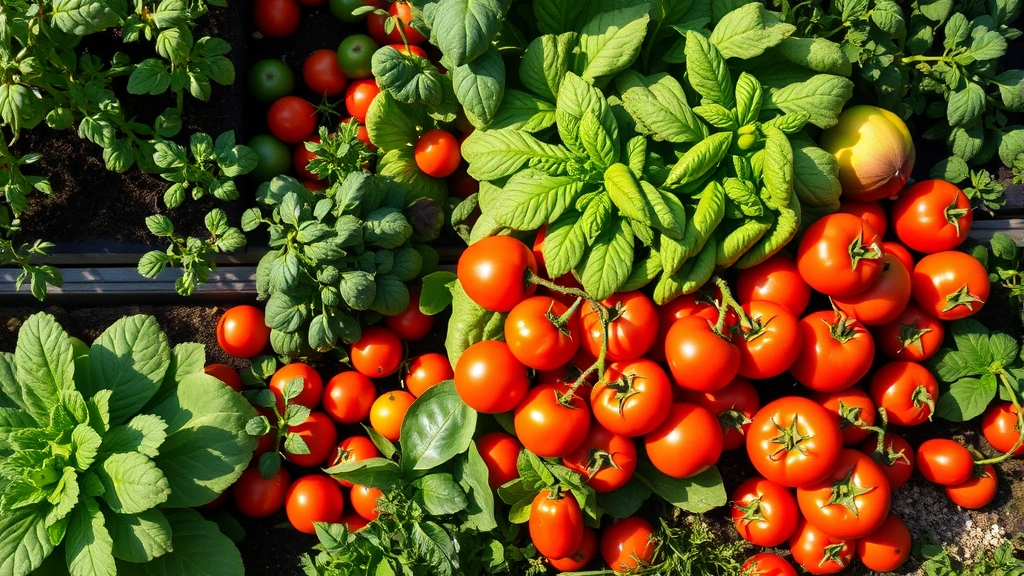
How to Calculate Garden Value? Pro Tips for Maximizing Your Growing Investment
Understanding the true value of your garden extends far beyond the simple cost of seeds and soil. A comprehensive garden value calculator considers multiple dimensions: the monetary return from harvested produce, the health benefits gained from physical activity and fresh food consumption, environmental impact, property value enhancement, and the intangible rewards of nurturing living plants. Whether you maintain a small balcony garden or a sprawling backyard oasis, calculating your garden’s worth helps justify the time and resources invested while revealing opportunities for optimization.
Many gardeners focus exclusively on production metrics, measuring success only by pounds harvested or dollars saved on groceries. However, a holistic approach to garden valuation uncovers the deeper economic and personal benefits that make gardening one of the most rewarding home investments available. This guide walks you through professional methodologies for assessing every aspect of your garden’s value, from direct financial returns to wellness contributions that impact your quality of life.
Understanding Garden Valuation Methods
A garden value calculator operates on several distinct valuation frameworks, each capturing different aspects of your gardening investment. The most straightforward approach measures direct financial returns—comparing the retail value of harvested produce against the cost of seeds, soil amendments, and labor. However, sophisticated gardeners recognize that this method captures only a fraction of true garden value.
Professional horticulturists and agricultural economists employ multiple valuation tiers. The first tier addresses tangible, easily quantifiable metrics: produce output, equipment investment, and infrastructure costs. The second tier encompasses measurable but less obvious benefits: property value appreciation, water conservation, reduced grocery expenses, and pollinator habitat creation. The third tier captures intangible but significant value: mental health improvements, stress reduction, family bonding, educational opportunities, and aesthetic satisfaction.
When implementing gardening tips for beginners or refining an established garden, understanding these valuation methods prevents discouragement from incomplete accounting. A first-year garden might show minimal financial return while delivering substantial wellness benefits. Conversely, a mature garden may produce hundreds of dollars worth of vegetables while requiring careful maintenance investment analysis.
Different gardening styles require adapted valuation approaches. Vegetable gardens emphasize produce value and food security. Ornamental gardens prioritize property value enhancement and aesthetic benefits. Native plant gardens highlight environmental impact and pollinator support. Therapeutic gardens measure mental health outcomes. A comprehensive calculator adjusts parameters based on your specific gardening goals.
Calculating Direct Produce Value
The most tangible garden value metric involves comparing harvested produce against retail prices. Begin by documenting everything you grow, tracking both quantity and quality metrics. Weigh or measure each harvest, recording the date and type of produce. Over a full growing season, this data reveals patterns about productivity and seasonality.
To calculate produce value accurately, research current retail prices at local farmers markets, organic specialty grocers, and conventional supermarkets. Prices vary dramatically by season and location. Spring asparagus commands premium prices, while summer tomatoes become inexpensive. Organic produce typically costs 30-50% more than conventional alternatives. A homegrown tomato, picked at perfect ripeness, often exceeds retail quality, justifying premium valuation.
Create a simple spreadsheet documenting:
- Crop type (tomatoes, lettuce, peppers, herbs, etc.)
- Harvest date (track seasonal patterns)
- Quantity harvested (pounds, individual fruits, bunches)
- Retail comparison price (conventional and organic options)
- Quality adjustment (premium for superior homegrown quality)
- Total value per harvest (quantity × adjusted price)
Many gardeners underestimate produce value by overlooking secondary harvests. A tomato plant producing 30-40 fruits over a season generates substantial cumulative value. Perennial crops like asparagus, rhubarb, and berries provide multi-year returns that dramatically improve long-term ROI calculations.
Don’t forget herbs, which often represent premium-priced retail products. A single basil plant producing fresh leaves throughout summer might equal $20-30 worth of grocery store basil. Specialty crops—microgreens, edible flowers, heirloom varieties—command even higher values in farmers markets and restaurants.
Consider preservation value as well. Produce preserved through freezing, canning, or dehydration extends value across seasons. A bumper tomato crop converted to sauce or salsa maintains freshness and flavor while spreading value across winter months when fresh produce costs increase.
Assessing Infrastructure and Equipment Costs
Accurate garden valuation requires comprehensive accounting of all infrastructure and equipment investments. Many gardeners overlook these costs when calculating returns, inadvertently inflating apparent profitability. A complete infrastructure audit includes initial setup costs and annual maintenance expenses.
Initial infrastructure investments typically include:
- Raised beds (galvanised iron raised garden beds or wooden construction)
- Soil and amendments (topsoil, compost, peat moss, fertilizers)
- Irrigation systems (drip lines, sprinklers, or quality garden hoses)
- Fencing and trellising (supporting climbing plants and protecting crops)
- Tools and equipment (spades, hoes, pruners, wheelbarrows)
- Shade structures (shade cloth, pergolas, greenhouse coverings)
Annual recurring expenses include:
- Seeds and transplants
- Fertilizers and soil amendments
- Pest management supplies (organic or conventional)
- Water costs (if metered)
- Tool maintenance and replacement
- Mulch replenishment
- Equipment repairs
Professional gardeners spread infrastructure costs across multiple years for accurate ROI calculations. A $300 raised bed investment analyzed over a 10-year lifespan represents $30 annual cost allocation rather than a single-year deduction. This approach provides realistic long-term profitability assessment.
Labor costs present more complex valuation challenges. If you perform all gardening work personally, assigning an hourly rate creates controversial but useful metrics. Valuing your time at $15-25 hourly (conservative estimates for unskilled labor) often reveals that intensive gardens generate returns below market wages. However, many gardeners classify gardening labor as leisure activity rather than employment, eliminating labor cost deductions.
Health and Wellness Benefits
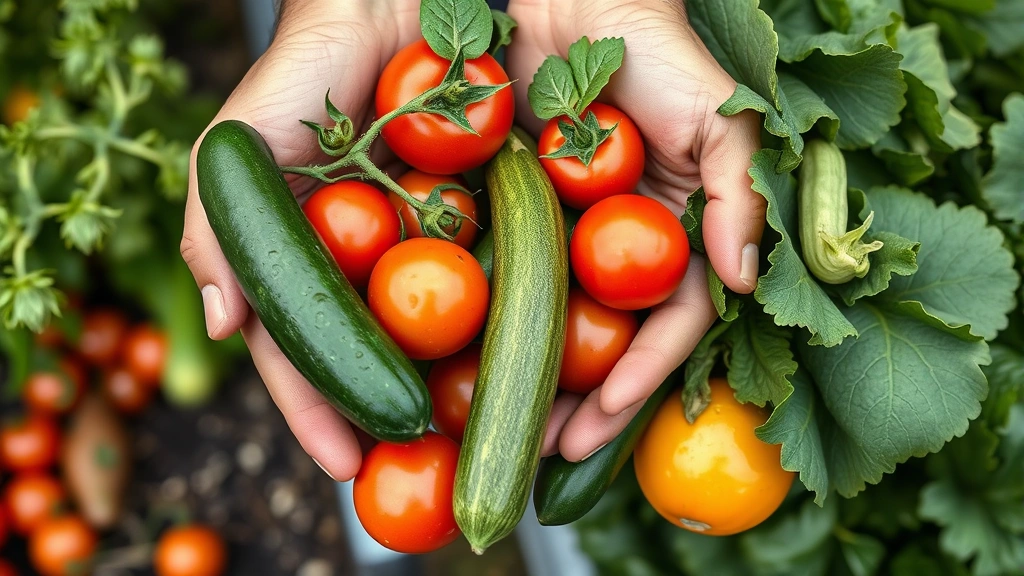
The health and wellness value of gardening often exceeds direct financial returns, yet remains difficult to quantify. Medical research consistently demonstrates that gardening provides significant physical and mental health benefits, reducing healthcare costs while improving quality of life.
Physical activity benefits from gardening rival structured exercise programs. An hour of moderate-intensity gardening burns 250-350 calories, comparable to walking or light jogging. Regular gardening improves cardiovascular health, strengthens muscles, enhances flexibility, and supports healthy weight management. Over a year, consistent gardening provides fitness benefits equivalent to hundreds of dollars in gym memberships or personal training.
Mental health improvements from gardening demonstrate measurable economic value. Horticultural therapy programs, recognized by medical professionals, reduce stress, anxiety, and depression while improving mood and cognitive function. Studies indicate that gardeners report lower stress levels and better mental health outcomes than non-gardeners. Assigning even modest value to these improvements—perhaps $500-2000 annually for stress reduction and improved mental health—significantly enhances overall garden valuation.
Nutritional benefits deserve specific attention. Homegrown produce typically contains higher nutrient density than store-bought alternatives, especially when harvested at peak ripeness. The improved nutrition from consuming premium-quality vegetables and fruits translates to better health outcomes and reduced medical expenses over time. Families growing their own vegetables demonstrate increased produce consumption, supporting long-term wellness objectives.
Food security value becomes increasingly apparent during supply chain disruptions. Gardens provide emergency food production capability, reducing vulnerability to market shortages or economic disruptions. This security benefit, while difficult to quantify, represents genuine economic value comparable to insurance or emergency reserves.
Environmental and Property Value Impact
Gardens generate substantial environmental value through ecosystem services that benefit both property owners and broader communities. Professional appraisers increasingly recognize that landscaping improvements, including food gardens, enhance property values by 5-15% depending on location and quality.
Environmental benefits include:
- Pollinator habitat creation supporting native bees, butterflies, and beneficial insects
- Stormwater management through soil infiltration and reduced runoff
- Carbon sequestration in plants and soil organic matter
- Urban heat island reduction through vegetation and shade
- Air quality improvement from plant photosynthesis and oxygen production
- Biodiversity enhancement supporting ecological resilience
Property value appreciation represents measurable economic benefit. A well-maintained garden with mature plantings, attractive landscaping, and productive elements typically increases home value more than the investment cost. This appreciation compounds over years, with mature gardens adding significant equity to properties. Community gardens similarly enhance neighborhood character and property values across broader areas.
Water conservation through efficient irrigation, mulching, and plant selection reduces utility bills while supporting environmental sustainability. A well-designed garden might reduce water consumption by 30-50% compared to conventional landscaping, generating annual savings of $100-300 depending on local water rates and climate.
Aesthetic value from garden statues, plantings, and thoughtful design contributes to property appeal and personal satisfaction. While subjective, aesthetic improvements clearly enhance lifestyle quality and property marketability.
Creating Your Personal Garden Value Calculator
Developing a customized garden value calculator tailored to your specific situation requires systematic data collection and honest assessment. Begin by establishing clear measurement parameters aligned with your gardening goals and values.
For a comprehensive grow a garden value calculator, organize your tracking into distinct categories:
Direct Financial Returns:
- Document all produce harvested with dates and quantities
- Research comparable retail prices (conventional and organic)
- Apply quality adjustments reflecting superior homegrown quality
- Calculate total annual produce value
- Track any sales revenue from excess production
Investment and Expense Tracking:
- Record all initial infrastructure costs with expected lifespan
- Calculate annual depreciation allocation
- Document all annual expenses (seeds, soil, water, maintenance)
- Total annual garden expenses
Health and Wellness Valuation:
- Track exercise hours and assign conservative hourly value ($15-25)
- Document stress reduction and mental health improvements
- Estimate healthcare cost savings from improved nutrition
- Assign reasonable dollar values to quantifiable health benefits
Property Value Enhancement:
- Research comparable properties with and without quality gardens
- Estimate property value appreciation attributable to garden
- Calculate this appreciation as annual value increase
A simple spreadsheet template organizes this data effectively:
Annual Garden Value Summary
- Produce Value: $[amount]
- Less: Annual Expenses: -$[amount]
- Equals: Direct Financial Return: $[amount]
- Plus: Health and Wellness Value: +$[amount]
- Plus: Property Value Appreciation: +$[amount]
- Plus: Environmental Services Value: +$[amount]
- Equals: Total Annual Garden Value: $[amount]
For gardening tips for beginners implementing their first calculator, start simply with produce value and expenses, then add complexity as you develop confidence in measurement systems.
Seasonal Adjustments and Long-Term ROI
Garden valuation necessarily varies across seasons, with different crops contributing value during distinct periods. Spring gardens emphasize early greens and cool-season vegetables. Summer gardens peak with tomatoes, peppers, and warm-season crops. Fall gardens produce squash and root vegetables. Winter gardens in mild climates maintain cool-season production. A complete annual valuation integrates these seasonal variations into comprehensive calculations.
Long-term ROI analysis reveals that gardens improve dramatically over multiple years. First-year gardens typically show negative or minimal financial returns due to heavy infrastructure investment. However, established gardens in years 3-5 often demonstrate strong positive returns as infrastructure costs are amortized and productivity increases. Perennial gardens—featuring asparagus, berries, perennial herbs, and fruit trees—eventually generate exceptional returns approaching $500-1000 annually with minimal annual investment.
Mature gardens demonstrate compounding value. A well-maintained garden can produce prolifically for 10-20+ years with relatively stable annual expenses. Over this extended timeline, initial infrastructure investments become negligible, and annual returns become increasingly attractive. A $500 initial investment generating $300-400 annual returns represents excellent long-term ROI, particularly when accounting for non-financial benefits.
Climate and location significantly impact long-term calculations. Gardeners in extended growing season regions (USDA zones 8-10) achieve higher annual productivity and longer harvest periods. Cool-climate gardeners (zones 3-5) face shorter seasons but often achieve superior crop quality. Regional variations in water costs, produce prices, and labor availability all influence valuation calculations.
Tracking garden performance metrics across multiple years reveals productivity trends and optimization opportunities. Documenting which varieties perform best, which locations receive optimal sunlight, and which management practices maximize returns enables continuous improvement. This adaptive management approach systematically increases garden value over time.
FAQ
How do I determine the retail value of homegrown produce?
Research current prices at local farmers markets, organic specialty stores, and conventional supermarkets. Compare prices for the exact varieties you grow, adjusting for seasonal variations. Homegrown produce, picked at peak ripeness, often justifies 10-20% premium pricing compared to retail alternatives. Use conservative estimates if uncertain, avoiding inflated valuations.
Should I include labor costs in garden value calculations?
This depends on your perspective. If gardening represents leisure activity bringing personal satisfaction, exclude labor costs from financial calculations. If you could earn money doing alternative activities during gardening time, include conservative labor value ($15-25 hourly) for complete economic analysis. Most home gardeners appropriately exclude labor costs, recognizing gardening as a valued leisure pursuit rather than employment.
How do I account for crop failures and poor harvests?
Track actual harvests rather than theoretical yields, automatically accounting for failures and disappointing seasons. A complete multi-year average reveals realistic productivity after accounting for occasional crop losses. This honest approach prevents overestimating garden value based on optimistic assumptions.
What’s the typical return on garden investment?
First-year gardens often show negative returns due to infrastructure investment. Established gardens in years 3+ typically generate $200-600 annual produce value with $100-300 annual expenses, netting $100-300 positive return. Adding health, property, and environmental benefits often multiplies total value by 3-5x, making gardens excellent long-term investments even with modest direct financial returns.
How do extension services help with garden valuation?
University Extension Services provide research-based guidance on crop varieties, growing techniques, and productivity benchmarks for your region. Master Gardener Programs offer local expertise and community support. These resources help optimize garden performance, directly improving financial and wellness returns from your gardening investment.
Can I use garden valuation for tax purposes?
Consult with tax professionals regarding specific situations. Generally, home gardens for personal consumption don’t qualify for business deductions. However, if you sell excess produce, you may claim related expenses as business deductions. Detailed record-keeping supports any tax positions regarding gardening activities.


