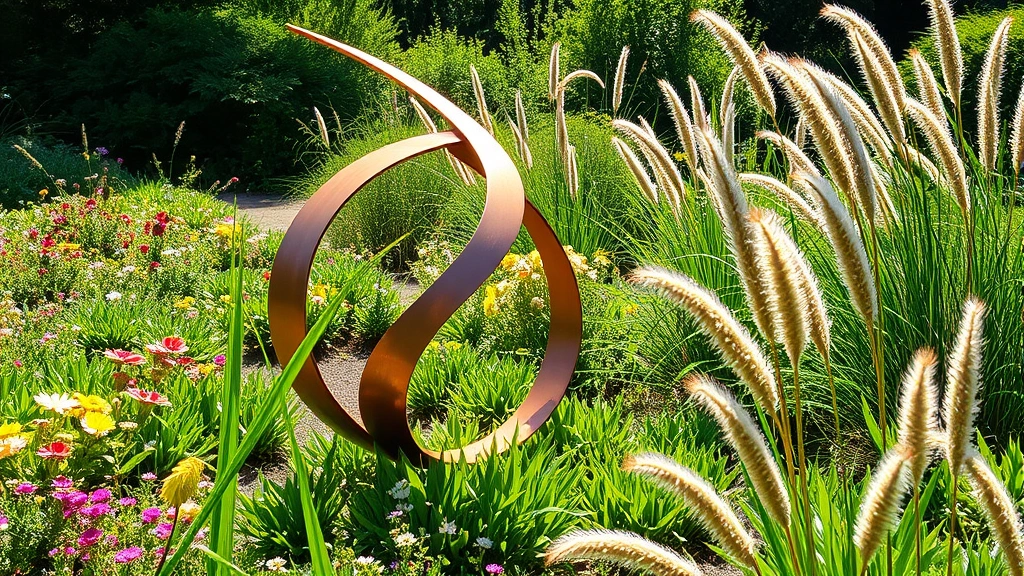
Garden art transforms outdoor spaces from simple plant collections into personal galleries of creativity and expression. Whether you’re cultivating a sprawling landscape or tending a modest urban balcony, incorporating thoughtfully chosen artistic elements elevates the entire gardening experience. A well-placed sculpture, strategically positioned water feature, or creatively designed planter can become the focal point that brings cohesion and character to your garden design.
The intersection of horticulture and art creates opportunities for gardeners to showcase their personality while enhancing the natural beauty of their plants. From rustic metal installations to contemporary geometric forms, garden art serves both aesthetic and functional purposes—defining spaces, creating visual interest, and establishing the mood of your outdoor sanctuary. This guide explores designer-approved garden art ideas that work across different styles, budgets, and garden sizes.
Sculptural Elements and Focal Points
Garden sculptures serve as anchoring elements that draw the eye and establish visual hierarchy within your landscape. Designer’s consistently recommend positioning statement pieces at garden entries, within planting beds, or at the terminus of pathways. Stone sculptures offer timeless appeal and weather beautifully over seasons, developing patina that integrates seamlessly with natural surroundings. Abstract metal forms provide contemporary contrast against soft foliage, while classical busts and figurative pieces evoke traditional garden aesthetics.
When selecting sculptures, consider scale in relation to your garden size. A monumental piece in a small urban garden can feel overwhelming, while oversized installations deserve spacious grounds. The material matters significantly—bronze develops a rich patina, corten steel weathers to warm rust tones, and cast stone blends naturally with plantings. Position sculptures where they’re visible from multiple vantage points, ideally framed by complementary plants that don’t obscure the artwork.
Personalized sculptures reflecting your interests—whether animal forms, abstract shapes, or cultural symbols—transform generic spaces into distinctive gardens that tell your story. Consider commissioning local artists to create custom pieces that resonate with your vision and support your community’s creative economy.

Water Features and Fountains
Water features provide sensory richness beyond visual appeal, introducing sound and movement that enliven static gardens. Fountains range from elegant tiered designs to minimalist modern installations, each creating distinct atmospheres. Moving water attracts wildlife—birds, beneficial insects, and amphibians—enhancing ecological value while providing entertainment and tranquility.
Placement significantly impacts effectiveness. Position fountains where you’ll hear them from seating areas, or where reflected light creates shimmer effects. Consider your garden’s existing hardscape elements when selecting fountain style. Contemporary gardens benefit from sleek, geometric water installations, while cottage gardens suit tiered or ornamental fountain designs.
Maintenance requirements vary substantially. Recirculating fountains require regular cleaning and water level monitoring, while natural ponds demand ecosystem management. Smaller tabletop fountains offer water feature benefits with minimal upkeep, making them ideal for patios or balconies. Integrate water features with container plantings to create layered visual interest and provide moisture-loving plants with ideal growing conditions.
Metal and Hardscape Art
Metal garden art encompasses arbors, trellises, gates, and decorative screens that combine functionality with aesthetic appeal. Wrought iron pieces offer romantic, detailed designs perfect for traditional gardens, while powder-coated steel and aluminum provide clean lines suited to modern landscapes. Metal art weathers beautifully—developing patina that adds character and integrating naturally with surrounding vegetation.
Functional metal structures like raised garden beds and arbors provide dual purposes, supporting climbing plants while creating architectural interest. Rustic galvanized metal pieces complement cottage aesthetics, while oxidized or patinated finishes suit contemporary designs. Metal screens and panels create privacy while allowing light penetration and air circulation—essential for plant health in enclosed spaces.
Hardscape art includes decorative paving, stone arrangements, and architectural elements that define garden structure. Mosaic pathways, stepping stone patterns, and paved designs add personality while improving accessibility. Stone edging, retaining walls, and raised beds function as both practical structures and artistic statements. Layer different materials—combining smooth stone with textured brick, or metal with wood—to create visual depth and interest.
Consider integrating metal art with functional elements like birdbaths, plant supports, and garden markers that serve practical purposes while enhancing aesthetics. Custom metalwork from local artisans creates unique pieces impossible to duplicate, making your garden genuinely distinctive.
Living Art and Plant Displays
Plants themselves become art through creative arrangement and cultivation. Topiary—the art of shaping living plants into geometric or figurative forms—transforms simple greenery into living sculptures. Boxwood, privet, and yew respond well to topiary techniques, though patience and regular pruning commitment are essential. Instant topiary frames guide ivy and other climbers into predetermined shapes, offering faster results for gardeners unwilling to wait years for traditional topiary development.
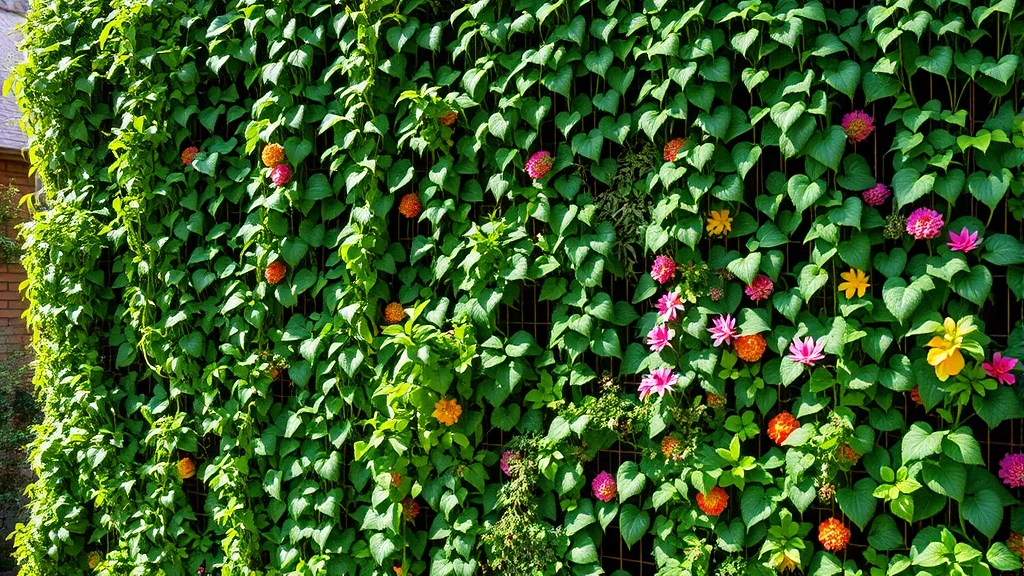
Vertical gardens and living walls maximize space while creating dramatic visual impact. These installations—whether using specialized systems or DIY approaches—transform blank walls into lush green canvases. Shade-tolerant plants like ferns and hostas thrive in vertical arrangements, while sunny exposures support sedums, trailing succulents, and herbs. Living walls improve air quality, provide insulation, and create habitat for beneficial insects.
Espalier training shapes fruit and ornamental trees against walls or trellises, creating flat, decorative forms while maximizing production in limited spaces. This traditional technique combines horticultural skill with artistic vision, producing functional art that yields fruit or flowers. Similarly, flowering gardens designed with color theory principles—complementary palettes, monochromatic schemes, or gradient transitions—create living paintings that evolve through seasons.
Ornamental grasses, specimen trees, and sculptural plants like Japanese maples or contorted filbert become living art through strategic placement and cultivation. Combine plants with dramatically different forms—spiky ornamental grasses against broad hostas, or delicate ferns beside architectural sedums—to create dynamic compositions that provide year-round visual interest.
Lighting as Artistic Expression
Strategic garden lighting transforms outdoor spaces into nighttime galleries, extending enjoyment beyond daylight hours. Uplighting illuminates sculpture and architectural features, creating dramatic shadows and highlights. Pathway lighting provides safety while guiding visitors through garden experiences. String lights and lanterns create ambient atmosphere suitable for entertaining or quiet evening reflection.
LED technology enables energy-efficient installations with exceptional color control. Warm white light creates inviting, intimate atmospheres, while cooler tones suit contemporary designs. Colored lighting produces theatrical effects—highlighting blue-flowering plants with cool light, or warming golden foliage with amber tones. Solar-powered options eliminate wiring complexity and operating costs, though traditional electrical installations provide consistent performance.
Silhouetting—positioning light behind plants or structures to create dramatic outlines—adds depth and interest. Moonlighting mimics natural moonlight filtering through canopy, creating dappled effects on lower plantings. Consider seasonal adjustments, as changing plant growth and daylight hours affect lighting impact. Professional landscape lighting designers create sophisticated effects worth consulting for ambitious installations.
DIY Garden Art Projects
Creating personal garden art builds emotional investment in your outdoor space while accommodating specific preferences and budgets. Painted rocks positioned throughout gardens add whimsy and personalization. Upcycled containers—old boots, teapots, and vintage tins—become charming planters that tell stories. Repurposed wood pieces transform into rustic signs, plant markers, or sculptural elements.
Mosaic stepping stones combine broken pottery, tile, and stone into functional art that guides visitors while adding color and texture. Stained glass panels and suncatchers create refracted light effects in garden spaces. Bird feeders crafted from natural materials provide functional art while supporting wildlife. Painted plant stakes and garden markers combine utility with artistic expression.
Garden benches crafted from reclaimed materials become meditation spaces and focal points. Living wreaths created from succulents or fresh foliage provide seasonal art installations. Wind chimes fashioned from driftwood, shells, or metal scraps add auditory interest. These projects require minimal expertise but yield significant satisfaction and personalized results impossible to achieve through purchased items.
Seasonal Garden Art Transformations
Garden art evolves through seasons, reflecting changing plant growth, light quality, and weather conditions. Spring installations might emphasize renewal—fresh paint on structures, replacement of winter-damaged elements, or repositioning of sculptures now visible through bare branches. Summer allows dramatic lighting installations and lush living art displays as plants reach peak growth.
Autumn transforms gardens through color—both natural plant transitions and artistic additions like orange-painted pots or rust-colored metal installations. Fall harvests inspire art installations using pumpkins, corn stalks, and dried grasses. Winter reveals garden structure—bare branches emphasizing sculpture forms, evergreen plants providing textural interest, and frost effects creating temporary ice sculptures.
Temporary installations—seasonal containers, holiday decorations, and rotating art pieces—prevent visual fatigue while accommodating evolving interests. Consider garden decor that transitions gracefully between seasons rather than requiring complete replacement. Native plant selections ensure living art provides interest year-round through varying textures, colors, and forms.
Participate in garden tours and art installations to refresh inspiration and discover emerging trends. Follow established horticultural societies and botanical organizations for professional guidance and community connections that elevate your garden art projects.
FAQ
What garden art works best in small spaces?
Vertical elements like trellises, wall-mounted art, and living walls maximize impact without consuming ground space. Single statement sculptures positioned strategically create focal points without overwhelming compact areas. Lightweight containers and hanging plant displays add visual interest while maintaining functionality. Small water features and tabletop sculptures provide sensory richness in limited footprints.
How do I protect garden art from weather damage?
Material selection significantly impacts durability. Bronze, corten steel, and quality stone weather beautifully, developing character over time. Wood requires regular sealing and maintenance. Painted surfaces need periodic refreshing. Position sculptures away from harsh wind exposure and severe weather patterns. Bring delicate or valuable pieces indoors during extreme seasons. Use protective covers for vulnerable installations during winter months or storm season.
Can I commission custom garden art?
Absolutely. Local sculptors, metalworkers, and artists often accept commissions for custom pieces reflecting your vision and garden style. Discuss material preferences, installation requirements, and maintenance needs before commissioning. Custom work costs more than mass-produced pieces but creates genuinely unique elements impossible to duplicate, making them worthwhile investments in distinctive gardens.
What’s the best budget approach for garden art?
Start with high-impact statement pieces that anchor your design, then add complementary elements gradually. DIY projects offer personalization and cost savings. Upcycled and repurposed materials provide character at minimal expense. Invest more in durable pieces like metal sculptures and quality hardscape elements that last decades. Seasonal and temporary installations allow experimentation without permanent financial commitment.
How do I integrate art with functional garden elements?
Combine aesthetics with practicality by choosing sculptural planters, artistic raised beds, and decorative trellises that serve dual purposes. Birdbaths, garden benches, and stepping stones function as both art and utility. This approach maximizes value and prevents gardens from feeling cluttered with purely decorative elements. Thoughtful integration creates cohesive designs where every element contributes meaningfully to the overall composition.


