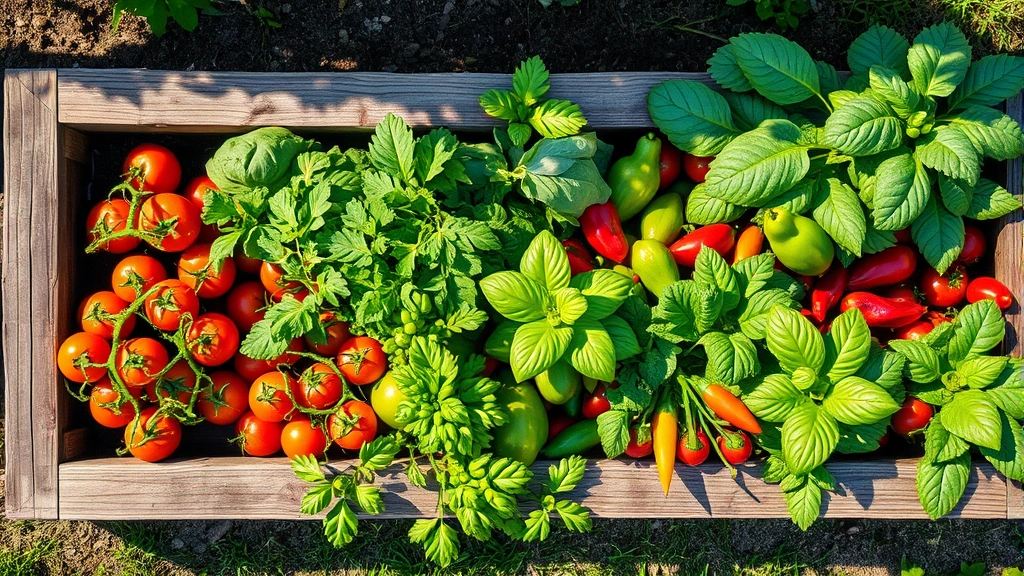
Why Choose Cedar Raised Beds? Gardener Insights
Cedar raised garden beds have become the gold standard for home gardeners seeking durability, aesthetics, and functionality. Whether you’re a seasoned gardener or just beginning your gardening journey as a beginner, understanding why cedar stands out among raised bed materials can transform your growing experience. The natural properties of cedar wood make it an exceptional choice that balances longevity, cost-effectiveness, and environmental consciousness.
Raised beds constructed from cedar offer distinct advantages over traditional in-ground gardens and alternative materials like composite or metal options. Cedar’s inherent resistance to decay, pest damage, and weathering means your investment will thrive for years without constant maintenance or replacement. Beyond practical benefits, cedar raised beds provide visual appeal to any garden landscape, creating defined growing spaces that encourage organization and accessibility for all gardeners, regardless of physical ability.
This comprehensive guide explores the multifaceted reasons why cedar raised garden beds deserve a place in your gardening plans, backed by insights from experienced gardeners and horticultural experts.

Natural Durability and Longevity
Cedar wood possesses remarkable natural durability that sets it apart from other lumber options. The heartwood of western red cedar and eastern red cedar contains natural oils and compounds that resist decay and rot, even when exposed to moisture and fluctuating weather conditions. This inherent resistance means a well-constructed cedar raised garden bed can last 10 to 20 years with minimal intervention, making it a smart long-term investment for dedicated gardeners.
Unlike pressure-treated lumber, which relies on chemical treatments to achieve durability, cedar’s protection comes from its cellular structure. The wood naturally sheds water while resisting fungal growth and decomposition. Gardeners who have maintained cedar beds report that their structures remain structurally sound through multiple growing seasons, harsh winters, and intense summer heat. The wood does weather to an attractive silver-gray patina over time, but this aesthetic change doesn’t compromise functionality or structural integrity.
When selecting cedar for your raised bed, opt for heartwood rather than sapwood. Heartwood contains the protective oils and will last significantly longer. Many gardeners find that a simple annual inspection and occasional wood sealant application (using food-safe products) extends the life even further, though it’s not strictly necessary for cedar’s performance.
Cedar’s Pest and Disease Resistance
One of the most compelling reasons gardeners choose cedar raised beds is the wood’s natural resistance to insect damage and fungal diseases. Cedar’s aromatic oils repel common wood-boring insects like termites and carpenter ants that would quickly compromise beds made from pine, fir, or other softwoods. This pest resistance means you won’t need to apply chemical treatments to protect your bed structure, keeping your growing environment clean and chemical-free.
The same compounds that repel insects also inhibit fungal growth and mold development, which is crucial in raised beds where moisture levels remain relatively high. Unlike composite materials that can harbor mold in their porous surfaces, cedar naturally resists these issues. This becomes particularly important if you’re growing easy vegetables for beginners or cultivating herbs in close proximity to your living spaces.
Gardeners in humid climates and regions with high moisture levels report exceptional performance from cedar beds. The wood maintains its integrity even when exposed to constant dampness, unlike treated lumber that can eventually break down or leach chemicals into soil. This natural protection makes cedar ideal for gardens in rainy climates or areas prone to seasonal flooding.
Environmental and Health Benefits
Choosing cedar raised beds aligns with environmentally conscious gardening practices. Cedar is a renewable resource, and responsible forestry ensures sustainable harvesting. Unlike pressure-treated lumber, which historically contained arsenic and other toxic preservatives (though modern treatments are safer), cedar requires no chemical treatment to achieve its protective properties. This means no risk of chemical leaching into your soil, groundwater, or the vegetables you grow.
For gardeners concerned about food safety and environmental impact, cedar represents a genuinely non-toxic option. You can confidently grow vegetables and herbs knowing that no synthetic preservatives are affecting your plants or soil ecosystem. The natural oils in cedar actually support soil microbiology by breaking down naturally without introducing foreign compounds.
Cedar’s biodegradability is another environmental advantage. When your raised bed eventually reaches the end of its life (which may take 15-20 years), the wood decomposes naturally without leaving toxic residues. You can even add decomposed cedar to your compost pile or use it as mulch in other garden areas. This closed-loop approach supports sustainable gardening practices and reduces your overall environmental footprint.
Aesthetic Appeal and Garden Design
Beyond functionality, cedar raised beds enhance the visual appeal of any garden space. The warm, honey-toned wood creates an inviting appearance that complements both traditional and contemporary garden designs. As cedar weathers naturally, it develops a distinguished silver-gray patina that many gardeners find even more attractive than the original finish. This natural aging process adds character and authenticity to your garden landscape.
The defined geometric structure of cedar raised beds creates visual organization within garden spaces. Whether you’re arranging beds in neat rows for maximum productivity or positioning them strategically around a patio, cedar’s clean lines and natural beauty enhance the overall aesthetic. This visual organization also helps establish clear pathways and functional zones within your garden, making it more inviting and easier to navigate.
Cedar beds work beautifully as focal points in garden design. A well-constructed raised bed filled with colorful vegetables, flowering herbs, or ornamental plants draws the eye and creates visual interest. Many gardeners integrate raised beds into landscape designs that include seating areas, pergolas, and other hardscape elements, with cedar beds serving as natural connectors that tie the garden together cohesively.
Accessibility and Ergonomic Advantages
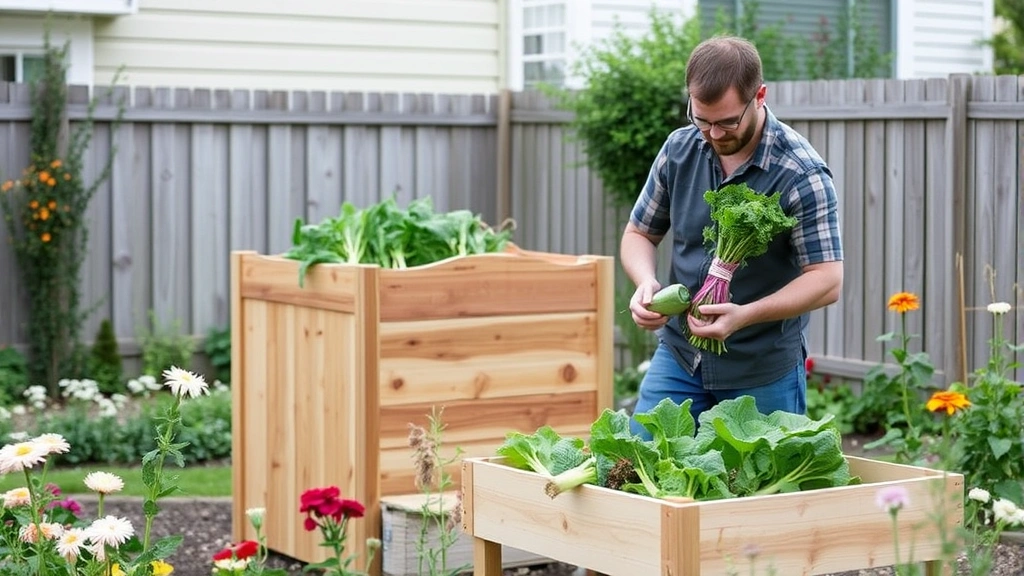
Raised beds constructed from cedar offer significant accessibility benefits that make gardening more enjoyable and physically sustainable. Elevating your growing space reduces the need for bending and kneeling, which is particularly valuable for gardeners with mobility challenges, back issues, or joint problems. A standard 12-inch tall raised bed reduces strain, while taller beds (18-24 inches) can make gardening accessible for wheelchair users and those who prefer to garden while seated.
The accessibility advantages extend to all gardeners, not just those with physical limitations. Elevated beds reduce back strain during planting, weeding, and harvesting, allowing you to garden longer without fatigue. Parents can involve children more easily when beds are at a comfortable height, making gardening a family activity. Seniors report that raised beds allow them to continue gardening activities they love without the pain and discomfort associated with ground-level gardens.
Cedar’s natural appearance doesn’t compromise functionality. The wood is strong enough to support the weight of garden structures like trellises and supports for growing herbs and vertical vegetables. You can attach irrigation systems, shade cloth, or protective covers to cedar bed frames, making your garden more versatile and adaptable to changing seasonal needs.
Cost-Effectiveness Over Time
While cedar raised beds require a larger initial investment compared to untreated pine or composite alternatives, the long-term cost-effectiveness becomes clear when you consider lifespan and maintenance requirements. A cedar bed lasting 15-20 years significantly reduces your per-year cost compared to pine beds that may need replacement every 5-7 years. When you factor in the labor and disruption of replacing beds, cedar’s durability becomes economically advantageous.
Maintenance costs for cedar are minimal. Unlike composite materials that may require specialized cleaning or pressure-treated lumber that needs periodic sealing with chemical products, cedar requires only occasional inspection and optional natural sealant application. Many gardeners find that simply allowing cedar to weather naturally requires zero maintenance, reducing long-term costs further.
The productivity gains from using properly constructed raised beds also contribute to cost-effectiveness. Better drainage, improved soil quality, and easier access lead to higher yields and healthier plants. Gardeners often recoup their initial investment through increased vegetable production within the first few seasons, making cedar beds a sound financial decision alongside their practical and environmental benefits.
Ease of Installation and Customization
Cedar’s workability makes it an excellent choice for both DIY construction and professional installation. The wood cuts cleanly, fastens securely, and doesn’t require specialized tools or techniques. Gardeners of varying skill levels successfully build cedar raised beds, making it an accessible option for those interested in beginning their gardening journey. The straightforward construction process means you can have a functional raised bed ready for planting within a single afternoon.
Cedar’s customization potential allows you to create beds perfectly suited to your space and needs. Standard rectangular configurations work for most gardens, but cedar can be shaped into curved designs, tiered arrangements, or custom sizes that fit unique spaces. You can build corner beds, L-shaped configurations, or integrate raised beds into existing landscape features. This flexibility makes cedar ideal for gardens of any size or layout.
The wood’s stability means that cedar frames hold their shape over time, maintaining square corners and even heights essential for proper water distribution and aesthetic appearance. Unlike materials that warp or twist, cedar beds remain true year after year, ensuring consistent functionality and appearance throughout their lifespan.
Temperature Regulation and Soil Health
Cedar raised beds provide superior temperature regulation compared to in-ground gardens and many alternative bed materials. The wood insulates soil from extreme temperature fluctuations, keeping root zones more stable and consistent. This thermal stability supports healthier plant growth and extends your growing season, allowing you to plant earlier in spring and continue harvesting later into fall.
The insulating properties of wood also help maintain soil moisture more effectively than metal or composite beds, which can heat up excessively in direct sunlight and increase water evaporation. This moisture retention reduces irrigation frequency and helps plants weather periods of drought stress. Gardeners in hot climates particularly appreciate cedar’s ability to keep soil temperatures moderate during intense summer heat.
Cedar’s natural decomposition contributes to soil health over time. As the wood gradually breaks down at the bed perimeter, it adds organic matter to the soil ecosystem. This slow integration of organic material enhances soil structure, water retention, and microbial activity. The result is increasingly rich, biologically active soil that supports vigorous plant growth and requires less amendment with outside inputs.
For growing specialized crops like herbs in organized garden spaces, cedar’s thermal properties prove invaluable. Herbs benefit from the consistent soil conditions that cedar beds provide, resulting in more flavorful and aromatic plants. The stable growing environment also supports longer harvests and more productive plants throughout the growing season.
FAQ
How long do cedar raised garden beds actually last?
Well-constructed cedar raised beds typically last 10-20 years, with many gardeners reporting functional beds even after 25 years of use. The heartwood of cedar naturally resists decay and rot, making it one of the longest-lasting wood options for garden structures. Regular inspection and optional natural sealant application can extend lifespan further. Environmental factors like climate, soil chemistry, and maintenance affect individual bed longevity.
Is cedar treated with any chemicals that might affect my vegetables?
High-quality cedar raised beds use untreated heartwood that requires no chemical preservatives. The wood’s natural oils provide all necessary protection against decay and insects. Always verify that your cedar comes from reputable sources and is genuinely untreated. Avoid cedar treated with copper compounds or other preservatives if you’re growing edible crops, though modern treatments are generally safe when applied to exterior surfaces.
Can I use cedar for in-ground bed construction?
Yes, cedar works excellently for both raised and in-ground beds. The wood’s natural rot resistance makes it suitable for direct soil contact, though in-ground applications may experience slightly faster decomposition at the base due to constant moisture exposure. Many gardeners successfully use cedar for both applications, with raised beds typically lasting longer due to better air circulation around the structure.
How does cedar compare to composite or metal raised bed materials?
Cedar offers natural aesthetics, non-toxic properties, and environmental sustainability that synthetic composites cannot match. Metal beds heat up excessively in direct sun and can transfer rust into soil. Composite materials may harbor mold and require specialized cleaning. Cedar balances durability with natural appeal, though initial cost is higher than untreated pine. For long-term investment and health-conscious gardening, cedar generally outperforms alternatives.
What size raised bed should I build with cedar?
Standard dimensions include 4×8 feet for maximum growing space, 4×4 feet for compact gardens, and 2×4 feet for small spaces or specialized plantings. Height varies from 8-12 inches for shallow-rooted crops to 18-24 inches for accessibility and root depth. Custom sizes work well with cedar’s flexibility. Consider your available space, physical accessibility needs, and the crops you plan to grow when determining dimensions.
Do I need to seal cedar raised beds?
Sealing is optional for cedar raised beds. The wood’s natural oils provide adequate protection without treatment. Many gardeners choose to apply food-safe sealants every 2-3 years to maintain appearance or extend lifespan slightly. Natural weathering to silver-gray patina occurs without sealing and doesn’t affect functionality. If you prefer maintaining the original honey tone, annual sealant application helps preserve color.
Can cedar raised beds be used for growing fruit trees or perennial plants?
Cedar beds work well for perennial herbs, berry bushes, and small fruit plants that require contained growing spaces. The wood’s durability supports the weight and long-term presence of established plants. For large fruit trees, you may need deeper construction or larger dimensions. Cedar’s thermal stability and soil health benefits apply equally to perennial plantings, making it an excellent choice for permanent garden features.


