
Is a Retractable Garden Hose Worth It? Expert Opinion
When it comes to garden maintenance and watering your plants, the tools you choose can significantly impact your overall gardening experience. A retractable garden hose has become increasingly popular among both seasoned gardeners and beginners looking to streamline their outdoor care routine. But is investing in one of these convenient devices truly worthwhile, or is it just another gardening gadget that promises more than it delivers?
The answer depends on several factors, including your garden size, watering habits, storage space, and budget. In this comprehensive guide, we’ll examine the advantages and disadvantages of retractable garden hoses, compare them to traditional options, and help you make an informed decision about whether one is right for your gardening setup.
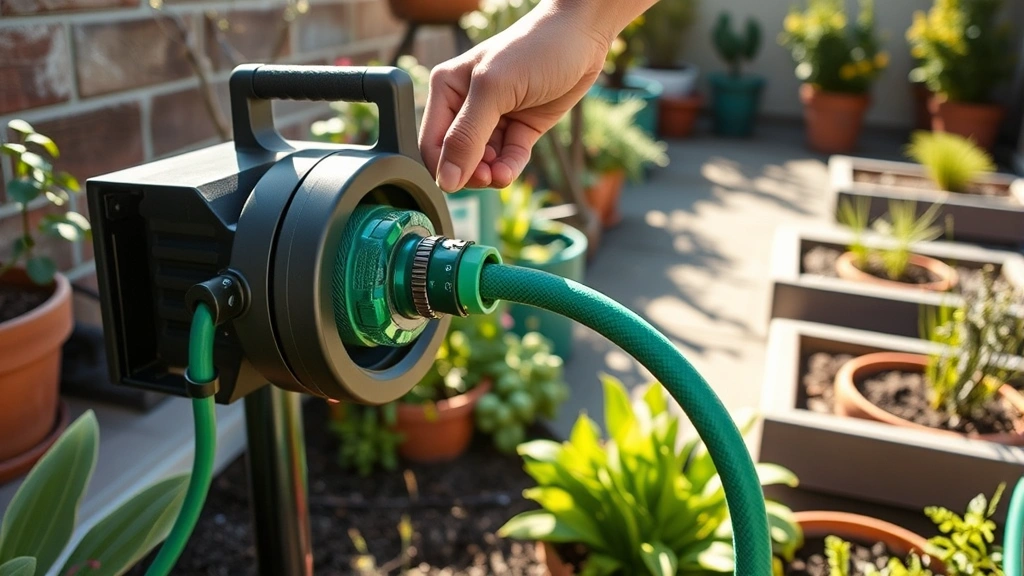
What Is a Retractable Garden Hose?
A retractable garden hose is a specially designed watering tool that automatically winds itself back into a compact reel or housing unit when not in use. Unlike traditional garden hoses that require manual coiling and storage, these innovative hoses feature a spring-loaded mechanism that retracts the hose with minimal effort. The hose typically extends from 25 to 100 feet, depending on the model, and can be easily pulled out to the desired length.
The reel housing is usually made from durable materials like plastic or metal and can be mounted on a wall, placed on a stand, or hung on a dedicated hose hanger. When you’re finished watering, simply release the hose and let the spring mechanism automatically pull it back inside. This design aims to solve one of gardening’s most common frustrations: managing unwieldy, tangled hoses that take up valuable storage space.
Modern retractable hoses come equipped with various features, including adjustable spray nozzles, automatic shut-off mechanisms, and protective covers that shield the hose from UV damage and harsh weather conditions. Understanding how these systems work is essential before deciding whether they align with your gardening needs and lifestyle.

Key Advantages of Retractable Garden Hoses
Space-Saving Storage Solution
One of the most compelling benefits of a retractable garden hose is its exceptional space efficiency. If you’re working with a small yard, apartment balcony, or limited storage area, these hoses are game-changers. Instead of coiling a 50-foot hose and finding a corner or hook to store it, the hose remains neatly contained within its compact reel. This is particularly valuable for urban gardeners or those with raised garden beds in tight spaces.
Convenience and Ease of Use
The automatic retraction mechanism eliminates the tedious task of manually coiling your hose after each use. For gardeners with arthritis, mobility issues, or simply those who value their time, this convenience factor alone can justify the investment. You simply pull out what you need and let the mechanism do the work of putting it away. This ease of use makes gardening more accessible to people of all physical abilities.
Reduced Tangle and Kink Issues
Traditional hoses are notorious for developing kinks, knots, and twisted sections that restrict water flow and create frustrating dead zones. Retractable hoses, when properly maintained, experience fewer of these issues because the hose is stored in a controlled environment rather than being loosely coiled. This means more consistent water pressure and better performance throughout your garden watering sessions.
Extended Hose Lifespan
Because retractable hoses are protected from UV rays, extreme temperature fluctuations, and physical damage while stored, they often last longer than hoses left lying around the yard. The protective housing keeps the material in better condition, potentially extending the hose’s functional lifespan by several years, which can offset the higher initial purchase price.
Aesthetic Appeal
Let’s be honest: a neatly mounted retractable hose reel looks far more organized and attractive than a tangled hose draped across the lawn. If you care about your garden’s appearance and want your outdoor space to look well-maintained, a retractable hose contributes to that polished, professional look.
Disadvantages and Common Issues
Higher Initial Cost
Quality retractable garden hoses typically cost between $40 and $150, depending on length, brand, and features. This is significantly more expensive than traditional hoses, which can be found for $15 to $50. For budget-conscious gardeners or those just starting their green journey, this price difference may be prohibitive.
Mechanical Failures
The spring-loaded retraction mechanism is the hose’s greatest strength and its biggest vulnerability. Springs can weaken over time, reels can jam, and the automatic retraction system may fail after a few years of use. When these components break, replacement or repair can be costly, and some models aren’t easily fixable. This is why customer reviews are crucial when evaluating specific products.
Pressure and Flow Rate Limitations
Some retractable hoses cannot handle high water pressure as effectively as traditional hoses. If you need powerful water flow for pressure washing, filling large containers quickly, or operating certain sprinkler systems, a retractable hose may underperform. This limitation is particularly important if you have multiple watering needs throughout your garden.
Length Restrictions
While traditional hoses can be purchased in lengths up to 100 feet or more, retractable options are generally limited to 50-75 feet due to the mechanical constraints of the reel system. If your garden is particularly large or your water source is far from your plants, you might find a retractable hose insufficient.
Durability Concerns
The hose material in some budget retractable models is thinner and less durable than quality traditional hoses. Extended use in harsh sunlight, freezing temperatures, or rough handling can cause premature cracking and leaking. Premium models address this, but they come with premium price tags.
Comparing Retractable vs Traditional Garden Hoses
Storage and Space
Retractable hoses win decisively in this category. They occupy minimal space and keep your yard looking organized. Traditional hoses require dedicated storage solutions like wall-mounted reels, shed space, or garden hose containers. However, if you already have adequate storage infrastructure, the advantage diminishes.
Cost Efficiency
Traditional hoses are more budget-friendly upfront and offer excellent value for casual gardeners. You can purchase two or three traditional hoses for the price of one quality retractable hose. If durability is your concern, you might buy a traditional hose, and if it fails after five years, you’re still ahead financially compared to a retractable model that fails after three years.
Reliability and Longevity
Traditional hoses have fewer mechanical components, making them inherently more reliable. They’ve been used for decades with proven durability when properly maintained. Retractable hoses introduce complexity that, while innovative, creates additional failure points. A well-maintained traditional hose often outlasts a retractable alternative.
Flexibility and Versatility
Traditional hoses offer superior flexibility in terms of length options, pressure handling, and attachment compatibility. They work seamlessly with all watering tools and accessories. Retractable hoses sometimes have compatibility issues with certain nozzles or sprinkler systems due to their compact design.
Maintenance Requirements
Traditional hoses require regular coiling and uncoiling, which is physically demanding but straightforward. Retractable hoses need less manual handling but require occasional maintenance of the retraction mechanism, including checking for corrosion, ensuring the spring functions properly, and verifying that the hose retracts smoothly.
Important Factors to Consider Before Buying
Garden Size and Layout
For small to medium gardens (under 1,500 square feet), a retractable hose is often ideal. If you have a sprawling property or need to reach multiple distant garden areas, a traditional hose or a combination of both might serve you better. Consider the distance from your water source to your farthest plants.
Storage Space Availability
If you have a garage, shed, or dedicated garden storage area, the space-saving advantage of retractable hoses becomes less critical. However, if storage is genuinely limited—as it is for apartment dwellers or those with small yards—the compact design becomes invaluable.
Physical Capability
For elderly gardeners or those with limited mobility or strength, the automatic retraction feature and reduced manual handling make retractable hoses significantly more appealing. This accessibility factor should not be underestimated when calculating the value proposition.
Watering Habits and Frequency
If you water daily or multiple times per week, the convenience factor compounds over time. Conversely, if you water occasionally, the investment may not justify itself through convenience alone. Consider how often you actually use your hose.
Water Pressure Requirements
Assess your specific watering needs. If you use a hydrangea care routine that requires gentle watering or operate a drip irrigation system, pressure limitations are less concerning. If you need high-pressure output, verify that your chosen retractable model can handle your requirements.
Climate Considerations
In areas with extreme temperatures, intense UV exposure, or freeze-thaw cycles, durability becomes paramount. Choose a retractable hose with excellent protective housing and UV-resistant materials, or opt for a traditional hose that’s simply more robust in harsh conditions.
Tips for Maximizing Your Retractable Hose Investment
If you decide that a retractable garden hose is right for you, follow these strategies to ensure longevity and optimal performance:
- Choose a quality brand: Research reviews on reputable gardening websites and extension services. Investing $20-30 more upfront in a well-reviewed model can save you money in repairs and replacements later.
- Mount it properly: Install the reel in a location protected from direct sunlight and extreme weather. A covered wall mount or a location under an eave significantly extends the hose’s lifespan.
- Drain before winter: In cold climates, always drain your retractable hose completely before freezing weather arrives. Water left inside can expand and damage the hose and mechanism.
- Check the spring mechanism regularly: Periodically inspect that the retraction system works smoothly. If it starts to stick or retract slowly, address the issue before it worsens.
- Use appropriate nozzles: Ensure any attachments are compatible with your hose and don’t create excessive pressure that could damage the internal mechanism.
- Avoid extreme pressure: While your hose can handle normal watering pressure, avoid using it for power washing or other high-pressure applications unless it’s specifically rated for such use.
- Store strategically: Even with a retractable hose, consider where you place the reel. Accessible, well-protected locations encourage proper use and maintenance.
Best Use Cases for Retractable Hoses
Urban and Apartment Gardening
For those growing vegetables in containers on balconies or maintaining small community garden spaces, retractable hoses are nearly ideal. The compact storage and ease of use make them perfect for limited-space gardening.
Elderly and Mobility-Limited Gardeners
The reduced physical demand of automatic retraction makes these hoses invaluable for seniors and those with physical limitations who want to maintain an active gardening practice.
Aesthetic-Conscious Gardeners
If your outdoor space is visible to neighbors or guests, and you want it to look perpetually neat and organized, a retractable hose contributes to that impression.
Frequent and Casual Gardeners
Those who water daily but don’t have extreme watering demands benefit greatly from the convenience factor. The time saved over a season justifies the investment.
Gardeners with Limited Storage
Anyone without a garage, shed, or dedicated storage area will find retractable hoses transform their outdoor organization.
If you’re just beginning your gardening journey and want to learn about easy vegetables to grow, the watering method you choose impacts your success. A retractable hose can make the watering process so convenient that you’re more likely to maintain consistent hydration schedules for your plants.
For those interested in expanding their horticultural knowledge, resources like The Gardeners’ Company and your local American Horticultural Society provide comprehensive guidance on garden tools and techniques. The University of Kentucky Horticulture Department also offers evidence-based recommendations for garden equipment selection.
FAQ
How long do retractable garden hoses typically last?
Quality retractable hoses usually last 3-5 years with proper maintenance, while budget models may fail within 1-2 years. Traditional hoses often last 5-10 years, though this varies based on usage and environmental factors. The longevity depends heavily on brand quality, climate conditions, and how well you maintain the retraction mechanism.
Can I use a retractable hose with a pressure washer?
Most standard retractable hoses are not designed for the high pressure required by pressure washers. Using one could damage the hose or the internal retraction mechanism. Always check your hose’s pressure rating (typically 100-150 PSI for retractable models) before attempting high-pressure applications. Most pressure washers require 1,500+ PSI.
What’s the best retractable hose length for an average garden?
For most residential gardens up to 2,000 square feet, a 50-foot retractable hose is ideal. If your water source is far from your garden beds, consider a 75-foot model. Longer hoses (100+ feet) are rarely available in retractable designs due to mechanical limitations, so you may need a traditional hose for very large properties.
Do retractable hoses work well in cold climates?
Retractable hoses can work in cold climates, but you must drain them completely before freezing weather. The protective housing actually helps shield the hose from temperature extremes better than traditional hoses left exposed. However, the spring mechanism can become sluggish in very cold temperatures, so choose models specifically rated for cold weather use.
Are retractable hoses worth it for occasional gardeners?
For someone who waters only occasionally or seasonally, a traditional hose is likely more cost-effective. The convenience advantage of retractable hoses compounds with frequent use. If you water just once weekly during growing season, the investment may not pay for itself in terms of time saved and convenience gained.
What’s the difference between wall-mounted and portable retractable hoses?
Wall-mounted retractable hoses are permanently installed near your water source and offer excellent storage efficiency but limited portability. Portable models on wheels or stands can be moved around your yard but take up more space. Wall-mounted options are better for small spaces and frequent use, while portable models suit those who need flexibility in hose placement.
How do I prevent kinks in a retractable garden hose?
Retractable hoses are less prone to kinking than traditional hoses because they’re stored in a controlled manner. However, avoid forcing the hose to retract when it’s kinked, and never yank it out at sharp angles. Guide the hose smoothly as it extends and retracts, and ensure the mounting location allows the hose to emerge at a gentle angle.
Can I repair a retractable hose if it leaks?
Small leaks near the nozzle end can sometimes be fixed with hose repair kits, similar to traditional hoses. However, leaks in the retraction mechanism or internal hose sections are usually not repairable and require replacement of the entire unit. This is one reason choosing a quality, durable model matters significantly.


