How to Create a Lei Garden: Expert Insights
A lei garden celebrates the tropical beauty and cultural significance of Hawaii by cultivating the flowers, foliage, and vines traditionally used in lei-making. Whether you’re in a warm climate or a temperate zone, creating a dedicated lei garden allows you to grow fragrant gardenias, vibrant orchids, silky plumeria, and other lei-worthy plants right in your own backyard. This specialized garden combines aesthetic appeal with practical harvesting potential, transforming your outdoor space into a living lei workshop.
The art of lei-making dates back centuries in Hawaiian culture, and growing your own lei garden honors this tradition while providing fresh, locally-grown materials for arrangements and celebrations. Beyond cultural appreciation, a lei garden offers year-round color, intoxicating fragrance, and the satisfaction of creating handmade lei from plants you’ve nurtured. With proper planning, plant selection, and care techniques, anyone can establish a thriving lei garden regardless of their climate zone.
Understanding Lei Garden Fundamentals
A lei garden is more than just a collection of flowering plants—it’s a purposefully designed space optimized for producing high-quality lei materials. The best lei gardens feature plants that bloom prolifically, possess aromatic qualities, maintain structural integrity when strung, and offer long vase life or wearability. Understanding these fundamentals helps you make informed decisions about plant selection and garden layout.
Lei gardens thrive in tropical and subtropical climates but can be successfully cultivated in temperate regions using containers, greenhouses, or careful variety selection. The key is matching plants to your growing zone while providing appropriate microclimates through strategic placement, structures, and protection methods. Many lei gardeners employ techniques like building raised garden beds to improve drainage and create ideal growing conditions for moisture-sensitive species.
The philosophy behind lei gardening emphasizes sustainability, cultural respect, and horticultural excellence. Rather than purchasing lei made from unknown sources or synthetic materials, home lei gardeners develop deep connections with their plants through hands-on cultivation and creative expression in lei design.
Essential Plants for Lei Making
Selecting the right plants forms the foundation of a successful lei garden. Each plant offers unique aesthetic, aromatic, and structural qualities that influence the final lei appearance and durability. The most popular lei plants fall into several categories: flowers, foliage, and vines.
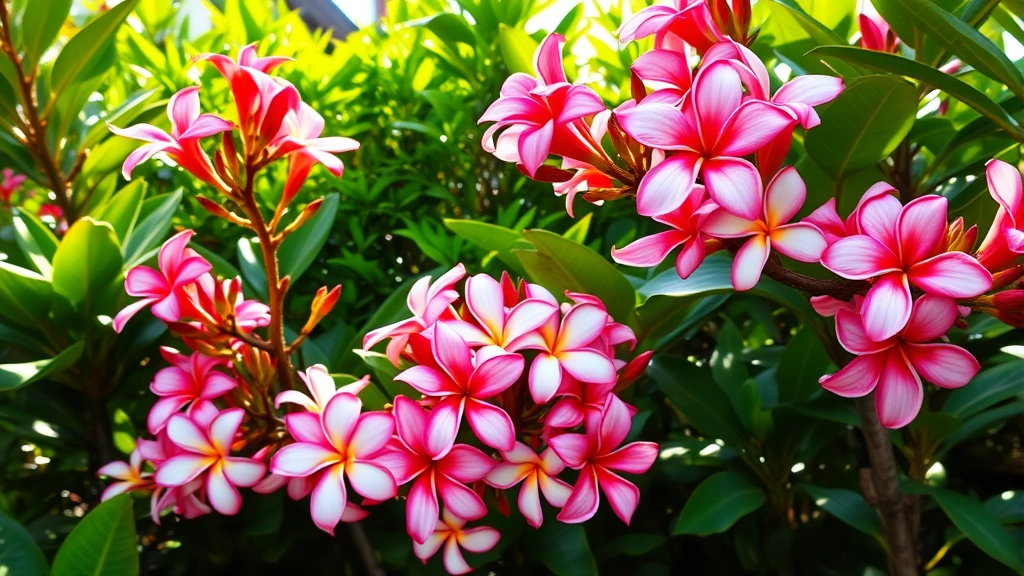
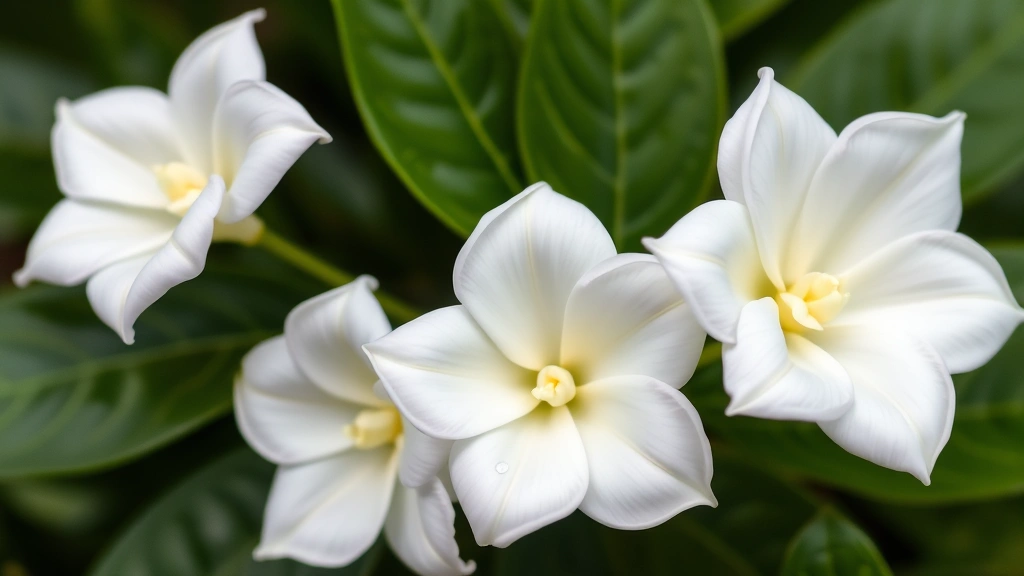
Fragrant Flowers: Plumeria (frangipani) stands as the quintessential lei flower, producing five-petaled blossoms in white, pink, yellow, and red with intoxicating fragrance. Gardenias offer creamy white flowers with sublime perfume and waxy texture perfect for formal lei. Tuberose provides heavily scented white blooms that add depth to lei arrangements. Orchids, particularly dendrobiums, contribute exotic elegance and remarkable longevity when properly conditioned.
Foliage and Secondary Materials: Ti leaves (cordyline) provide the traditional base and wrapping material for many lei styles, offering vibrant green or red coloration. Fern fronds add texture and movement, while eucalyptus leaves contribute silvery-green tones and subtle fragrance. Asparagus fern creates delicate, feathery backgrounds that complement bold flowers.
Specialty Flowers: Pikake (Arabian jasmine) produces tiny, fragrant white flowers densely packed on stems. Maile vines offer glossy green leaves and subtle vanilla fragrance used in lei-making traditions. Carnations provide color variety and exceptional durability, making them excellent for lei that need longevity. Anthurium flowers offer architectural interest with their distinctive spathe form.
When planning your lei garden, prioritize plants suited to your climate zone while researching cold-hardy alternatives for temperate regions. Many lei plants grow successfully in containers, allowing northern gardeners to move plants indoors during winter months. Consult USDA Plant Hardiness Zone information to verify growing zones for your selected species.
Site Selection and Preparation
The location of your lei garden dramatically impacts plant health and productivity. Most lei plants require abundant sunlight—ideally six to eight hours of direct sun daily—to produce abundant flowers and maintain vibrant foliage colors. However, in extremely hot climates, afternoon shade protection prevents stress and extends bloom periods.
Soil preparation is critical for lei garden success. These plants generally prefer well-draining soil enriched with organic matter. Test your soil pH and amend accordingly; most lei plants thrive in slightly acidic to neutral soil (pH 6.0-7.0). If your native soil is heavy clay, incorporate coconut coir, peat moss, and perlite to improve drainage. Poor drainage causes root rot in moisture-sensitive species like plumeria and gardenias.
Consider proximity to water sources and potential wind exposure. Lei gardens benefit from consistent moisture without waterlogging, so positioning near irrigation access simplifies maintenance. Conversely, strong winds damage delicate flowers and stress plants, so windbreaks or sheltered locations protect your investment. If you’re designing a larger lei garden space, incorporating garden stones and stepping stones creates functional pathways while adding aesthetic appeal.
Microclimate creation proves essential for gardeners in non-tropical zones. South-facing walls absorb heat, protecting tender plants from frost. Container gardening allows easy movement indoors during cold snaps. Shade cloth and row covers provide temporary protection during unexpected temperature drops.
Planting and Layout Design
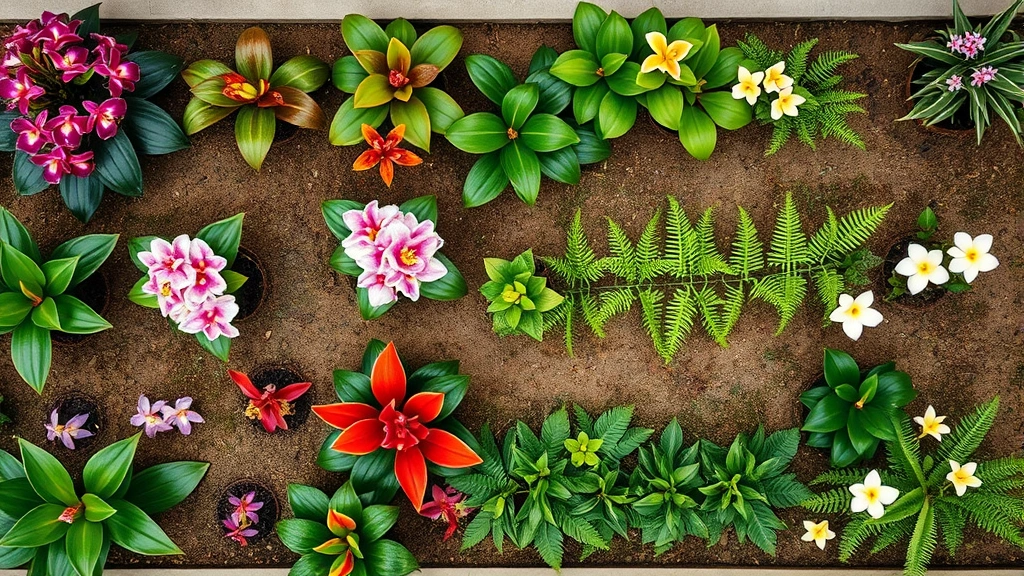
Strategic layout maximizes both plant health and harvesting efficiency. Organize your lei garden by plant type, grouping plants with similar water and sunlight requirements. Create separate zones for high-maintenance species, allowing concentrated care where needed most.
Space plants according to mature size—plumeria trees need 10-15 feet between specimens, while smaller flowering plants like pikake require 3-4 feet. This spacing prevents competition for nutrients and light while allowing adequate air circulation that reduces fungal diseases. Vertical growing using trellises and stakes maximizes space in smaller gardens; climbing vines like maile create living walls while producing abundant material for lei.
Consider seasonal bloom patterns when arranging plants. Position early bloomers (spring orchids, camellias) where they receive morning light, protecting them from afternoon heat stress. Place continuous bloomers like plumeria in prominent locations where you can monitor flowering and harvest regularly. Create focal points around specimen plants that serve as garden anchors—a mature plumeria tree or established orchid collection draws the eye while establishing garden structure.
If space is limited, container growing techniques provide flexibility for lei plants. Large containers (at least 20-30 gallons for trees) offer portability and climate control advantages. Arrange containers in clusters for visual impact while maintaining accessibility for watering and harvesting.
Year-Round Care and Maintenance
Successful lei gardens require consistent care adapted to seasonal changes and plant-specific needs. Watering represents the most critical maintenance task—most lei plants prefer evenly moist (not soggy) soil during growing seasons. During dormancy, reduce watering but never allow complete drying. Use drip irrigation or soaker hoses to deliver water directly to root zones, minimizing foliar wetness that encourages fungal infections.
Fertilization: Lei plants are moderate to heavy feeders, especially during flowering periods. Apply balanced fertilizer (10-10-10) monthly during growing seasons, switching to bloom-promoting formulas (higher phosphorus) during flowering times. Slow-release fertilizers provide consistent nutrition with minimal effort. Organic options like fish emulsion and bone meal support sustainable gardening practices while nourishing plants naturally.
Pruning and Shaping: Regular pruning encourages bushier growth and increased flower production. Remove dead wood, crossing branches, and spent flower clusters. Plumeria benefits from hard pruning in late winter to reshape plants and stimulate vigorous spring growth. Orchids require minimal pruning but benefit from removing dead flower spikes after blooming completes. Create air circulation through canopies by selectively removing interior branches.
Pest and Disease Management: Monitor plants regularly for common pests including spider mites, mealybugs, scale insects, and thrips. Spray affected plants with neem oil or insecticidal soap, repeating every 7-10 days as needed. Fungal issues like powdery mildew and root rot respond to improved air circulation, adjusted watering practices, and sulfur-based fungicides. Organic approaches using beneficial insects and cultural practices reduce chemical dependence while maintaining plant health.
For efficient garden maintenance, invest in quality tools and establish routines. A reliable garden hose simplifies watering tasks, while pruning shears, fertilizer spreaders, and spray equipment streamline regular care. Create a maintenance calendar noting fertilization dates, pruning times, and pest monitoring schedules.
Harvesting Techniques for Fresh Lei
Proper harvesting ensures maximum material quality and plant health. The best time to harvest lei flowers is early morning after dew dries but before heat stress wilts petals. Flowers harvested at peak freshness maintain appearance and fragrance throughout lei-wearing. Cut flowers with sharp, sterilized tools to prevent disease transmission and plant damage.
Flower Conditioning: After harvesting, immediately place cut flowers in clean water containing floral preservative. This extends vase life and maintains petal texture. Some lei makers condition flowers overnight in cool water before stringing, allowing maximum hydration. For orchids and other delicate varieties, gentle handling prevents bruising and maintains pristine appearance.
Foliage Harvesting: Cut ti leaves and fern fronds in the morning when turgor pressure is highest, ensuring maximum crispness. Remove only mature outer leaves, preserving younger growth for continued photosynthesis. Properly harvested foliage remains supple and attractive for several days, supporting lei longevity.
Understanding flower arranging tips and techniques improves lei-making results significantly. Learn proper stringing methods, tension control, and design principles that create balanced, visually appealing lei. Different lei styles—hili (sewn), lei poepoe (wrapped), and lei hilo (braided)—require specific material preparation and technique mastery.
Seasonal Considerations
Spring: Spring marks lei garden awakening as temperatures warm and day length increases. Increase watering as plants break dormancy and new growth emerges. Apply balanced fertilizer to fuel growth, switching to bloom-promoting formulas as flower buds develop. Orchids reach peak bloom in spring; monitor for pests that thrive in warming conditions. Prune winter-damaged branches and remove dead wood accumulated during dormancy.
Summer: Summer brings peak flowering for many lei plants, providing abundant harvesting opportunities. Maintain consistent moisture as heat stress increases water demand; container plants may need daily watering. Provide afternoon shade in extremely hot regions to prevent petal scorching and stress. Deadhead spent flowers to encourage continued blooming. Monitor for spider mites and other heat-loving pests; increase spray frequency as needed.
Fall: As temperatures cool, gradually reduce watering and fertilization. Many lei plants enter dormancy or reduced flowering in fall; adjust care accordingly. Harvest remaining flowers before frost threatens tender plants. Prepare cold-sensitive species for winter protection; move containers indoors or construct frost cloth structures. Fall is ideal for planting new additions as temperatures moderate and plants establish before winter.
Winter: Winter presents challenges in non-tropical zones but offers opportunities for rest and planning. Protect tender plants from frost using row covers, mulching, or relocation. Reduce watering significantly for dormant plants; many lei plants require drier conditions in winter. Use slower growth periods for major pruning and structural work. Plan spring additions, research new varieties, and prepare supplies for upcoming growing season.
For consistent blooming throughout seasons, stagger plantings of key flowers. Multiple plumeria trees blooming at different times ensure continuous material availability. Succession planting of annuals and perennials extends color and variety year-round.
FAQ
What’s the best climate for lei gardening?
Tropical and subtropical climates (USDA zones 9b-12) provide ideal conditions for lei plants. However, temperate gardeners successfully grow lei plants in containers moved indoors during winter or using protected microclimates. Researching cold-hardy varieties and protective techniques enables lei gardening in cooler regions.
How long before lei plants produce flowers?
Timeline varies by species. Orchids and gardenias may flower within 1-2 years. Plumeria trees typically require 2-3 years before significant flowering. Starting with mature plants or divisions accelerates flower production. Proper care, including adequate light and appropriate fertilization, hastens flowering in younger plants.
Can I grow lei plants indoors?
Yes, container-grown lei plants thrive indoors with bright, indirect light and appropriate humidity. East or south-facing windows provide ideal conditions. Supplement with grow lights if natural light is insufficient. Maintain humidity through misting, humidity trays, or grouping plants together. Indoor cultivation proves particularly valuable for gardeners in cold climates.
What’s the best soil mix for lei plants?
A well-draining mix combining equal parts potting soil, coconut coir, and perlite works excellently. Orchids prefer specialized orchid bark mixes. Adjust ratios based on your climate and watering frequency; drier climates need less perlite, while humid regions benefit from increased drainage materials. Repot annually or biannually to refresh soil and prevent nutrient depletion.
How do I prevent pests in lei gardens?
Inspect plants regularly, removing affected leaves and treating infestations promptly. Maintain good air circulation through proper spacing and pruning. Avoid overwatering, which creates fungal conditions. Use organic pest management first, resorting to chemical treatments only when necessary. Introducing beneficial insects like ladybugs and lacewings provides natural pest control.
When should I harvest flowers for lei?
Harvest in early morning after dew dries but before heat stress. Pick flowers at peak bloom when petals are fully open and fragrance is strongest. Avoid harvesting during extreme heat or when plants appear stressed. Regular harvesting actually encourages more flower production by preventing seed set.


