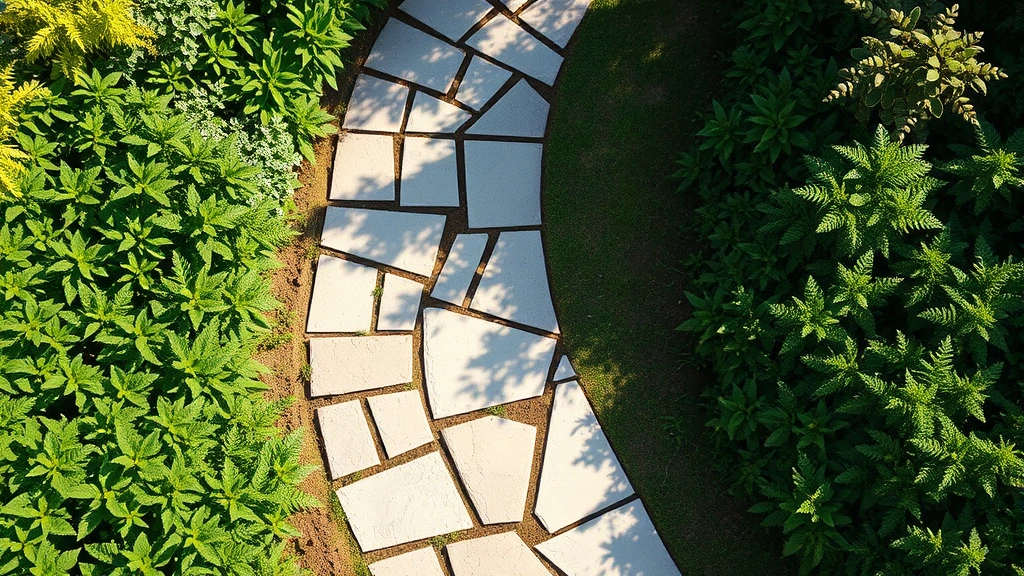
Garden stones are far more than decorative elements—they’re the foundation of thoughtful landscape design that balances aesthetics with functionality. Whether you’re creating pathways, building raised beds, or establishing focal points, the right selection and placement of garden stones can transform your outdoor space into a cohesive, inviting landscape. Professional landscape designers understand that stones serve multiple purposes: they define spaces, improve drainage, reduce maintenance, and create visual interest throughout the seasons.
The key to mastering garden stone design lies in understanding stone types, their properties, and how they interact with your existing garden environment. From natural flagstone to crushed granite, each material offers distinct advantages and aesthetic qualities. This comprehensive guide will walk you through professional tips for selecting, placing, and maintaining garden stones to create a landscape that’s both beautiful and practical.
Choosing the Right Garden Stones
Selecting appropriate garden stones begins with assessing your landscape’s existing character and your design goals. Consider the architectural style of your home, your climate zone, and the overall color palette you want to establish. Native stones often work best because they harmonize with local soil and vegetation, creating a sense of place that feels authentic and grounded.
The most successful landscape designers start by examining what stones naturally occur in their region. This approach provides several advantages: local materials are typically more affordable due to reduced transportation costs, they weather in ways that complement native plants, and they contribute to regional ecological compatibility. If you’re working with cedar raised garden beds, choosing complementary stone materials will create visual unity throughout your garden space.
Think about the size and scale of your stones relative to your garden area. Large, dramatic stones work well in expansive landscapes but can overwhelm small urban gardens. Conversely, tiny pea gravel might get lost in a sprawling yard. The proportion between stone size and garden dimensions creates visual balance that either harmonizes or disrupts your overall design.
Texture and color are equally important considerations. Rough, weathered stones suggest a naturalistic, cottage-style aesthetic, while smooth, uniform stones convey modern minimalism. Warm-toned stones (reds, oranges, yellows) create welcoming, energetic spaces, while cool tones (blues, grays, purples) suggest calm and sophistication. Your stone choice should reflect the mood you want your garden to evoke.
Popular Stone Types and Their Uses
Flagstone represents one of the most versatile and popular choices for landscape designers. These flat, naturally layered stones create elegant walkways and patios with minimal cutting. Flagstone comes in various colors depending on the source—slate offers deep grays and purples, while sandstone provides warm earth tones. The irregular edges of natural flagstone create organic, flowing designs that feel less formal than cut stone.
Granite offers exceptional durability and comes in virtually every color imaginable. Crushed granite works beautifully as a pathway material or decorative mulch, while larger granite boulders create dramatic focal points. Granite’s crystalline structure means it ages gracefully, developing a subtle patina that enhances its visual interest over time. This stone particularly complements modern and contemporary garden designs.
Limestone provides a softer aesthetic with its pale, chalky appearance. Though slightly less durable than granite, limestone develops beautiful weathering patterns that add character. It’s excellent for creating rustic pathways and works wonderfully in Mediterranean-inspired landscapes. Limestone also tends to be more budget-friendly than granite or slate.
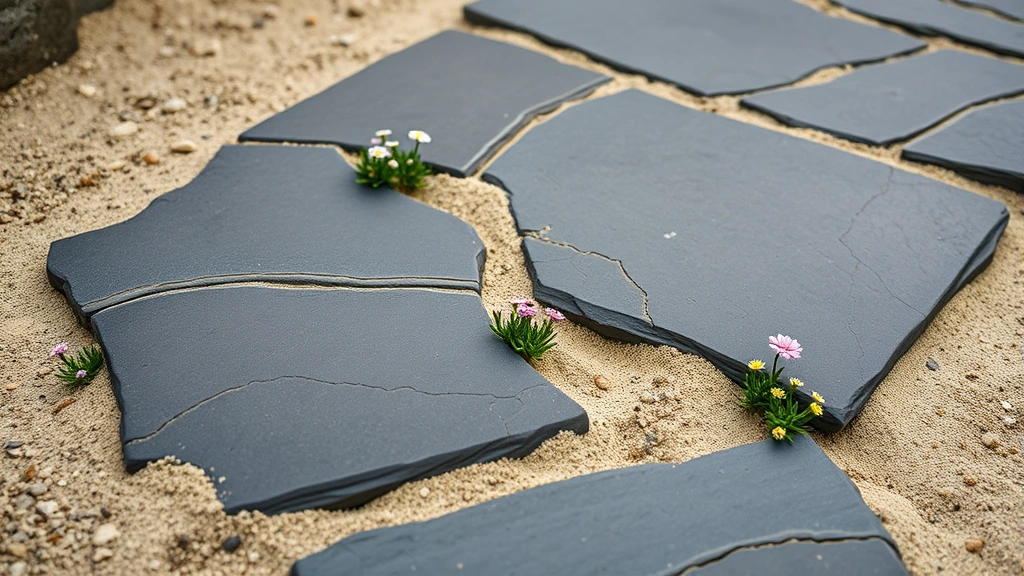
Slate brings sophisticated elegance to any garden. Its natural cleft surface provides excellent traction while creating visual texture. Slate ranges from deep charcoal to silvery gray, and some varieties include subtle purple or green undertones. Slate’s fine grain and smooth finish make it ideal for formal garden designs where precision and polish matter.
River rocks and pebbles serve decorative and functional purposes. Smooth, rounded river stones create visually interesting dry creek beds, while decorative pebbles can accent planting areas and improve drainage. These materials work especially well in Japanese-inspired gardens and contemporary designs. When using pebbles around plants, remember that lighter colors reflect heat, potentially stressing heat-sensitive species.
Crushed stone and gravel provide economical solutions for large areas. These materials offer excellent drainage properties, making them ideal for pathways in wet climates. Crushed limestone, granite, and marble chips each offer distinct aesthetic qualities. The downside is that loose materials require regular raking and replacement as they migrate and compact.
Design Principles for Stone Placement
Professional landscape designers follow specific principles when placing garden stones. Balance is fundamental—whether you’re creating symmetrical formal gardens or asymmetrical naturalistic spaces, visual weight should feel distributed intentionally. A single large boulder positioned asymmetrically can balance multiple smaller stones placed on the opposite side.
Rhythm and repetition create cohesion throughout your landscape. Repeating the same stone type at intervals guides the eye through your garden and creates a sense of intentional design. This principle works beautifully when establishing pathways or creating sequential planting beds.
Contrast generates visual interest and prevents monotony. Placing smooth stones beside rough textures, combining cool tones with warm hues, or mixing stone sizes creates dynamic compositions. However, contrast should feel purposeful rather than chaotic—too many competing elements overwhelm the eye.
Scale and proportion determine whether your stone features feel integrated or intrusive. A massive boulder in a tiny courtyard creates tension, while oversized paving stones in a large garden might feel underwhelming. The relationship between stone size and surrounding plants and structures should feel harmonious.
Color harmony ties your garden together visually. Choose stone colors that complement your home’s exterior, existing hardscaping, and predominant plant colors. If you’re growing herbs in your garden, consider how their foliage tones will interact with your stone choices across seasons.
Creating Functional Pathways
Garden pathways serve both practical and aesthetic functions. They guide visitors through your landscape, protect plants from foot traffic, and create opportunities for design expression. The most successful pathways balance beauty with functionality, encouraging movement while remaining safe and easy to navigate.
When designing pathways, consider the desired walking experience. Wide, straight paths suggest formality and efficiency, while narrow, winding paths create mystery and encourage slower exploration. Path width matters practically—main pathways should accommodate two people walking side-by-side (typically 4-5 feet), while secondary paths can be narrower (2-3 feet).
Flagstone creates elegant, low-maintenance pathways that work in virtually any style. Install flagstones with slight gaps between them, allowing groundcovers or moss to grow between stones naturally. This approach softens the hardscape while maintaining a clear walking surface. Joint material—whether sand, gravel, or creeping plants—significantly impacts the pathway’s appearance and feel.
Stepping stones offer a more minimalist approach, particularly effective in naturalistic gardens or when you want to preserve planting space. Space stepping stones so that an average person’s stride naturally lands on each stone—typically 18-24 inches apart. This creates an intuitive walking rhythm that feels comfortable and intentional.
Crushed stone and gravel pathways provide budget-friendly options with excellent drainage properties. Edge these pathways clearly with stone borders or metal edging to prevent materials from migrating into adjacent planting areas. These materials require regular maintenance but offer flexibility for curved designs and easy installation.
Stone Borders and Edging
Stone borders define garden spaces, separate materials, and create visual boundaries without fencing. Edging stones transition between different elements—where lawn meets planting beds, where pathways meet gravel, or where gardens meet hardscape areas. Well-executed edging makes your entire landscape appear more intentional and professionally designed.
Low stone borders (6-12 inches high) work beautifully around raised planting areas and define perimeter edges. These borders prevent soil migration, protect plants from foot traffic, and create clean visual lines. When building raised garden beds, incorporating stone borders adds durability and visual interest.
Taller stone walls (18+ inches) become architectural features that create significant visual impact. These structures require proper foundation and construction to ensure stability and prevent collapse. Dry-stacked stone walls (built without mortar) work wonderfully in naturalistic gardens and allow for planting opportunities in wall crevices.
Stone edging around planting beds creates clear delineation between lawn and garden. This prevents grass from encroaching into planting areas and reduces edging maintenance. Choose edging that complements your pathways and overall design aesthetic—mismatched edging materials create visual confusion.
Consider how stone borders interact with adjacent planting. Lighter-colored stones create contrast that makes dark foliage plants pop, while darker stones provide visual weight that balances tall, airy plants. The color relationship between edging and surrounding plants significantly impacts your garden’s overall appearance.
Installation and Maintenance
Proper stone installation ensures longevity and maintains visual appeal throughout seasons. Begin by preparing a solid foundation—compacted soil, sand, or gravel base prevents settling and ensures even surfaces. Inadequate base preparation is the primary cause of uneven pathways and failed installations.
When installing flagstone or paving stones, work on a 2-4 inch sand base, depending on climate and drainage conditions. Lay stones level and secure them by tapping gently with a rubber mallet. Fill joints with sand, fine gravel, or polymeric sand that hardens when moistened. Polymeric sand reduces weed growth and material migration but costs more than traditional sand.
Stone borders require slightly different installation approaches. For low borders, dig a trench slightly deeper than the stone height and set stones firmly, backfilling with soil on the garden side. This prevents settling and creates a clean line. Taller walls benefit from professional installation if you’re uncomfortable with structural considerations.
Maintenance varies by stone type and installation method. Flagstone and slate pathways require occasional weeding between joints and rinsing to remove debris and algae growth. Sealed stones resist staining and weather better but require periodic resealing. Crushed stone pathways need raking to redistribute material and occasional fresh additions to maintain depth.
Seasonal considerations affect stone maintenance. In cold climates, freeze-thaw cycles can damage certain stones, particularly those prone to water absorption. Choose freeze-resistant materials or seal porous stones before winter. In wet climates, algae and moss growth is common—while many gardeners enjoy this weathered aesthetic, you can remove growth with gentle pressure washing if desired.
Stone color changes over time as materials weather and patinas develop. This aging process contributes to character and beauty in most cases. New stone often appears harsh and bright; allowing it to weather naturally for a season or two creates more harmonious integration with your landscape.
When growing vegetables in your garden, consider how stone pathways and borders facilitate access for watering, weeding, and harvesting. Functional pathways between planting areas reduce plant damage from foot traffic and make garden maintenance more enjoyable.
If you’re interested in growing specific crops like pumpkins or cucumbers in containers, stone borders and edging help define growing areas and create visual separation between vegetable and ornamental spaces. Stone pathways provide clear access routes for harvesting and daily care.
Enhance your garden’s overall appeal by coordinating stones with decorative garden elements. Stone complements metal sculptures, wooden benches, and water features beautifully. The interplay between different materials creates sophisticated, layered landscapes that engage viewers visually and emotionally.

FAQ
What’s the best stone for high-traffic pathways?
Granite and slate are excellent choices for high-traffic areas due to their exceptional durability and slip resistance. Flagstone also performs well if installed on a solid base. Avoid softer stones like limestone in areas with heavy foot traffic, as they wear unevenly and develop depressions over time.
How do I prevent weeds from growing between pathway stones?
Use polymeric sand in joints—it hardens when moistened and significantly reduces weed germination. For existing pathways, regularly remove weeds when small, apply natural herbicide solutions, or consider installing landscape fabric beneath stones during installation. Dense planting of groundcovers between stones naturally suppresses weeds.
Can I install stone pathways on uneven ground?
You can, but it requires proper preparation. Excavate high spots and fill low areas to create a relatively level base. Compact the soil thoroughly before adding sand or gravel base material. Uneven ground installation typically requires thicker base materials and more careful leveling to prevent settling and tripping hazards.
What stone type works best for informal, cottage-style gardens?
Irregular flagstone with irregular edges, natural slate with weathered surfaces, and river rocks create perfect cottage aesthetics. Mix stone sizes and colors slightly for organic, lived-in appearance. Moss and weathered patinas are features rather than problems in cottage designs—embrace the aging process.
How often should I seal my stone pathways?
Sealing frequency depends on stone type and climate. Porous stones like sandstone and limestone benefit from sealing every 2-3 years. Granite and slate are denser and require less frequent sealing—every 3-5 years. Sealed stones resist staining better and weather more gradually. Always use sealers appropriate for your specific stone type.
Can stone borders prevent grass encroachment into planting beds?
Yes, properly installed stone borders effectively prevent grass from creeping into beds. Bury borders slightly below grade on the lawn side to create a physical barrier. Maintain clear space between border and soil to prevent grass from bridging over the stone. Regular edging maintenance keeps borders functioning effectively.


