Weather in Garden City: Local Insights for Gardeners
Understanding the weather patterns in Garden City is essential for any gardener looking to cultivate a thriving landscape. Whether you’re planning your first vegetable patch or maintaining established perennial beds, local climate conditions directly influence planting schedules, watering needs, and overall garden success. Garden City’s unique microclimate presents both challenges and opportunities for green thumbs of all experience levels.
Garden City experiences a semi-arid climate with distinct seasonal variations that shape the gardening calendar. The region’s weather patterns include warm summers, cold winters, and moderate precipitation throughout the year. By understanding these local conditions, you can make informed decisions about which plants thrive best, when to plant, and how to protect your garden from seasonal extremes. This comprehensive guide explores Garden City’s weather patterns and provides practical gardening recommendations tailored to your local climate.
Seasonal Weather Overview
Garden City’s climate follows a predictable seasonal pattern that gardeners can leverage for maximum productivity. The region typically experiences average annual temperatures ranging from lows near 20°F in winter to highs around 85°F in summer. Annual precipitation averages between 15-20 inches, making water conservation a critical consideration for local gardeners.
Spring arrives gradually, with temperatures warming from March through May. April frosts remain common, so timing your plantings requires attention to local frost dates. Summer brings intense heat and lower humidity, creating drought stress for many traditional plants. Fall provides a brief respite with moderate temperatures ideal for planting cool-season crops. Winter cold can reach below zero, demanding protective measures for tender perennials and sensitive shrubs.
The transition between seasons in Garden City can be abrupt, particularly from spring to summer. This rapid temperature increase stresses plants that haven’t fully hardened off. Understanding these transitions helps you prepare appropriate protection and adjust watering schedules accordingly. Local Oregon State University Extension Services provides detailed frost date information and seasonal gardening calendars specific to your area.
Spring Gardening Considerations
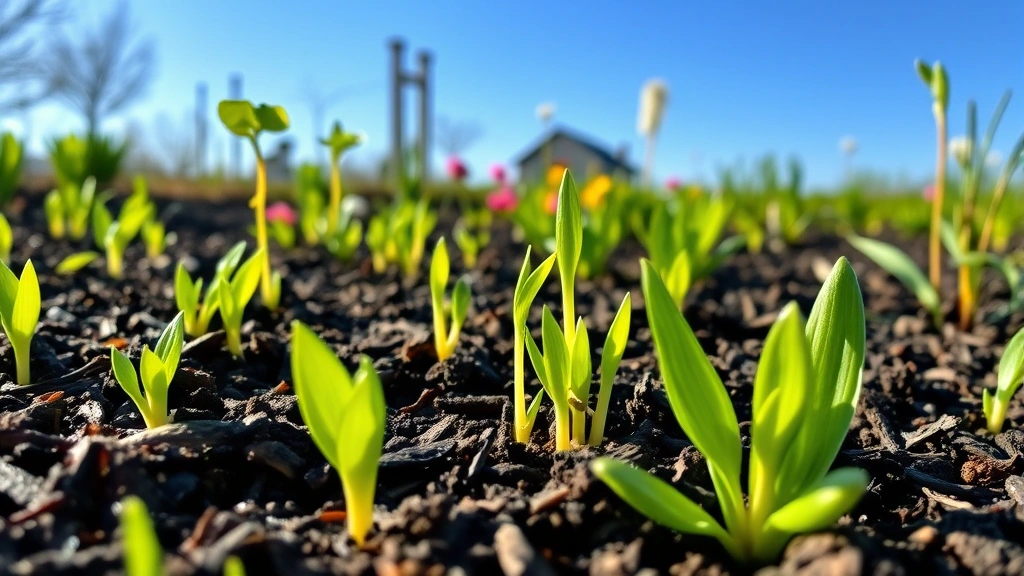
Spring in Garden City typically begins in late March, though unpredictable weather patterns characterize this season. The last frost date usually falls between May 10-15, marking when it’s generally safe to plant tender annuals and vegetables outdoors. However, experienced local gardeners often wait until late May to avoid unexpected cold snaps that can devastate young plants.
Spring moisture is often abundant, providing natural irrigation for newly planted seeds and transplants. This is an excellent time to start your gardening tips for beginners journey, as conditions favor germination and early growth. Prepare beds by incorporating compost and organic matter while soil moisture levels support good workability. Spring winds can be intense, so consider wind protection for tall or delicate plants.
Begin hardening off seedlings started indoors by gradually exposing them to outdoor conditions over 7-10 days. Start with 2-3 hours of indirect sunlight, gradually increasing exposure. This acclimatization process prevents transplant shock when Garden City’s spring weather fluctuates between mild days and cool nights. Monitor nighttime temperatures closely, and delay planting if frost threatens.
Spring is ideal for establishing perennials that benefit from the season’s natural moisture. Plant trees and shrubs early in spring to allow root establishment before summer heat arrives. Consider creating an herb garden during spring, as many culinary herbs thrive when planted in cool weather with adequate moisture for root development.
Summer Heat and Drought Management
Summer arrives with intensity in Garden City, typically from June through August. Temperatures regularly exceed 80°F, with occasional peaks above 90°F. More challenging than heat, however, is the dramatic decrease in precipitation. Summer months receive minimal rainfall, requiring consistent irrigation to maintain garden productivity.
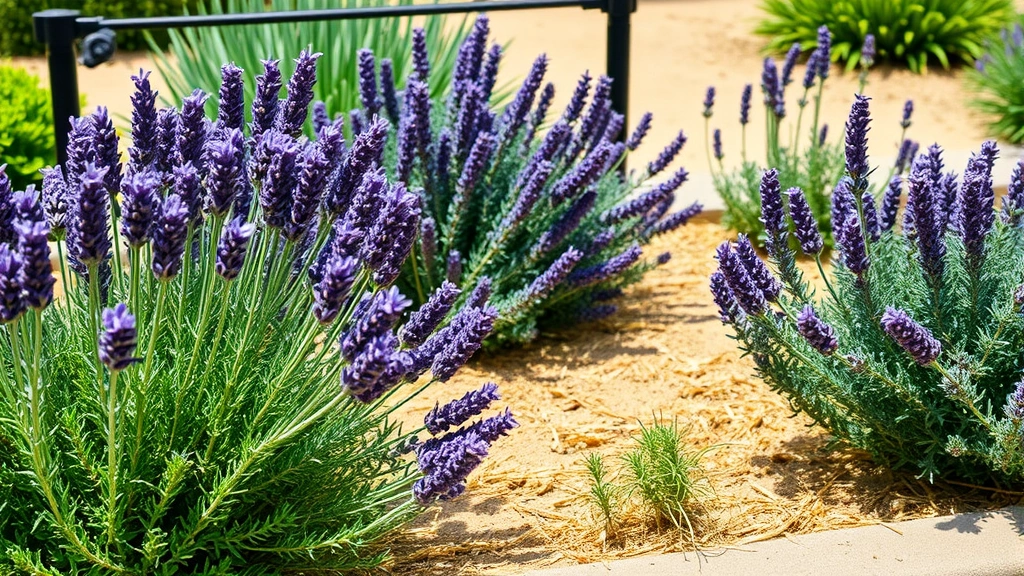
Heat stress affects many plants during this period. Shallow-rooted vegetables like lettuce and spinach struggle in intense heat, while deep-rooted perennials like lavender and Russian sage thrive. Mulching becomes critical during summer months, as it moderates soil temperature, conserves moisture, and reduces irrigation frequency. Apply 2-3 inches of organic mulch around plants, keeping it several inches away from plant stems to prevent rot.
Watering strategy shifts dramatically in summer. Early morning irrigation is essential, allowing plants to hydrate before heat peaks and reducing disease pressure. Water deeply and infrequently rather than light daily sprinkles, promoting deeper root growth. Consider drip irrigation systems that deliver water directly to root zones while minimizing evaporation. A soaker hose or drip line is far more efficient than overhead sprinklers in Garden City’s dry climate.
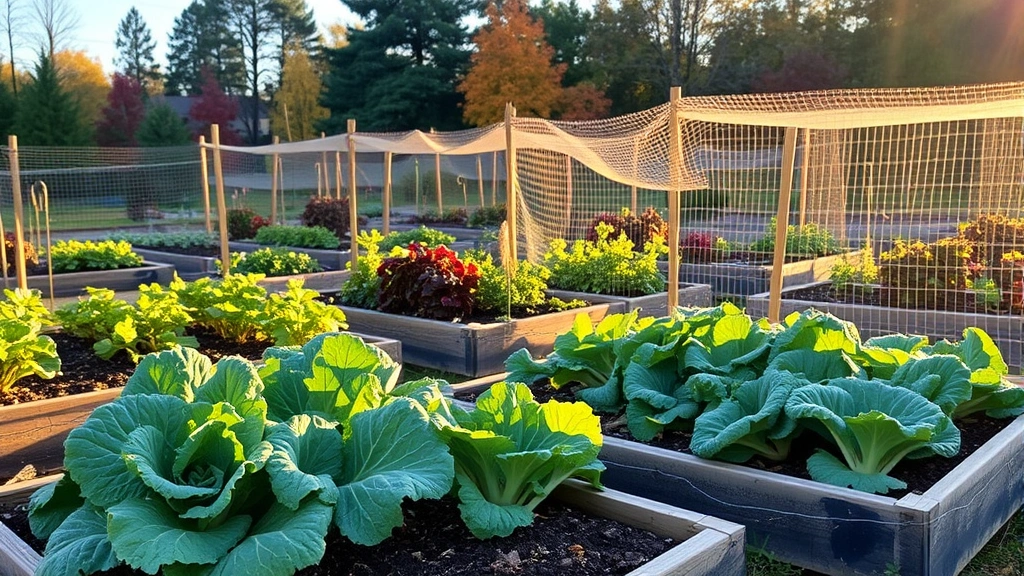
Summer is also prime time for pests and diseases. Stressed plants attract insects, and warm temperatures accelerate pest reproduction cycles. Monitor plants regularly for signs of infestation. Implement garden netting strategies to protect vegetables from flying insects. Prune lower foliage to improve air circulation and reduce fungal disease pressure. Deadhead flowers regularly to encourage continued blooming despite heat stress.
Fall Planting and Preparation
Fall is arguably the best season for gardening in Garden City. Beginning in late August through September, temperatures moderate to comfortable ranges while moisture becomes more available. This season provides ideal conditions for establishing new plants with minimal stress.
September marks the perfect time to plant cool-season vegetables including lettuce, kale, broccoli, and root crops. These crops mature as temperatures cool, producing superior flavor compared to spring-planted varieties. The natural moisture of fall reduces irrigation needs while temperatures support vigorous growth. Plant transplants rather than seeds to ensure maturity before winter cold arrives.
Fall is also excellent for planting trees, shrubs, and perennials. The cooling temperatures and increasing moisture allow roots to establish before winter dormancy. This creates stronger plants that handle summer stress better in subsequent years. Divide and transplant perennials in early fall, giving them time to root before winter.
Prepare garden beds for winter by incorporating compost and aged manure. This enriches soil while allowing organic matter time to break down and integrate before spring planting. Consider planting a cover crop like winter rye or clover to protect soil, prevent erosion, and add nitrogen through spring decomposition. Fall cleanup removes disease sources and pest habitat, reducing problems in the coming year.
Winter Protection Strategies
Winter in Garden City brings freezing temperatures and occasional snow, demanding protective measures for tender plants. The average low temperature during December and January drops near 20°F, with occasional extreme cold reaching below zero. This extended cold period challenges gardeners maintaining perennials and shrubs with borderline hardiness.
Mulch provides crucial insulation for plant roots and crowns. Apply 3-4 inches of organic mulch around perennials after the first hard freeze, protecting roots from temperature fluctuations that can cause frost heave and plant damage. Remove mulch gradually in spring as temperatures warm, preventing disease and rot.
Tender perennials and tropical plants require different protection. Consider moving container plants to sheltered locations against south-facing walls or into unheated garages. Wrap evergreen shrubs with burlap to protect branches from heavy snow and ice damage. Prune dead or damaged branches in late winter once the harshest cold has passed.
Winter is an excellent time for planning and maintenance. Review the previous year’s garden performance, sketch new bed designs, and order seeds early. Maintain tools, repair trellises and raised beds, and prepare for spring projects. Prune climbing roses and other dormant plants while leafless, making structural issues visible and ensuring strong framework development.
Best Plants for Garden City Climate
Success in Garden City gardening begins with selecting plants naturally suited to local conditions. Native plants and climate-adapted varieties thrive with minimal supplemental care while supporting local ecosystems.
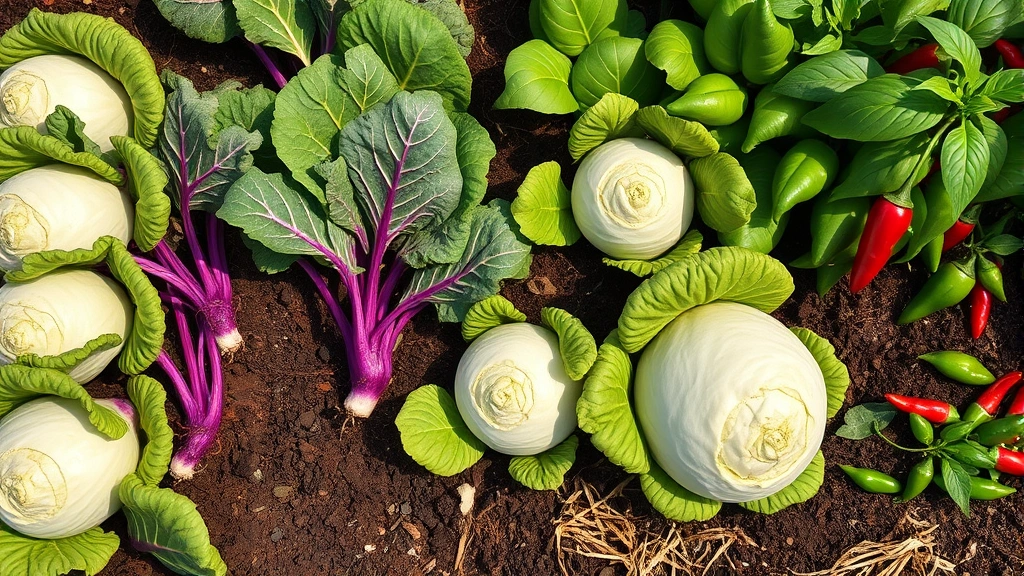
Vegetables and Herbs: Choose heat-tolerant vegetables for summer including tomatoes, peppers, squash, and beans. Cool-season crops like lettuce, kale, and root vegetables excel in spring and fall. Herbs particularly well-suited to Garden City include sage, thyme, oregano, lavender, and rosemary. These Mediterranean herbs tolerate heat and drought once established. Visit our herb garden guide for detailed growing information.
Perennials: Drought-tolerant perennials thrive in Garden City’s climate. Consider coneflowers, black-eyed Susans, blanket flowers, daylilies, and ornamental grasses. These plants develop deep root systems, access subsurface moisture, and require minimal supplemental water once established. Sedums and other succulents are exceptionally well-suited to local conditions, requiring little water or maintenance.
Shrubs and Trees: Select drought-tolerant woody plants including serviceberry, chokecherry, crabapple, and hawthorn. Evergreen options include juniper varieties, mugo pine, and dwarf spruce. These plants tolerate extreme temperatures while providing year-round structure and seasonal interest.
Climbing Plants: For vertical interest and shade, consider drought-tolerant vines like clematis and climbing roses. Our guide on how to prune climbing roses provides detailed care information for these beautiful plants.
Water Management Techniques
Water conservation is essential in Garden City’s semi-arid climate. Implementing efficient irrigation strategies reduces utility costs while supporting environmental sustainability.
Soil Improvement: Incorporate compost and organic matter into beds before planting. Organic matter increases soil water-holding capacity, reducing irrigation frequency. Well-amended soil supports deeper root growth, allowing plants to access subsurface moisture during drought periods.
Mulching: Apply 2-3 inches of organic mulch around plants, conserving soil moisture and moderating temperature. Mulch reduces evaporation by up to 50%, dramatically lowering irrigation requirements. As mulch decomposes, it continues improving soil structure and water retention.
Drip Irrigation: Install drip lines or soaker hoses for efficient water delivery. These systems deliver water directly to root zones, minimizing evaporation and runoff. Drip irrigation typically uses 30-50% less water than overhead sprinklers while providing superior plant health.
Raised Beds: Consider building a cement block raised bed garden for vegetables and herbs. Raised beds warm earlier in spring, support better drainage, and reduce water loss compared to in-ground planting. You control soil composition, ensuring optimal moisture retention and nutrient availability.
Grouping Plants: Group plants with similar water requirements together, creating hydrozones. This allows targeted irrigation based on actual plant needs rather than watering entire landscapes uniformly. Drought-tolerant plants require less frequent water than vegetables and annual flowers.
Timing: Water early morning or late evening to minimize evaporation. Avoid midday watering when intense heat causes significant water loss before plants can absorb it. Water deeply but infrequently, promoting deeper root growth and drought tolerance.
FAQ
What is the last frost date in Garden City?
The average last frost date in Garden City falls between May 10-15. However, late frosts can occur into late May. Conservative gardeners often wait until late May to plant tender annuals and tropical plants. Check with your local Almanac frost date calculator for precise dates specific to your location.
How much water do gardens need in Garden City?
Most gardens require 1-1.5 inches of water weekly during growing season, accounting for rainfall and irrigation combined. During dry summers, you may need to irrigate 2-3 times weekly depending on soil type and plant selection. Mulched gardens require significantly less supplemental water than unmulched beds.
Which vegetables grow best in Garden City’s climate?
Cool-season crops including lettuce, kale, broccoli, peas, and root vegetables thrive in spring and fall. Summer vegetables like tomatoes, peppers, squash, beans, and cucumbers perform well during the warm season. Start with gardening tips for beginners focusing on these proven varieties.
How should I protect plants from winter cold?
Apply 3-4 inches of mulch around perennials after the first hard freeze. Wrap tender evergreens with burlap. Move container plants to sheltered locations. Select cold-hardy varieties suited to USDA zone ratings for Garden City. Avoid fertilizing in late summer, which stimulates tender new growth vulnerable to frost damage.
What’s the best time to plant trees and shrubs in Garden City?
Fall (September-October) is ideal for planting, allowing root establishment before winter dormancy. Spring planting (April-May) is also acceptable but requires more careful watering during the hot growing season. Avoid summer planting when heat stress compromises establishment.
Should I use overhead sprinklers or drip irrigation?
Drip irrigation is far superior for Garden City’s climate. It delivers water directly to roots, reducing evaporation by 30-50% compared to overhead sprinklers. Drip systems also reduce fungal disease pressure by keeping foliage dry. While initial installation costs more, water savings and improved plant health justify the investment.
Can I grow tropical plants in Garden City?
Tropical plants require containers and winter protection in Garden City. Move plants indoors or to sheltered locations before freezing temperatures arrive. Some tender perennials like hibiscus and lantana survive mild winters if heavily mulched and protected from wind. Most tropical plants are best treated as annuals or seasonal container displays.
What resources provide local gardening information?
Contact your local University Cooperative Extension office for region-specific gardening advice. Visit the American Horticultural Society for climate-adapted plant recommendations. The USDA Plant Hardiness Zone Map helps identify cold-hardy plants suitable for your area.