Are Moles Good for Gardens? Expert Insight Here
Moles are one of the most misunderstood creatures in gardening, often vilified for the unsightly tunnels and mounds they create across lawns and garden beds. However, the reality of whether moles are beneficial or detrimental to your garden is far more nuanced than popular opinion suggests. These small, burrowing mammals play complex roles in soil ecosystems that can be both advantageous and problematic depending on your garden’s specific needs and the mole population density.
Understanding what moles actually do in a garden requires examining their behavior, dietary habits, and impact on soil structure. Rather than viewing them as purely pests to eliminate, experienced gardeners recognize that moles can offer genuine benefits while also requiring management strategies to prevent excessive damage to plants and hardscaping elements.
What Moles Do in Garden Ecosystems
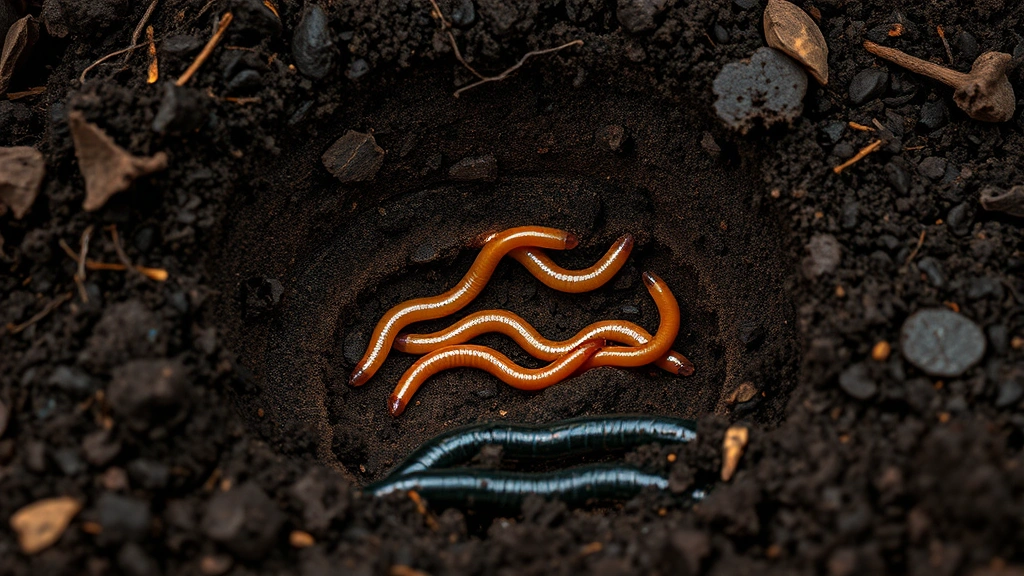
Moles are insectivorous mammals that spend approximately 95% of their time underground, creating extensive tunnel networks as they hunt for invertebrate prey. A single mole can consume up to 80% of its body weight daily in earthworms, grubs, and larvae. This constant tunneling and feeding activity fundamentally alters soil composition and structure, creating both opportunities and challenges for gardeners.
The primary function moles serve is aerating soil through their burrowing activities. As they excavate tunnels searching for food, they naturally loosen compacted earth, which improves water infiltration, root penetration, and gas exchange in the soil profile. This aerating effect can be particularly beneficial in heavy clay soils or areas with poor drainage. The tunnel networks created by moles function similarly to the channels created by manual garden tools, breaking up dense soil and improving overall soil health.
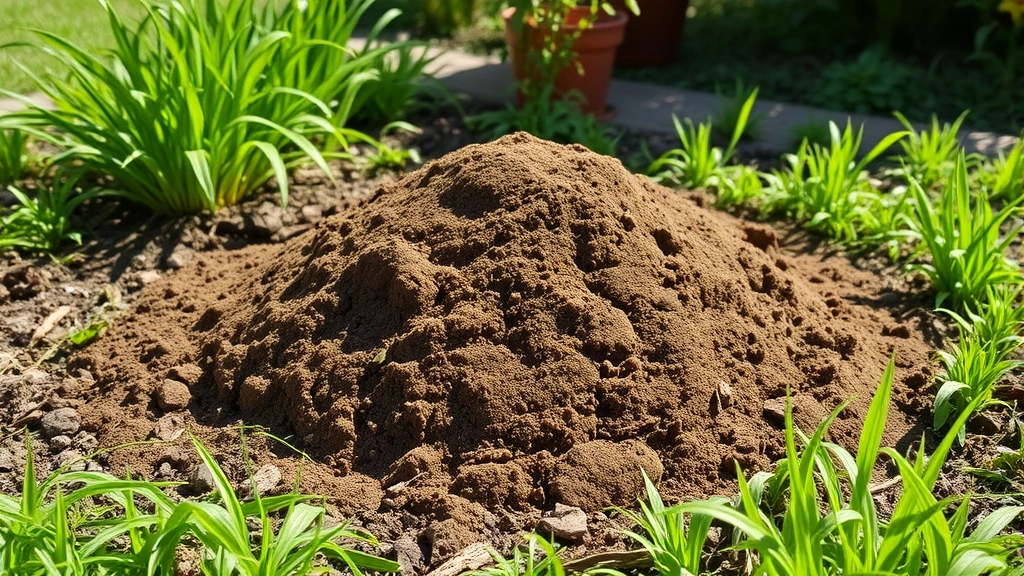
Additionally, mole activity brings deeper soil layers to the surface, which can introduce fresh minerals and nutrients to the upper soil horizons where plant roots primarily feed. This vertical mixing of soil strata can enhance nutrient availability for established plants and improve conditions for new plantings. The mounded soil created by moles, while aesthetically unpleasing to many homeowners, represents nutrient-rich earth from beneath the surface.
The Benefits Moles Provide
One of the most significant benefits moles offer is natural pest control. By consuming massive quantities of grubs, particularly Japanese beetle larvae and other harmful insects, moles help regulate populations of serious garden pests. A single mole can eliminate hundreds of grubs from a garden bed, reducing the need for chemical pesticides and supporting organic gardening practices. For gardeners committed to sustainable pest management, moles represent a natural biological control agent.
The soil aeration benefits cannot be overstated, especially for gardeners working with challenging soil conditions. Compacted lawns and garden beds that suffer from poor drainage benefit tremendously from mole tunneling. This improved soil structure promotes healthier root development, better nutrient uptake, and enhanced water movement through the soil profile. Gardeners establishing raised garden beds on previously compacted ground often find that mole activity has already begun the necessary soil conditioning process.
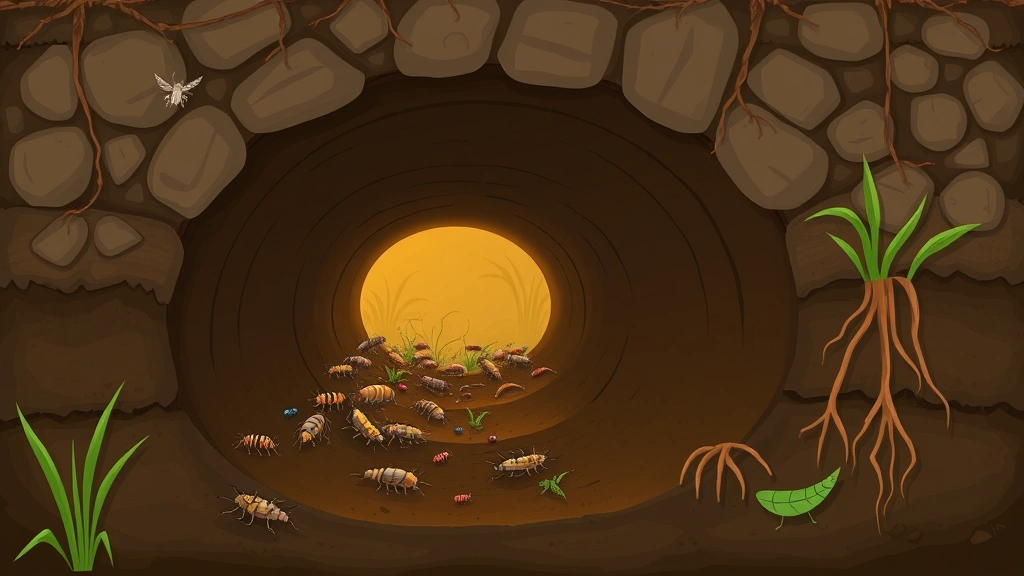
Moles also contribute to the natural decomposition and nutrient cycling processes in garden ecosystems. Their tunnels create pathways for beneficial soil organisms, fungi, and microorganisms that are essential for breaking down organic matter and making nutrients available to plants. This underground activity supports the complex web of soil life that distinguishes healthy, productive gardens from sterile, chemically-dependent growing spaces.
Furthermore, mole presence indicates a healthy, biologically active garden environment. Gardens with established mole populations typically have abundant earthworms, insects, and other invertebrates that form the foundation of a thriving ecosystem. This biodiversity supports above-ground wildlife including birds and beneficial insects that provide additional pest control and pollination services.
Documented Drawbacks and Damage
Despite their ecological benefits, moles create visible damage that concerns many gardeners and homeowners. The most obvious problem is the creation of unsightly mounds and ridges across lawns and garden beds. These mole hills, while composed of nutrient-rich soil, disrupt the aesthetic appearance of carefully maintained landscapes and can create tripping hazards on pathways.
Mole tunnels can destabilize soil under hardscape features, potentially causing settling and damage to garden stones, pavers, and pathways. The subsurface tunneling can create voids that collapse under the weight of structures or foot traffic, requiring costly repairs. This is particularly problematic in formal garden designs where precise grading and level surfaces are essential to the overall aesthetic.
In some cases, mole activity can indirectly damage plants by creating air pockets around root systems, potentially exposing roots to drying conditions or causing plants to heave during freeze-thaw cycles. Additionally, while moles themselves don’t eat plants, the tunnels they create can be exploited by voles and other rodents that do consume plant roots, bark, and bulbs. This secondary pest problem can be more destructive than the mole activity itself.
High mole populations can also create excessive soil disturbance, making it difficult to establish new plantings or maintain consistent soil moisture levels. In areas with very active mole populations, the constant tunneling can create an unstable growing environment that frustrates gardening efforts.
Mole Activity by Season
Understanding seasonal mole behavior helps gardeners anticipate and manage activity patterns throughout the year. Mole activity typically increases in spring and fall when soil moisture is optimal and insect populations are abundant. During these seasons, moles tunnel more actively and create more visible mounds as they expand their networks and hunt for breeding season food.
Summer mole activity often decreases as soil becomes drier and harder to tunnel through. Moles move deeper into the soil seeking moisture and the earthworms that concentrate in deeper, wetter soil layers. This seasonal retreat can provide temporary relief from surface mounding, though tunnels remain active below ground.
Winter mole activity varies by climate. In cold regions, moles move to deeper soil layers below the frost line, creating less surface disturbance. In milder climates, winter tunneling continues as soil temperatures remain above freezing and invertebrate populations remain active in the soil.
Gardeners can use this seasonal knowledge to plan interventions strategically. Managing mole populations or installing barriers before spring activity begins can be more effective than reactive approaches during peak tunneling seasons. Similarly, understanding that fall represents another activity peak helps with garden planning and protective measures.
Managing Mole Populations Responsibly
For gardeners deciding to manage mole populations, several humane and effective strategies exist. Physical barriers represent one of the most effective long-term solutions. Installing underground fencing or mesh barriers around garden beds and vulnerable plantings prevents mole access while allowing water and air to penetrate the soil. These barriers should extend at least 6-12 inches below the surface to block tunneling moles effectively.
Trapping represents another management option, though it requires proper technique and timing. Live traps allow for relocation of individual moles to appropriate habitat away from gardens. This approach is particularly useful for managing small populations or isolated problem individuals. Multiple traps placed in active tunnels during peak activity seasons yield the best results.
Exclusion techniques focus on making your garden less attractive to moles by reducing their food sources. While complete grub elimination is impractical, reducing excessive insect populations through targeted pest management can make an area less appealing to moles. However, this approach requires accepting some level of mole presence since complete insect elimination is neither possible nor desirable.
Natural deterrents including castor oil-based products, plant-based repellents, and ultrasonic devices offer mixed results in scientific studies. While some gardeners report success with these products, their effectiveness is not universally consistent. They may provide temporary relief but rarely provide permanent solutions to established mole populations.
Poison baits and toxic control methods are available but should be considered carefully due to potential impacts on non-target wildlife and environmental persistence. If choosing chemical control, consult local agricultural extension services for recommendations specific to your region and situation.
Protecting Specific Garden Areas
Rather than attempting complete mole elimination, many experienced gardeners adopt targeted protection strategies for vulnerable plantings. Young delicate garden features and newly established plants benefit from temporary physical barriers that prevent mole tunneling in their immediate vicinity.
Installing underground mesh or metal barriers around the root zones of valuable plants protects them from root exposure and loosening caused by mole tunnels. These barriers should be at least 12 inches deep and extend several inches beyond the plant’s root spread. For particularly valuable specimens, complete enclosure with rigid barriers provides maximum protection.
Raised beds and container gardening offer practical alternatives for gardeners in areas with high mole populations. By elevating growing areas above ground level, you eliminate mole access to plant roots while still benefiting from improved soil management. Creating raised garden beds provides excellent growing conditions while sidestepping mole management challenges entirely.
Maintaining consistent soil moisture in garden beds can reduce mole tunneling activity by making the soil harder to excavate. While not eliminating moles, properly watered gardens experience less visible mounding and surface disturbance. This approach aligns with good gardening practices that support plant health regardless of mole management goals.
For decorative garden structures and hardscaping, installing barriers beneath pavers and stones prevents mole tunneling from destabilizing these features. Installing landscape fabric and rigid edging beneath pathways and patios protects these installations while allowing moles to tunnel in adjacent areas.
FAQ
Are moles beneficial or harmful to gardens?
Moles provide genuine benefits including soil aeration, grub control, and nutrient cycling, but their tunneling creates cosmetic damage and can destabilize hardscaping. The answer depends on your gardening priorities and tolerance for surface mounding. Many gardeners find that benefits outweigh drawbacks when mole populations remain moderate.
Do moles eat plant roots and bulbs?
Moles are insectivores that do not eat plants directly. However, their tunnels can expose roots to air and drying, and their tunnels provide pathways for voles and other rodents that do eat plant roots, bulbs, and bark. This secondary impact can be more damaging than mole activity itself.
What’s the most effective way to control moles?
Physical barriers and trapping provide the most reliable mole control methods. Installing underground mesh around garden beds and valuable plants prevents mole access, while properly placed traps during peak activity seasons effectively reduce populations. Combination approaches using multiple strategies typically yield better results than single methods.
Can I use poison or toxic baits to kill moles?
Poison baits are available but should be used cautiously due to potential impacts on non-target wildlife and environmental concerns. Many regional agricultural extension services recommend exploring non-lethal management options first. Consult your local USDA APHIS office for recommendations specific to your area.
Is mole activity worse in certain seasons?
Mole activity peaks in spring and fall when soil moisture is optimal and insect populations are abundant. Summer activity decreases as soil dries, while winter activity varies by climate. Understanding these seasonal patterns helps gardeners implement management strategies at optimal times.
How deep do mole tunnels go?
Moles create two types of tunnels: shallow feeding tunnels just beneath the soil surface and deeper permanent tunnels that can extend 12-18 inches or more underground. Deep tunnels serve as main highways and nesting areas, while shallow tunnels are created during active feeding.


