
Explore Giverny Gardens: Monet’s Artistic Haven
Claude Monet’s garden at Giverny stands as one of the world’s most iconic horticultural masterpieces, where art and nature intertwine in perfect harmony. Located in the small village of Giverny in Normandy, France, this extraordinary garden served as both sanctuary and inspiration for the renowned Impressionist painter during the final three decades of his life. The artist’s garden at Giverny transcends the traditional concept of a botanical space—it is a living canvas where color, form, and composition create an immersive artistic experience that continues to captivate visitors from around the globe.
What makes Monet’s garden truly exceptional is how it demonstrates that gardening itself can be an artistic pursuit. Unlike conventional gardens designed purely for aesthetic pleasure or practical cultivation, Giverny was meticulously orchestrated to capture specific light effects, seasonal transformations, and chromatic harmonies. Monet invested tremendous effort and resources into creating an environment that would challenge his artistic vision and provide endless subject matter for his paintings. His famous water lily series, spanning hundreds of canvases, emerged directly from the contemplative hours spent observing his beloved Japanese bridge and pond. For modern gardeners and art enthusiasts alike, understanding how Monet approached his garden offers valuable lessons about intentional design, plant selection, and the profound connection between nature and creativity.
History and Creation of the Artist’s Garden at Giverny
Claude Monet discovered the village of Giverny in 1883 while traveling by train between Vernon and Gasny. Enchanted by the surrounding landscape and the Seine River’s proximity, he rented a modest house with adjoining land. The property, initially modest in scale, would eventually expand to nearly two acres as Monet’s financial success grew and his horticultural ambitions flourished. By 1890, Monet had purchased the property outright, signaling his commitment to transforming the landscape according to his artistic vision.
During the early years, Monet worked with his head gardener to establish the flower gardens, which he called the “Clos Normand” or Norman enclosure. This section featured traditional perennial borders, fruit trees, and flowering specimens arranged in geometric patterns. However, Monet’s true revolutionary achievement came with the acquisition of additional land across the road, where he created the water garden featuring his iconic Japanese bridge and water lily pond. This ambitious undertaking required diverting water from the Epte River and involved complex engineering that took several years to perfect.
The transformation of Giverny wasn’t merely a hobby—it became Monet’s primary obsession in his later years. He employed a team of six gardeners at the height of the garden’s development, an extraordinary commitment that underscores his belief that the garden deserved the same meticulous attention as any artistic composition. Monet meticulously documented the garden’s evolution through his paintings, creating a visual record of seasonal changes and the maturation of plantings over decades.
Garden Layout and Design Philosophy
The artist’s garden at Giverny operates on two distinct but complementary design principles that reflect Monet’s dual approach to artistic creation. The Clos Normand represents a more structured, European aesthetic, while the water garden embraces Japanese-inspired naturalism. Understanding these different zones provides insight into how gardeners today can incorporate diverse design styles within a unified landscape.
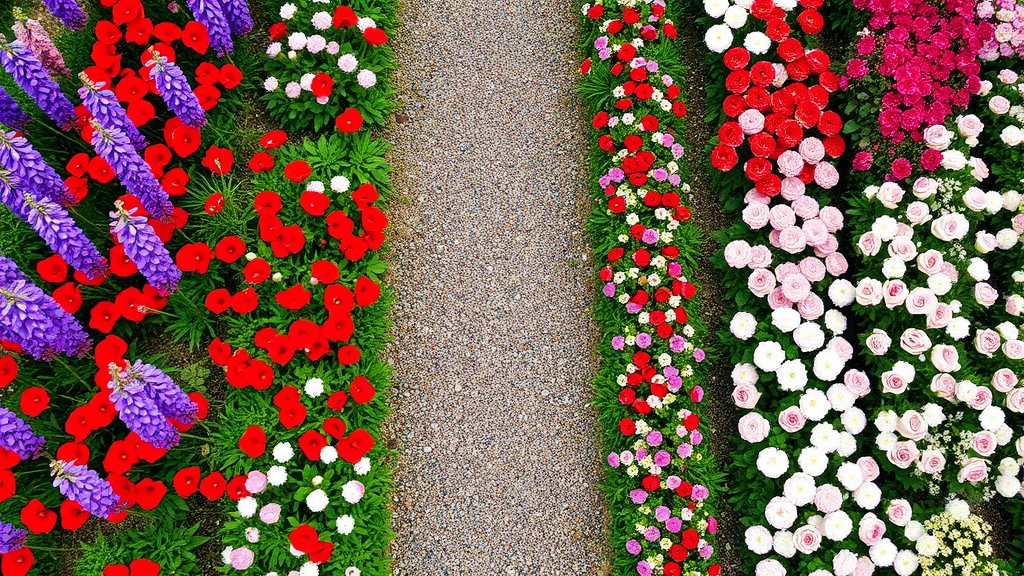
The Clos Normand features narrow gravel pathways bordered by vibrant perennial beds organized by color. Monet employed a sophisticated understanding of color theory, arranging plants to create specific visual effects as seasons progressed. Spring brought cascades of tulips in carefully coordinated hues, while summer showcased roses, delphiniums, poppies, and foxgloves in arranged compositions. Fall transitioned to chrysanthemums and dahlias in warm oranges and purples. This approach differs fundamentally from random ornamental planting—every specimen was positioned to contribute to an overall chromatic narrative.
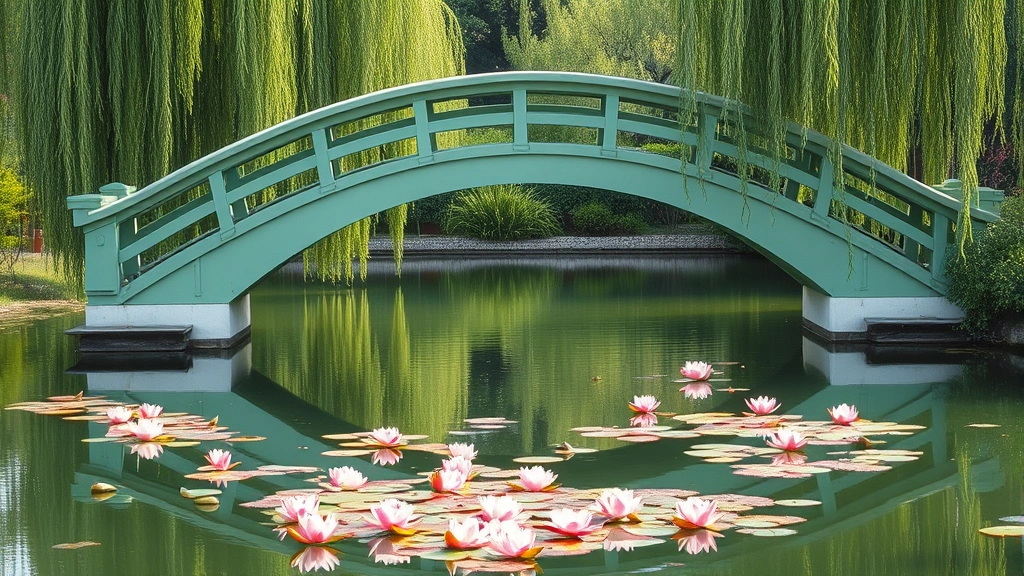
The Japanese-inspired water garden demonstrates Monet’s fascination with Eastern aesthetics, influenced by Japanese woodblock prints he collected throughout his lifetime. The famous arched Japanese bridge, painted green, spans the lily pond and creates a focal point that draws visitors deeper into the garden’s mysterious depths. Weeping willows, bamboo groves, and strategically placed stone lanterns enhance the tranquil, meditative quality of this space. The horizontal water surfaces reflect sky, clouds, and vegetation, creating ever-changing compositions that shift throughout the day and seasons. This dynamic quality—the way light transforms the garden’s appearance—remained Monet’s primary artistic concern.
For home gardeners, Monet’s design philosophy offers a crucial lesson: intentionality matters more than size. Whether creating a fairy garden or developing a larger landscape, organizing plants by color, considering seasonal progression, and thoughtfully positioning focal points will elevate the entire composition. You need not possess acres to apply Monet’s principles to smaller spaces.
The Famous Water Garden
The water garden at Giverny represents Monet’s most audacious horticultural and artistic achievement. Created beginning in 1893, this garden required considerable financial investment and engineering expertise to establish. The primary feature—the water lily pond—measures approximately 197 feet long and 98 feet wide, providing an enormous canvas for aquatic plant cultivation and artistic observation.
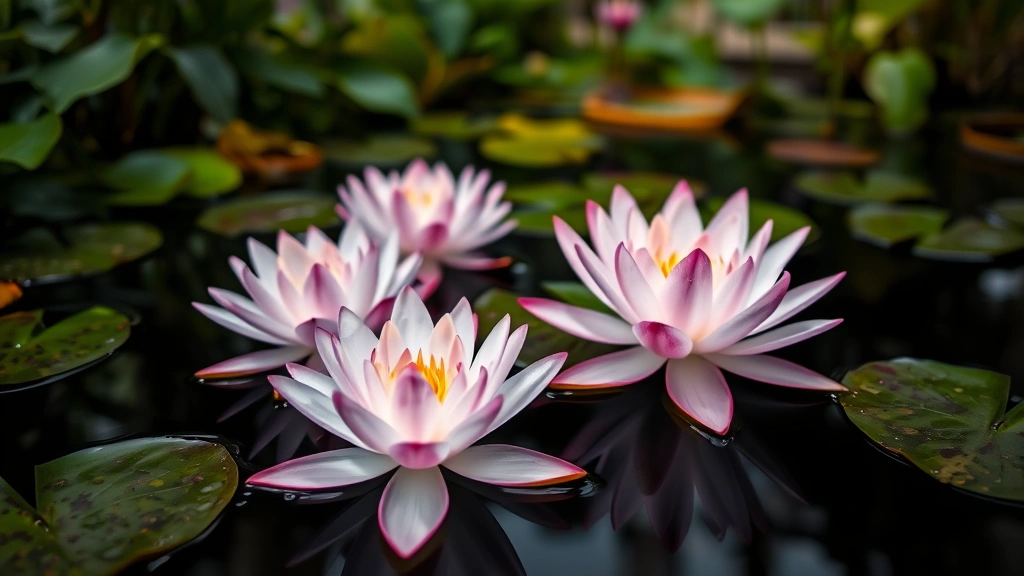
The water lilies themselves demanded specialized care and continuous attention. Monet cultivated numerous varieties, including hardy native species and tender tropical cultivars that required winter protection. The lilies bloomed in various colors—white, pink, red, and yellow—creating natural compositions that fascinated the artist. Beyond the lilies, the pond supported aquatic vegetation including lotus plants, water iris, and submerged oxygenating plants essential for maintaining ecological balance.
The Japanese bridge became the garden’s most recognizable feature, appearing in countless paintings from different angles and under varying light conditions. Monet understood that the same structure photographed or painted at different times of day, during different seasons, and under different weather conditions would present entirely different artistic possibilities. This insight—that a single subject offers infinite artistic interpretations—drove much of his late-career work.
The surrounding vegetation enhanced the water garden’s character. Weeping willows created soft, drooping silhouettes that reflected in the still water. Japanese maples provided delicate foliage and autumn color. Bamboo groves rustled with movement and sound, engaging multiple senses. This layered planting approach—combining trees, shrubs, herbaceous plants, and aquatic specimens—created visual depth and seasonal interest that sustained artistic inspiration throughout the year.
Plant Selection and Seasonal Displays
Monet’s plant selection reflected both horticultural knowledge and artistic vision. He was not content with a static garden—instead, he cultivated specimens that would create dynamic seasonal transformations, providing fresh subject matter and chromatic variations throughout the year.
Spring at Giverny exploded with color. Thousands of tulips in coordinated hues—whites, pinks, purples, and reds—covered the perennial beds. These were interspersed with flowering shrubs including magnolias, crabapples, and cherries. The blossoms’ brief flowering window created urgency; Monet understood that spring’s ephemeral beauty would vanish within weeks, making careful documentation essential. His spring paintings capture the fleeting quality of this season with remarkable sensitivity.
Summer brought the garden’s most abundant flowering period. Roses, Monet’s beloved flowers, bloomed prolifically along the pathways and across arches. Delphiniums in various shades of blue created vertical accents, while poppies added brilliant red notes. Foxgloves, lupines, and oriental lilies contributed additional layers of color and texture. The water garden’s lilies reached peak bloom, their floating forms creating mesmerizing compositions. For gardeners interested in achieving similar effects, understanding flower arranging principles helps translate garden compositions into intentional displays.
Autumn showcased chrysanthemums and dahlias in warm, saturated colors—oranges, deep reds, purples, and golds. Japanese maples provided foliage color, while ornamental grasses added movement and texture. The water garden’s lilies gradually ceased blooming, but the surrounding vegetation’s color intensified as chlorophyll broke down, revealing hidden pigments. Monet’s autumn paintings demonstrate his appreciation for this season’s rich, complex palette.
Winter, though quiet, held its own beauty. Evergreen plantings—boxwoods, yews, and conifers—provided structure and color during dormant months. The bare branches of deciduous trees created intricate patterns against winter skies. Snow occasionally blanketed the garden, transforming familiar forms into abstracted shapes. While Monet painted winter scenes less frequently than other seasons, the garden’s winter architecture remained important to its overall composition.
Modern gardeners can apply these seasonal considerations by planning for continuous color and interest. Combining spring bulbs, summer bloomers, autumn-flowering perennials, and winter-interest plants ensures the garden evolves throughout the year, much like Monet’s Giverny.
Recreating Giverny Elements at Home
While few home gardeners possess the resources Monet commanded, his design principles translate effectively to smaller spaces. Creating a Giverny-inspired garden requires thoughtful planning, plant selection, and commitment to ongoing maintenance.
Begin by establishing distinct garden zones, much like Monet separated his Clos Normand from the water garden. Even in modest landscapes, creating a more structured ornamental area and a more naturalistic water feature creates visual interest and demonstrates design intentionality. The structured zone might feature organized perennial beds with color-coordinated plantings, while the naturalistic zone could incorporate a small pond, stream feature, or even a rain garden with moisture-loving plants.
Color coordination forms the foundation of Monet’s approach. Rather than randomly selecting plants, choose specimens that work together chromatically. Organize perennial beds by color progression—perhaps cool blues and purples transitioning to warm oranges and reds. Consider seasonal color changes; plants that contribute green foliage during summer might provide vibrant fall color. This requires research and planning, but the resulting compositions rival professionally designed landscapes.
Water features, even small ones, add immeasurable charm and artistic potential. A modest community garden might not permit water features, but home gardeners can install small ponds, fountains, or water basins. Aquatic plants including water lilies, lotus, and iris create living artworks while supporting beneficial insects and wildlife.
Structural elements—pathways, bridges, arbors, and seating areas—shape how visitors experience the garden. Monet’s Japanese bridge functioned both practically and artistically; it provided access while creating a focal point and framing views. Home gardeners can incorporate similar elements at appropriate scales: a small wooden bridge over a stream, a rustic arbor supporting climbing roses, or strategically positioned benches offering contemplative vistas.
Plant selection should emphasize tried-and-true varieties that perform reliably in your climate. Monet favored heirloom roses, perennials, and specialty specimens. Modern gardeners have access to extensive catalogs and resources. Extension services and horticultural societies provide invaluable guidance for regional plant selection. Consider incorporating productive garden elements alongside ornamental plantings, as Monet’s gardens included fruit trees and vegetables alongside flowers.
Vertical elements create visual interest and maximize limited space. Vertical gardens featuring climbing roses, clematis, or ivy-covered trellises echo Monet’s use of garden architecture. Even indoor herb gardens can incorporate decorative elements inspired by Monet’s aesthetic principles, bringing artistic gardening indoors during winter months.
Visiting Giverny Today
The artist’s garden at Giverny operates as a museum and public garden, welcoming hundreds of thousands of visitors annually. The experience of walking these pathways, crossing the Japanese bridge, and sitting beside the water lily pond provides profound inspiration for gardeners and artists alike. The garden’s maintenance requires continuous effort by a dedicated team of horticulturists who work to preserve Monet’s vision while adapting to modern conservation practices.
Visiting during different seasons reveals the garden’s evolving character. Spring visits showcase the explosive color of tulips and flowering trees. Summer visits offer the full abundance of blooms and the water lilies at peak performance. Autumn visits display the rich, warm colors Monet immortalized in his paintings. Early morning visits, when mist rises from the pond and light filters through vegetation, provide the most magical experiences—and the conditions that inspired Monet’s most evocative paintings.
The adjacent Musée de l’Impressionnisme provides context for understanding Monet’s artistic development and the broader Impressionist movement. Viewing his paintings while having recently walked the actual garden creates a powerful synthesis of artistic and horticultural understanding. Many visitors find that seeing the physical spaces depicted in paintings deepens their appreciation for both the artworks and the garden itself.
For those unable to visit in person, extensive documentation exists through photographs, virtual tours, and detailed horticultural guides. The Fondation Claude Monet maintains comprehensive resources about the garden’s history and ongoing preservation. The Giverny official website provides visitor information, seasonal highlights, and educational materials.
FAQ
What plants did Monet grow in his Giverny garden?
Monet cultivated an extensive variety of plants including roses, tulips, delphiniums, poppies, foxgloves, oriental lilies, chrysanthemums, dahlias, water lilies, Japanese maples, weeping willows, bamboo, and numerous fruit trees. His plant selection evolved throughout his residency, with emphasis on color coordination and seasonal interest.
Can I recreate a water lily pond like Monet’s?
Yes, though at a smaller scale. Home gardeners can install ponds of various sizes featuring water lilies and complementary aquatic plants. Hardy water lilies survive winters in most climates, while tropical varieties require protection or seasonal replacement. Proper filtration, aeration, and plant balance maintain pond health.
When is the best time to visit Giverny?
Late spring (May-June) showcases the garden at its most vibrant, with tulips, roses, and flowering trees in full bloom. June also marks peak water lily blooming. However, each season offers distinct beauty and inspiration. Avoid peak summer tourist season for a more contemplative experience.
How large was Monet’s garden at Giverny?
The property eventually expanded to nearly two acres, with the Clos Normand (ornamental garden) comprising roughly one acre and the water garden (Japanese garden) comprising approximately half an acre. The water lily pond measures roughly 197 feet long and 98 feet wide.
Are Monet’s original plants still growing at Giverny?
While some heritage plantings remain, most specimens have been replanted over the decades due to natural aging and disease. The garden’s current horticulturists maintain historical accuracy by growing the same cultivars Monet favored, preserving the artistic vision even as individual plants are renewed.
How did Monet maintain such an extensive garden?
At the height of his gardening pursuits, Monet employed six full-time gardeners. This substantial team allowed for meticulous plant care, seasonal transformations, and the specialized attention required for water gardening. His financial success from art sales enabled this significant horticultural investment.