
How to Grow Szechuan Pepper: Expert Guide for Your Szechuan Garden
Szechuan pepper (Zanthoxylum simulans) is a fascinating and rewarding addition to any culinary garden. This woody shrub, native to the Sichuan province of China, produces distinctive berries that create the famous numbing sensation in Asian cuisine. Growing your own Szechuan pepper plants allows you to harvest fresh, aromatic peppercorns at peak flavor while enjoying the ornamental beauty of the plant itself. Whether you’re an experienced gardener or just beginning your gardening journey, this comprehensive guide will walk you through every step of cultivating healthy Szechuan pepper plants.
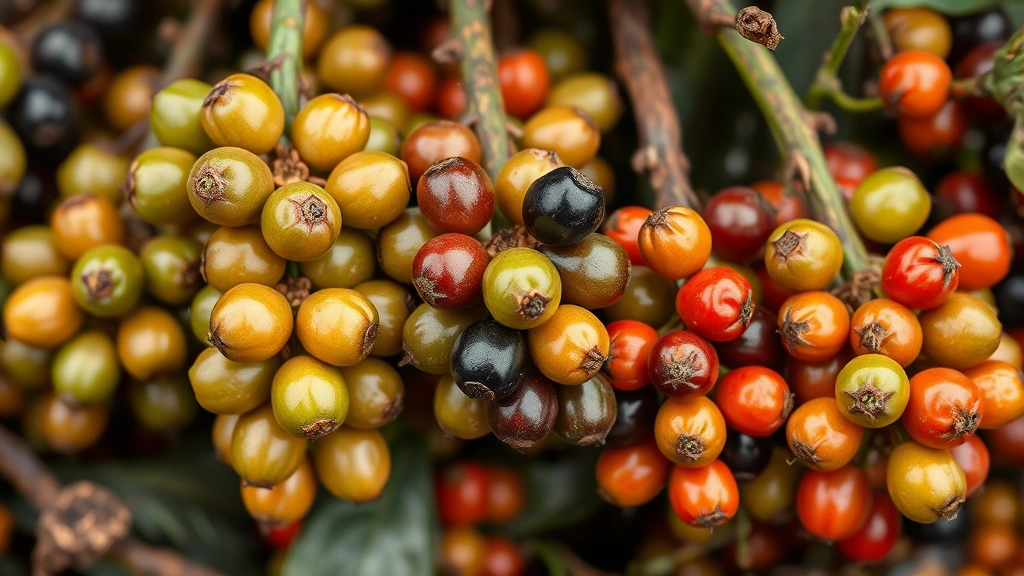
The appeal of growing Szechuan pepper extends beyond its culinary uses. The plant features attractive compound leaves, delicate yellow flowers, and clusters of reddish berries that ripen to black. With proper care and attention to climate conditions, your Szechuan garden will become a source of pride and delicious harvests for years to come. This guide covers everything from seed selection and propagation through mature plant care and pest management.
Understanding Szechuan Pepper Plants
Szechuan pepper is a deciduous to semi-evergreen shrub that typically grows between 8-15 feet tall, though it can be pruned to maintain a more compact form. The plant is characterized by thorny stems, aromatic foliage, and small yellow-green flowers that bloom in spring. The most valuable part of the plant is its fruit—small berries that contain the essential oils responsible for the distinctive numbing sensation called “málà” in Chinese cuisine.
The unique flavor profile of Szechuan pepper comes from hydroxy-alpha sanshool, a compound that triggers a tingling sensation on the lips and tongue. This is distinctly different from the heat of chili peppers and creates a complex flavor experience that enhances many Asian dishes. Understanding the plant’s growth habits and characteristics helps you provide optimal conditions for thriving growth and abundant harvests.
Before establishing your Szechuan garden, familiarize yourself with the plant’s botanical needs and growth timeline. Most Szechuan pepper plants take 2-3 years to reach productive maturity, though mature plants can bear fruit for 20-30 years with proper care. The investment in time and resources pays dividends as your established plants provide consistent harvests of this valuable and expensive ingredient.
Climate and Growing Zones
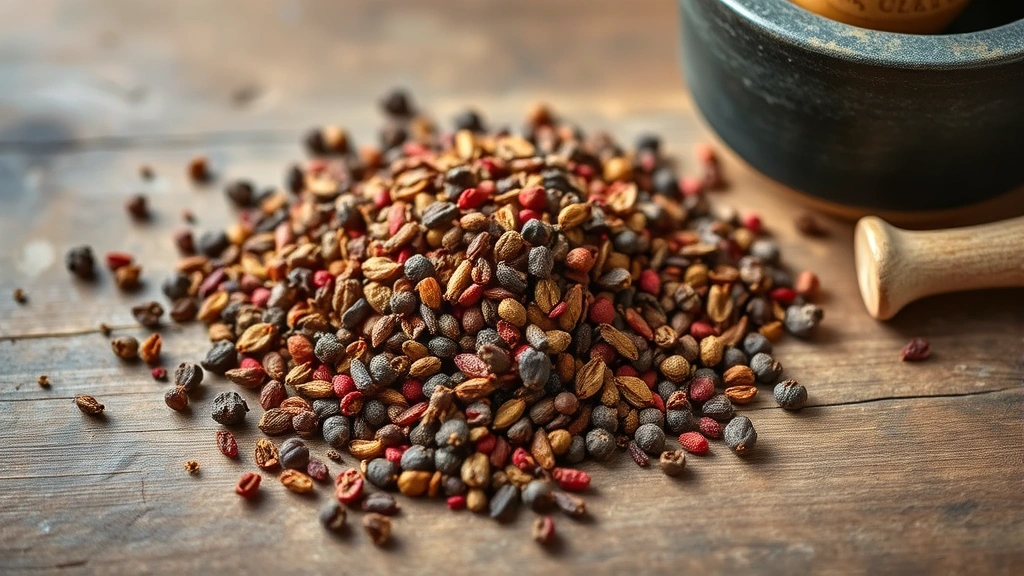
Szechuan pepper thrives in temperate climates and is hardy in USDA zones 6-9, though some cultivars show promise in zone 5. The plant prefers warm growing seasons with moderate summer temperatures and can tolerate cold winters once established. However, extreme temperature fluctuations can damage young plants, so protection during harsh winters is recommended for the first 2-3 years.
The ideal climate for Szechuan pepper includes:
- Average summer temperatures between 65-75°F (18-24°C)
- Winter lows not dropping below -15°F (-9°C) for extended periods
- Moderate annual rainfall of 20-40 inches
- Well-distributed precipitation throughout the growing season
- Adequate sunlight (6-8 hours daily minimum)
If you live in a colder climate, consider growing Szechuan pepper in containers that can be moved to a protected location during winter. Alternatively, select a microclimate in your garden with southern or western exposure and wind protection. Consult your local USDA plant hardiness zone map to confirm suitability for your area before making a significant investment in plants or seeds.
Starting from Seeds and Propagation
Growing Szechuan pepper from seed requires patience and proper technique. Seeds have a hard coat and benefit from scarification—lightly scratching the seed surface with sandpaper or a file to improve water penetration. Soak scarified seeds in room-temperature water for 24 hours before planting to further enhance germination rates.
Follow these steps for successful seed propagation:
- Scarify seeds gently with fine sandpaper
- Soak in room-temperature water for 24 hours
- Fill seed trays with well-draining seed-starting mix
- Plant seeds ½ inch deep, spacing them 2 inches apart
- Maintain soil moisture without waterlogging
- Provide bottom heat (70-75°F) to encourage germination
- Expect germination in 3-4 weeks
- Provide bright light once seedlings emerge
Alternatively, you can propagate Szechuan pepper through hardwood cuttings taken in late fall or semi-hardwood cuttings in summer. This method produces plants identical to the parent and often fruiting faster than seed-grown plants. For more detailed information on plant propagation techniques, explore our comprehensive guide to propagating plants.
Seedlings should be transplanted into individual pots once they develop their first true leaves. Maintain consistent moisture and provide bright, indirect light during the first growing season. Young plants benefit from protection from strong winds and direct afternoon sun during their establishment phase.
Soil Preparation and Site Selection
Szechuan pepper performs best in well-draining soil with a slightly acidic to neutral pH (6.0-7.0). Poor drainage is the most common cause of failure with this plant, so investing time in proper soil preparation pays significant dividends. Before planting, amend your soil generously with organic matter to improve both drainage and nutrient content.
Prepare your planting site by:
- Testing soil pH and adjusting if necessary
- Incorporating 2-3 inches of compost or well-rotted manure
- Ensuring drainage by creating raised planting areas if needed
- Removing any competing weeds or grass
- Mixing in perlite or coarse sand if soil is particularly heavy
For detailed guidance on soil preparation fundamentals, review our article on preparing garden soil for thriving growth. If you’re planning a dedicated Szechuan garden bed, consider the advantages of raised bed gardening, which provides excellent drainage control and easier management.
Select a planting site with full sun exposure—at least 6-8 hours of direct sunlight daily ensures robust growth and optimal fruit production. Avoid low-lying areas prone to standing water or frost pockets. Afternoon shade in extremely hot climates (zone 9) can prevent stress and reduce water requirements during peak summer.
Planting and Spacing Requirements
When transplanting seedlings or young nursery plants into the garden, timing is critical. Spring planting after the last frost date allows plants to establish roots before summer heat arrives. In warmer climates, fall planting (September-October) provides benefits of cooler temperatures and natural rainfall during establishment.
Space Szechuan pepper plants 8-12 feet apart to allow for mature growth and air circulation. Inadequate spacing increases disease pressure and makes harvesting difficult. When digging the planting hole, make it slightly wider than the root ball but no deeper—planting too deep can lead to stem rot and fungal issues.
Follow this planting procedure:
- Dig a hole 1.5 times wider than the root ball
- Place plant at same depth it was growing in the container
- Backfill with amended soil, pressing gently to remove air pockets
- Create a water basin around the base
- Water thoroughly after planting
- Apply 2-3 inches of mulch, keeping it 6 inches away from the stem
Mulching conserves soil moisture, regulates temperature, and suppresses weeds—all beneficial for young plant establishment. Use organic mulches like wood chips or straw, which also improve soil structure as they decompose.
Watering and Moisture Management
Proper watering is essential for Szechuan pepper success, particularly during the first growing season when plants are establishing their root systems. Young plants require consistent moisture but never waterlogged conditions. Water deeply but infrequently to encourage deep root development and drought tolerance in mature plants.
Watering guidelines for your Szechuan garden:
- Establishment phase (year 1): Water weekly if rainfall is insufficient, providing 1-1.5 inches per week
- Developing plants (years 2-3): Water every 10-14 days unless drought conditions prevail
- Mature plants: Water during extended dry periods; established plants tolerate moderate drought
- Fruiting season: Increase watering frequency to support fruit development
- Winter: Reduce watering significantly; dormant plants need minimal moisture
Check soil moisture by inserting your finger 2 inches into the soil. If it feels dry at this depth, it’s time to water. During rainy periods, monitor soil conditions to avoid overwatering. Drip irrigation systems or soaker hoses deliver water directly to the root zone, reducing foliar disease risk compared to overhead sprinklers.
Fertilizing Your Szechuan Pepper
Szechuan pepper plants benefit from regular fertilization during the growing season, though they don’t require excessive feeding. A balanced, slow-release fertilizer applied in spring supports vegetative growth, while a lower-nitrogen formula encourages flowering and fruiting.
Recommended fertilization schedule:
- Young plants (year 1): Apply balanced fertilizer (10-10-10) monthly during growing season
- Developing plants (years 2-3): Switch to lower-nitrogen formula (5-10-10) in late spring
- Mature fruiting plants: Apply phosphorus-rich fertilizer in early spring and again in midsummer
- Organic option: Use composted manure, fish emulsion, or kelp extract every 4-6 weeks
Over-fertilization, particularly with nitrogen, promotes excessive leafy growth at the expense of fruit production. If your Szechuan pepper is producing abundant foliage but few flowers, reduce nitrogen application. Incorporate organic matter annually through mulch renewal to maintain soil fertility naturally and sustainably.
Pruning and Plant Maintenance
Strategic pruning shapes your Szechuan pepper plants, improves air circulation, and encourages more productive growth. Young plants benefit from early pruning to establish a strong framework of branches. Remove the central leader when plants reach 18-24 inches tall to encourage branching and a bushier form.
Annual pruning maintains plant health and productivity:
- Prune in early spring before new growth emerges
- Remove dead, diseased, or damaged wood
- Thin crowded interior branches to improve air circulation
- Remove low-growing branches that would drag on ground
- Maintain an open vase or goblet shape for easy harvesting
- Avoid heavy pruning that removes more than one-third of plant material
Thorns on Szechuan pepper can be formidable, so wear heavy gloves and long sleeves when pruning. Sterilize pruning tools with rubbing alcohol between cuts to prevent disease transmission. After pruning, apply a wound dressing to large cuts to prevent pest entry and disease infection.
Pest and Disease Management
Szechuan pepper is relatively pest-resistant when grown in appropriate conditions, but several issues can arise. The most common problems include spider mites in dry conditions, scale insects on stems, and fungal diseases in overly wet environments.
Common pests and management strategies:
- Spider mites: Increase humidity and spray foliage with water; use miticides if infestation is severe
- Scale insects: Prune affected branches; apply horticultural oil in early spring
- Aphids: Spray with insecticidal soap or strong water spray
- Powdery mildew: Improve air circulation; apply fungicide if needed
- Root rot: Ensure excellent drainage; avoid overwatering
Prevention is more effective than treatment. Maintain optimal growing conditions, prune for air circulation, remove fallen leaves and debris, and inspect plants regularly for early pest detection. Consult your local Sustainable Agriculture Research and Education program or master gardener program for region-specific pest management recommendations.
Harvesting and Storage
Szechuan pepper berries ripen in late summer to early fall, typically August through October depending on your climate. Harvest berries when they turn from green to reddish-brown, just before they fully blacken. Pick berries by hand or strip them from branches onto a cloth for easier collection.
Proper harvesting and storage techniques:
- Harvest in the morning after dew dries but before intense heat
- Pick berries at the reddish-brown stage for optimal flavor
- Spread berries on screens or trays in a warm, dry location
- Dry for 2-3 weeks until completely brittle
- Store dried berries in airtight containers away from light and heat
- Whole dried berries retain flavor for up to 2 years
- Grind berries fresh for maximum numbing sensation and aroma
Fresh green berries can be used immediately in cooking and offer a different flavor profile than dried berries—fresher, more citrusy notes. Some gardeners freeze fresh berries for year-round use. For the most intense numbing sensation, lightly toast dried berries in a dry pan before grinding or using in recipes.
A mature Szechuan pepper plant can produce 1-3 pounds of fresh berries annually, providing sufficient quantities for personal use and gift-giving. The economic value of homegrown Szechuan peppercorns—which retail for $15-25 per ounce—makes the effort of cultivation highly worthwhile.
FAQ
How long does it take for Szechuan pepper to produce fruit?
Most Szechuan pepper plants begin producing small amounts of fruit in their third year, with significant harvests by year four or five. Seed-grown plants may take longer (4-5 years) than propagated cuttings (2-3 years). Patience during the establishment phase ensures strong, productive plants for decades.
Can I grow Szechuan pepper in containers?
Yes, container growing works well for Szechuan pepper, particularly in colder climates. Use a large pot (20+ gallons) with excellent drainage and move it to a protected location during winter. Container plants require more frequent watering and fertilizing than in-ground plants, but provide flexibility for climate management.
Do I need more than one Szechuan pepper plant for pollination?
While Szechuan pepper plants have both male and female flowers on the same plant (perfect flowers), cross-pollination with another plant increases fruit set and berry production. If space allows, growing two or more plants significantly improves harvests.
What’s the difference between Szechuan pepper and regular black pepper?
Szechuan pepper (Zanthoxylum) and black pepper (Piper nigrum) are botanically unrelated species. Black pepper produces heat through piperine compounds, while Szechuan pepper creates a numbing sensation through hydroxy-alpha sanshool. They offer distinctly different flavor profiles and culinary uses.
Can Szechuan pepper be grown indoors?
Growing Szechuan pepper indoors is challenging due to its need for substantial sunlight, outdoor pollination, and dormancy period. Greenhouse cultivation is possible with proper light supplementation and ventilation, but outdoor cultivation yields superior results and healthier, more productive plants.
How do I know if my Szechuan pepper plant is healthy?
Healthy Szechuan pepper plants display vibrant green foliage, vigorous growth during the growing season, and abundant flowers in spring. Yellowing leaves, sparse growth, or persistent pest infestations indicate problems requiring investigation. Regular inspection and prompt intervention prevent minor issues from becoming serious problems.


