Secret Garden Cafe: Creating Your Own Delightful Dining Experience in Nature
Imagine stepping through a hidden gateway into a lush, verdant sanctuary where the aroma of fresh herbs mingles with culinary delights, and every meal becomes an enchanting escape from the everyday world. A secret garden cafe experience isn’t just about dining—it’s about creating a magical outdoor space where food, nature, and hospitality converge in perfect harmony. Whether you’re a seasoned gardener or a curious beginner, designing and maintaining a garden-inspired dining area transforms your outdoor space into a destination worth discovering.
The concept of a secret garden cafe draws inspiration from Frances Hodgson Burnett’s beloved novel, but in modern gardening terms, it represents a thoughtfully designed outdoor eating area surrounded by thriving plants, fragrant flowers, and edible gardens. This comprehensive guide explores how to cultivate your own secret garden cafe, from selecting the right location and plants to maintaining the space throughout the seasons.
Choosing Your Secret Garden Location
The foundation of any successful secret garden cafe begins with selecting the ideal location on your property. Observe your yard throughout different times of day, noting where sunlight falls, how wind patterns flow, and where natural shade occurs. Most dining areas benefit from a combination of dappled sunlight and partial shade—direct afternoon sun can make outdoor dining uncomfortable during warmer months, while complete shade limits plant growth options.
Consider proximity to your kitchen or food preparation area. A secret garden cafe that requires a long trek from your house to serve meals becomes impractical quickly. Ideally, position your dining space within 30-50 feet of convenient access. Also evaluate drainage patterns in your chosen area; you don’t want your secret retreat becoming a puddle during heavy rainfall. If your yard slopes or pools water, consider installing a cedar raised garden bed or building up the dining area with proper grading.
Privacy matters significantly when creating a secret garden atmosphere. Scout locations that are naturally screened from neighbors’ views or areas where you can strategically install privacy screens. Tall plantings, garden arch trellis structures, or living walls created with climbing vines provide both aesthetic appeal and seclusion.
Designing the Layout and Structure
Your secret garden cafe layout should balance open space for dining with densely planted areas that create the magical, enclosed feeling. A successful design typically includes several key zones: the dining area itself, surrounding planting beds, vertical growing structures, and pathways that invite exploration.
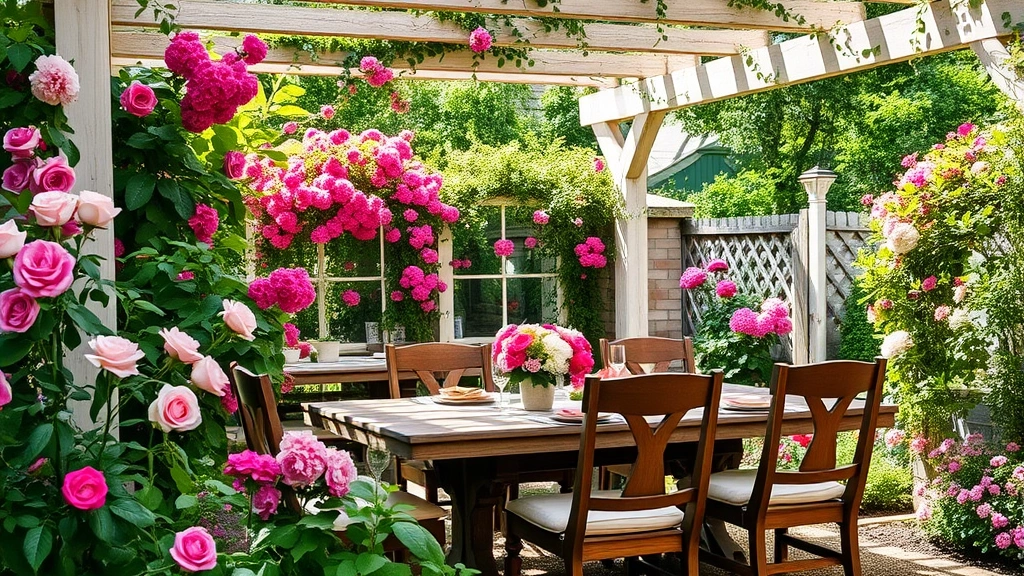
Begin by sketching your space on paper, noting existing trees, structures, and sun patterns. Allocate roughly 40-50 square feet for a comfortable dining area accommodating a table and chairs with movement space. This leaves ample room for surrounding plantings in a typical residential yard. Consider installing a pergola or shade structure over your dining area—this provides weather protection while supporting climbing plants that enhance the enclosed garden feeling.
Pathways are crucial design elements. Winding paths bordered by fragrant plants like lavender or rosemary guide visitors through your secret garden and create a sense of discovery. Use permeable paving materials like gravel, stepping stones, or wood chips to maintain that natural, garden-like aesthetic.
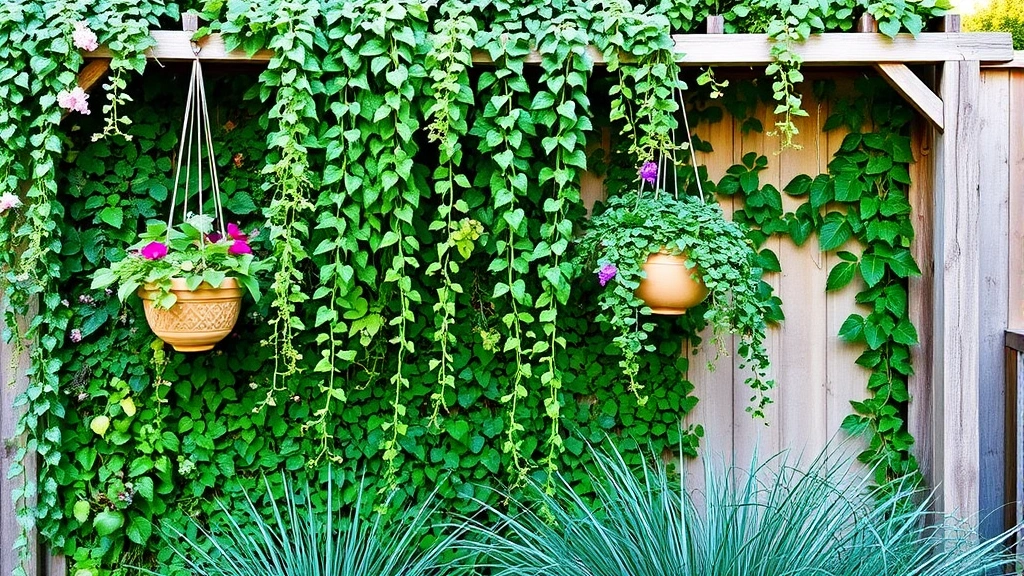
Vertical gardening deserves special attention in smaller spaces. Wall-mounted planters, trellises, and hanging baskets maximize growing space while creating visual interest at different heights. This layered approach makes your secret garden feel more abundant and enclosed without requiring extensive ground-level plantings.
Selecting Plants for Year-Round Appeal
The true magic of a secret garden cafe comes from thoughtful plant selection that provides visual interest, fragrance, and ambiance throughout all seasons. Rather than focusing on a single color palette, create depth by combining plants with varying bloom times, foliage colors, and textures.
Spring bloomers set the tone for the growing season. Incorporate flowering shrubs like lilacs, flowering cherry trees, or magnolias that provide abundant blossoms and delightful fragrance. Underplant these with spring bulbs including tulips, daffodils, and hyacinths that naturalize year after year. These early bloomers signal renewal and create anticipation for the dining season ahead.
Summer is peak season for your secret garden cafe, so prioritize plants that thrive during warm months. Hydrangeas provide lush, colorful blooms that last for months, while roses—particularly fragrant heirloom varieties—add romance and classic beauty. Perennials like coneflowers, black-eyed Susans, and salvias attract pollinators and provide continuous color from June through September. Don’t overlook foliage plants; hostas, ferns, and ornamental grasses add texture and visual interest even when not blooming.
Fall plantings extend your dining season into cooler months. Asters, mums, and sedum offer rich jewel tones perfectly suited to autumn entertaining. Ornamental grasses reach peak beauty in fall, their golden plumes catching light beautifully during evening meals. Consider Japanese maples or burning bush for foliage color that rivals any flower.
Winter greenery maintains your secret garden’s structure during dormant months. Evergreen shrubs, particularly those with interesting foliage like gold-tipped conifers or burgundy-leafed photinias, prevent your space from looking barren. Hellebores and winter-blooming viburnums provide unexpected flowers when most gardens sleep. Holly bushes offer both evergreen structure and bright berries that attract birds, adding life to quiet winter days.
Growing Edible Plants for Your Cafe
A secret garden cafe truly becomes special when you serve food grown in the surrounding beds. Edible gardening transforms your space from purely ornamental to productively beautiful. The key is selecting edible plants that look as good as they taste, then integrating them seamlessly into your landscape design.
Growing garden lettuce provides fresh salad ingredients throughout spring, early summer, and fall. Lettuce’s varied foliage colors—from deep burgundy to pale green—create beautiful garden tapestries. Plant lettuce in borders around your dining area or in raised beds nearby for convenient harvesting. Succession plant every two weeks for continuous harvest.
Growing peas in your garden offers dual benefits: beautiful flowering vines that can cover trellises and arbors, plus nutritious pods for snacking and cooking. Sugar snap and snow peas are particularly ornamental, with delicate white or pink flowers preceding the edible pods. Train them vertically on garden arch trellis structures to create living walls around your dining space.
Herb gardens are essential to any secret garden cafe. Create dedicated herb beds within sight of your dining area, featuring culinary herbs like basil, rosemary, thyme, oregano, and sage. Beyond their culinary uses, these herbs offer attractive foliage and flowers that attract beneficial insects. Brush against them as you walk and enjoy their aromatic oils—part of the sensory experience of dining in your secret garden.
Fruit-bearing plants add another dimension. Dwarf fruit trees like cherry or apple varieties provide spring blossoms, summer shade, and fall harvests. Berry bushes including raspberries, blueberries, and blackberries can be trained into decorative forms while producing abundant fruit. Grape vines on trellises create natural pergolas while providing fresh grapes for snacking and juice.
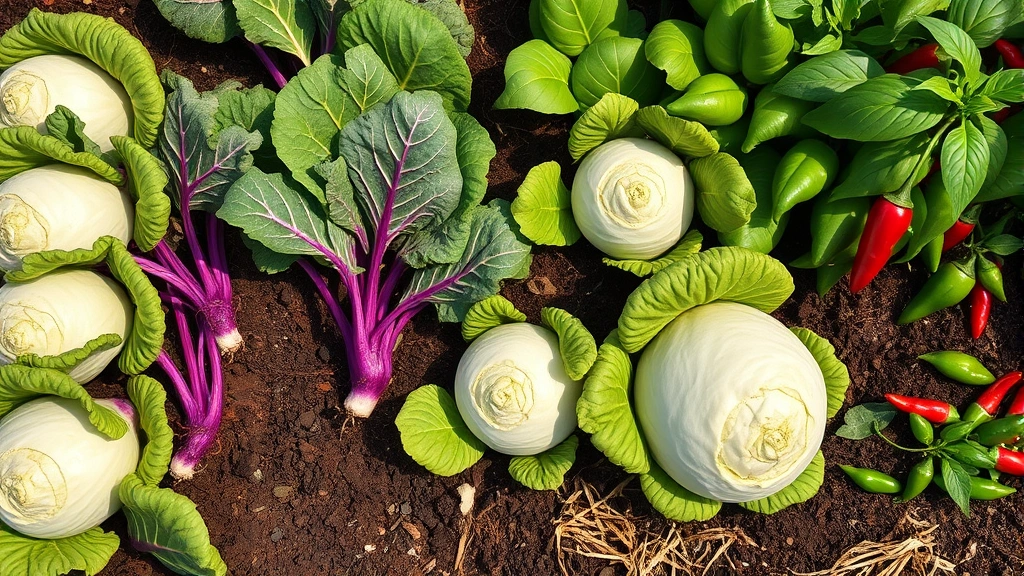
Don’t overlook ornamental edibles like flowering kale, rainbow chard, and purple-podded beans that blur the line between vegetable garden and flower garden. These plants are stunning visual elements while providing nutritious vegetables for your cafe menu.
Fertilize your edible plantings appropriately using nature’s garden fertiliser options that enhance soil without harsh chemicals. Organic approaches like compost, aged manure, and fish emulsion support both plant health and food safety.
Creating Ambiance and Comfort
Beyond plants, ambiance transforms a dining area into a secret garden cafe experience. Thoughtful design elements enhance comfort and create that magical atmosphere that makes guests feel transported to another world.
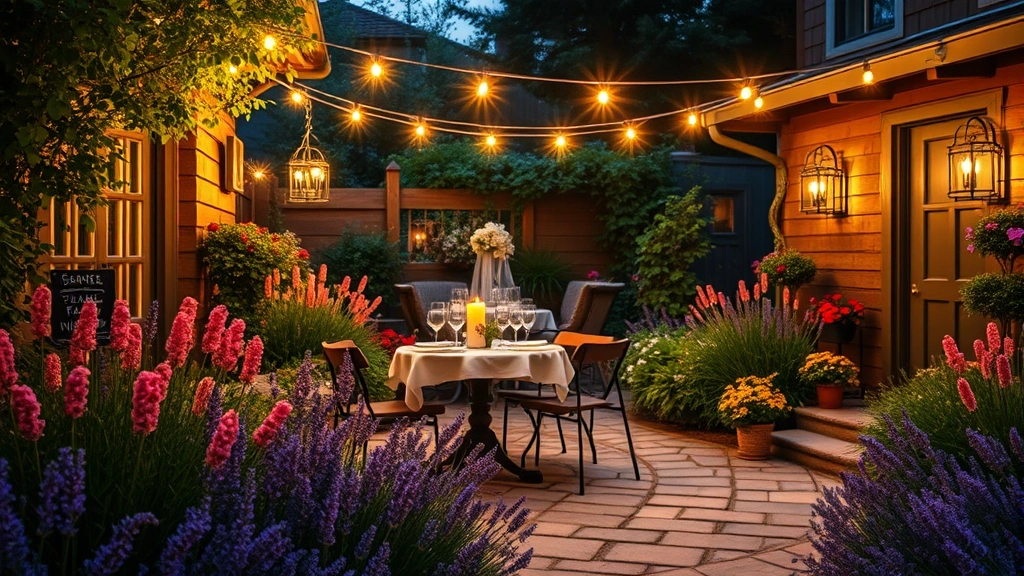
Lighting dramatically impacts your secret garden’s evening appeal. String lights overhead create intimate, warm atmospheres perfect for sunset dining. Solar-powered path lights guide visitors safely while adding to the enchanted garden feeling. Consider uplighting trees to create dramatic shadows and depth after dark. Candles in hurricane glasses add flickering warmth and romance while being safe outdoors.
Water features contribute both visual and auditory appeal. A small fountain, birdbath, or recirculating water feature creates soothing background sounds that mask neighborhood noise. Water also attracts birds and beneficial insects, adding wildlife interest to your dining experience.
Seating and tables should be comfortable and weather-resistant while fitting the garden aesthetic. Natural wood furniture, wrought iron pieces, or wicker chairs complement garden settings. Cushions add comfort and visual softness. A pergola or shade cloth overhead provides weather protection while supporting climbing vines.
Incorporate garden decorations thoughtfully—rustic signs, artistic planters, bird feeders, and sculpture can enhance the whimsical secret garden atmosphere without cluttering the space. Every element should feel intentional and connected to your garden theme.
Sound matters significantly. Beyond water features, consider background music from outdoor speakers at low volumes. Birds naturally provide delightful soundscapes; encourage them with bird feeders and water sources. Rustling leaves and wind chimes add gentle acoustic elements.
Seasonal Maintenance and Care
Maintaining your secret garden cafe through all seasons ensures it remains a delightful retreat year-round. A solid maintenance schedule prevents overwhelming work while keeping your space beautiful and functional.
Spring maintenance focuses on renewal and preparation. Prune winter-damaged branches from ornamental shrubs and trees. Divide perennials that have become overcrowded. Apply fresh mulch to beds, refreshing the garden’s appearance while suppressing weeds and retaining moisture. Begin succession planting of vegetables and herbs every two weeks for continuous harvests. Clean and prepare outdoor furniture and dining structures. Power wash hardscapes to remove winter grime.
Summer care emphasizes watering and deadheading. Establish consistent watering schedules—most gardens need 1-1.5 inches weekly through rainfall or irrigation. Mulch heavily to reduce watering needs. Deadhead spent flowers on roses, perennials, and annuals to encourage continuous blooming. Harvest vegetables and herbs regularly to promote plant productivity. Monitor for pests and diseases, addressing issues promptly with organic solutions. Keep pathways clear and dining areas tidy for guest enjoyment.
Fall preparation involves gradual transitions toward winter dormancy. Plant spring-blooming bulbs in September and October for next year’s show. Cut back summer perennials as they fade. Plant fall vegetables and cool-season greens for extended harvest. Collect fallen leaves for composting. Prepare tender plants for potential frost. Assess and repair any damaged structures or furniture before winter weather arrives.
Winter care focuses on protecting plants and maintaining structure. Apply winter mulch around perennials and shrubs in colder climates. Prune dead wood from trees and shrubs. Protect tender plants with burlap wrapping if necessary. Clean and maintain hardscapes. Use winter as planning time, sketching improvements for the coming year. Maintain bird feeders to support wildlife through cold months.
Pest management in your secret garden cafe requires balancing plant health with food safety. Encourage beneficial insects through native plantings and avoid broad-spectrum pesticides. Hand-pick larger pests like Japanese beetles. Use organic solutions like neem oil or insecticidal soap for problematic infestations. Companion planting—placing marigolds near vegetables or garlic near roses—provides natural pest deterrence.
Composting creates a sustainable cycle within your secret garden. Kitchen scraps from your cafe dining, garden debris, and grass clippings become nutrient-rich compost that feeds your ornamental and edible plants. This closed-loop system reduces waste while improving soil health naturally.
FAQ
How much space do I need to create a secret garden cafe?
Minimum space requirements depend on your vision, but a comfortable secret garden cafe needs at least 300-400 square feet total—including the 40-50 square foot dining area plus surrounding plantings and pathways. Smaller spaces work with vertical gardening and container plantings, while larger properties allow more expansive designs.
What’s the best time of year to start building a secret garden cafe?
Early spring (March-April) is ideal for most regions, allowing the full growing season for plants to establish. Fall (September-October) works well for planting perennials and spring bulbs. Avoid planting during extreme heat or cold. Structural elements like pergolas and pathways can be installed anytime the ground isn’t frozen.
Can I create a secret garden cafe in a small urban space or apartment?
Absolutely! Container gardening, vertical growing systems, and strategic plant selection work beautifully in small spaces. Balconies, patios, and rooftops become secret garden cafes through thoughtful design. Focus on height variation, fragrance, and edible plants to maximize the limited space.
How do I maintain my secret garden cafe if I travel frequently?
Install drip irrigation systems with timers for consistent watering during your absence. Select drought-tolerant plants that require less frequent watering. Mulch heavily to retain moisture. Ask neighbors or friends to help with harvesting and deadheading. Choose low-maintenance plants like ornamental grasses, established shrubs, and perennials that don’t require constant attention.
What plants work best in shady secret garden cafes?
Hostas, ferns, hellebores, astilbe, shade-tolerant hydrangeas, and woodland plants thrive in partial to full shade. Variegated foliage plants add light and visual interest. Consider shade-tolerant herbs like mint, parsley, and chives for your edible garden. Shade-tolerant vegetables include lettuce, spinach, and kale.
How can I make my secret garden cafe more sustainable?
Implement rainwater harvesting for irrigation. Create compost systems for garden and kitchen waste. Choose native plants adapted to your climate requiring less water and fertilizer. Avoid chemical pesticides and fertilizers, opting for organic alternatives. Install pollinator-friendly plants that support bees, butterflies, and beneficial insects. Use recycled materials for pathways and structures whenever possible.