If you’re serious about gardening, you’ve likely wondered whether investing in a dedicated garden shed makes sense—especially when warehouse clubs like Sam’s Club offer surprisingly affordable options. A Sam’s Club garden shed can be an excellent choice for gardeners looking to consolidate tools, protect equipment, and create an organized outdoor workspace without breaking the bank. This guide explores whether these sheds deliver genuine value and how to determine if one suits your gardening lifestyle.
Sam’s Club has become increasingly popular for outdoor storage solutions, offering various shed sizes and styles at competitive prices. Whether you’re managing a small vegetable patch or a sprawling landscape with multiple growing zones, understanding what these sheds offer—and their limitations—helps you make an informed investment decision. We’ll examine construction quality, pricing, installation requirements, and practical applications for serious gardeners.
Types of Sam’s Club Garden Sheds Available
Sam’s Club typically stocks multiple shed styles ranging from compact 4×6 models to larger 10×12 structures. The most popular options include plastic resin sheds, metal-frame designs, and hybrid models combining materials for enhanced durability. Plastic resin sheds offer maintenance-free exteriors that won’t rot, rust, or require painting—a significant advantage for busy gardeners. Metal-frame sheds with polycarbonate panels provide excellent visibility and light penetration, ideal if you want to store seedlings or monitor equipment without opening the door repeatedly.
For gardeners storing significant equipment—think riding mowers, multiple tool sets, and supplies for container gardening projects—the larger footprint models offer practical advantages. Mid-sized sheds (8×10 feet) represent the sweet spot for most home gardeners, providing adequate space without dominating your yard landscape. Sam’s Club rotates inventory seasonally, with spring and early summer offering the widest selection.
Construction Quality and Materials
The construction quality of Sam’s Club garden sheds varies by model and price point. Premium plastic resin options use reinforced polyethylene with UV-resistant additives, protecting contents from sun damage while maintaining structural integrity for 15+ years. These sheds feature steel-reinforced frames that prevent sagging, crucial for maintaining door alignment and weather sealing over time.
Metal-frame sheds sold through Sam’s Club typically use galvanized or powder-coated steel to resist rust. The wall panels—whether polycarbonate, metal, or vinyl—determine overall durability. Polycarbonate panels offer superior impact resistance compared to thinner alternatives, though they may yellow slightly over decades of sun exposure. Ventilation systems in quality models prevent moisture accumulation, critical for protecting tools, garden hoses, and organic materials from mold and mildew.
Floor construction deserves particular attention. Premium models include reinforced bases that prevent water infiltration, while budget options may require additional waterproofing measures. If you plan storing potting soil, seeds, or fertilizers—items sensitive to moisture—verify floor specifications carefully.
Pricing and Cost Comparison
Sam’s Club garden sheds typically range from $400-$1,500 depending on size and features. This pricing remains competitive compared to specialty retailers, though you’ll need an active membership to purchase. For comparison, similar sheds from dedicated outdoor equipment retailers often cost 20-30% more, making Sam’s Club particularly attractive for budget-conscious gardeners.
The membership fee ($45-$110 annually) factors into your overall investment calculation. If you purchase multiple items—garden supplies, discounted soil, bulk tools, or other household goods—the membership quickly pays for itself. Many gardeners find the bulk purchasing power for seeds, fertilizers, and equipment justifies membership independent of shed purchases.
Seasonal sales offer additional savings. Spring promotions often include discounts on larger models or bundle deals combining sheds with accessories. Warehouse clearance events provide opportunities to acquire premium models at significant reductions, though selection becomes limited.
Installation and Assembly Considerations
Most Sam’s Club garden sheds require assembly, though complexity varies dramatically. Smaller plastic models may assemble in 4-6 hours with basic tools and two people. Larger structures can demand 12-20+ hours, potentially requiring professional installation services costing $200-$500.
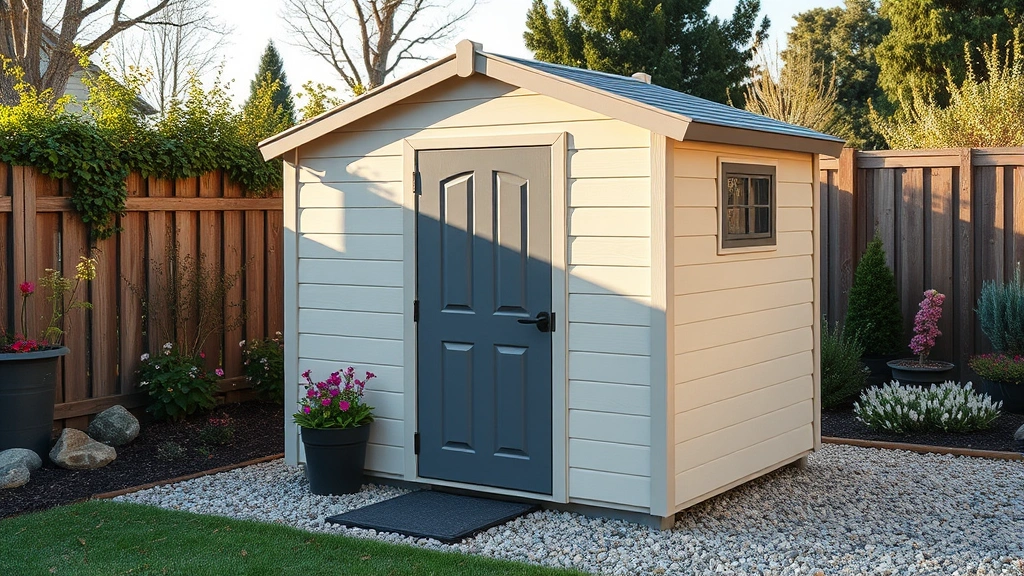
Site preparation proves equally important. Level ground prevents door misalignment and water pooling. Many gardeners fail to account for grading or foundation work, discovering after delivery that uneven terrain compromises the shed. Consider installing a gravel base, concrete pad, or paver foundation—investments that enhance longevity by preventing ground moisture contact.
Delivery logistics matter significantly. Some Sam’s Club locations offer installation services, while others require arranging independent contractors. Verify delivery and setup options before purchasing, as these services dramatically impact true project costs.
Storage Organization for Gardening Tools
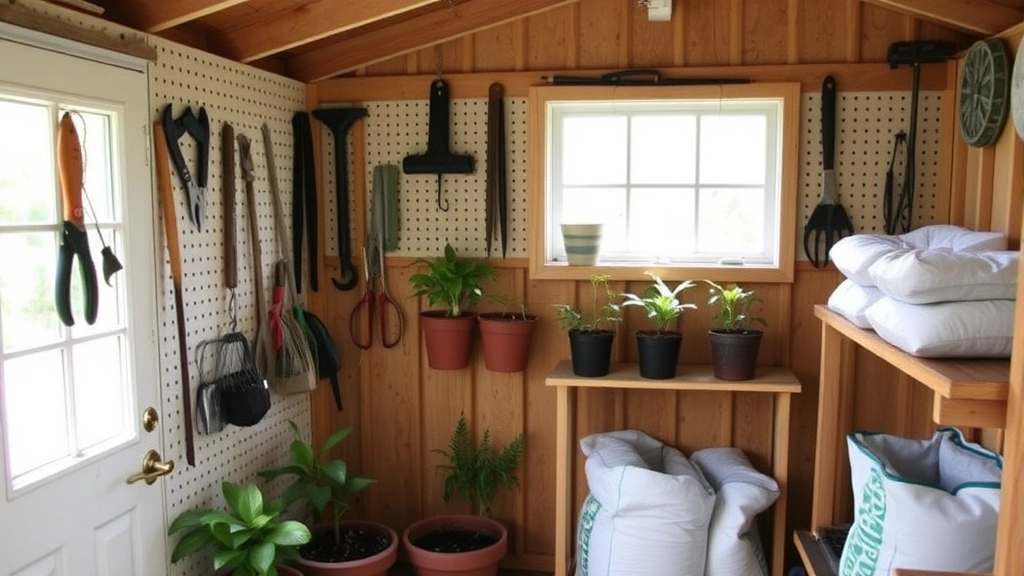
A Sam’s Club garden shed’s value multiplies when organized strategically. Vertical storage maximizes limited space—wall-mounted pegboards accommodate hand tools, pruning shears, and small implements. Magnetic strips organize metal tools while protecting their edges. Overhead storage using ceiling-mounted shelving stores seasonal items, protecting frequently-used equipment at eye level.
Categorize storage zones: tool station, supply storage, equipment area, and potting workspace. This organization prevents frantically searching for items during planting seasons. Many gardeners dedicate one corner for protective gardening gloves, first-aid supplies, and quick-access items. Another section handles bulk supplies—potting soil, mulch bags, and fertilizer containers.
Climate control considerations affect storage success. Ensure adequate ventilation to prevent tool rust and seed deterioration. Some gardeners install simple battery-powered fans or solar vents to maintain air circulation, particularly important in humid climates where moisture accumulation threatens equipment.
Weather Protection and Durability
A primary shed investment justification involves protecting expensive equipment and supplies from weather extremes. Quality Sam’s Club sheds shield tools from UV radiation, rain, snow, and temperature fluctuations—extending equipment lifespan significantly. A $1,000 shed protecting $3,000+ in tools, equipment, and supplies easily justifies the investment.
Roof design critically impacts protection. Peaked roofs shed snow and rain more effectively than flat designs, important for gardeners in regions experiencing heavy precipitation or snow load. Gutters and downspouts direct water away from the structure, preventing foundation saturation and extending shed longevity.
Extreme weather presents challenges. In hurricane or tornado-prone regions, verify anchoring systems and wind-rating specifications. Sam’s Club sheds vary in wind resistance—some rated for 60+ mph winds, others for lower speeds. This specification directly impacts your shed’s survival during severe weather events.
Comparing to Alternative Storage Options
Before committing to a Sam’s Club garden shed, consider alternatives. Garage corner storage, wall-mounted racks, and garden benches with built-in compartments serve smaller gardening operations. However, dedicated outdoor sheds offer advantages these options cannot match: weather protection, security against tool theft, and space segregation that keeps gardening equipment separate from household items.
DIY shed construction appeals to some gardeners, potentially costing less for simple designs. However, time investment, skill requirements, and material sourcing often exceed Sam’s Club convenience and warranty protection. Pre-fabricated sheds eliminate construction headaches while maintaining affordability.
Renting storage space at community gardens provides alternatives for apartment dwellers or those with limited space. However, this option typically costs $50-$200 monthly and provides no protection for your personal equipment. For homeowners with available yard space, owning a shed offers superior economics long-term.
Maximizing Your Shed Investment
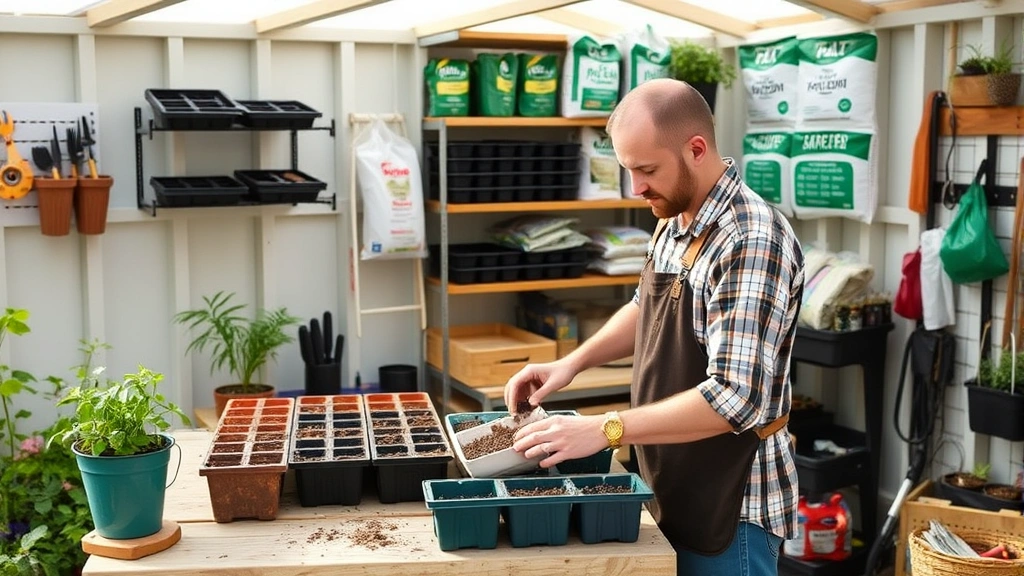
Transform your Sam’s Club garden shed from simple storage into a functional gardening workspace. Install a potting bench inside, creating a dedicated area for seed starting, transplanting, and soil mixing. This consolidates messy tasks while protecting your home’s interior from soil and moisture.
Establish a tool maintenance station with oil, sharpening stones, and cleaning supplies. Regular maintenance—cleaning tools after use, sharpening blades, and protecting metal from rust—extends equipment lifespan dramatically. A shed workspace encourages these habits by providing dedicated, convenient locations for maintenance tasks.
Consider electrical installation for lighting and charging equipment. Many gardeners install simple LED strip lighting on shed ceilings, dramatically improving visibility and making evening tool searches practical. Weatherproof outlets support charging battery-powered tools, extending their operational efficiency during growing seasons.
Security features protect valuable equipment. Padlocks, door reinforcements, and even motion-sensor lighting deter theft. If you store expensive equipment—power tools, irrigation systems, or specialized implements—these investments prove worthwhile.
Seasonal flexibility matters. Use shed space for off-season storage of patio furniture, seasonal decorations, or items from local garden centers awaiting spring planting. This flexibility maximizes year-round value beyond pure gardening applications.
FAQ
How long do Sam’s Club garden sheds typically last?
Quality plastic resin sheds last 15-20+ years with minimal maintenance. Metal-frame models may last 10-15 years depending on climate and maintenance. Proper grounding, ventilation, and seasonal maintenance extend lifespan considerably. Harsh climates with extreme temperature swings or intense UV exposure may reduce durability somewhat.
Can I modify a Sam’s Club garden shed after purchase?
Yes, most sheds accommodate modifications. You can install shelving, workbenches, electrical outlets, and ventilation systems. However, verify warranty terms before making structural changes. Modifications like cutting doors or windows may void warranties while affecting weatherproofing.
Are Sam’s Club garden sheds suitable for harsh climates?
This depends on your specific climate and shed model. Models rated for higher wind speeds perform better in hurricane-prone regions. In extremely hot climates, light-colored sheds resist heat absorption better than dark ones. For very cold regions, ensure adequate ventilation prevents condensation damage. Research specific model specifications against your regional weather patterns.
Do I need a building permit for a Sam’s Club garden shed?
Requirements vary by jurisdiction. Many areas exempt small sheds (under 100-200 square feet) from permits, while others require them regardless of size. Check local building codes before purchasing. Some municipalities impose setback requirements (distance from property lines) affecting placement options.
What’s the best foundation for a garden shed?
Gravel bases work adequately for smaller sheds, while concrete pads provide superior longevity in wet climates. Paver foundations offer middle-ground solutions with reasonable cost and performance. Avoid direct ground contact; all options should elevate the shed slightly to prevent moisture infiltration.
Can I use a Sam’s Club garden shed for purposes beyond tool storage?
Absolutely. Many gardeners use sheds as potting workspaces, seed-starting stations, or weather-protected garden offices. Some install shelving for nursery operations or propagation work. However, verify that modifications don’t violate homeowners association rules or local ordinances if applicable.


