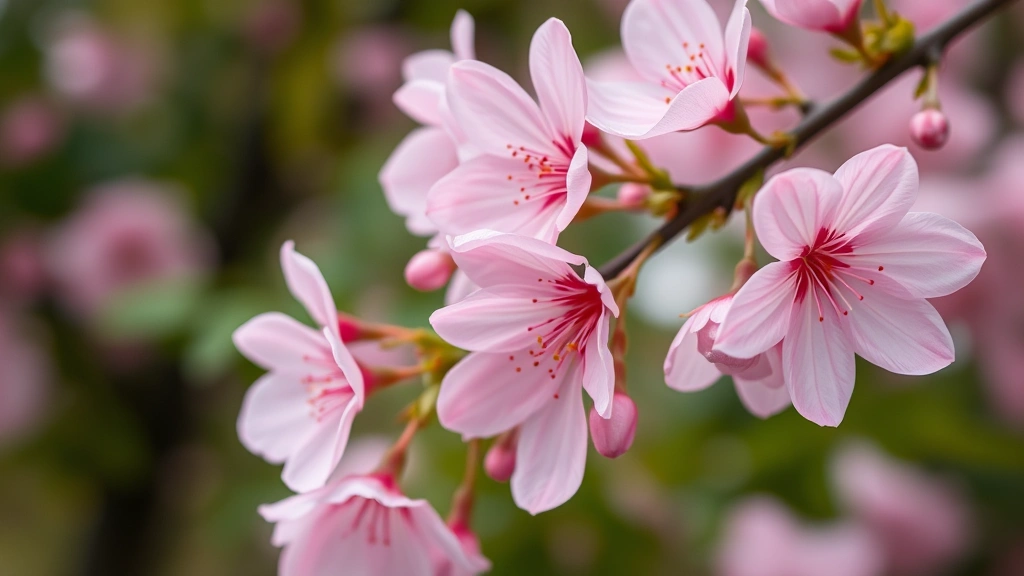
Sakura Gardens: Expert Care Tips for Your Haven
Creating a stunning sakura garden transforms your outdoor space into a serene Japanese-inspired sanctuary. Cherry blossoms captivate gardeners worldwide with their delicate pink and white flowers, ephemeral beauty, and cultural significance. Whether you’re planning your first sakura garden or enhancing an existing landscape, understanding proper care techniques ensures these magnificent trees thrive for decades.
A well-maintained sakura garden requires knowledge of soil conditions, watering schedules, pruning methods, and pest management. This comprehensive guide provides expert insights to help you cultivate a flourishing cherry blossom haven that becomes the envy of your neighborhood.
Selecting the Right Sakura Varieties
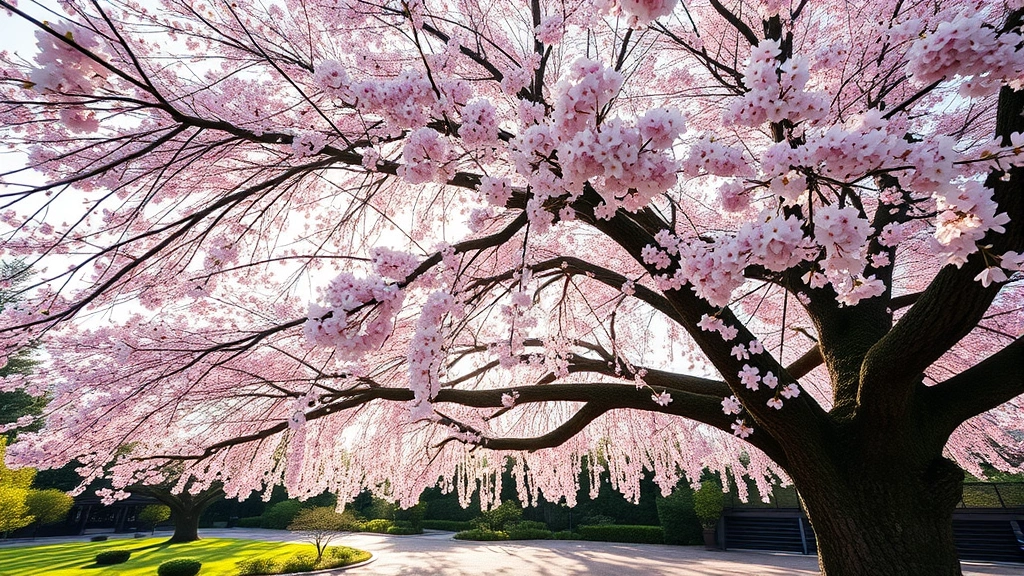
Choosing appropriate sakura varieties forms the foundation of a successful garden. Different cherry blossom cultivars possess distinct characteristics, bloom times, and growing requirements. Understanding these differences helps you select trees suited to your climate zone and aesthetic preferences.
Popular sakura varieties include:
- Yoshino Cherry (Prunus x yedoensis) – The most famous variety, featuring pale pink blossoms and graceful weeping branches. These trees grow 40-50 feet tall and bloom mid-spring.
- Kwanzan Cherry (Prunus serrulata ‘Kwanzan’) – Produces double pink flowers resembling pompoms. This variety reaches 30-40 feet and flowers slightly later than Yoshino types.
- Weeping Cherry (Prunus subhirtella ‘Pendula’) – Features cascading branches with delicate pink blossoms. Perfect for smaller gardens and focal points.
- Okame Cherry (Prunus x incamp ‘Okame’) – An early bloomer with carmine-pink flowers. Excellent cold-hardiness makes it suitable for northern regions.
- Autumn Cherry (Prunus subhirtella ‘Autumnalis’) – Unique variety blooming in both fall and spring. Provides extended flowering periods.
When selecting varieties, consider your USDA hardiness zone, available space, and desired bloom time. Mixing early, mid-season, and late-blooming varieties extends your sakura garden’s visual appeal throughout spring.
Soil Preparation and Site Selection
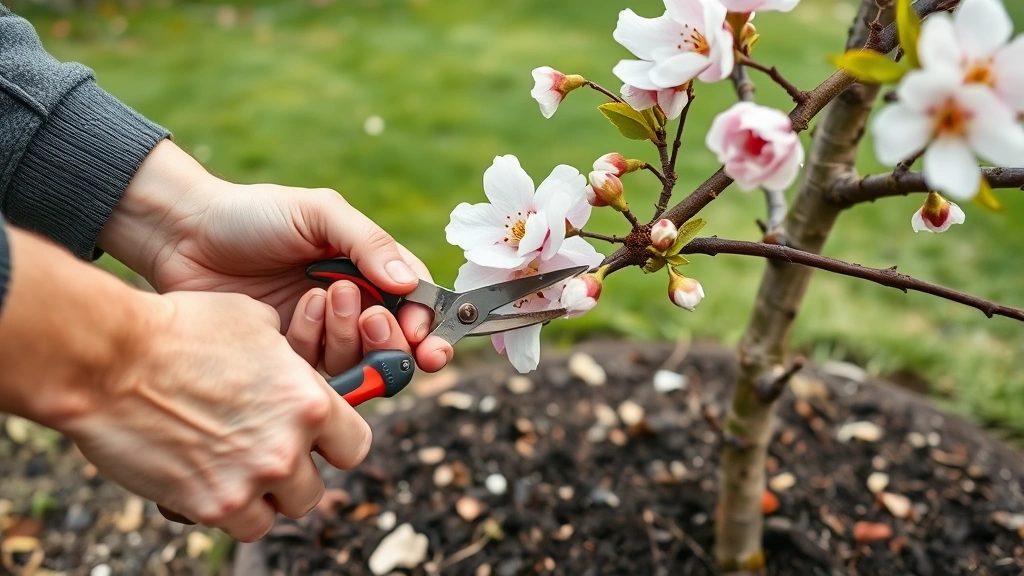
Sakura trees demand well-draining soil and proper site conditions to flourish. Poor drainage causes root rot and fungal diseases, common problems in sakura gardens. Before planting, assess your location’s sunlight, drainage, and soil composition.
Ideal site characteristics:
- Full sun exposure (minimum 6 hours daily) promotes vigorous growth and abundant flowering
- Well-draining soil with slightly acidic to neutral pH (6.0-7.0)
- Protection from strong winds that damage delicate blossoms
- Adequate air circulation to prevent fungal infections
- Space away from structures and other trees for proper canopy development
Amend heavy clay soils with organic compost, aged bark, and perlite to improve drainage. Sakura trees struggle in waterlogged conditions, making drainage amendments essential. Mix 3-4 inches of quality compost into the top 12-18 inches of soil before planting.
Test your soil pH using a home testing kit or through your local Sustainable Agriculture Research and Education program. If pH exceeds 7.5, incorporate sulfur amendments gradually over several months. Conversely, if soil is too acidic, add lime to reach optimal pH levels.
Planting Your Sakura Trees
Proper planting technique significantly impacts long-term tree health and establishment success. The best planting time depends on your climate zone—spring planting works well in cold regions, while fall planting suits warmer climates.
Step-by-step planting instructions:
- Dig a hole 2-3 times wider than the root ball but no deeper than the original container height
- Loosen compacted soil at the hole bottom to encourage root penetration
- Position the tree so the root collar remains slightly above ground level
- Backfill with amended soil, pressing gently to eliminate air pockets
- Create a watering basin around the tree using remaining soil
- Apply 3-4 inches of mulch, keeping it 6 inches away from the trunk
- Water thoroughly, providing 1-2 gallons immediately after planting
Avoid planting sakura trees too deeply—this common mistake leads to root collar rot and tree decline. The root flare should remain visible and slightly above the soil surface. Staking may be necessary for young trees in windy locations, using soft ties to prevent trunk damage.
Watering and Irrigation Guidelines
Establishing proper watering practices ensures sakura trees develop strong root systems and maintain vigor. Young trees require consistent moisture during their first growing season, while established trees need supplemental watering during dry periods.
Watering schedule recommendations:
- First year – Water deeply 2-3 times weekly, providing 1-2 inches per week
- Established trees – Water during dry spells when rainfall is less than 1 inch weekly
- Growing season – Monitor soil moisture regularly, especially during spring growth and summer heat
- Post-planting – Continue supplemental watering through the first autumn to encourage root establishment
Water at the tree’s base rather than overhead to minimize fungal disease pressure. Drip irrigation or soaker hoses deliver water directly to the root zone, improving efficiency. Morning watering allows foliage to dry quickly, reducing disease susceptibility.
Reduce watering frequency during dormant winter months. However, provide supplemental water during dry winters in regions with minimal precipitation. Check soil moisture by inserting a finger 2-3 inches deep—water when soil feels dry at this depth.
Pruning Techniques for Optimal Growth
Strategic pruning maintains sakura tree shape, promotes flowering, and prevents disease. Unlike aggressive pruning methods used for roses as described in our rose pruning guide, sakura trees require gentle, selective pruning to preserve their natural form.
Pruning best practices:
- Prune during late winter or early spring, before active growth begins
- Remove dead, diseased, or crossing branches using sharp, sterilized tools
- Make cuts at 45-degree angles, ¼ inch above outward-facing buds
- Avoid heavy pruning that removes more than 25% of the canopy annually
- Never top trees or create flat-topped canopies
- Remove suckers and water sprouts as they emerge
- Thin crowded branches to improve air circulation
Sakura trees bloom on previous season’s growth, so excessive pruning reduces flower production. Plan pruning to maintain the tree’s natural silhouette while removing problematic branches. Use proper pruning techniques to create clean cuts that heal quickly, preventing disease entry points.
For weeping varieties, selective pruning directs growth downward while maintaining the cascading form. Remove upright-growing branches competing with the weeping leader. This intentional shaping creates the dramatic fountain-like appearance these varieties are prized for.
Seasonal Care Schedule
Following a seasonal care calendar ensures you address sakura trees’ needs at optimal times. Each season presents different management opportunities and challenges.
Spring care (bloom through early growth):
- Monitor for pests and diseases as temperatures warm
- Apply slow-release fertilizer after blooming concludes
- Maintain consistent watering as new growth emerges
- Deadhead spent flowers if desired for aesthetic purposes
- Inspect for winter damage and remove affected branches
Summer maintenance:
- Water deeply during dry periods, especially for young trees
- Monitor for pest infestations and disease symptoms
- Mulch refresh to maintain 3-4 inch depth
- Avoid pruning during active growth when trees are stressed
- Watch for leaf scorch in extremely hot climates
Fall preparation:
- Reduce watering frequency as growth slows
- Allow leaves to remain on trees to maximize nutrient recovery
- Avoid fall fertilization that stimulates tender new growth
- Clean fallen leaves to reduce disease overwintering sites
- Prepare trees for winter dormancy
Winter dormancy:
- Prune during late winter when trees are dormant
- Provide water during dry winter periods
- Protect young trees from deer browse with fencing
- Inspect for winter damage and pest activity
- Plan spring maintenance and any necessary tree care
Common Pests and Diseases
Healthy sakura trees resist most pest and disease problems, but several issues commonly affect these ornamental specimens. Early detection and intervention prevent serious damage.
Major pest concerns:
- Japanese beetles – Skeletonize leaves during summer. Hand-pick beetles early morning or apply neem oil treatments.
- Aphids – Cluster on new growth, causing distortion. Spray forceful water streams or apply insecticidal soap.
- Scale insects – Appear as bumps on branches. Use horticultural oils during dormant season.
- Spider mites – Create fine webbing and cause stippled leaves in hot, dry conditions. Increase humidity through regular misting.
Disease management:
- Cherry leaf spot – Brown spots with yellow halos on leaves. Improve air circulation and remove infected foliage.
- Powdery mildew – White coating on leaves and stems. Apply sulfur dust or fungicidal sprays.
- Black knot – Black, warty growths on branches. Prune affected branches 6 inches below knots.
- Root rot – Most serious problem, caused by poor drainage. Ensure well-draining soil and avoid overwatering.
Maintain tree vigor through proper cultural practices—adequate sunlight, appropriate watering, and good air circulation prevent most problems. Remove and destroy severely infected branches to prevent disease spread.
Companion Planting Ideas
Strategic companion planting enhances your sakura garden’s visual appeal while supporting ecosystem health. Consider fairy garden ideas or garden decor elements to create layered interest beneath and around your sakura trees.
Excellent companion plants for sakura gardens:
- Hostas – Shade-tolerant foliage plants that thrive beneath sakura canopies. Their textured leaves contrast beautifully with delicate blossoms.
- Shade perennials – Hellebores, astilbes, and coral bells provide seasonal interest and cover bare ground.
- Spring bulbs – Daffodils, tulips, and hyacinths bloom simultaneously with sakura, creating spectacular color combinations.
- Groundcovers – Japanese forest grass, creeping thyme, and sedums soften garden edges.
- Understory shrubs – Dwarf maples, rhododendrons, and Japanese pieris add layered structure.
- Ornamental grasses – Provide vertical interest and movement that complements static tree forms.
Avoid planting aggressive competitors or plants requiring excessive moisture near sakura roots. Space plantings appropriately to prevent competition for nutrients and water. This layered approach creates a sophisticated landscape that extends visual interest beyond the brief spring bloom period.
For additional gardening inspiration, explore raised bed gardening advantages for vegetable integration or indoor herb garden techniques for culinary gardens complementing your landscape.
FAQ
How long do sakura trees live?
Most sakura varieties live 30-50 years with proper care, though some long-lived specimens exceed 100 years. Consistent maintenance, disease prevention, and appropriate pruning extend lifespan significantly.
Can I grow sakura trees in containers?
Smaller varieties like weeping cherries thrive in large containers (24+ inches diameter). Container trees require more frequent watering, regular fertilization, and winter protection in cold climates. Repot every 2-3 years to prevent root-bound conditions.
When do sakura trees bloom?
Bloom timing varies by variety and climate. Early bloomers flower in March-April, mid-season varieties in April-May, and late bloomers in May. Temperature fluctuations affect exact timing—warm springs advance flowering, while cool springs delay blooms.
Do sakura trees require fertilizer?
Established trees need minimal fertilization in nutrient-rich soils. Apply slow-release, balanced fertilizer (10-10-10) after blooming concludes. Avoid high-nitrogen formulations that promote excessive foliage at the expense of flowers.
What’s the best time to plant sakura trees?
Spring planting (March-April) works best in cold climates, allowing trees to establish roots before winter. Fall planting (September-October) suits warmer regions where trees establish during mild winters. Avoid planting during extreme heat or cold.
How do I prevent sakura blossom blast?
Blossom blast—where buds fail to open—results from temperature fluctuations, particularly warm periods followed by hard freezes. Choose cold-hardy varieties, plant in protected locations, and avoid late-season fertilization that stimulates tender growth.
Can I propagate sakura trees from cuttings?
Most ornamental sakuras are grafted cultivars difficult to propagate reliably from cuttings. Purchase from reputable nurseries rather than attempting propagation. Softwood cuttings taken in early summer occasionally root with hormone treatment and proper humidity.
What’s the difference between ornamental and edible cherry trees?
Ornamental sakura varieties produce abundant flowers but small, inedible fruit. Edible cherry trees produce larger fruit but fewer or less showy flowers. Choose based on your garden’s primary purpose—visual beauty or fruit production.


