
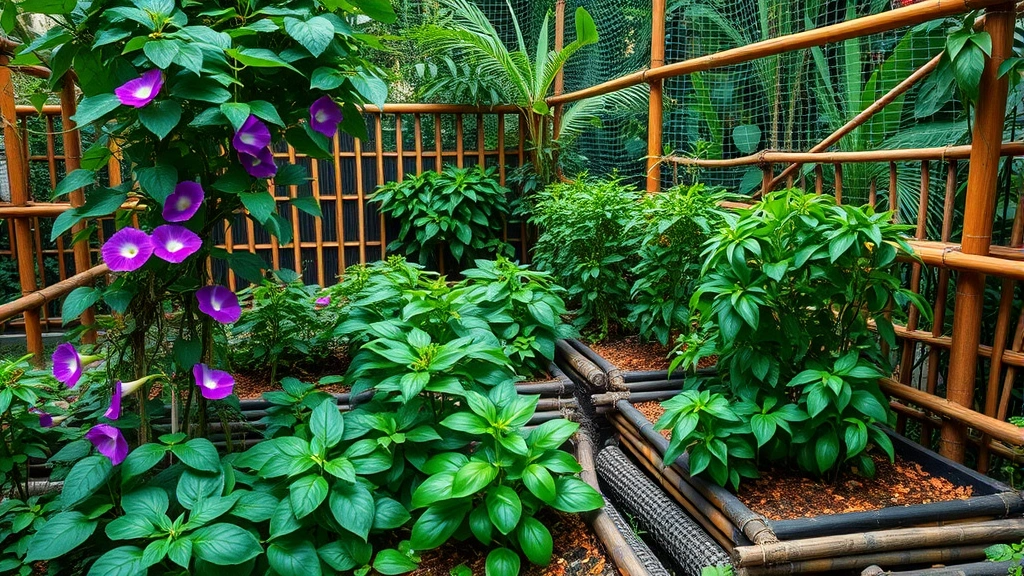
Saigon’s garden represents a fascinating intersection of tropical horticulture, traditional Vietnamese farming practices, and modern urban gardening innovation. Located in Ho Chi Minh City, this vibrant garden space showcases the rich biodiversity of Southeast Asia while offering practical insights for gardeners worldwide. Whether you’re a seasoned horticulturist or a curious beginner, understanding Saigon’s garden philosophy can transform how you approach plant cultivation, seasonal planning, and sustainable growing methods.
The garden serves as both a living laboratory and a community hub where visitors discover how to grow tropical plants, navigate monsoon seasons, and maximize limited urban spaces. Local gardeners have perfected techniques for managing humidity, intense heat, and seasonal flooding—challenges that resonate with gardeners in warm climates everywhere. This guide explores the essential features, plant varieties, and practical wisdom that make Saigon’s garden a model for tropical and subtropical gardening success.
Understanding Saigon’s Garden Climate and Growing Conditions
Saigon’s garden operates within a tropical monsoon climate characterized by two distinct seasons: the hot, wet southwest monsoon (May to September) and the cooler, drier northeast monsoon (October to April). This climate pattern fundamentally shapes every gardening decision, from plant selection to watering schedules and pest management strategies.
The average temperature in Ho Chi Minh City ranges from 24°C to 35°C (75°F to 95°F) year-round, with humidity levels frequently exceeding 80 percent. These conditions create an ideal environment for tropical plants but present challenges for gardeners accustomed to temperate climates. Understanding microclimates within your garden space becomes crucial—areas receiving afternoon shade perform differently than exposed sections, and proximity to water features or buildings influences local temperature and humidity patterns.
Rainfall during monsoon season can exceed 1,500mm annually, concentrated primarily between May and October. This abundance requires sophisticated drainage planning to prevent waterlogging and root rot. Conversely, the dry season demands efficient irrigation systems to maintain consistent soil moisture. Local gardeners in Saigon have developed proven methods for managing these extremes, often incorporating raised garden beds with breeze blocks to improve drainage and create better growing conditions during wet periods.
Sunlight intensity in Saigon is significantly stronger than in temperate regions due to proximity to the equator. Many plants that thrive in full sun elsewhere require afternoon shade protection to prevent leaf scorch and excessive water loss. Understanding your garden’s light patterns throughout the year helps optimize plant placement and productivity.
Essential Plants Thriving in Saigon’s Garden
Saigon’s garden showcases an impressive array of tropical and subtropical plants perfectly adapted to local conditions. These species represent centuries of cultivation knowledge passed down through Vietnamese gardening traditions and modern horticultural research.
Vegetables and Herbs: Morning glory (rau muống) remains a staple crop, thriving in Saigon’s warm, humid conditions and producing continuous harvests. Basil varieties flourish year-round, with Thai basil and Vietnamese cinnamon basil particularly popular for culinary applications. Bitter melon, yard-long beans, and chili peppers represent other essential crops that gardeners cultivate successfully. Mint species grow vigorously, sometimes requiring containment to prevent overgrowth. Lemongrass establishes itself readily and provides multiple harvests annually.
Fruit Trees: Mango, papaya, and guava trees thrive in Saigon’s climate, producing abundant fruit with minimal intervention. Passion fruit vines climb trellises enthusiastically, while custard apple and dragon fruit represent specialty crops gaining popularity among urban gardeners. Banana plants grow rapidly and provide both fruit and attractive foliage. Coconut palms, though requiring space, represent iconic tropical specimens.
Ornamental Plants: Bougainvillea displays spectacular color throughout warm months, requiring minimal water once established. Ixora produces clusters of vibrant flowers continuously. Orchids, particularly vandas and dendrobiums, flourish in Saigon’s humidity. Anthurium thrives as both potted and landscape plants. Ferns of various species appreciate the humid conditions, particularly in shaded areas.
Medicinal and Specialty Plants: Turmeric, galangal, and ginger establish productive rhizome crops. Holy basil holds cultural and medicinal significance. Aloe vera grows successfully in containers or landscape beds. Moringa trees provide nutritious leaves for consumption.
Water Management and Irrigation Strategies
Water management represents perhaps the most critical aspect of successful gardening in Saigon. The challenge involves managing opposite extremes: excess water during monsoon season and potential drought stress during dry months.
Drainage Systems: Proper drainage prevents waterlogging and fungal diseases that thrive in saturated soil. Incorporating organic matter improves soil structure and drainage capacity. Cement block raised bed gardens elevate growing areas above ground level, facilitating water movement and reducing standing water issues. Sloped garden beds direct excess water away from plant root zones. French drains and swales manage runoff during heavy rainfall periods.
Irrigation During Dry Season: Despite monsoon rainfall, the dry season demands supplemental watering. Drip irrigation systems deliver water directly to root zones, minimizing waste and reducing disease pressure on foliage. Soaker hoses provide efficient watering for vegetable beds. Selecting the best garden hose for tropical conditions ensures durability against UV exposure and temperature fluctuations. Mulching heavily reduces evaporation and maintains consistent soil moisture.
Water Collection and Conservation: Rainwater harvesting captures monsoon runoff for dry season use. Rain barrels and cisterns store water efficiently. Swales and berms direct rainfall toward plant root zones. Greywater systems recycle household water for garden irrigation where local regulations permit.
Timing and Frequency: Early morning watering reduces disease pressure and allows foliage to dry quickly. During monsoon season, watering frequency decreases dramatically or ceases entirely. Monitoring soil moisture through simple finger tests guides irrigation decisions. Mulched beds require less frequent watering than bare soil.
Soil Preparation and Bed Construction
Saigon’s tropical soils often lack organic matter and can become compacted, particularly in urban areas. Building healthy soil forms the foundation for productive gardens and resilient plants.
Soil Assessment: Testing local soil reveals pH, nutrient levels, and texture. Tropical soils frequently trend acidic, requiring lime amendments to raise pH. Sandy or clay-heavy soils benefit from substantial organic matter incorporation. Understanding your baseline soil condition guides amendment strategies.
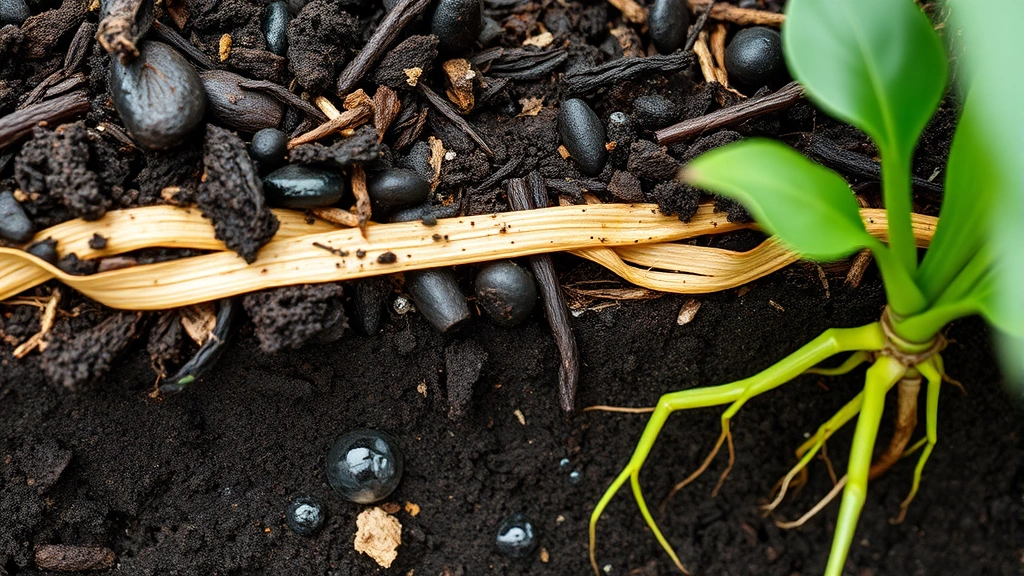
Organic Matter Integration: Compost production from kitchen scraps and garden waste enriches soil structure. Coconut coir, abundant in Southeast Asia, improves water retention and aeration. Well-rotted manure contributes nutrients and organic material. Leaf mold from decomposed vegetation builds soil fertility. Incorporating these amendments annually maintains soil health in the tropical environment’s demanding conditions.
Raised Bed Construction: Constructing a raised garden offers numerous advantages in tropical climates. Elevated beds warm faster in cooler months, facilitate drainage during wet season, reduce pest pressure from soil-dwelling organisms, and provide ergonomic growing height. Local materials like bamboo, reclaimed wood, or concrete blocks create durable structures. Filling raised beds with quality soil mixtures ensures consistent growing conditions.
Mulching Practices: Organic mulches regulate soil temperature, conserve moisture, suppress weeds, and gradually decompose to improve soil structure. Coconut husks, wood chips, and straw provide excellent mulching materials. Maintaining 5-10cm mulch depth around plants protects soil during heavy rainfall while reducing evaporation during dry periods. Avoiding mulch contact with plant stems prevents rot and disease.
Seasonal Gardening Calendar for Saigon
May to September (Southwest Monsoon – Hot and Wet): This season presents both challenges and opportunities. Rainfall provides abundant water, reducing irrigation needs. However, high humidity creates ideal conditions for fungal diseases and pests. Focus on plants that tolerate wet conditions: water spinach, morning glory, okra, and sweet potato. Increase spacing between plants to improve air circulation. Monitor for powdery mildew, leaf spots, and root rot. Avoid heavy fertilization, as excessive nitrogen promotes soft, disease-prone growth. Maintain drainage systems and clear gutters regularly. Propagate plants from cuttings—the humidity favors rooting success.
October to April (Northeast Monsoon – Cooler and Drier): This season offers ideal growing conditions for most crops. Temperatures moderate, humidity decreases, and rainfall diminishes. Plant cool-season vegetables like leafy greens, cabbage, and broccoli. Established perennials require supplemental watering. Fertilize actively growing plants to support productivity. Reduce mulch depth slightly to allow soil warming. Harvest fruits and vegetables at peak ripeness. Prune plants to encourage shape and productivity. Control pests more easily as conditions become less humid.
Transition Months: April and May mark the shift toward monsoon season. Reduce watering frequency as rainfall increases. Adjust plant spacing before dense growth becomes difficult. May represents the final window for planting monsoon-tolerant crops. September and October signal the transition to cooler, drier conditions. Plant cool-season crops in September to establish before optimal October-April conditions.
Urban Gardening Solutions in Saigon
Urban gardeners in Saigon navigate space constraints, limited soil depth, and environmental challenges while producing food and creating green spaces in densely populated areas.
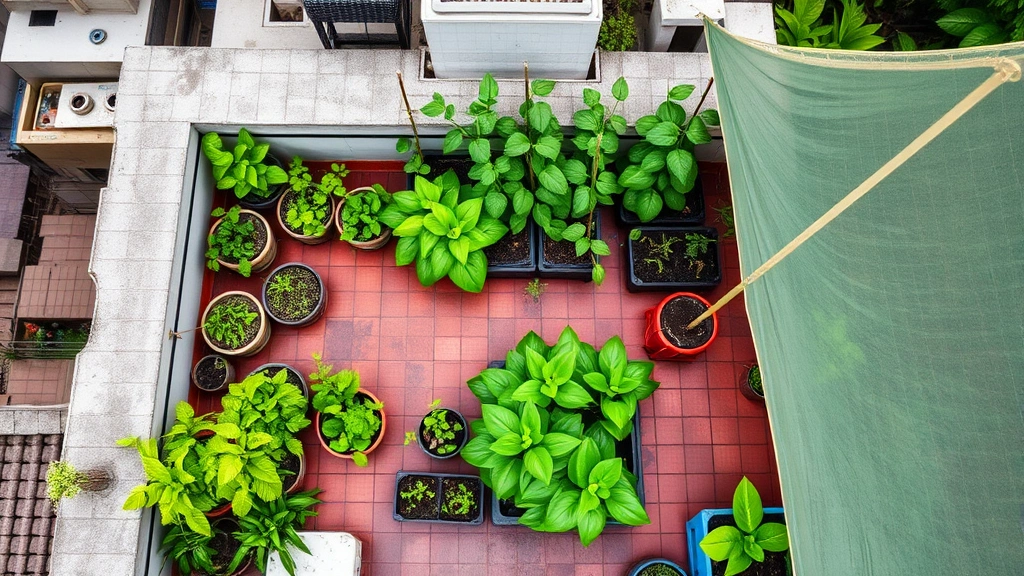
Container Gardening: Pots, buckets, and recycled containers enable gardening on balconies, rooftops, and patios. Drainage holes prevent waterlogging. Quality potting mix ensures healthy root development. Selecting appropriate container size for mature plant growth prevents overcrowding and nutrient depletion. Grouping containers together creates microclimates and reduces water loss. Regular fertilization compensates for nutrient leaching in container environments.
Vertical Growing Systems: Wall-mounted planters, trellises, and hanging baskets maximize limited space. Vine crops like bitter melon and yard-long beans climb readily, producing abundant harvests in minimal footprint. Green walls and living fences provide privacy while producing food or ornamental interest. Vertical systems improve air circulation around foliage, reducing disease pressure.
Rooftop Gardens: Many Saigon residents cultivate productive rooftop spaces. Lightweight potting mixes reduce structural load. Wind exposure requires sturdy plant selection and adequate staking. Reflective surfaces can increase light availability for shade-tolerant plants. Proper waterproofing protects building structures from root penetration and water damage.
Balcony Gardening: Compact spaces demand careful plant selection and arrangement. Hanging baskets utilize vertical space without requiring floor area. Railing-mounted planters create defined growing zones. Shade from adjacent buildings influences plant selection significantly. Weight distribution prevents structural stress on balcony supports.
Community Spaces: Edging a garden properly in community spaces defines growing areas and prevents encroachment. Shared gardens strengthen neighborhood bonds while producing food collectively. Communal composting systems manage organic waste sustainably. Educational programs teach gardening skills across age groups and experience levels.
Shade Management: Garden cloth shade structures protect sensitive plants from intense afternoon sun while maintaining adequate light for photosynthesis. Shade cloths ranging from 30 to 50 percent density suit different plant requirements. Retractable systems provide flexibility between seasons. Natural shade from trees or buildings reduces heat stress on understory plants.
FAQ
What are the best vegetables to grow in Saigon’s climate?
Morning glory (rau muống), yard-long beans, bitter melon, chili peppers, and leafy greens thrive in Saigon. During cooler months (October-April), broccoli, cabbage, and other brassicas perform excellently. Herbs like basil, mint, and lemongrass grow year-round with minimal intervention.
How do I prevent waterlogging during monsoon season?
Incorporate abundant organic matter to improve soil structure and drainage. Construct raised beds that elevate planting areas above ground level. Install French drains or swales to direct excess water away from plant root zones. Space plants adequately to improve air circulation. Avoid overwatering during wet periods when rainfall provides ample moisture.
Can I grow tropical fruit trees in containers?
Yes, dwarf varieties of mango, papaya, and banana grow successfully in large containers. Use quality potting mix with excellent drainage. Provide regular fertilization to support fruit production. Ensure adequate sunlight—at least 6-8 hours daily. Bring sensitive species indoors during cooler months if growing outside tropical regions.
What’s the best time to plant in Saigon?
October through November offers optimal conditions for most crops as the dry season begins and temperatures moderate. May through June suits monsoon-tolerant plants. August through September allows establishing cool-season crops before October’s ideal growing conditions commence.
How often should I water during the dry season?
Watering frequency depends on soil type, mulch coverage, and plant age. Generally, water when the top 2-3cm of soil becomes dry. Mulched beds require less frequent watering than bare soil. Mature, established plants need less water than newly planted specimens. Morning watering prevents disease and allows foliage to dry quickly.
Are there resources for learning more about tropical gardening?
The University of Florida IFAS Extension provides excellent tropical horticulture information. The American Horticultural Society offers resources on warm-climate gardening. Vietnam’s Ho Chi Minh City government website occasionally features local gardening initiatives. The USDA Plant Hardiness Zone Map helps identify suitable plants for tropical regions. Master Gardener programs in warm climates provide hands-on training and local expertise.