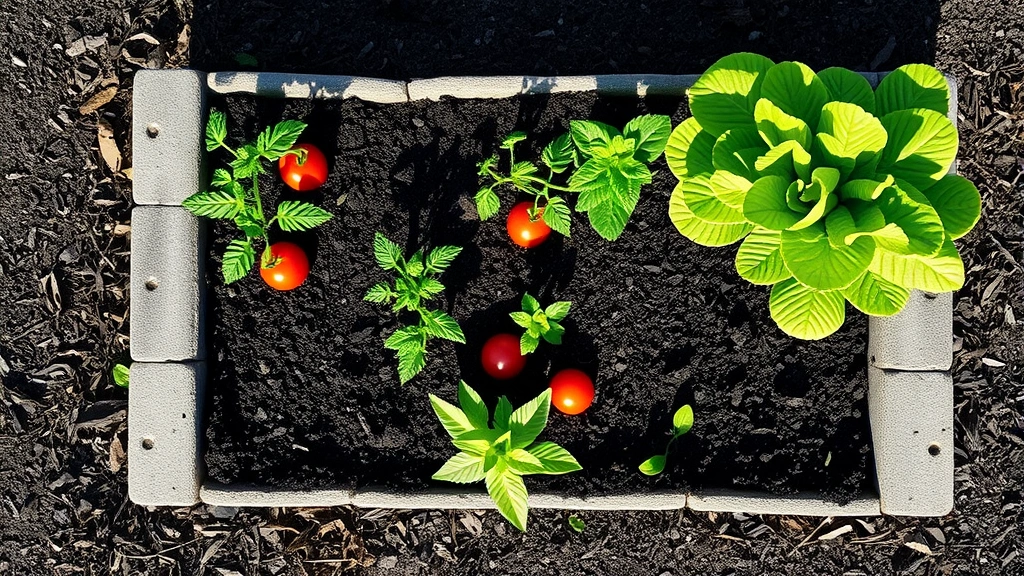
Raised Concrete Beds: Expert Design & Tips for Durable Garden Structures
Raised concrete block garden beds offer gardeners a practical, long-lasting solution for growing vegetables, herbs, and ornamental plants. Unlike wooden raised beds that require replacement every five to ten years, concrete blocks provide structural integrity that can last decades with minimal maintenance. Whether you’re starting a vegetable garden in limited space or creating defined planting zones in your landscape, understanding how to design and construct raised concrete beds properly ensures years of successful gardening.
Concrete block beds combine accessibility, durability, and aesthetic appeal. They elevate your planting area above ground level, improving drainage, reducing pest pressure, and making garden maintenance easier on your back. This comprehensive guide walks you through everything from planning your bed layout to selecting the right soil amendments and choosing plants that thrive in this growing environment.
Why Choose Concrete Block Raised Beds
Raised concrete block garden beds deliver numerous advantages over traditional in-ground gardening and other raised bed materials. The structural integrity of concrete blocks ensures your bed maintains its shape and function for twenty years or more, making them an economical long-term investment. Unlike pressure-treated wood or cedar, concrete doesn’t decompose, splinter, or require regular sealing and maintenance.
Concrete blocks provide superior drainage control. By elevating soil above ground level, you create a buffer against waterlogging and soil-borne diseases that plague in-ground gardens. This elevated position also deters burrowing pests like moles and voles while making it harder for slugs and snails to access your plants. The raised height reduces strain on your knees and back during planting, weeding, and harvesting—a significant benefit for gardeners with mobility concerns.
The thermal properties of concrete also work in your favor. Concrete absorbs and radiates heat, warming soil earlier in spring and maintaining warmth longer into fall. This extended growing season proves particularly valuable in cooler climates where every additional week of frost-free days matters. Additionally, concrete blocks create clean aesthetic lines that complement modern landscape designs and integrate seamlessly with hardscape features like patios and walkways.
Planning Your Raised Bed Design
Successful concrete block raised beds begin with thoughtful planning. Before purchasing materials, assess your site’s sunlight exposure. Most vegetables require six to eight hours of direct sunlight daily, though leafy greens like lettuce tolerate partial shade. Map your yard throughout the day, noting areas where trees, structures, or slopes cast shadows.
Consider your bed dimensions carefully. Standard concrete blocks measure 8 inches wide by 16 inches long by 8 inches tall, though you can stack them to increase height. A comfortable working width ranges from three to four feet—anything wider makes reaching the center difficult. Length depends on available space and your aesthetic preferences, though beds between eight and twelve feet prove most practical. Deeper beds, created by stacking blocks two or three high, accommodate root vegetables and perennial plantings better than single-layer beds.
The layout should optimize accessibility. Plan pathways between beds that accommodate a wheelbarrow (typically 30 inches wide) and allow you to work comfortably on all sides. Consider how water will flow during heavy rains—position beds on slight slopes to direct runoff away from structures and neighbors’ properties. If your site has poor natural drainage, you may need to install a perforated drain pipe beneath or beside your beds.
Calculate your materials precisely. For a 4-foot by 8-foot bed with single-height blocks, you’ll need 18 blocks (accounting for corner overlaps). Double-height beds require 36 blocks. Purchase 10-15% extra to account for breakage and future repairs. Verify that your chosen blocks meet food-safety standards if you’re growing edibles—avoid blocks treated with questionable sealants or additives.
Building and Installation Process
Proper installation ensures your concrete block beds remain level and stable for years. Begin by marking your bed outline with string and stakes, ensuring corners form perfect right angles using the 3-4-5 triangle method. Remove grass and weeds from the footprint, then level the ground as much as possible. Uneven ground causes blocks to settle unevenly and creates water pooling problems.
Lay your first course of blocks directly on prepared soil without mortar—concrete block beds rely on gravity and their weight for stability. Ensure blocks sit level by checking frequently with a 2-foot level. For double or triple-stacked beds, you can use construction adhesive between courses for added stability, though this isn’t strictly necessary if blocks are properly aligned.
Once your frame is complete, address the interior. Install a landscape fabric barrier on the ground to suppress weeds and create a separation between existing soil and your new growing medium. This prevents soil mixing and reduces drainage of nutrients into subsoil. Alternatively, leave the bottom open if your existing soil is high-quality and well-draining.
Consider lining your bed with a plastic barrier if you’re concerned about contaminants in underlying soil or if you’re gardening in an urban environment where lead contamination might be present. Food-grade plastic works, though it reduces aeration slightly. Some gardeners prefer hardware cloth lining to protect against burrowing rodents.
Soil Preparation and Amendments
The success of your raised concrete beds depends largely on the quality of soil you fill them with. Rather than using native soil, most gardeners create a custom blend optimized for their specific plants. A general-purpose vegetable bed mixture combines equal parts high-quality garden soil, compost, and coconut coir or peat moss. This blend provides nutrients, water retention, and excellent drainage.
Begin by properly preparing your garden soil before adding it to your beds. Screen out rocks, roots, and debris. If starting with poor-quality native soil, consider using a soilless mix instead—professional gardeners often use a blend of 50% compost, 25% perlite or vermiculite, and 25% peat moss or coconut coir for optimal results in containers and raised beds.
Incorporate organic matter generously. Compost improves soil structure, increases microbial activity, and provides slow-release nutrients. Well-aged manure, shredded leaves, and grass clippings (from untreated lawns) all contribute valuable organic matter. For vegetable beds, aim for a soil composition with at least 30% organic matter by volume when first filling your beds.
Add slow-release fertilizers appropriate to your plants. For general vegetable beds, incorporate balanced fertilizers like 10-10-10 or amendments like rock phosphate and kelp meal. If growing acid-loving plants like blueberries, amend soil with sulfur to lower pH to the 4.5-5.5 range they require. Test your soil pH and nutrient levels before planting if possible—your local extension service offers affordable soil testing.
Expect soil to settle considerably during the first year, particularly if you use a high percentage of compost. Plan to add supplemental soil or compost in early spring and again mid-summer to maintain desired depth. This settling actually benefits your beds by increasing soil density and creating better plant-root contact.
Plant Selection for Concrete Beds
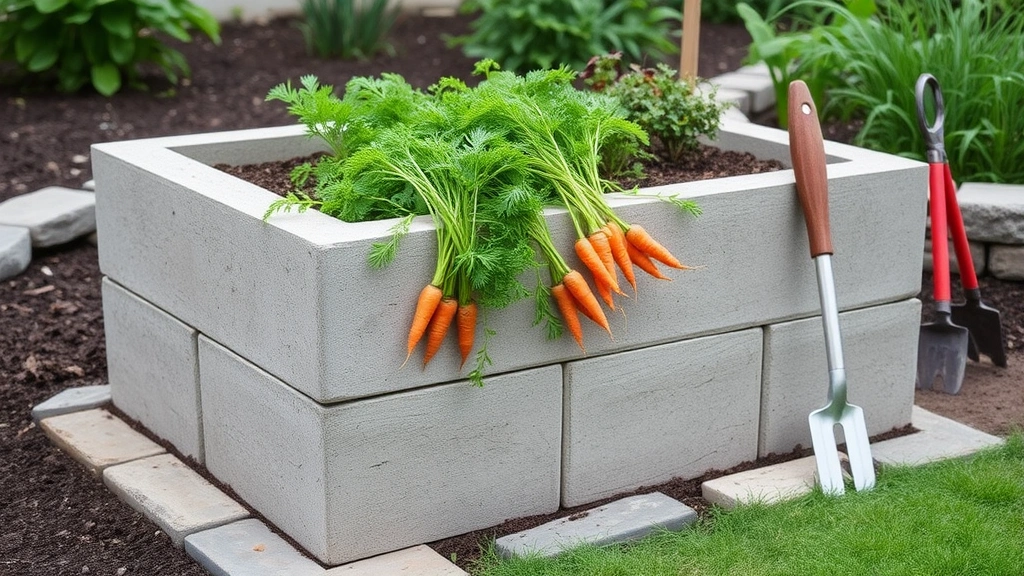
Raised concrete block beds accommodate virtually any plant, though certain choices prove particularly successful. Shallow-rooted crops like lettuce, spinach, and radishes thrive in single-height beds with just six to eight inches of soil. Medium-depth beds (12-16 inches) suit most vegetables including tomatoes, peppers, beans, and squash. Deep beds (20+ inches) accommodate root vegetables like carrots, parsnips, and beets, as well as perennial plants like sage and other herbs.
The elevated, well-draining environment of concrete block beds makes them ideal for moisture-sensitive plants. Mediterranean herbs like rosemary, thyme, and oregano perform exceptionally well, as do alpines and other plants that prefer drier conditions. Conversely, if you’re in an arid climate, you may need to water more frequently than you would with in-ground beds since elevated beds dry faster.
Consider companion planting strategies within your raised beds. Interplanting tall crops like tomatoes with shade-tolerant plants like lettuce maximizes space efficiency. Nitrogen-fixing legumes like beans improve soil for subsequent plantings. Aromatic herbs deter pests while providing culinary benefits. Plan your layout before planting to ensure adequate spacing and sunlight distribution.
Perennial plantings in concrete block beds offer long-term value. Asparagus, rhubarb, and fruit-bearing shrubs establish themselves well in raised beds with sufficient depth. These plants appreciate the improved drainage and reduced pest pressure that elevated beds provide.
Maintenance and Longevity
Concrete block raised beds require minimal maintenance compared to other bed types. Inspect blocks annually for cracks or damage, particularly after freeze-thaw cycles in cold climates. Concrete naturally develops hairline cracks that don’t affect function, but larger fractures may require block replacement. Fortunately, individual blocks can be removed and replaced without dismantling the entire structure.
Prevent weed growth within beds by maintaining a thick mulch layer—three to four inches of wood chips, straw, or shredded leaves suppresses weeds while conserving moisture and moderating soil temperature. Refresh mulch annually as it decomposes and contributes to soil organic matter.
Monitor soil nutrient levels annually. Even with excellent initial preparation, soils in raised beds deplete over time. Conduct soil tests every two to three years to track nutrient status and pH. Most vegetables benefit from annual compost applications in spring—work two to three inches of aged compost into the top six inches of soil before planting.
Address pest and disease issues promptly. The elevated position reduces some pest pressure, but monitor regularly for aphids, spider mites, and fungal diseases. Rotate crop families yearly to minimize disease carryover and pest population buildup. Remove diseased plant material promptly and dispose of it in trash rather than compost.
Concrete blocks themselves last virtually indefinitely, though their appearance may fade over time. You can refresh the appearance with concrete sealer or paint if desired, though this isn’t necessary for functionality. Some gardeners embrace the weathered look as part of their garden’s character.

Seasonal Considerations
Raised concrete block beds behave differently across seasons due to their elevated position and thermal mass. In spring, the concrete’s heat absorption speeds soil warming, allowing earlier planting than surrounding ground. This advantage proves particularly valuable in cool climates. In fall, the retained heat extends your growing season by several weeks, protecting tender crops from early frosts.
Summer management focuses on moisture retention. Elevated beds dry faster than in-ground gardens, particularly in hot, windy climates. Water deeply and regularly, checking soil moisture two inches below the surface. Mulching becomes even more critical in summer to conserve moisture and moderate soil temperature extremes.
Winter preparation depends on your climate. In cold regions, allow beds to go dormant, removing spent plants and adding compost for spring incorporation. In mild climates, you can grow cool-season crops through winter. Consider installing cold frames or row covers over your concrete block beds to extend the season further.
For year-round gardening, plan succession plantings that take advantage of your beds’ seasonal strengths. Spring and fall offer ideal conditions for cool-season crops. Summer heat suits warm-season vegetables. By rotating plantings strategically, you maximize productivity throughout the year.
FAQ
Are concrete blocks safe for growing food?
Standard concrete blocks are safe for vegetable gardening. However, verify that blocks don’t contain harmful additives or sealants. Avoid blocks treated with unknown substances. If concerned about contaminants in underlying soil, line your bed with food-grade plastic. Some gardeners prefer decorative concrete blocks or natural stone borders as an alternative.
How deep should concrete block raised beds be?
Depth depends on your plants. Lettuce and herbs need just six inches. Most vegetables require 10-12 inches. Root vegetables, perennials, and shrubs benefit from 18-24 inches. Stack blocks accordingly, using one layer for shallow beds and two or three layers for deeper plantings.
Can I use recycled concrete blocks?
Recycled concrete blocks work fine structurally, though their appearance may be less uniform. Ensure they’re free from contamination or hazardous materials. Verify that previous use wasn’t in an industrial or polluted environment before using them for food production.
How often should I replace soil in concrete block beds?
Well-maintained beds rarely require complete soil replacement. Instead, annually incorporate two to three inches of compost and conduct soil tests every few years. Most gardeners maintain the same soil for five to ten years with regular amendments, then completely refresh if soil quality declines significantly.
What’s the best way to water concrete block beds?
Drip irrigation or soaker hoses work best, delivering water directly to plant roots and reducing evaporation. Hand watering works for small beds but becomes time-consuming for larger installations. Water early morning to minimize disease pressure. Elevated beds typically need watering more frequently than in-ground gardens during dry periods.
Can I build concrete block beds on a slope?
Yes, but you’ll need to level the ground or build one side higher than the other. Ensure water drains properly to prevent erosion and pooling. For steep slopes, consider terracing multiple beds at different elevations, creating an attractive cascading effect while improving drainage.


