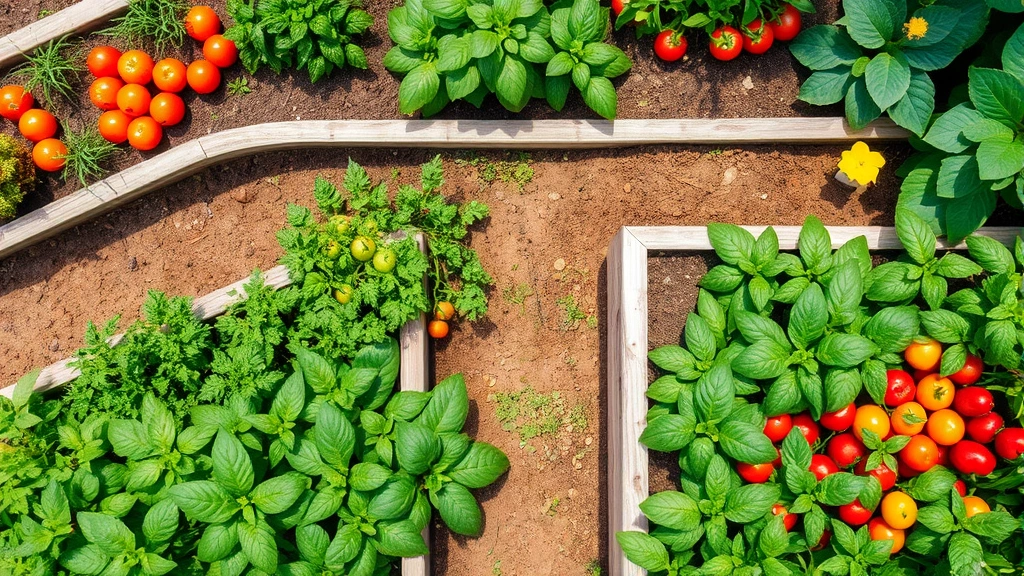
Perfect Picnic Garden? BBQ Buffet Ideas!
Creating the ultimate picnic garden experience combines thoughtful landscape design, functional outdoor spaces, and a bounty of fresh ingredients right from your backyard. A well-planned picnic garden BBQ buffet transforms your outdoor area into an entertainment destination where family and friends gather for memorable meals under open skies. Whether you’re hosting intimate gatherings or larger celebrations, designing a garden specifically suited for outdoor dining and barbecuing elevates every occasion.
The foundation of a perfect picnic garden starts with understanding your space, considering seasonal availability of fresh produce, and creating designated zones for preparation, cooking, and dining. When you integrate edible plants, herb gardens, and entertaining infrastructure into your landscape, you’re not just growing food—you’re cultivating an experience. This guide walks you through every essential element needed to establish a thriving picnic garden that supports your BBQ buffet aspirations throughout the growing season.
Designing Your Picnic Garden Layout
A successful picnic garden requires intentional zoning that separates growing areas from entertaining spaces. Start by identifying your sunniest location—most edibles need 6-8 hours of direct sunlight daily. Position your elevated garden beds where you can easily access them while preparing meals, but far enough from your dining area to avoid excessive foot traffic through growing zones.
Consider creating distinct sections: a dedicated herb garden near your kitchen or outdoor prep station, vegetable beds in prime sun exposure, and a separate entertaining zone with seating and serving tables. This spatial separation keeps your buffet area clean while maintaining easy access to fresh ingredients. Use garden decor elements like trellises, arbors, or decorative fencing to define boundaries while creating visual interest and providing growing structures for climbing plants.
The entertaining zone should include shade protection—consider installing pergolas or shade structures that also serve as frameworks for climbing vines. Position your grill and food preparation tables where smoke won’t blow toward seating areas, and ensure adequate counter space for buffet setup. A small serving station featuring fresh-cut herbs and garnishes adds both functionality and aesthetic appeal to your outdoor dining experience.
Essential Herbs and Edibles for BBQ Buffets
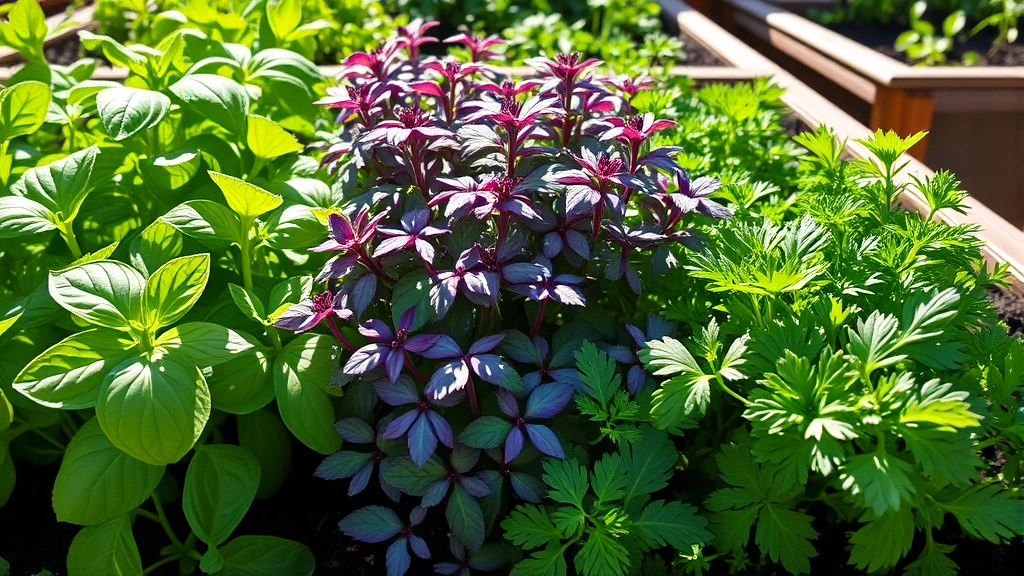
Fresh herbs are the soul of memorable BBQ buffet experiences. Basil, with its peppery-sweet flavor, pairs beautifully with grilled vegetables and tomato-based dishes. Plant multiple basil varieties—sweet, Thai, and purple—to diversify your culinary options. Cilantro adds brightness to salads and grilled fish preparations, while parsley serves as both garnish and flavor component in numerous dishes.
Oregano and thyme are essential Mediterranean herbs that enhance grilled meats and vegetables. These perennial herbs return year after year, requiring minimal maintenance while providing consistent harvests. Rosemary, another woody perennial, infuses grilled items with its distinctive piney flavor and grows robustly in most climates. An indoor herb garden setup can extend your fresh herb availability during off-seasons, ensuring year-round access to key flavoring ingredients.
Mint deserves special attention for beverages and desserts—grow it in containers to prevent aggressive spreading. Chives offer mild onion flavor and attractive purple flowers that make excellent garnishes. Dill complements seafood beautifully and attracts beneficial pollinators. Create an herb spiral or dedicated herb section using raised beds for superior drainage and accessibility. This concentrated approach simplifies harvesting and maintenance while maximizing your fresh ingredient availability during entertaining season.
Edible flowers elevate your picnic garden’s appeal and culinary potential. Nasturtiums offer peppery flavors and vibrant colors, while calendula petals add golden hues to salads. Borage flowers attract pollinators and provide cucumber-like flavoring. Violets and pansies offer delicate beauty and subtle flavors perfect for garnishing desserts. Growing these ornamental edibles creates a garden that’s simultaneously productive and visually stunning.
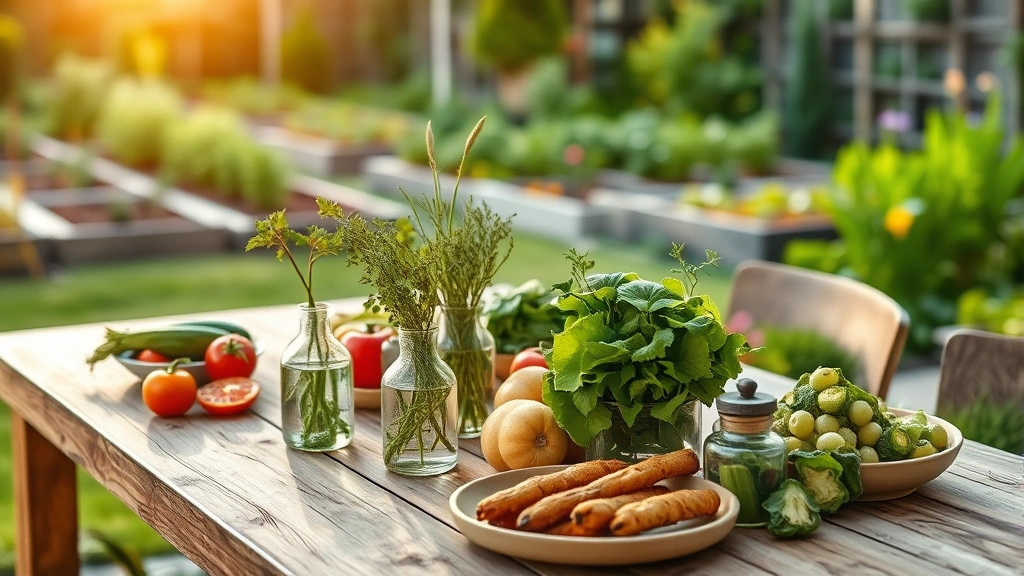
Vegetable Varieties Perfect for Outdoor Entertaining
Tomatoes are the foundation of any picnic garden. Cherry and grape tomato varieties produce prolifically and serve perfectly as appetizers or salad components. Heirloom varieties offer complex flavors ideal for showcasing at buffets, though they require slightly more attention. Plant determinate varieties for concentrated harvests and indeterminate types for continuous production throughout the season.
Peppers—both sweet and hot varieties—thrive in warm-season gardens and add visual appeal alongside culinary value. Red, yellow, and orange bell peppers mature to their sweetest after turning from green. Hot peppers range from mild to intensely spicy, offering options for diverse guest preferences. These plants produce abundantly with minimal maintenance once established.
Cucumbers, both slicing and pickling varieties, provide refreshing elements for summer buffets. Choose heat-tolerant varieties if you’re in warmer climates, and provide sturdy trellising to maximize vertical space. Zucchini and summer squash produce prolifically—often more than home gardeners can consume—making them perfect for sharing with guests or donating excess harvests.
Leafy greens including lettuce, spinach, and arugula offer quick growing cycles perfect for succession planting. Cool-season varieties grow in spring and fall, while heat-tolerant types survive summer heat. Kale provides nutritious, attractive greens for salads and grilled preparations. Carrots, radishes, and beets add colorful root vegetables to your buffet offerings, with the bonus of attractive edible greens.
Beans and peas grow vigorously on trellises, providing nutritious vegetables alongside ornamental interest. Shell beans offer unique flavors, while snap peas deliver sweet, crunchy elements perfect for raw vegetable platters. These nitrogen-fixing plants also benefit your garden’s soil health, making them excellent companion plantings throughout your beds.
Seasonal Planting Schedule for Year-Round Harvests
Spring planting begins as soon as soil becomes workable, with cool-season crops like peas, lettuce, and spinach. Direct-seed these cold-hardy vegetables 2-3 weeks before your last frost date. Start warm-season plants like tomatoes and peppers indoors 6-8 weeks before transplanting after all frost danger passes. This staggered approach ensures continuous harvests throughout growing season.
Late spring transitions into warm-season planting, when soil temperatures consistently exceed 60°F. This is your window for beans, squash, cucumbers, and heat-loving herbs. Succession plant every 2-3 weeks to ensure continuous harvests rather than overwhelming gluts. Space plantings strategically so peak harvests align with your entertaining schedule.
Summer maintenance focuses on consistent watering, pest management, and deadheading flowers to encourage continued production. Many gardeners use reliable hose reels for efficient irrigation, particularly during heat waves. Mulch heavily to retain soil moisture and regulate soil temperatures. This season requires diligent monitoring but rewards you with abundant harvests.
Fall planting begins in mid-to-late summer, reintroducing cool-season crops that thrive in autumn’s moderate temperatures. Plant lettuce, spinach, kale, and root vegetables 8-10 weeks before your first fall frost. These crops often taste sweeter after frost exposure, making fall gardens particularly prized. Extend your season with row covers or cold frames for extended harvests.
Winter preparation involves protecting perennial herbs, mulching beds, and planning next season’s layout. This quiet season allows you to assess what worked, what didn’t, and how to improve your picnic garden design for next year. Review your entertaining calendar to identify peak hosting months and plan crop rotations accordingly.
Garden Infrastructure and Entertaining Spaces
A functional picnic garden requires thoughtful infrastructure beyond plant beds. Install sturdy tables with weather-resistant surfaces for food preparation and buffet setup. Position these tables in shaded areas to protect food from direct sun and heat. Adequate counter space prevents cluttering and allows organized presentation of your fresh-from-the-garden ingredients.
Seating arrangements should accommodate your typical gathering size while allowing flexibility for larger events. Consider permanent benches or built-in seating that doubles as garden borders, or invest in durable outdoor furniture that withstands seasonal weather. Ensure adequate space between seating areas for comfortable movement and conversation.
Shade structures are essential for guest comfort and food safety. Pergolas, gazebos, or shade sails protect from intense sun while creating defined entertaining zones. These structures also serve as growing frameworks—train climbing vines like grapes, kiwis, or flowering varieties to create living shade that enhances the garden aesthetic while producing food.
Water access is crucial for food preparation and guest comfort. Position your grill and prep station near outdoor spigots to simplify cleanup and ingredient rinsing. Investing in quality hose equipment ensures reliable water access throughout your entertaining spaces. Consider installing a small outdoor sink or wash station for food preparation and hand hygiene.
Lighting extends your entertaining season into evening hours. String lights, solar lanterns, and pathway lighting create ambiance while improving safety. Position lights strategically to illuminate food preparation areas, walkways, and seating zones without creating glare or attracting excessive insects. This infrastructure investment pays dividends across multiple entertaining seasons.
Create visual interest and dining appeal through strategic garden decor elements that reflect your personal style. Decorative planters, garden art, and natural elements like stone or wood accents enhance the outdoor room aesthetic. Fresh flower arrangements—utilizing blooms from your own garden—add elegance to buffet tables while celebrating your growing accomplishments.
Maintaining Your Picnic Garden Throughout the Season
Consistent watering is fundamental to productive gardening, particularly in warm climates or during drought periods. Most vegetables need 1-2 inches of water weekly, either from rainfall or irrigation. Water deeply and less frequently to encourage deep root development. Morning watering reduces disease pressure and allows foliage to dry before nightfall.
Pest and disease management preserves your harvests and protects your entertaining investments. Monitor plants regularly for signs of problems—early intervention prevents widespread damage. Encourage beneficial insects by planting flowers and avoiding broad-spectrum pesticides. Protect your garden from wildlife pressure through strategic fencing or exclusion techniques that don’t compromise your garden’s beauty.
Fertilizing supports vigorous growth and abundant production. Use balanced fertilizers for leafy greens, higher nitrogen for foliage development, and lower nitrogen with more phosphorus and potassium for fruiting crops. Organic matter amendments—compost, aged manure, or leaf mold—improve soil structure while providing slow-release nutrients. Mulching conserves moisture while gradually breaking down into beneficial soil amendments.
Pruning and deadheading encourage continued production and maintain plant shape. Remove spent flowers to redirect energy toward new blooms or fruit development. Pinch basil and other herbs regularly to promote bushier growth and prevent early bolting. Support heavy-fruiting plants with stakes or cages to prevent damage and improve air circulation.
Succession planting ensures continuous harvests rather than feast-or-famine cycles. Plant cool-season crops every 2-3 weeks in spring and fall, and warm-season crops every 3-4 weeks in summer. Stagger plantings so harvests peak during your entertaining season, providing fresh ingredients when needed rather than overwhelming surpluses.
Harvest regularly and thoroughly to encourage continued production. Most vegetables taste best when harvested at peak ripeness—learn the ideal harvest timing for each crop. Regular harvesting prevents plants from diverting energy to seed production and makes space for new growth. This consistent harvesting also provides the fresh ingredients essential for memorable BBQ buffet presentations.
FAQ
What’s the best location for a picnic garden?
Choose locations receiving 6-8 hours of direct sunlight daily, with access to water and shade structures for entertaining areas. Position the garden visible from your home and accessible for regular maintenance. Avoid areas with poor drainage or excessive foot traffic that might compact soil.
How much space do I need for a picnic garden BBQ buffet?
Start with 200-400 square feet—enough for productive vegetable beds, herb sections, and entertaining infrastructure. Smaller spaces work with vertical growing techniques and container gardening. Prioritize your most-used ingredients and expand gradually as your entertaining confidence grows.
Can I grow picnic garden vegetables in containers?
Yes, absolutely. Containers work excellently for herbs, peppers, tomatoes, and lettuce. Use quality potting soil, provide adequate drainage, and water consistently since containers dry faster than in-ground beds. This approach offers flexibility for renters or those with limited space.
When should I start planning my picnic garden?
Begin planning in winter, reviewing past entertaining needs and considering new vegetables or herbs to try. Order seeds and supplies in early spring, and prepare beds before planting season. This advance preparation ensures your garden reaches peak production during your entertaining season.
How do I preserve excess harvests from my picnic garden?
Freeze, can, or dry excess vegetables and herbs for later use. Make pestos, herb oils, or herb butters from abundant herbs. Share with neighbors or donate to food banks. Plan succession planting to avoid overwhelming harvests by staggering plantings throughout the season.
What are the easiest vegetables for beginning gardeners?
Tomatoes, zucchini, beans, and lettuce are forgiving crops that produce abundantly with minimal care. Herbs like basil, parsley, and mint are nearly foolproof. Start with these confidence-builders before expanding to more demanding varieties.


