Parkway Garden Homes: Landscape Design Tips for Curb Appeal and Property Value
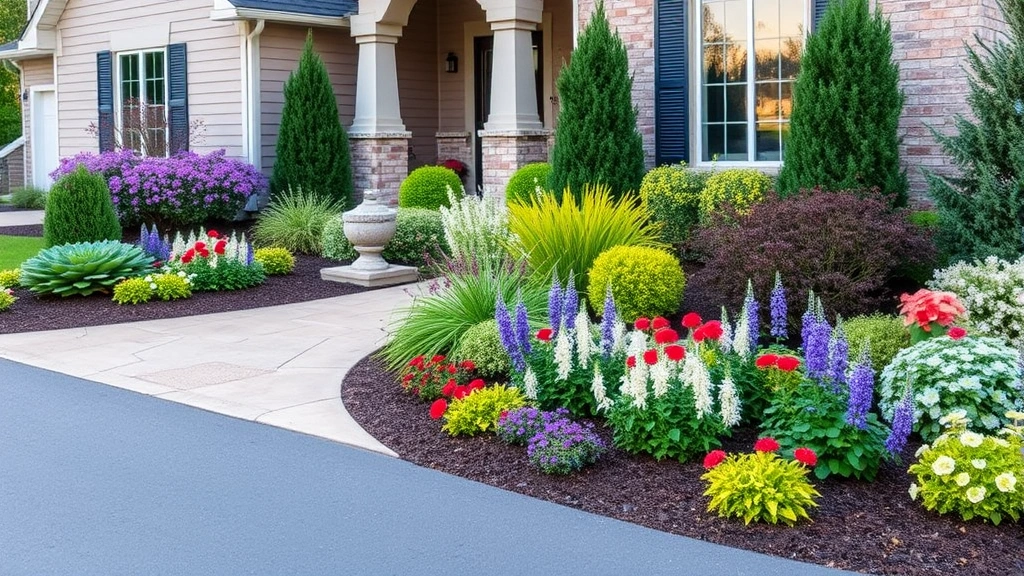
Parkway garden homes represent a unique opportunity to create stunning outdoor spaces that enhance both your property’s aesthetic appeal and neighborhood character. Whether you’re working with a modest front yard or an expansive landscape, strategic design principles can transform your parkway into a welcoming garden showcase that adds significant value to your home. The parkway—that strip of land between the sidewalk and street—serves as the first impression visitors and passersby have of your property, making thoughtful landscape design essential.
Creating a beautiful parkway garden requires balancing practical considerations with creative vision. You’ll need to account for local utilities, traffic visibility, seasonal maintenance, and neighborhood regulations while selecting plants and hardscaping elements that complement your home’s architecture. This comprehensive guide walks you through professional landscape design strategies specifically tailored for parkway garden homes, helping you maximize curb appeal and create outdoor spaces that truly shine year-round.
Understanding Parkway Garden Spaces
Parkway gardens occupy a distinct landscape zone that differs significantly from traditional foundation plantings or backyard gardens. These transitional spaces serve multiple functions: they frame your home’s entrance, create visual boundaries between public and private property, and contribute to neighborhood streetscapes. Understanding the unique characteristics of parkway environments helps you make informed design decisions that work with, rather than against, these constraints.
Many municipalities have specific regulations governing parkway plantings, including height restrictions, setback requirements, and approved plant lists. Before beginning any landscaping project, contact your local city or county planning department to understand regulations affecting your specific property. Some areas prohibit certain plants, restrict tree heights near utilities, or require specific maintenance standards for parkway vegetation. This preliminary research prevents costly mistakes and ensures your beautiful garden complies with local ordinances.
The parkway environment presents distinct growing challenges compared to other landscape areas. Plants in parkways experience reflected heat from pavement, salt spray from winter road treatment, compacted soil conditions, and increased foot traffic from pedestrians. Additionally, parkway plants must tolerate variable light conditions—some locations receive full sun exposure while others sit in afternoon shade from nearby structures. These factors make plant selection particularly critical for long-term success and minimal maintenance requirements.
Assessing Your Site and Conditions
Before selecting plants or planning hardscaping elements, conduct a thorough site assessment that documents existing conditions and identifies both opportunities and constraints. Start by observing sunlight patterns throughout the day and across seasons. Mark areas receiving full sun (six or more hours of direct sunlight), partial shade (three to six hours), and full shade (less than three hours). Afternoon sun exposure significantly impacts plant selection, particularly in hot climates where intense afternoon rays can stress sensitive species.
Evaluate soil conditions by digging a small hole and examining soil texture, color, and drainage characteristics. Parkway soils are frequently compacted from years of foot traffic and vehicle proximity. Consider conducting a soil test through your local cooperative extension service to determine pH, nutrient levels, and organic matter content. This information guides amendments and plant selection, helping you choose species naturally suited to your existing soil conditions rather than fighting against them.
Document existing infrastructure including underground utilities, overhead power lines, and drainage systems. Call before you dig using your local 811 service to locate underground utilities. Note the proximity of large trees, which may compete for water and nutrients with new plantings. Also identify traffic patterns—both vehicular and pedestrian—to understand which areas experience greatest impact and require more durable plant selections.
Observe water availability and drainage patterns. Does water collect in depressions after rain, or does it drain quickly? Does your area receive supplemental irrigation, or must plants rely on natural precipitation? Understanding moisture conditions helps you select appropriate species and plan irrigation infrastructure if needed.
Design Principles for Maximum Impact
Successful parkway landscapes apply fundamental design principles that create cohesive, visually appealing spaces. Unity represents the most important principle—repeating colors, textures, and plant forms creates a sense of intentional design rather than random plantings. Rather than including one specimen of each plant type, group plants in clusters of three, five, or seven to create visual impact and simplify maintenance.
Balance ensures your parkway design feels stable and intentional. Symmetrical balance creates formal, structured appearances appropriate for traditional home architectures, while asymmetrical balance offers more contemporary, naturalistic effects. If your home’s main entrance sits off-center, asymmetrical balance typically works better than forcing symmetrical plantings that would look awkward and artificial.
Scale and proportion relate plant sizes to your home’s architecture and the parkway’s dimensions. A small cottage requires delicate, fine-textured plantings, while larger contemporary homes can support bold, architectural specimens. Consider mature plant sizes rather than nursery sizes—a young tree may look insignificant initially but overwhelm the space at maturity. For most parkway homes, selecting plants that reach 50-75% of your first-story wall height creates appropriate visual balance.
Color coordination significantly impacts curb appeal. Choose a cohesive color palette rather than randomly mixing every available hue. Consider your home’s exterior colors and select complementary foliage and flower tones. Neutral green foliage provides a restful backdrop that allows flowering plants to shine, while variegated foliage can brighten shaded areas. Include a mix of warm and cool tones across seasons to maintain visual interest year-round.
Focal points draw the eye and create visual interest. Your home’s entrance typically serves as the primary focal point, but you can create secondary focal points using specimen plants, water features, or hardscaping elements like arbors. A garden arch frames entryways beautifully while providing vertical interest in otherwise flat parkway spaces.
Plant Selection and Placement Strategies
Selecting appropriate plants represents the foundation of successful parkway landscape design. Prioritize native and adapted species that thrive in your region’s climate with minimal supplemental water or fertilizer. Native plants support local pollinators and wildlife while requiring less maintenance than exotic species struggling to survive in unsuitable conditions. Consult your local native plant society for regionally appropriate recommendations.
Create layered plantings that provide structure and visual depth. The traditional approach uses three layers: canopy trees (20-40 feet tall), understory shrubs (8-15 feet), and ground-level plants (under 3 feet). However, most parkway spaces accommodate simplified two-layer designs using a combination of shrubs and perennials. Tall shrubs or small trees provide vertical structure and screen undesirable views, while lower-growing perennials and groundcovers add color and texture at eye level.
Consider plants’ seasonal characteristics throughout the year. Spring bloomers like serviceberry and redbud provide early color, while summer-flowering hydrangeas and coneflowers extend the flowering season. Fall foliage offers extended interest after summer blooms fade, and winter structure from evergreens and interesting bark keeps parkways attractive during dormant seasons. Include a mix of deciduous and evergreen plants to maintain visual interest and screening year-round.
Flowering shrubs offer excellent parkway solutions, providing seasonal color with minimal maintenance. Hydrangeas, particularly panicle varieties, deliver impressive late-summer blooms in pink, white, or blue depending on soil pH and cultivar selection. Butterfly bush attracts pollinators while flowering prolifically from summer through fall. For shadier locations, oakleaf hydrangea thrives with minimal direct sun while producing elegant white flower panicles.
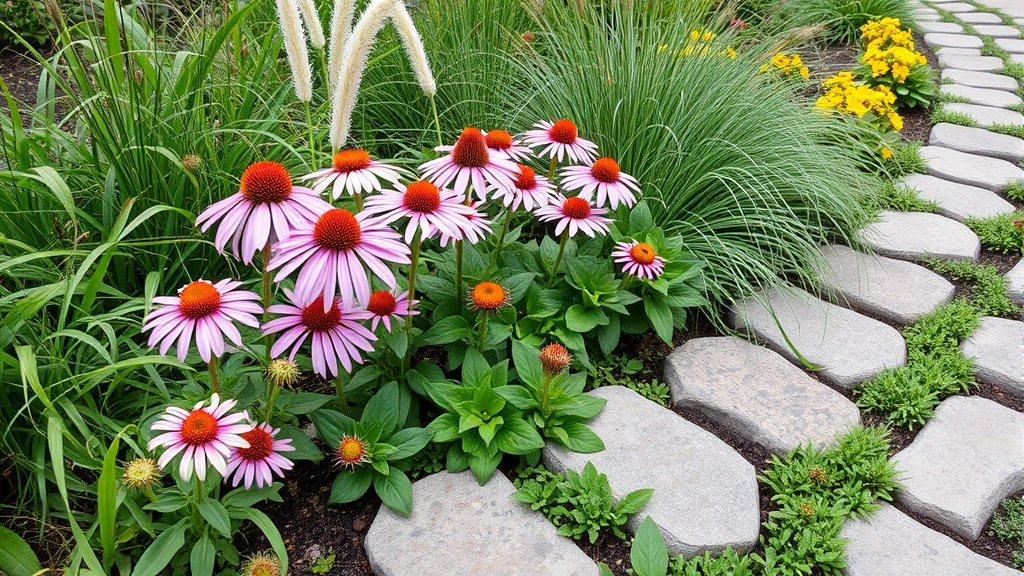
Perennial plantings add vibrant color and support pollinators. Coneflowers (Echinacea) tolerate heat and drought while attracting butterflies and bees. Black-eyed Susans provide cheerful yellow blooms throughout summer and fall. Daylilies offer reliable performance with minimal care, available in countless color combinations. Ornamental grasses like feather reed grass and little bluestem provide texture, movement, and winter interest while requiring minimal maintenance once established.
An herb garden can beautifully incorporate into parkway designs, particularly near home entrances. Fragrant herbs like lavender and rosemary provide sensory appeal while serving practical culinary purposes. Many herbs tolerate poor soil and drought conditions once established, making them ideal for challenging parkway environments. Culinary herbs near entryways create welcoming, personal touches that distinguish your home from neighbors’ properties.
If space permits, consider incorporating container gardens with blueberries or other edibles for productive parkway landscapes. Ornamental containers frame entryways while providing fresh fruit or vegetables. Seasonal container plantings allow you to refresh parkway appearance multiple times annually with minimal permanent commitment.
Hardscaping Elements and Materials
Hardscaping—non-plant landscape components including pathways, edging, and decorative elements—defines space and guides foot traffic while adding visual interest. Well-designed hardscaping reduces maintenance requirements by clearly delineating planting areas and preventing soil compaction that stresses plants.
Pathways serve both functional and aesthetic purposes in parkway designs. A simple stepping-stone path to your entrance improves accessibility while adding visual interest. Select materials complementing your home’s architecture: natural stone suits traditional homes, while permeable pavers work well with contemporary designs. Ensure pathways are wide enough for comfortable walking—minimum 3 feet for single-person paths, wider for areas expecting regular traffic.
Edging defines planting beds and prevents grass encroachment into planted areas. Flexible metal edging offers clean lines with minimal visual impact, while stone or brick edging adds architectural interest. Properly installed edging significantly reduces maintenance by eliminating tedious hand-trimming along bed perimeters. Consider raised bed edging if your parkway soil is severely compacted or contaminated—this creates better growing conditions while adding visual dimension to otherwise flat spaces.
Decorative hardscaping elements like arbors, trellises, and water features create focal points and vertical interest. A garden arch frames your home’s entrance while supporting climbing vines like clematis or climbing roses. Trellises behind perennial plantings add depth and visual complexity. Small water features like fountains or birdbaths attract wildlife while creating soothing ambient sounds that enhance outdoor enjoyment.
Mulch represents essential hardscaping material that regulates soil temperature, conserves moisture, suppresses weeds, and prevents soil compaction from foot traffic. Apply 2-3 inches of wood chip mulch around plants, leaving several inches clear around tree and shrub trunks to prevent rot and pest issues. Refresh mulch annually as it decomposes, maintaining consistent depth and appearance.
Lighting adds safety and ambiance to parkway gardens, particularly important for evening curb appeal and safe pedestrian navigation. Low-voltage landscape lighting illuminates pathways and highlights specimen plants without creating harsh shadows. Solar-powered options eliminate wiring complexity while reducing energy costs. Position lights to graze plant foliage rather than spotlighting directly, creating subtle, professional effects.
Seasonal Considerations and Maintenance
Successful parkway landscapes require seasonal maintenance adapted to your region’s climate and growing conditions. Spring represents the prime planting season in most climates—plants establish root systems before summer heat stress. Early spring allows time to assess winter damage and prune dead growth before new growth emerges. Apply fresh mulch after spring cleanup to refresh appearance and provide weed suppression throughout the growing season.
Summer maintenance focuses on irrigation and deadheading spent flowers to encourage continued blooming. Even drought-tolerant plants benefit from supplemental water during establishment years. Consider installing drip irrigation or soaker hoses to deliver water directly to plant roots, reducing waste and disease pressure compared to overhead sprinklers. A quality expandable garden hose provides flexible watering solutions for parkway plantings, easily reaching all areas without kinking or tangling.
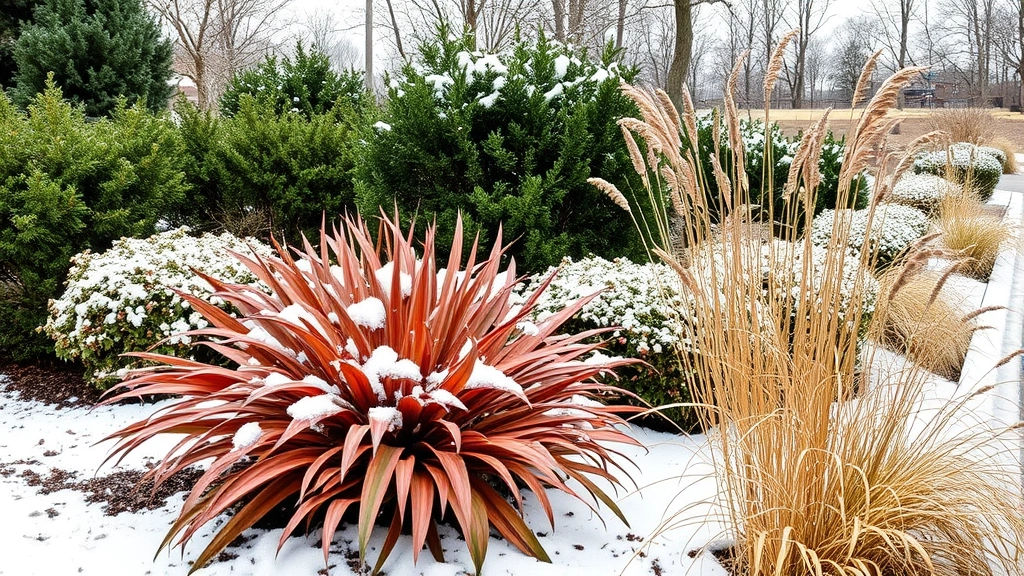
Fall preparation includes removing dead foliage, dividing overgrown perennials, and planting spring bulbs for early-season color. Many perennials benefit from fall division when temperatures cool and plants enter dormancy. Leave ornamental grass and perennial seed heads standing through winter—they provide winter interest while offering food and shelter for overwintering beneficial insects.
Winter maintenance varies by climate. In cold regions, protect tender plants with mulch, burlap wrapping, or anti-desiccant sprays. Remove heavy snow from evergreen branches to prevent breakage. In milder climates, winter offers an excellent opportunity for pruning dormant shrubs and trees. Avoid pruning spring-flowering shrubs like lilacs and forsythia in late winter, as this removes flower buds set the previous summer.
Regular pruning maintains plant shape, encourages dense growth, and prevents overgrowth into sidewalks or streets. Shrubs like hydrangeas and butterfly bush benefit from late winter pruning before new growth emerges. Climbing roses and other vining plants require annual pruning to maintain vigor and flowering. Learn proper techniques for pruning climbing roses to maximize blooms while maintaining attractive form.
Creating Year-Round Interest
The most successful parkway gardens maintain visual appeal across all seasons through thoughtful plant selection emphasizing varied seasonal characteristics. Begin with a backbone of evergreen shrubs and trees providing consistent structure and color during dormant seasons. Boxwoods, hollies, and dwarf conifers offer year-round foliage in various textures and colors from deep green to silvery-blue.
Layer evergreens with deciduous plants offering seasonal interest. Spring bulbs like tulips, daffodils, and crocuses provide early color before trees leaf out. Flowering shrubs like serviceberry, redbud, and crabapple follow with spring blooms. Summer-flowering perennials maintain color through the hottest months, while fall bloomers like asters and sedum extend the flowering season into autumn. Finally, winter interest comes from colorful bark, persistent berries, and architectural evergreen forms.
Foliage color provides interest beyond flowering periods. Choose plants with variegated foliage like hostas and coral bells for shaded areas, brightening dim spaces without flowers. Japanese maples offer exceptional fall color and architectural form in smaller spaces. Smoke bush displays purple-tinted foliage throughout the growing season, intensifying in fall. Ornamental grasses like miscanthus and panicum provide golden fall color and attractive winter silhouettes.
Bark and branching structure offer winter interest often overlooked in landscape design. Paperbark birch displays brilliant white bark contrasting beautifully with dark evergreens. Coral bark dogwood offers brilliant red winter stems, particularly striking in snowy climates. Contorted filbert and twisted hazel provide interesting branch structures visible when deciduous foliage drops.
Berry-producing plants extend seasonal interest while supporting wildlife. Winterberry holly produces brilliant red berries persisting through winter, particularly attractive to migrating birds. Viburnum species offer both fall flowers and winter berries in colors ranging from red to blue-black. Native serviceberry produces purple-black berries in summer, appreciated by birds and humans alike.
Budget-Friendly Design Solutions
Creating beautiful parkway landscapes doesn’t require unlimited budgets. Strategic planning and phased implementation allow you to develop stunning gardens over time, spreading costs across multiple seasons while allowing plants to mature and fill spaces naturally.
Start with a well-designed plan prioritizing high-visibility areas near your home’s entrance. Focus initial investments on these prominent spaces where visual impact justifies expense. Background areas can develop gradually as budget allows, using less expensive groundcovers and perennials to fill space while larger shrubs mature.
Propagate plants from cuttings or divisions to multiply your investment. Perennials like daylilies, hostas, and coneflowers divide easily in spring or fall, providing free new plants for expanding plantings. Many shrubs root readily from softwood cuttings taken in early summer. Building plant stock through propagation reduces costs while creating custom plant selections perfectly suited to your landscape.
Source plants from local nurseries during end-of-season sales when inventory reductions offer significant discounts. Fall plant sales often feature excellent specimens at reduced prices as nurseries clear inventory before winter. Spring sales provide similar opportunities as nurseries make room for new shipments. Bare-root plants, available in early spring for many deciduous species, cost significantly less than container-grown equivalents.
Incorporate salvaged and recycled materials into hardscaping elements. Reclaimed brick and stone create attractive edging and pathways at fraction of new material costs. Fallen branches become rustic edging or trellises. Repurposed containers serve as planters for seasonal displays or permanent perennial combinations. Creative reuse of available materials adds unique character while reducing expenses.
Consider starting from seed for annuals, perennials, and groundcovers. While seed-grown plants require more time reaching landscape size, costs per plant are minimal. Seed companies offer excellent selections, often including varieties unavailable in local nurseries. Direct seeding perennials in fall allows natural stratification, improving germination rates.
Invest in quality soil amendments and mulch rather than quantity of plants. Excellent soil conditions support healthy plant growth, allowing smaller, less expensive plant starts to quickly establish and fill space. Amended soil reduces disease pressure and stress, lowering plant loss rates and replacement costs over time.
FAQ
What are the best plants for small parkway spaces?
Dwarf shrubs like boxwoods, dwarf conifers, and compact hydrangeas work excellently in limited spaces. Perennials like catmint, salvia, and coreopsis provide color without overwhelming small areas. Ornamental grasses like fountain grass and blue fescue add texture in tight spaces. Avoid overgrown evergreens and spreading groundcovers that quickly outgrow boundaries.
How do I deal with salt damage from winter road treatment?
Select salt-tolerant plants like serviceberry, crabapple, and shrub roses. Apply anti-desiccant sprays to evergreens before winter to reduce salt uptake. Create physical barriers like burlap screens to protect sensitive plants from salt spray. Improve drainage and flush soil with fresh water in spring to reduce salt accumulation. Avoid using salt-based ice melts on your property; choose calcium chloride or pet-safe alternatives instead.
Can I grow shade-loving plants in parkway gardens?
Yes, many parkways receive partial shade from nearby trees, buildings, or northern exposures. Excellent shade-tolerant options include hostas, coral bells, astilbe, and hellebores. Shade-tolerant shrubs like oakleaf hydrangea, viburnum, and boxwood thrive with minimal sun. Ensure adequate spacing and avoid planting directly under tree canopies where root competition stresses understory plants.
What maintenance schedule should I follow for parkway gardens?
Spring: Remove winter debris, prune dead growth, apply fresh mulch, plant new additions. Summer: Water regularly, deadhead spent flowers, remove weeds. Fall: Divide perennials, plant spring bulbs, reduce watering as temperatures cool. Winter: Prune dormant shrubs (except spring bloomers), protect tender plants, monitor for pest damage. Monthly inspections catch problems early, reducing major maintenance needs.
Are there restrictions on parkway plantings in my area?
Most municipalities regulate parkway plantings with restrictions on plant height, type, and maintenance standards. Contact your local city planning or public works department for specific regulations. Many areas prohibit trees near utilities, restrict shrub heights for visibility, and require removal of dead or hazardous plants. Understanding regulations before planning prevents costly removal or conflicts with neighbors.
How can I make my parkway garden more wildlife-friendly?
Select native plants producing seeds and berries for birds and small mammals. Include flowering plants supporting pollinators like bees and butterflies. Provide water through birdbaths or small fountains. Avoid pesticides and herbicides that harm beneficial insects. Leave some areas unmulched for ground-nesting insects. Include evergreens providing winter shelter and food sources for overwintering wildlife.
What’s the best way to install edging in parkway gardens?
Flexible metal edging suits most landscapes, providing clean lines with minimal visual impact. Dig a shallow trench along bed perimeters, position edging at or slightly above soil level, and secure with landscape staples. Brick or stone edging requires more installation effort but offers attractive, permanent solutions. Raised bed edging works well in compacted soil areas, creating better growing conditions while adding visual interest.


