
Best Plants for Pale Gardens: Expert Picks for Luminous Landscapes
Creating a pale garden requires thoughtful plant selection to transform what might seem like a limitation into a sophisticated design advantage. A pale garden—characterized by soft, muted tones of white, cream, silver, and pale pink—offers a serene retreat that feels larger, brighter, and more peaceful than traditionally colorful landscapes. Whether you’re working with limited sunlight, seeking a calming aesthetic, or designing a moonlit garden that glows at night, the right plants can turn your pale garden into a stunning outdoor sanctuary.
The beauty of pale gardens lies in their versatility and elegance. These gardens work wonderfully in small spaces, shaded areas, and contemporary landscapes. By incorporating plants with silvery foliage, white flowers, and pale variegated leaves, you create depth and visual interest without relying on bold color contrasts. This comprehensive guide walks you through the best plant selections for your pale garden, whether you’re a beginner or experienced gardener.
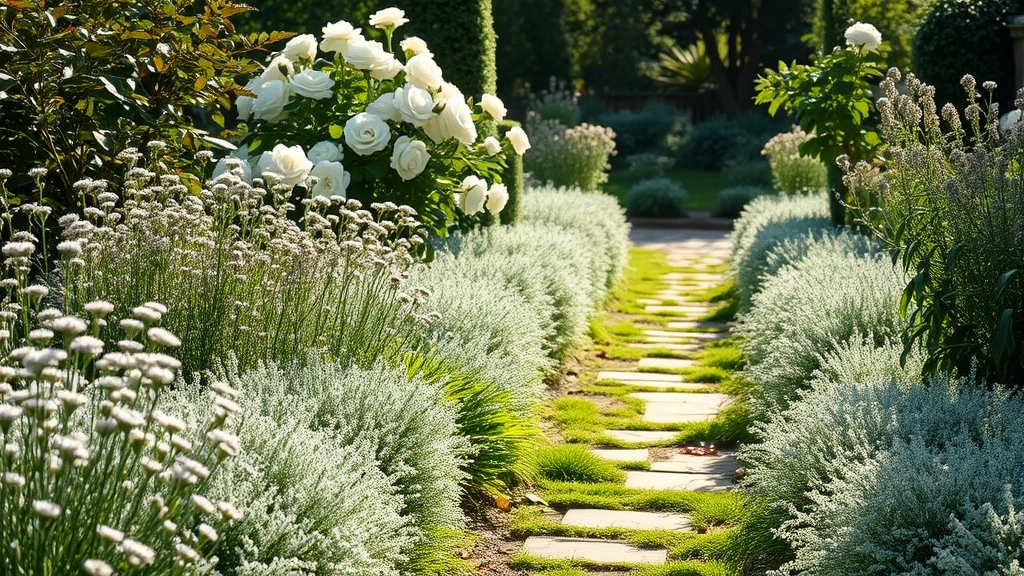
Understanding Pale Garden Design
Before selecting specific plants, understanding the principles of pale garden design ensures your landscape achieves maximum impact. A pale garden doesn’t mean boring or monochromatic—instead, it celebrates subtle variations in tone, texture, and form. The key to success involves layering different shades of white, cream, and silver while incorporating varied plant heights, leaf shapes, and flowering periods.
Pale gardens thrive in spaces where you want to create a sense of calm and expansion. Light-colored plants reflect available light, making shaded areas feel more open and airy. This makes pale gardens particularly effective in small urban gardens, beneath tree canopies, or in areas with limited direct sunlight. When starting your gardening journey, a pale palette offers a manageable way to create professional-looking results.
The psychology of pale gardens contributes to their growing popularity. White and cream tones evoke cleanliness, peace, and sophistication. These gardens feel particularly magical in evening light, as pale flowers seem to glow as darkness falls. Incorporating fragrant pale-flowering plants amplifies the sensory experience, creating a garden that delights not just visually but through scent as well.
Best White Flowering Plants
White flowers form the backbone of any pale garden design. These plants provide clean, crisp focal points while maintaining the soft aesthetic you’re cultivating. The following selections offer reliable performance and extended blooming periods.
Hydrangeas (Hydrangea arborescens ‘Annabelle’) represent one of the most impactful white flowering shrubs available. These magnificent plants produce enormous white panicles that bloom from summer through fall, gradually shifting to cream and pale pink tones as they age. They thrive in partial shade and prefer consistently moist soil. Their substantial presence makes them excellent for creating structure in pale gardens.
Roses deserve special mention for their unparalleled elegance in pale gardens. Varieties like ‘Iceberg’, ‘Madame Alfred Carrière’, and ‘Penny Lane’ offer prolific white blooms on disease-resistant plants. Climbing roses work beautifully on arbors and walls, while shrub roses provide rounded forms. Proper soil preparation ensures roses reach their full potential.
Phlox (Phlox paniculata ‘David’) brings fragrant white flower clusters throughout summer and early fall. These upright plants work well toward the back of borders, reaching 24-36 inches tall. Their strong fragrance adds an invisible dimension to your pale garden experience. Phlox prefers full sun to partial shade and well-draining soil.
Dahlias, particularly white varieties like ‘Karma Choc’ (which has white edges) and pure white forms, create architectural interest with their geometric blooms. These tender perennials require staking and deadheading but reward gardeners with months of sophisticated flowers. Plant tubers after the last frost date in spring.
Astilbe (Astilbe x arendsii ‘Bridal Veil’) produces delicate, feathery white plumes in shade gardens where many flowering plants struggle. These shade-loving perennials prefer moist soil and create wonderful texture contrasts with broader-leafed plants.
Silver and Gray Foliage Plants
Silver and gray foliage plants provide the essential foundation for pale garden success. These plants offer year-round interest and create luminous effects that make adjacent white flowers appear even brighter.
Artemisia species, particularly ‘Powis Castle’ and ‘Silver Brocade’, deliver finely textured silver foliage that practically glows in sunlight. These drought-tolerant perennials thrive in full sun and well-draining soil. Their feathery appearance contrasts beautifully with bolder plant forms.
Dusty Miller (Senecio cineraria) produces deeply cut silvery leaves that create a delicate, almost ethereal effect. Though technically tender, many gardeners treat it as an annual or overwinter it indoors. Its silver foliage brightens shaded corners and provides textural contrast.
Lamb’s Ear (Stachys byzantina) offers soft, velvety silver leaves that invite touch. This ground-hugging perennial spreads readily and produces pale pink flower spikes in summer. It works wonderfully as edging along pale garden pathways.
Russian Sage (Perovskia atriplicifolia) combines silver foliage with pale blue-purple flowers, adding a subtle color dimension to pale gardens. This drought-tolerant perennial reaches 3-4 feet tall and provides airy, see-through texture.
Santolina (Cotton Lavender) displays button-like yellow flowers atop silvery foliage, creating cheerful contrast within pale schemes. This Mediterranean native thrives in hot, dry conditions and requires minimal maintenance.
Pale Pink and Cream Flowering Plants
While white dominates pale gardens, soft pink and cream tones add warmth and complexity to the design. These subtle colors prevent the garden from feeling sterile while maintaining the sophisticated pale aesthetic.
Roses in pale pink varieties like ‘Bonica’ and ‘Constance’ offer romantic charm. These repeat-blooming shrub roses produce abundant flowers throughout the growing season, requiring minimal pruning compared to hybrid teas.
Peonies, particularly pale pink and cream cultivars such as ‘Sarah Bernhardt’ and ‘Coral Sunset’, provide long-lived perennial structure. These plants reward patience—they establish slowly but thrive for decades with minimal care. Their full, ruffled blooms create romantic focal points in spring gardens.
Foxgloves (Digitalis purpurea ‘Apricot’) reach skyward with spires of pale peachy-pink tubular flowers. These biennials self-seed, creating naturalized drifts in pale gardens. They tolerate partial shade exceptionally well.
Dianthus (Pinks) offer delicate pale pink and white flowers with spicy fragrance. Low-growing varieties work as edging, while taller types contribute to mid-border interest. Most dianthus prefer full sun and excellent drainage.
Hellebores (Christmas roses) produce nodding pale pink and cream flowers during winter and early spring. These shade-tolerant evergreen perennials provide crucial early-season interest when few other plants bloom. They prefer consistently moist, well-draining soil enriched with organic matter.
Variegated Foliage for Pale Gardens
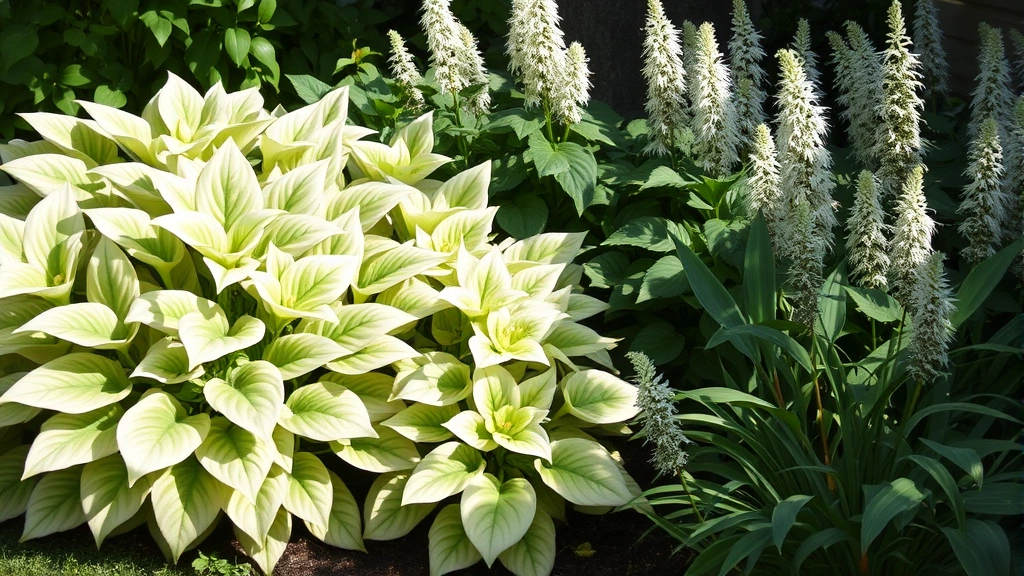
Variegated plants—those displaying multiple colors on their leaves—add sophisticated depth to pale gardens. White or cream variegation particularly enhances pale garden schemes by creating visual movement and light reflection.
Hostas like ‘June’ and ‘Patriot’ showcase cream and white variegation that brightens shaded areas. These shade-loving perennials provide substantial foliage texture and work beautifully as focal points. Their architectural leaves create strong structure in pale garden designs.
Heuchera (Coral bells) varieties such as ‘Frosted Violet’ and ‘Champagne’ offer pale foliage with silvery overtones. These evergreen perennials provide year-round interest and delicate flower spikes. They adapt to partial shade and prefer well-draining soil.
Ilex (Holly) cultivars with cream variegation, such as ‘Silver King’, provide evergreen structure and architectural interest. These shrubs work beautifully as backdrops or screening elements in pale gardens, offering year-round visual appeal.
Euonymus species with white variegation create living walls and foundation plantings. These adaptable shrubs tolerate various light conditions and soil types, making them reliable workhorses in pale garden designs.
Shrubs and Structural Plants
Creating a successful pale garden requires structural elements—shrubs and larger plants that provide form, year-round interest, and garden architecture. These plants create the framework upon which you layer flowering perennials and seasonal color.
White Flowering Shrubs like Viburnum, Deutzia, and Weigela provide substantial spring interest. Viburnum ‘Summer Snowflake’ produces fragrant white flowers repeatedly throughout the season. These deciduous shrubs create layered canopies and support shade-loving understory plants.
Evergreen Structural Plants such as Buxus (Boxwood) and Ilex create year-round definition. Boxwood’s fine texture and capacity for shaping make it invaluable in formal pale gardens. When designing raised bed gardens, boxwood edging provides elegant definition.
Ornamental Grasses with pale foliage, including Miscanthus ‘Morning Light’ and Panicum ‘Cloud Nine’, add movement and height variation. These grasses create naturalistic texture and allow light to filter through their airy forms, enhancing the luminous quality of pale gardens.
Conifers with silver or blue-tinged foliage, such as Picea pungens ‘Hoopsii’, provide year-round structure and interesting form variation. These slow-growing plants anchor pale gardens and create permanent focal points.
Seasonal Pale Garden Planning
Successful pale gardens maintain interest throughout all four seasons. Strategic plant selection ensures your pale garden remains visually engaging from spring through winter.
Spring features pale bulbs including white and cream tulips, daffodils, and hyacinths. These ephemeral treasures emerge early, establishing the pale garden’s foundation. Underplant them with hellebores and early perennials for extended spring interest.
Summer brings the primary blooming season for pale gardens. Roses, hydrangeas, delphiniums, and foxgloves create abundant flower color. Deadheading and consistent watering keep plants producing blooms throughout the season. Growing vegetables alongside ornamentals extends the garden’s productivity.
Fall transforms pale gardens through foliage changes and late-season blooms. Hydrangeas shift to peachy-cream tones, while dahlias and late roses maintain flower interest. Ornamental grasses develop warm golden tones that complement pale schemes.
Winter relies on evergreen foliage, persistent seed heads, and structural plants. Silver-leafed plants become increasingly prominent, while berries on certain shrubs add subtle color interest. Winter-blooming hellebores provide crucial flower color during dormant months.
Maintenance and Care Tips
Pale gardens require thoughtful maintenance to maintain their sophisticated appearance. Regular care ensures plants remain healthy, vigorous, and visually cohesive.
Deadheading spent flowers encourages continued blooming and maintains the garden’s neat appearance. Remove faded flowers regularly throughout the growing season, cutting just below the spent bloom to lateral buds or leaf nodes.
Watering consistency proves critical for pale garden success. Most flowering plants and silver-leafed perennials prefer evenly moist but well-draining soil. Water deeply and infrequently rather than shallow, frequent watering to encourage deep root development.
Fertilizing pale gardens should follow restrained principles. Excessive nitrogen promotes lush foliage at the expense of flowers. Use balanced fertilizers or those higher in phosphorus to encourage blooming. Organic soil amendments like compost provide slow-release nutrients without over-stimulating growth.
Pruning maintains plant shape and encourages branching. Prune spring-flowering shrubs immediately after blooming, while summer-bloomers can be pruned in early spring. Remove dead or diseased wood promptly.
Pest and Disease Management in pale gardens requires vigilance. Many white flowers attract aphids and spider mites. Monitor plants regularly and address infestations promptly using organic methods when possible. Powdery mildew affects some pale-flowering plants—ensure adequate air circulation and avoid overhead watering.
Mulching conserves moisture and suppresses weeds while improving soil structure. Apply 2-3 inches of organic mulch around plants, keeping it several inches away from plant stems to prevent rot.
FAQ
What is a pale garden?
A pale garden emphasizes soft, muted tones including white, cream, silver, and pale pink. These gardens create serene, sophisticated landscapes that feel larger and brighter than traditionally colorful gardens. Pale gardens work particularly well in shaded areas and small spaces.
Can pale gardens work in shaded areas?
Absolutely. Light-colored plants reflect available light, making shaded areas feel more open. Shade-tolerant plants like hostas, hellebores, astilbe, and hydrangeas thrive in pale garden designs beneath trees and on north-facing walls.
Which white flowers bloom longest?
Roses, hydrangeas, and dahlias provide extended blooming periods when deadheaded regularly. Repeat-blooming roses flower throughout the season, while hydrangeas bloom from summer through fall. Dahlias produce flowers until frost.
Are pale gardens difficult to maintain?
Pale gardens require consistent care but aren’t inherently difficult. Regular deadheading, watering, and monitoring for pests keeps them looking their best. Many pale garden plants are quite hardy and adaptable once established.
How can I create a pale garden on a budget?
Start with affordable perennials like phlox, daylilies, and coreopsis in pale varieties. Purchase small plants rather than mature specimens. Propagate plants through division to fill space economically. White-flowering annuals provide seasonal color affordably.
What’s the best time to plant pale garden plants?
Spring and fall offer ideal planting conditions when soil moisture is naturally higher. Avoid planting during extreme heat or cold. Container plants can be planted throughout the growing season with consistent watering.
How do I prevent my pale garden from looking washed out?
Layer varied plant heights, textures, and leaf shapes to create visual interest. Incorporate silver and gray foliage that adds depth. Use pale pink and cream tones alongside pure white to add warmth. Include structural evergreens for year-round definition.


