
Discover Lurie Garden: Chicago’s Urban Oasis
Nestled in the heart of downtown Chicago, Lurie Garden stands as a testament to the transformative power of urban green spaces. This 2.3-acre botanical sanctuary, located atop AT&T Plaza in Millennium Park, has become one of the most celebrated contemporary gardens in North America since its opening in 2006. What makes Lurie Garden truly exceptional is its innovative approach to landscape design, combining native plant species with sophisticated horticultural principles to create a thriving ecosystem in the middle of a bustling metropolitan area.
The garden’s name honors Ann Lurie, a prominent Chicago philanthropist whose generous donation made this urban oasis possible. More than just a beautiful space for leisurely strolls, Lurie Garden represents a bold statement about sustainable urban gardening and the importance of preserving natural habitats within city limits. Whether you’re a seasoned gardener looking for design inspiration or a casual visitor seeking respite from urban life, this remarkable garden offers something for everyone throughout the year.
History and Vision Behind Lurie Garden
Lurie Garden emerged from an ambitious vision to transform the rooftop of AT&T Plaza into a vibrant horticultural space. Designed by renowned landscape architects Kathryn Gustafson and Piet Oudolf, the garden was conceived as part of the larger Millennium Park development that revitalized Chicago’s downtown area. Oudolf, a legendary Dutch garden designer known for his naturalistic planting style, brought his signature approach to the project, emphasizing texture, movement, and seasonal interest through carefully curated plant selections.
The creation of Lurie Garden required innovative engineering solutions to support the weight of soil, plants, and visitors on a rooftop structure. The designers implemented sophisticated drainage systems and utilized lightweight growing mediums to ensure the garden’s sustainability. This engineering achievement makes Lurie Garden not only a horticultural success but also a technical marvel that has influenced subsequent rooftop garden projects worldwide.
Ann Lurie’s philanthropic vision extended beyond funding; she understood the profound impact that accessible green spaces could have on urban residents’ quality of life. Her commitment to creating this garden reflected a growing recognition that cities need green infrastructure to combat the stress and environmental challenges of urban living. Today, Lurie Garden stands as a living monument to her legacy and continues to inspire similar projects in cities across North America.

Garden Design and Layout
The garden’s design is organized into distinct zones that create a journey of discovery for visitors. The primary entry area features perennials and grasses that establish the garden’s naturalistic aesthetic. As you progress deeper into the space, the landscape becomes more intimate, with winding paths that encourage exploration and contemplation. The designers intentionally created multiple sightlines and hidden vistas to make the 2.3 acres feel expansive despite its urban location.
One of the garden’s most striking features is its undulating topography. Rather than creating a flat rooftop garden, the designers incorporated subtle elevation changes that add visual interest and improve drainage. These gentle slopes create the illusion of a much larger natural landscape, a technique that transforms the perception of space. The garden also features a series of water features, including a rain garden that captures runoff and filters it through native plants—a practical example of sustainable container gardening principles applied at a landscape scale.
The pathways themselves are designed with intention. Rather than straight, utilitarian routes, the paths meander through the garden, encouraging slower movement and deeper observation. This design philosophy reflects Piet Oudolf’s belief that gardens should engage visitors on both aesthetic and sensory levels. The paths are constructed from sustainable materials and are wide enough to accommodate visitors of varying mobility levels, ensuring the garden is accessible to all Chicago residents.
Seating areas are strategically positioned throughout the garden, offering respite spots with different perspectives. Some overlooks provide panoramic views of Chicago’s skyline and Lake Michigan, while others nestle within plantings for more intimate experiences. These thoughtfully placed seating areas transform Lurie Garden into more than just a visual spectacle—they create spaces for reflection, social connection, and personal renewal.
Native Plants and Seasonal Beauty
The heart of Lurie Garden’s ecological success lies in its commitment to native plant species. Approximately 70 percent of the garden’s plantings consist of plants native to the Chicago region and the greater Midwest. This focus on native species provides numerous benefits, including reduced maintenance requirements, enhanced wildlife support, and greater climate resilience. The garden showcases the remarkable diversity of plant life that naturally occurs in the prairie and savanna ecosystems that once dominated the Midwest.
Spring in Lurie Garden bursts with energy as early-blooming perennials emerge. Visitors encounter vibrant displays of native wildflowers, including coneflowers, black-eyed Susans, and prairie blazing star. The spring palette emphasizes fresh greens and delicate blooms that signal renewal. This season demonstrates how garden bed design and plant selection create dynamic visual interest throughout the year.
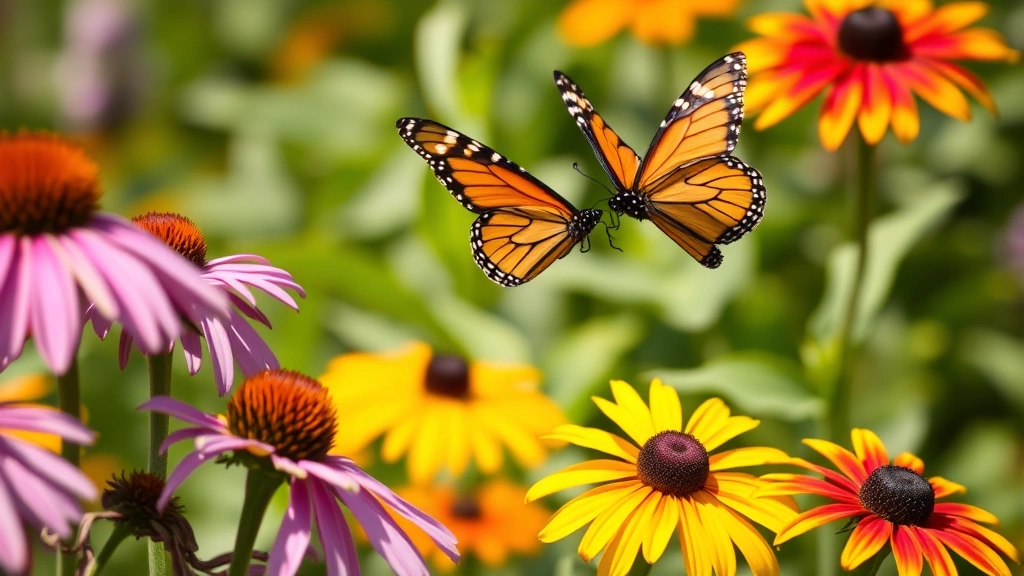
Summer transforms the garden into a lush sanctuary of color and texture. The warm-season grasses reach their full height, creating movement and sound as wind passes through their foliage. Tall perennials like Joe-Pye weed and ironweed provide vertical interest, while lower-growing sedums and coreopsis create layers of texture. The summer garden supports abundant pollinators, with bees, butterflies, and other insects drawn to the diverse flowering plants.
Autumn brings perhaps the most dramatic transformation. The native grasses turn golden, copper, and burgundy, creating a warm palette that rivals any painted landscape. Late-blooming asters and goldenrod extend the flowering season, while the structural forms of seed heads become increasingly prominent. This season showcases Oudolf’s mastery of using dried plant material as a design element—what many gardeners consider “dead” becomes sculptural and beautiful in Lurie Garden’s autumn composition.
Winter reveals the garden’s architectural bones. The dried grasses and persistent seed heads create ethereal forms, especially when frosted or snow-covered. Rather than clearing the garden for winter, the designers maintain the plantings to provide visual interest and habitat for overwintering insects and birds. This approach challenges conventional gardening wisdom that emphasizes “cleaning up” in fall, instead celebrating the quiet beauty of a resting garden.
Wildlife and Ecosystem Benefits
Lurie Garden functions as a vital ecological refuge in the heart of Chicago. The native plant selections provide food and shelter for numerous wildlife species, from pollinators to songbirds. The garden’s design as a continuous habitat corridor allows birds migrating along the Chicago Flyway to rest and refuel during their long journeys. Researchers have documented over 130 bird species visiting the garden, making it an unexpected hotspot for urban birding enthusiasts.
The garden’s plant palette specifically supports monarch butterfly populations, which depend on native milkweed species for reproduction. Multiple milkweed varieties thrive throughout Lurie Garden, making it part of a broader network of pollinator-supporting landscapes across Chicago. Visitors often witness the remarkable transformation of monarch caterpillars into butterflies during late summer, a powerful reminder of nature’s cycles and the importance of native plant gardens.
Beyond visible wildlife, Lurie Garden supports complex soil ecosystems. The use of native plants adapted to Midwest conditions means the garden’s soil microorganisms, fungi, and invertebrates function in natural relationships developed over millennia. This underground ecosystem provides crucial services, including nutrient cycling, water filtration, and carbon sequestration. The garden’s rain garden feature demonstrates how urban landscapes can manage stormwater while supporting aquatic and semi-aquatic plant communities.
The garden’s success in supporting biodiversity has made it a model for urban ecological design. Landscape architects, horticulturists, and urban planners visit Lurie Garden to study how sophisticated design and ecological principles can coexist in dense urban environments. The lessons learned here have influenced projects worldwide, from green roofs in Toronto to urban gardens in Copenhagen and London.
Visiting Lurie Garden
Lurie Garden is open to the public year-round, with no admission fee, making it an accessible destination for all Chicagoans and visitors. The garden is located at 201 E Randolph St, directly accessible from Millennium Park. The best times to visit depend on your preferences: spring for fresh blooms, summer for lush abundance, autumn for dramatic color, and winter for architectural interest.
The garden is open dawn to dusk daily, though specific hours may vary seasonally. Visitors should note that the garden is fully exposed to weather elements, so appropriate clothing is essential. The paved pathways are accessible for wheelchairs and strollers, though some areas involve gentle slopes. The garden provides an ideal setting for photography, with professional and amateur photographers regularly capturing its changing seasons.
Guided tours are available through the Chicago Park District and various tourism organizations. These tours provide deeper insights into plant selections, design philosophy, and ecological principles. Self-guided exploration is equally rewarding, allowing visitors to discover the garden at their own pace. Many visitors find that multiple visits throughout the year reveal new details and perspectives.
Nearby amenities include restaurants, museums, and shops within Millennium Park and the surrounding downtown area. The garden’s location makes it easy to combine a visit with other cultural attractions. Public transportation access via the “L” and numerous bus routes makes the garden easily reachable without a personal vehicle.
Educational Programs and Community Impact
Beyond its aesthetic and ecological value, Lurie Garden serves as an outdoor classroom for Chicago residents and students. The Chicago Park District offers educational programs that teach visitors about native plants, sustainable gardening practices, and ecological principles. School groups regularly visit for field trips that connect classroom learning to real-world horticultural and environmental science.
Master gardener programs affiliated with local university extension services utilize Lurie Garden as a teaching resource. Volunteers trained through these programs share knowledge about plant identification, ecological gardening, and sustainable landscape design with the broader community. This educational outreach extends the garden’s impact far beyond its physical boundaries.
The garden has inspired numerous residential gardeners to incorporate native plants into their own landscapes. Visitors often take notes on plant combinations they observe in Lurie Garden, then recreate similar designs in their home gardens. This ripple effect means that Lurie Garden’s influence extends throughout Chicago’s neighborhoods, gradually transforming private landscapes into extensions of the city’s ecological network. For those interested in creating similar effects at home, understanding different gardening approaches and techniques becomes increasingly valuable.
Community organizations have partnered with Lurie Garden to promote environmental stewardship and urban agriculture awareness. The garden hosts seasonal festivals and special events that celebrate Chicago’s horticultural heritage and foster community connections. These gatherings transform the garden into a social gathering place while advancing educational missions.
Lurie Garden also contributes to Chicago’s broader sustainability goals. The garden demonstrates how cities can incorporate green infrastructure to manage stormwater, reduce the urban heat island effect, and improve air quality. These benefits extend beyond the garden itself, creating a healthier environment for all downtown residents and workers. For gardeners interested in creating productive landscapes, exploring ways to grow food and ornamental plants together reflects similar integrated thinking about landscape design.
The garden’s maintenance practices serve as a model for sustainable landscape management. Rather than relying on chemical pesticides and fertilizers, the garden employs integrated pest management and organic practices. The staff’s deep knowledge of native plant ecology allows them to manage the garden with minimal intervention, letting natural processes do much of the work. This approach demonstrates that beautiful, thriving landscapes don’t require intensive chemical inputs.
FAQ
When is the best time to visit Lurie Garden?
Each season offers unique beauty. Spring (April-May) features fresh blooms and emerging growth. Summer (June-August) provides lush abundance and peak pollinator activity. Autumn (September-November) displays dramatic color changes in grasses and late-blooming flowers. Winter (December-March) reveals architectural forms and provides a peaceful atmosphere. Choose based on your personal preferences and what gardening aspects interest you most.
Is Lurie Garden free to visit?
Yes, Lurie Garden is completely free and open to the public year-round. Its location in Millennium Park, a public space, makes it accessible to everyone without admission fees. This commitment to public access reflects the original vision of making quality green space available to all Chicago residents.
What plants can I see in Lurie Garden?
The garden features over 200 plant species, predominantly native to the Midwest. Common plants include black-eyed Susans, purple coneflowers, Joe-Pye weed, native grasses like switchgrass and little bluestem, various asters, sedums, and multiple milkweed species. The specific plants visible depend on the season, with different species blooming and thriving at different times.
Can I take photographs in Lurie Garden?
Yes, photography for personal use is encouraged. The garden’s design makes it exceptionally photogenic throughout the year. Commercial or professional photography may require permits; visitors should check with the Chicago Park District for specific guidelines.
Is Lurie Garden wheelchair accessible?
The garden features paved pathways that accommodate wheelchairs and strollers. However, some areas involve gentle slopes. The garden is largely accessible, though visitors with mobility concerns should be aware of the terrain variations. The Chicago Park District can provide specific accessibility information for detailed planning.
How does Lurie Garden support pollinators?
The extensive native plant palette provides abundant nectar and pollen sources throughout the growing season. Milkweed species support monarch butterflies specifically, while diverse flowering plants attract bees, butterflies, and other pollinators. The garden’s pesticide-free management practices ensure a safe environment for these essential species.
Can I visit Lurie Garden in winter?
Absolutely. Winter visits reveal the structural beauty of dried grasses and seed heads. The garden remains open year-round, and winter visits offer a peaceful, less crowded experience. Dress warmly and be prepared for potentially icy conditions, but the architectural interest of the dormant landscape makes winter visits worthwhile.


