JJ Garden: Is Organic Fertilizer Worth It?
When you’re tending a garden for beginners, one of the first decisions you’ll face is choosing between organic and synthetic fertilizers. The question “Is organic fertilizer worth it?” isn’t just about cost—it’s about understanding the long-term health of your soil, the quality of your produce, and the environmental impact of your gardening choices. At JJ Garden, we believe that informed gardeners make better decisions, and this comprehensive guide will help you determine whether organic fertilizer aligns with your gardening goals.
The fertilizer debate has intensified as more home gardeners recognize the importance of sustainable practices. Organic fertilizers offer benefits that synthetic alternatives cannot replicate, yet they come with trade-offs that every gardener should understand. Whether you’re growing vegetables in raised beds, maintaining ornamentals, or creating a thriving landscape, the type of fertilizer you choose will influence your results for years to come.
Understanding Organic Fertilizers
Organic fertilizers are derived from natural sources—plant matter, animal byproducts, mineral deposits, and microorganisms. Unlike synthetic fertilizers, which contain concentrated, immediately available nutrients, organic options work gradually, breaking down through microbial action and weathering processes. Common organic fertilizers include compost, manure, bone meal, fish emulsion, seaweed extracts, and worm castings.
The nutrient content in organic fertilizers varies considerably. A bag of compost might contain 1-2% nitrogen, while fish emulsion typically offers 5-7%. This variability means you’re often applying larger volumes than with synthetic alternatives, which contain 10-50% concentrated nutrients. When preparing your soil for raised garden beds, understanding these differences becomes crucial for proper nutrient management.
What makes organic fertilizers unique is their biological activity. As microorganisms decompose organic matter, they release nutrients slowly and steadily—a process called mineralization. This gradual nutrient release means less leaching, fewer burn risks to plant foliage, and improved soil structure over time. The organic matter itself becomes part of your soil ecosystem, feeding beneficial bacteria, fungi, and earthworms that create a living, breathing growing medium.
The nutrient-release timeline differs significantly between fertilizer types. Synthetic fertilizers provide immediate nutrient availability, often showing visible plant response within days. Organic fertilizers typically require 2-4 weeks to show noticeable effects, depending on temperature, moisture, and soil biology. For gardeners accustomed to quick results, this patience requirement represents the biggest adjustment when switching to organic methods.
Comparing Costs and Value
On the surface, synthetic fertilizers appear cheaper. A 50-pound bag of balanced synthetic fertilizer might cost $15-25, while equivalent organic products often run $30-50. Per-pound nutrient costs favor synthetics by roughly 30-50%. However, this direct price comparison ignores crucial factors that affect true cost-per-benefit.
When calculating actual expenses, consider application rates. Because organic fertilizers contain lower nutrient concentrations, you typically apply 2-3 times more material by weight. This increases shipping costs, storage requirements, and labor. A 50-pound bag of compost covers less area than 50 pounds of synthetic fertilizer. For large-scale operations, this becomes a significant consideration.
The long-term cost perspective shifts dramatically when you factor in soil improvement. Synthetic fertilizers provide nutrients but don’t enhance soil structure or biology. Year after year of synthetic-only fertilization requires ever-increasing nutrient inputs as soil quality declines. Organic fertilizers build soil capital—each application improves water retention, increases microbial populations, and enhances nutrient cycling. After 3-5 years, organic-managed gardens often require fewer inputs overall.
There’s also the hidden cost of synthetic fertilizer dependency. As soil biology diminishes, you lose the natural nutrient-cycling mechanisms that reduce fertilizer needs. Many experienced gardeners report that their organic gardens eventually require less total fertilizer than they initially used because soil health multiplies the efficiency of every application. This represents genuine savings beyond the initial price premium.
Soil Health and Long-Term Benefits
The most compelling argument for organic fertilizers is their impact on soil health. Soil isn’t just an inert medium for holding plants upright—it’s a complex ecosystem containing more organisms than there are stars in the galaxy. Organic fertilizers support this ecosystem; synthetic fertilizers often stress it.
Synthetic fertilizers create a feast-or-famine cycle. When applied, they flood the soil with immediately available nutrients, causing rapid microbial growth followed by starvation when nutrients deplete. This boom-bust pattern weakens soil structure and reduces beneficial microbial diversity. Organic fertilizers provide steady, modest nutrition that supports consistent microbial populations.
Organic matter content directly affects soil’s water-holding capacity. Soil rich in organic matter retains 20-30% more water than depleted soil, reducing irrigation needs and improving drought tolerance. This matters tremendously in regions experiencing variable rainfall or during dry seasons. Compost and aged manure add the organic matter that synthetic fertilizers cannot provide.
Soil structure—the way soil particles aggregate into larger units—improves dramatically with organic inputs. Better structure means improved drainage in clay soils and enhanced water retention in sandy soils. It also increases root penetration and reduces compaction problems. These benefits compound year after year, making older organic gardens increasingly productive.
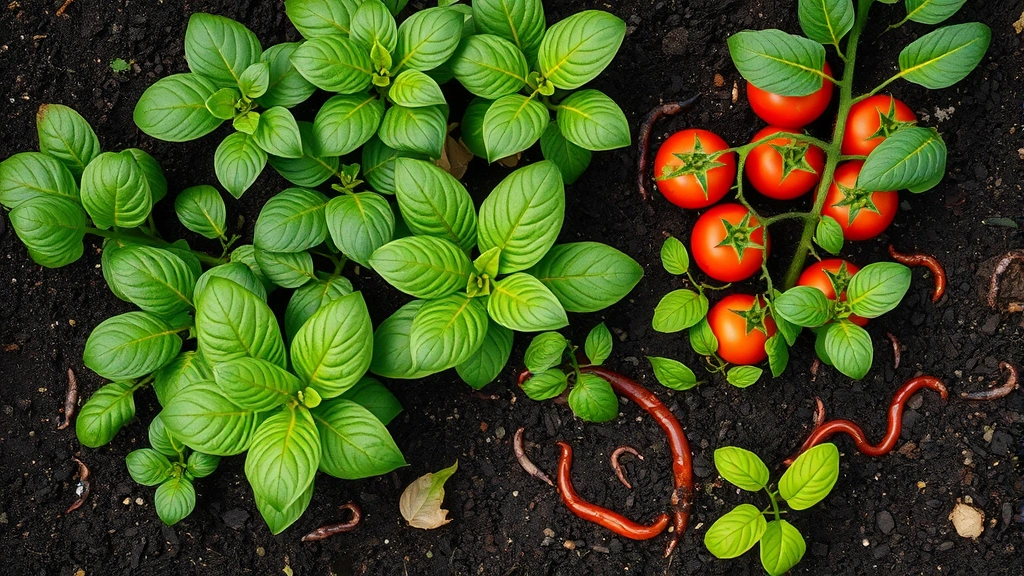
The nutrient-cycling capacity of organic-managed soil increases substantially. Earthworms, mycorrhizal fungi, and beneficial bacteria create nutrient pathways that make existing soil nutrients more available. Many gardeners find that after 3-4 years of organic management, their gardens produce excellent results with half the fertilizer they initially applied. This efficiency gain represents both environmental and economic wins.
Environmental and Safety Considerations
Environmental impact differences between organic and synthetic fertilizers are substantial. Synthetic fertilizers are manufactured through energy-intensive industrial processes, typically relying on fossil fuels. A single pound of synthetic nitrogen requires approximately 1.4 pounds of fossil fuel equivalent to produce. Organic fertilizers, by contrast, typically utilize waste products—manure that would otherwise decompose in landfills, food scraps, plant residues—reducing overall resource consumption.
Nutrient runoff presents another critical distinction. Synthetic fertilizers’ high solubility means excess nutrients wash into waterways more readily, contributing to algal blooms and dead zones in aquatic ecosystems. Organic fertilizers release nutrients slowly, so less excess nutrient escapes into groundwater or surface water. Studies show that organic-managed farms contribute significantly less to nutrient pollution than synthetic-dependent operations.
Heavy metal accumulation is a concern with some fertilizer sources. Certain synthetic fertilizers, particularly phosphate-based products, can contain cadmium and other heavy metals that accumulate in soil over decades. Quality organic fertilizers from reputable sources rarely contain such contaminants. This matters particularly if you’re growing edible gardens where long-term soil safety affects food quality.
Chemical residue concerns affect both fertilizer types. While organic fertilizers don’t introduce synthetic chemicals, some conventional farming practices use pesticides that can persist in manure. Sourcing from operations using appropriate practices—or making your own compost—eliminates this risk. The safety profile of organic fertilizers generally exceeds synthetics when sourced responsibly.
For families with children and pets, organic fertilizers present fewer toxicity risks. Synthetic fertilizers can burn skin and are harmful if ingested; organic options like compost and aged manure are generally safe even with direct contact. This matters when selecting tools and materials for family-friendly gardens where safety is paramount.
Practical Application Methods
Successfully using organic fertilizers requires understanding proper application techniques. Timing matters significantly—applying fertilizer when plants can utilize nutrients maximizes effectiveness and minimizes waste. Spring applications work well for perennials and slow-growing plants; frequent light applications suit fast-growing vegetables.
Incorporation depth affects nutrient availability. Spreading compost on the surface provides slow-release benefits but keeps nutrients in the upper soil layers. Mixing compost 4-6 inches into the soil places nutrients in the root zone where plants access them most effectively. For cottage garden designs with mixed plantings, working compost into the top several inches before planting establishes an excellent nutrient foundation.
Compost application rates typically range from 1-3 inches of finished compost worked into the top 6-8 inches of soil, depending on your soil’s initial condition. Poor, depleted soils benefit from 3-inch applications annually for 2-3 years; established gardens maintain health with 1-inch annual additions. This rate provides 10-30 tons per acre, a manageable amount for home gardeners.
Liquid organic fertilizers—fish emulsion, seaweed extract, compost tea—offer rapid nutrient delivery in soluble form. These work well as supplemental applications when plants show mid-season nutrient deficiency. Applying every 2-3 weeks during the growing season provides consistent nutrition without the waiting period required by granular organic products.
Layering techniques enhance organic fertilizer effectiveness. Creating lasagna gardens—alternating brown and green layers including compost and aged manure—builds extraordinary fertility in new beds. This method, useful when establishing raised garden walls or new planting areas, creates nutrient-rich soil without purchasing expensive amendments.
Mulching with organic materials—wood chips, straw, shredded leaves—extends organic fertilizer benefits. As mulch decomposes, it adds organic matter and releases nutrients gradually. This integration of mulch and fertilizer creates a self-sustaining fertility system that requires decreasing inputs over time.
Common Challenges and Solutions
The slow nutrient-release timeline of organic fertilizers frustrates gardeners accustomed to synthetic products’ rapid effects. If your plants show deficiency symptoms mid-season, solid organic fertilizers may not respond quickly enough. Solution: Keep liquid organic fertilizers on hand for emergency supplementation. Fish emulsion or compost tea applied as foliar spray provides rapid nutrient absorption through leaves, bridging the gap while granular products decompose.
Inconsistent nutrient content in organic products makes precise nutrient management difficult. You can’t guarantee exact NPK ratios like you can with synthetics. Solution: Use multiple complementary organic products to achieve balanced nutrition. Combine compost (low but balanced nutrients) with bone meal (phosphorus), blood meal (nitrogen), and wood ash (potassium) to hit specific nutrient targets.
Pest and disease concerns arise with some organic fertilizers, particularly uncomposted manure. Fresh manure can harbor pathogens and weed seeds; it requires proper aging before use. Solution: Always use well-aged manure (12+ months) or quality finished compost from reliable sources. Make your own compost using proper hot-composting techniques that kill pathogens and weed seeds through temperature.
Storage limitations challenge gardeners with limited space. Bulk organic materials—compost, manure, mulch—require significantly more storage than equivalent nutrients in synthetic form. Solution: Establish composting systems on-site to generate fertilizer continuously. Even small-space gardeners can maintain worm bins or bokashi systems producing excellent fertilizer from kitchen scraps.
Cost perception remains the biggest barrier for budget-conscious gardeners. Solution: Start with a hybrid approach, using organic amendments for soil building while using targeted synthetic fertilizers for high-demand crops. Gradually transition to fully organic as soil quality improves and your comfort with organic methods increases. Many gardeners find this gradual shift more economical than switching entirely at once.
Nutrient timing mismatches occur when organic fertilizers release nutrients on their schedule, not your plants’ schedule. Solution: Learn your plants’ growth patterns and apply organic fertilizers 3-4 weeks before peak nutrient demand. For vegetables, this means spring applications before rapid growth, and mid-summer applications for fall crops.
FAQ
Is organic fertilizer worth the extra cost?
The answer depends on your perspective. If measuring purely per-pound nutrient cost, synthetic fertilizers win. However, considering soil health improvements, long-term fertility building, and environmental impact, most gardeners find organic fertilizers deliver superior value over 3-5 years. Your soil becomes increasingly productive with each organic application, eventually requiring fewer inputs than synthetic-dependent systems.
Can I mix organic and synthetic fertilizers?
Yes, absolutely. Many experienced gardeners use hybrid approaches, applying organic amendments for soil building while using synthetic fertilizers for specific nutrient needs. This balanced strategy captures organic’s long-term benefits while leveraging synthetic’s rapid response capabilities. It’s a practical middle ground as you transition toward fully organic gardening.
How long before I see results from organic fertilizers?
Expect 2-4 weeks for visible plant response from granular organic fertilizers, depending on soil temperature and moisture. Liquid organic products work faster—typically 1-2 weeks. Soil health improvements take years to become dramatic, but you’ll notice better plant vigor, improved drought tolerance, and increasing earthworm activity within the first season.
What’s the best organic fertilizer for vegetables?
Compost serves as the foundation for vegetable gardening. Supplement with nitrogen-rich products like blood meal or fish emulsion for leafy crops, phosphorus-rich bone meal for fruiting plants, and potassium-rich wood ash or kelp for overall vigor. A balanced approach using multiple products addresses the varied nutrient needs of different vegetables.
Can I make my own organic fertilizer?
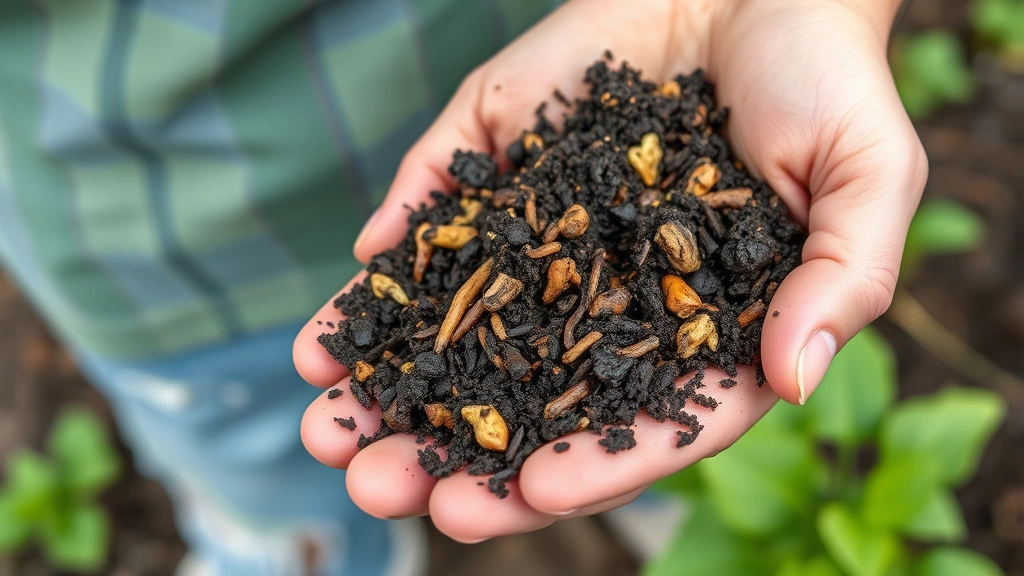
Absolutely. Composting kitchen scraps and yard waste creates excellent, free fertilizer. Worm composting (vermicomposting) produces nutrient-rich castings. Compost tea—steeping finished compost in water—creates liquid fertilizer. Bokashi fermentation handles meat and dairy scraps that regular composting cannot. Home-produced fertilizers give you complete control over quality and eliminate the cost premium of purchased products.