Visit Japanese Friendship Garden of Phoenix: Complete Ticket Tips & Information Guide
The Japanese Friendship Garden of Phoenix stands as one of Arizona’s most serene and culturally significant botanical destinations, offering visitors an authentic escape into traditional Japanese landscape design and horticultural artistry. Located in downtown Phoenix’s Heritage and Science Park, this 3.5-acre garden represents a living symbol of friendship between Phoenix and Himeji, Japan, established through a sister-city relationship that has flourished for decades. Whether you’re a seasoned gardener seeking design inspiration or a casual visitor looking for peaceful surroundings, understanding ticket options and planning your visit ensures you’ll maximize your experience in this tranquil setting.
Before you arrive at the garden gates, knowing the practical details about admission, seasonal hours, and what to expect helps you prepare appropriately for Arizona’s climate and the garden’s unique layout. This comprehensive guide walks you through everything from purchasing tickets to discovering the botanical treasures that await you, ensuring your visit becomes a memorable horticultural adventure.
Ticket Options and Pricing
The Japanese Friendship Garden offers several ticket purchasing options designed to accommodate different visitor preferences and budgets. Standard adult admission typically ranges from $10 to $15 per person, though prices may vary seasonally and for special exhibitions. Many visitors find that purchasing tickets online through the official garden website provides both convenience and sometimes modest discounts compared to gate purchases.
Annual memberships represent an excellent value for local residents or frequent visitors, often paying for themselves after just three to four visits. Membership benefits typically include unlimited garden access, discounts on special events, exclusive previews of seasonal exhibitions, and invitations to members-only programs. Family membership packages are particularly popular among Phoenix-area residents who want to support the garden’s ongoing conservation and educational missions while enjoying regular visits throughout the year.
Group rates become available for parties of 15 or more visitors, making the garden an ideal destination for school field trips, corporate outings, or community organizations. Advance reservations for group visits allow the garden to provide docent-led tours and customize educational programming for different age groups and interests. Students typically receive discounted admission with valid identification, and children under five generally enter free, though supervision requirements apply.
Special promotions occasionally coincide with cultural festivals, seasonal transitions, or community appreciation days. Subscribing to the garden’s newsletter or following their social media accounts ensures you’ll receive timely notifications about these opportunities to visit at reduced rates or enjoy extended hours during special evening events.
Hours and Seasonal Considerations
The Japanese Friendship Garden typically operates year-round, though hours fluctuate significantly with Phoenix’s extreme seasonal temperature variations. During winter months (October through April), the garden opens early morning and remains accessible into late afternoon, taking advantage of the pleasant Arizona climate. Summer hours (May through September) shift to accommodate the intense desert heat, usually opening earlier and closing by mid-afternoon to ensure visitor comfort and protect the garden’s plant collections from excessive sun exposure.
Arizona’s unique seasonal patterns directly influence what you’ll experience during your visit. Spring (February through April) showcases fresh growth, cherry blossom displays, and vibrant perennial blooms, making it perhaps the most visually spectacular season for garden photography and botanical appreciation. Fall (September through November) brings cooler temperatures that make extended garden exploration comfortable, though the desert landscape shows less dramatic color transition than temperate regions.
Summer visits require particular preparation regarding hydration, sun protection, and timing. Arriving early in the morning before 10 a.m. allows you to explore the garden’s most delicate plantings while temperatures remain manageable. The garden’s traditional structures provide essential shade throughout the property, and the thoughtful landscape design incorporates numerous resting areas where you can pause and appreciate the horticultural details.
Winter represents the absolute peak season for Phoenix gardens generally. The mild temperatures, lower humidity, and reduced glare create ideal conditions for photographing garden decoration elements and studying plant specimens closely. If your schedule permits, visiting between December and February maximizes comfort and allows unhurried exploration of the garden’s intricate design features.
Garden Layout and Design Features
Understanding the Japanese Friendship Garden’s organizational structure helps you prioritize which areas to explore based on your interests and available time. The garden flows through distinct zones, each representing different aspects of traditional Japanese landscape philosophy and horticultural practice. The entry courtyard welcomes visitors with carefully curated plantings that establish the aesthetic tone for the entire experience, immediately immersing you in Japanese design principles emphasizing balance, simplicity, and natural beauty.
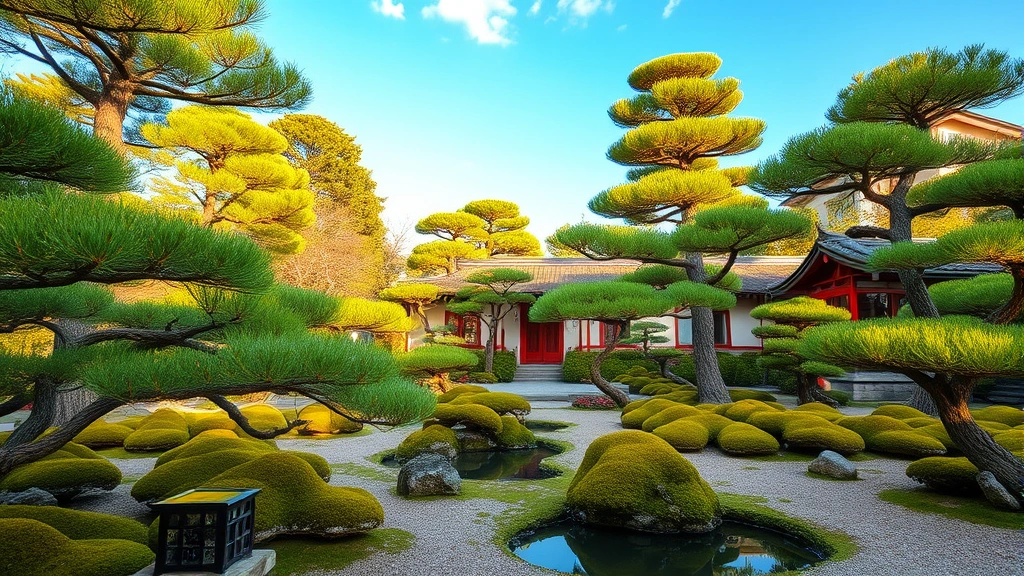
The central garden features authentic Japanese landscaping elements including stone lanterns, water features, carefully pruned specimen trees, and strategically placed rocks that guide movement and create visual focal points. These design elements aren’t merely decorative; they embody centuries of Japanese gardening philosophy where every stone, plant, and water feature serves specific aesthetic and symbolic purposes. The garden’s horticulturists maintain these plantings to precise standards, ensuring that seasonal changes unfold according to traditional expectations.
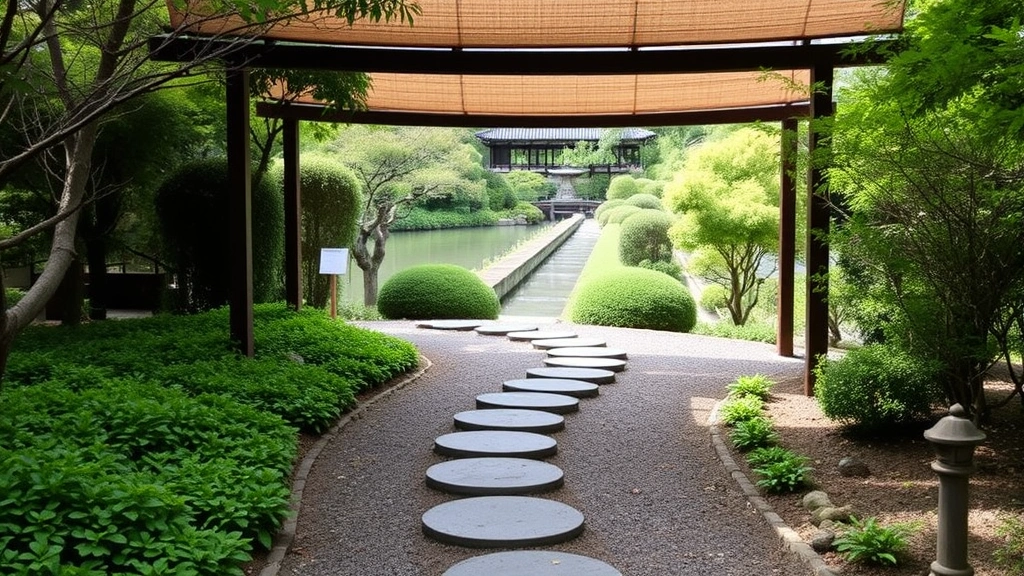
Shade structures throughout the garden provide both practical relief from Arizona’s intense sun and opportunities to observe how Japanese design integrates architecture with landscape. Tea houses and covered walkways create natural gathering spaces where you can sit quietly and absorb the garden’s peaceful atmosphere. Consider bringing a journal to sketch design ideas or note specific plants and placement strategies you might adapt for garden benches or seating areas in your own landscape.
The garden’s water features deserve particular attention from gardeners interested in sustainable landscape design. Traditional Japanese water management techniques demonstrate efficient irrigation methods suited to arid climates, making them relevant models for Arizona gardeners facing water conservation challenges. Observing how the garden maintains lush plantings while respecting desert environmental constraints offers practical lessons applicable to residential landscapes throughout the Southwest.
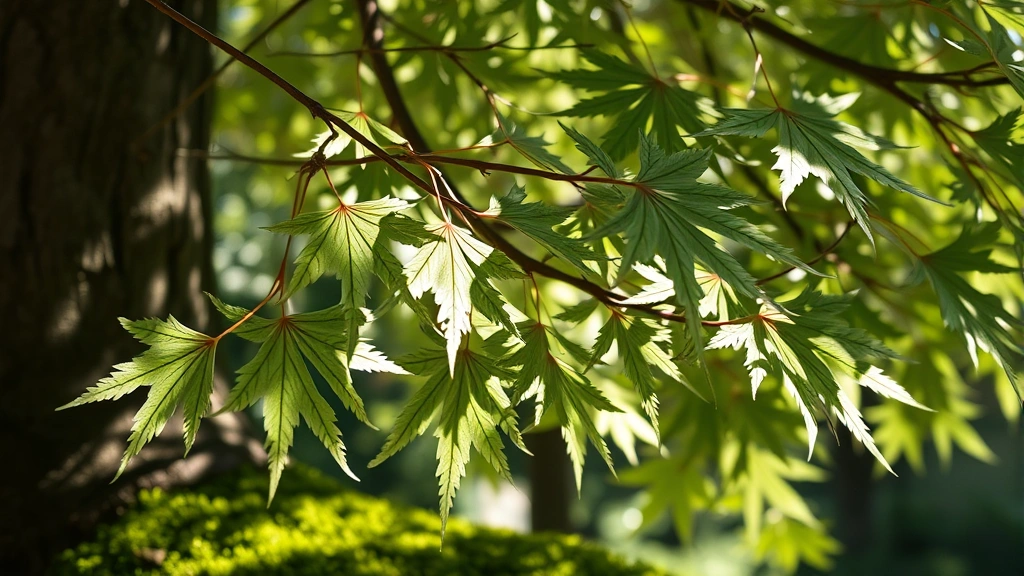
Specimen plantings throughout the garden showcase both traditional Japanese species and plants adapted to Arizona’s climate. Japanese maples, flowering cherry trees, bamboo varieties, azaleas, and moss collections represent classic choices, while the garden also features native Arizona plants integrated thoughtfully into the overall design. This horticultural blend demonstrates how cultural aesthetics can harmonize with regional environmental realities, providing valuable inspiration for gardeners seeking to honor aesthetic preferences while respecting local growing conditions.
Planning Your Visit
Successful garden visits require thoughtful preparation, particularly given Phoenix’s climate extremes. Wear comfortable walking shoes with good arch support, as the garden’s pathways encourage leisurely exploration and extended periods standing while observing plantings. Lightweight, breathable clothing in neutral colors minimizes sun exposure while avoiding interference with garden photography. Wide-brimmed hats and sunglasses protect your eyes and face, reducing glare that might otherwise limit your ability to study plant details and appreciate the garden’s design subtleties.
Bring adequate water, particularly during warm months, even though the garden’s peaceful setting might make you underestimate your hydration needs. A small notebook or smartphone notes app allows you to record plant names, design techniques, and ideas inspired by your observations. Many gardeners photograph specific plantings or design arrangements for later reference when planning home landscape improvements. The garden welcomes personal photography for non-commercial purposes, though tripods and professional equipment typically require advance permission.
Plan to spend at least two to three hours exploring the garden thoroughly. Rushing through the space diminishes the contemplative experience that defines Japanese garden philosophy. The garden’s design intentionally encourages slow, mindful movement, with each pathway revealing new perspectives and hidden details that reward patient observation. Allow extra time if you’re visiting during peak season or special events when crowds might slow your progress through certain areas.
Guided tours, when available, provide invaluable context about the garden’s history, the cultural significance of specific design elements, and the horticultural techniques that maintain the plantings. Docents offer expert knowledge about plant species, seasonal cycles, and the ongoing relationship between Phoenix and Himeji that inspired the garden’s creation. Even if formal tours aren’t scheduled during your visit, staff members stationed throughout the garden can answer questions and provide recommendations based on your interests.
Combining your Japanese Friendship Garden visit with exploration of nearby Heritage and Science Park attractions creates a full-day outing. The surrounding cultural institutions and public spaces offer complementary experiences that deepen your appreciation for Phoenix’s commitment to preserving diverse botanical and cultural resources. Consider visiting during weekday mornings when crowds are typically lighter, allowing for more intimate engagement with the garden’s plantings and design features.
Photography and Special Events
The Japanese Friendship Garden provides exceptional photographic opportunities throughout the year, with each season offering distinct visual characteristics. Spring cherry blossoms create dramatic focal points for landscape photography, while fall light angles create particularly flattering conditions for capturing the garden’s architectural elements and specimen plantings. The garden’s traditional structures, stone lanterns, and water features serve as compelling subjects that benefit from studied composition and attention to how light interacts with these elements throughout different times of day.
Special events calendar the garden throughout the year, including seasonal festivals, tea ceremonies, cultural demonstrations, and horticultural workshops. These programs often require separate admission or reservation beyond standard garden tickets. Festival events typically feature traditional Japanese music, cultural performances, food vendors, and interactive demonstrations that provide context for understanding Japanese aesthetics and horticultural practices. Spring cherry blossom festivals and autumn moon-viewing celebrations draw substantial crowds, so arriving early ensures comfortable access to popular viewing areas.
Educational workshops cover topics ranging from Japanese garden design principles to specific plant care techniques relevant to Arizona growing conditions. Local horticultural extension services sometimes partner with the garden to offer these programs, connecting traditional Japanese gardening wisdom with research-based cultivation practices. Attending workshops provides opportunities to network with other gardening enthusiasts while gaining practical knowledge applicable to your own landscape projects.
Photography permits for professional or commercial use require advance arrangements with garden administration. Videography, drone photography, and commercial shoots must be scheduled separately with appropriate fees and insurance documentation. Even casual photographers should respect the peaceful atmosphere and other visitors’ experiences by avoiding disruptive equipment or excessive time spent photographing individual plantings.
Nearby Attractions and Amenities
The Japanese Friendship Garden’s location within Heritage and Science Park positions it conveniently near complementary cultural and recreational attractions. The Phoenix Art Museum, Science Center, and Arizona Science Center all sit within walking distance, making combination visits practical for full-day outings. These institutions often feature exhibitions related to Japanese art, culture, or botanical themes that enrich your understanding of the philosophical and aesthetic traditions reflected in the garden’s design.
Public parking facilities near the garden provide convenient vehicle access, though arriving during peak hours might require patience finding optimal spaces. Public transportation options including light rail service offer alternatives to driving, particularly attractive during summer months when minimizing time walking in heat becomes desirable. The surrounding downtown area includes restaurants, cafes, and retail shops offering refreshments and shopping opportunities before or after your garden visit.
Nearby nurseries and garden centers allow you to source plants or materials inspired by your garden observations. Many local retailers stock specialty plants featured in the Japanese Friendship Garden, though availability varies seasonally. Staff at these establishments can often provide cultivation advice specific to Arizona conditions, helping you successfully incorporate plants or design elements from your visit into your home landscape. Consider visiting a local garden shop before your Japanese garden visit to familiarize yourself with available plant varieties and design materials.
The park’s overall layout includes public seating areas, shade structures, and pathways that encourage leisurely exploration beyond the Japanese garden proper. Walking trails connecting different attractions provide additional opportunities to appreciate Phoenix’s botanical diversity and urban landscape design. These surrounding areas complement the Japanese garden experience by contextualizing it within broader horticultural and cultural frameworks.
Consider incorporating visits to the Desert Botanical Garden into your Phoenix gardening tourism itinerary. This comprehensive collection of desert plants provides context for understanding how the Japanese Friendship Garden’s traditional plantings coexist with native Arizona flora. The contrast between these two institutions illustrates different approaches to botanical curation and landscape design, each offering distinct but complementary lessons for gardeners working in desert climates.
FAQ
What is the best time to visit the Japanese Friendship Garden?
Winter months (December through February) offer the most comfortable weather and optimal growing conditions for plants. Spring (February through April) provides exceptional cherry blossom displays and fresh growth, while fall (September through November) offers pleasant temperatures and fewer crowds than peak season. Summer visits require early morning arrival before intense heat develops.
Are there discounts available for Phoenix residents?
The garden frequently offers resident appreciation days and discounted admission during specific periods. Contact the garden directly or check their website for current promotions. Annual memberships provide the best value for regular visitors and support the garden’s ongoing operations and educational programs.
Can I bring food or have picnics in the garden?
Outside food policies vary; check with the garden regarding current guidelines. Many visitors appreciate bringing water and light snacks for their visit. Some areas may have designated picnic spaces, though the garden’s contemplative atmosphere encourages mindful eating without extensive food consumption during your exploration.
Is the garden wheelchair accessible?
The garden features some accessible pathways and facilities, though terrain varies throughout the property. Contact the garden in advance to discuss specific accessibility needs and obtain recommendations for routes accommodating mobility limitations. Staff can provide information about wheelchair access to key viewing areas and rest facilities.
What should I wear when visiting?
Comfortable walking shoes, lightweight breathable clothing, wide-brimmed hats, and sunglasses provide essential protection in Phoenix’s climate. Layers work well for early morning or evening visits when temperatures cool considerably. Avoid bright colors or patterns that might distract from garden observations or create visual discord with the landscape’s careful aesthetic composition.
Can I bring my dog to the Japanese Friendship Garden?
Pet policies typically restrict animals to service dogs only, as the garden prioritizes maintaining the peaceful atmosphere and protecting plantings from disturbance. Service animals must be clearly identified and controlled at all times. Check current policies before planning to bring any animal companion.
How long should I plan for my visit?
Two to three hours allows thorough exploration at a leisurely pace that honors the garden’s contemplative design philosophy. Rushed visits diminish the experience; allow flexibility in your schedule to pause and absorb the atmosphere. Special events or guided tours might extend your visit to four or more hours.
Are there educational programs for gardeners?
The garden offers workshops, demonstrations, and guided tours covering Japanese garden design principles and plant cultivation techniques. These programs often appeal specifically to gardeners seeking to understand traditional aesthetics and apply them to their own landscapes. Check the garden’s event calendar for current offerings and registration information.


