Table of Contents
Introduction
Picture this: you walk into a garden that takes your breath away. Vibrant flowers everywhere, vegetables so healthy they practically glow, and that satisfying feeling that everything just… works. What’s the secret? It’s not some fancy fertilizer or expensive gadget. It’s something much simpler—and much more fundamental.
Great soil.
If you’ve ever wondered why your tomatoes look sad or your flowers refuse to bloom, I’ll bet the answer is hiding right beneath your feet. Your soil might need some TLC. Think of soil preparation like laying the foundation for a house—you can have the most beautiful blueprints in the world, but if the foundation is shaky, nothing else matters.
Here’s what good garden soil actually does: it acts like a personal chef, nutritionist, and water delivery service all rolled into one for your plants. It holds onto the nutrients they need, keeps them hydrated (but not drowning), and gives their roots room to breathe. Before you start throwing seeds around, though, you need to know what you’re working with. Testing your soil’s pH and nutrient levels isn’t just garden geek stuff—it’s like getting a roadmap for success. And if you’re just getting started with all this? Check out these gardening tips for beginners that’ll walk you through the basics without overwhelming you.
Now, let’s talk about the different personalities soil can have. Sandy soil drains fast but can’t hold onto nutrients (think of it as the friend who can’t keep a secret). Clay soil is the opposite—it holds everything so tightly your plants might drown. Then there’s loamy soil, which is basically the goldilocks of garden soil—just right. If you’re dealing with problem soil, raised beds might be your best friend. Seriously, they’re like starting over with a clean slate. The advantages of raised bed gardening go way beyond just better drainage—though that alone might save your sanity.
Want to know the easiest way to make your soil happy? Feed it. Compost and well-aged manure are like superfood smoothies for your garden. They don’t just add nutrients—they actually improve how your soil works, making it easier for roots to grow and beneficial microbes to thrive. It’s amazing how adding organic matter can transform even the most stubborn soil into something your plants will love. And while we’re talking about working with nature instead of against it, learning how to build a rain garden can teach you some pretty clever ways to manage water naturally—skills that’ll make you a better gardener overall.
What You’ll Learn in This Guide
Alright, let’s get practical. This guide is going to take you from “my soil looks like concrete” to “wow, this actually feels like real garden soil.” Here’s exactly what we’ll cover:
- Assessing Your Garden Soil: Learn to evaluate soil condition with techniques like soil testing for pH and nutrients. Understand different soil types and identify common soil problems such as compaction or poor drainage.
- Gathering Tools and Materials: Discover essential tools and soil amendments needed for effective preparation. From basic gardening tools to organic matter like compost and fertilizers, get ready with everything you need.
- Steps to Improve Soil Health: Follow detailed steps to enrich and balance your soil, including adding organic matter, cultivating the soil, and adjusting pH to suit your plants’ needs.
- Preparing Soil for Planting: Understand the final preparation steps like leveling, moistening, and mulching your soil for optimal seed or transplant success.
Once you nail these basics, you’ll have soil that actually works with you instead of against you. Doesn’t matter if you’re working with a tiny balcony or a sprawling backyard—these techniques scale up or down beautifully.
Throughout this guide, I’ll share the kind of practical advice that comes from years of getting dirt under my fingernails. We’ll troubleshoot common problems, talk about what works (and what’s just garden mythology), and I’ll point you toward some incredibly useful resources along the way. For instance, if you want to expand your garden without breaking the bank, learning how to propagate plants is pure gold. And for those working with limited space, growing cucumbers in containers proves you can have a productive garden almost anywhere.
The truth is, proper soil prep really is everything. It’s the difference between fighting your garden every season and having plants that practically grow themselves. When you get this right, gardening stops feeling like work and starts feeling like… well, like the rewarding hobby it’s supposed to be. Ready to transform that patch of dirt into something amazing? Let’s dig in!
Now that we’ve talked about why preparing your garden soil matters, let’s get our hands dirty—literally. Understanding what you’re actually working with makes all the difference between a garden that struggles and one that absolutely thrives. Think of it like cooking: you wouldn’t start making a meal without knowing what ingredients you have, right? Same goes for gardening. You need to know your soil’s personality before you can help it reach its full potential. Whether you’re dealing with stubborn clay that holds onto water like a sponge or sandy soil that drains faster than you can say “thirsty plants,” getting the full picture first will save you time, money, and a whole lot of frustration.
Assessing and Understanding Your Garden Soil
Here’s where the detective work begins. Getting to know your garden soil is like meeting a new friend—you want to understand their quirks, strengths, and what makes them tick. Soil testing is your best starting point, giving you the real scoop on pH levels and what nutrients might be missing. But don’t stop there. Feel your soil between your fingers. Does it clump together like play dough? That’s clay. Does it slip through your hands like sand at the beach? You’ve got sandy soil. Each type has its own personality and needs different care.
Now here’s something every gardener learns the hard way: soil problems have a way of announcing themselves if you know what to look for. Water sitting on top after a good rain? Your soil’s probably compacted. Cracks appearing when it dries out? Classic clay behavior. Plants looking a little sad despite your best efforts? Could be nutrient deficiencies making themselves known. The good news is that once you spot these red flags, you can actually do something about them. And if you’re curious about working with what you’ve got naturally, check out these gardening with native plants approaches that really embrace soil compatibility.
Key Aspects of Soil Assessment
Before you start making changes, here are the main things you’ll want to figure out about your soil:
- Soil Testing Accuracy: Getting your soil tested (whether with a simple kit or through a professional service) gives you the real numbers on pH and nutrients. This isn’t just gardening busywork—it’s your roadmap for what amendments will actually help versus what’s just wishful thinking.
- Identifying Texture: The old squeeze test works wonders here. Grab a handful of moist soil and see how it behaves. Sandy soil feels gritty and won’t hold together. Clay forms a tight ball. Loam (the holy grail of garden soils) holds together but crumbles easily when you poke it.
- Drainage and Compaction Signs: Watch what happens after you water or it rains. If water pools on the surface like it’s afraid to go down, you’ve got drainage issues. Time to think about aeration or adding some organic matter to break things up.
- Nutrient Deficiencies: Your plants are pretty good at telling you what they need. Yellow leaves often mean nitrogen shortage. Purple stems might signal phosphorus problems. Weak, spindly growth could mean several nutrients are missing from the party.
Armed with this knowledge, you’re not just guessing anymore—you’re making informed decisions that actually help your garden succeed. Ready to put that assessment to work?
Effective Techniques to Improve and Prepare Garden Soil
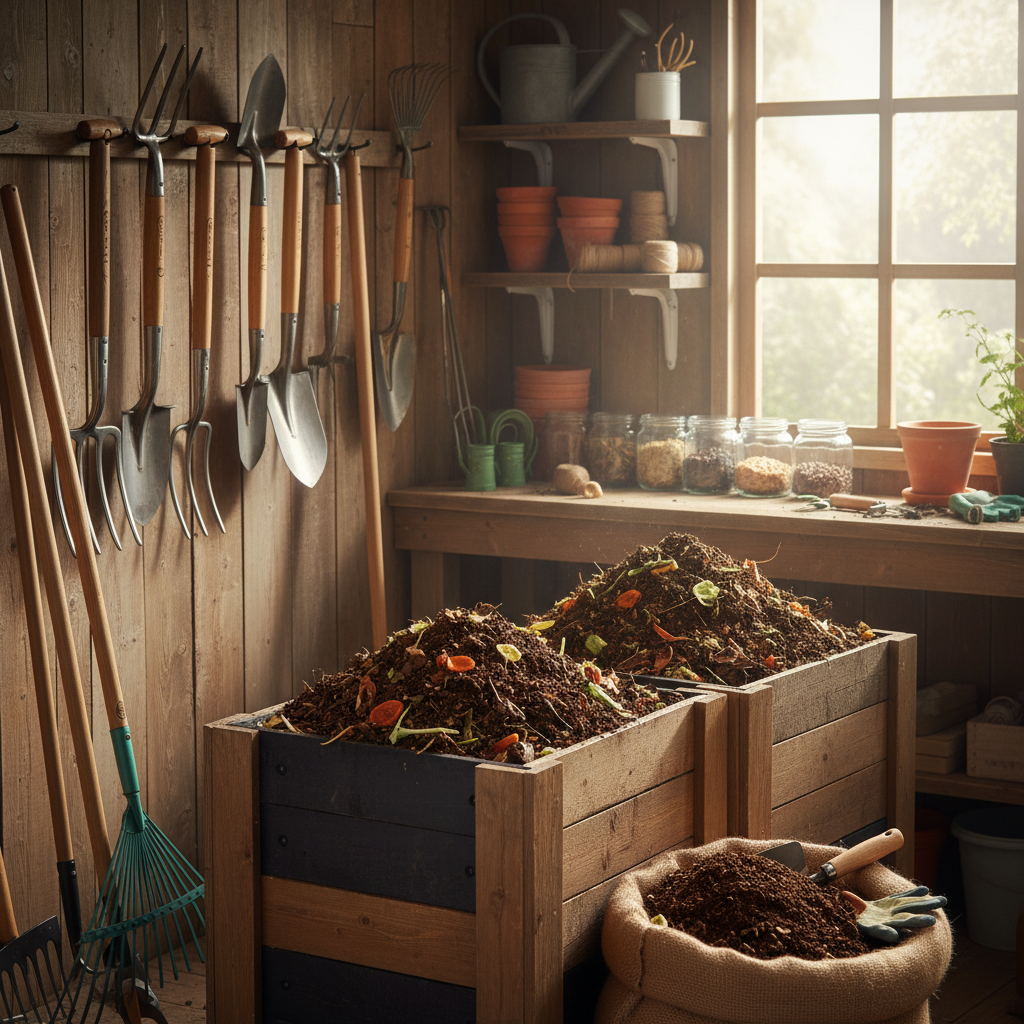
Alright, now for the fun part—actually fixing what needs fixing and making your soil the best version of itself. Think of this as soil therapy. You’re not trying to completely change your soil’s personality (that would be expensive and probably impossible), but you’re helping it work better with what it’s got. Compost is your best friend here. Seriously, it’s like a multivitamin for soil—adding nutrients, improving texture, and feeding all those beneficial microbes that make soil come alive.
Don’t overlook the power of good old-fashioned digging either. I know, I know—it’s work. But loosening compacted soil is like giving your plants room to breathe. And here’s something that trips up a lot of gardeners: pH matters more than you might think. Plants are surprisingly picky about this. Too acidic or too alkaline, and they can’t absorb nutrients properly, no matter how much fertilizer you throw at them. If you’re planning to start plants from scratch, understanding soil prep becomes even more important—check out these plant propagation techniques that work hand-in-hand with proper soil preparation.
Key Soil Improvement Strategies
Here are the methods that actually move the needle when it comes to soil improvement:
- Incorporating Organic Matter: Compost, aged manure, or even leaves you’ve let decompose—this stuff is pure gold for your soil. It feeds the soil organisms, helps sandy soil hold water better, and loosens up clay soil so roots can actually penetrate it.
- Soil Cultivation and Aeration: Breaking up compacted soil isn’t just about making it look neat. You’re creating highways for air and water to reach plant roots. Use a shovel, garden fork, or even a broadfork if you’ve got one. Your plants will thank you.
- pH Balancing: This is where those soil test results really pay off. Need to raise pH? Add some lime. Need to lower it? Sulfur’s your answer. But go slowly—soil pH changes gradually, and you don’t want to overcorrect and create new problems.
- Mulching and Surface Preparation: Once you’ve got your soil improved, mulch is like insurance. It keeps moisture in, weeds out, and soil temperatures stable. Plus, organic mulches break down over time and continue feeding your soil. It’s the gift that keeps on giving.

Here’s the truth about garden soil—it’s everything. Really. Get this part right, and you’re already halfway to that gorgeous garden you’ve been dreaming about. When you take time to understand what you’re working with (sandy, clay, or that perfect loamy stuff we all wish we had), suddenly everything else makes sense. No more guessing games or wondering why your neighbor’s tomatoes look amazing while yours struggle. You’ll know exactly what your soil needs and how to give it to it.
The right tools make all the difference, but don’t overthink it. Good compost and well-aged manure? They’re like superfood for your soil. Mix them in, turn everything over to let your soil breathe, and watch what happens. Your plants’ roots will thank you by spreading out and actually absorbing nutrients instead of just sitting there looking sad. And here’s something many people overlook—getting that pH just right means your plants can actually use all those nutrients you’re giving them. Those final touches (leveling, a bit of moisture, some mulch) aren’t just busywork. They’re setting the stage for success.
Ready to take your gardening to the next level? This is where things get really exciting. Once you’ve nailed the soil basics, there’s so much more you can explore. Want more plants without spending a fortune? Our guide on how to propagate plants will show you exactly how to multiply what you’ve got. Dealing with challenging soil? Check out the advantages of raised bed gardening—it’s a game-changer for drainage and control. And if you want to be kind to both your water bill and the environment, learning how to build a rain garden is brilliant for managing water naturally while supporting local wildlife.
Gardening is one of those wonderful things that keeps giving back the more you put into it. Patience helps, sure, but so does celebrating the small wins along the way. (And if you want to bring some of that garden beauty indoors, our flower arranging tips guide is perfect for beginners.) Remember—whether you’re working with a tiny balcony or acres of space, it all starts with the soil beneath your feet. Take care of that foundation, and your garden will reward you season after season. Trust the process, enjoy the journey, and get ready to be amazed by what grows.
Frequently Asked Questions
-
How often should I test my garden soil?
- Test soil at least once a year, ideally before planting season, to monitor pH and nutrient levels and adjust amendments as needed.
-
Can I prepare garden soil without tools?
- Basic preparation is possible without tools, but using the right gardening tools makes the process easier and more effective for loosening soil and incorporating amendments.
-
What organic matter is best for soil improvement?
- Compost and well-rotted manure are excellent organic matters that enhance soil fertility, structure, and microbial health.
-
How do I know if my soil pH is balanced?
- Soil testing kits or professional tests provide accurate pH readings and tailored recommendations for adjustments.
-
When should I call a gardening expert?
- Seek professional advice when soil or plant health issues persist despite your efforts, or for specialized guidance on complex garden conditions.