Table of Contents
Introduction
There’s something magical about stepping into your garden and picking fresh lettuce for tonight’s salad. The leaves are crisp, the flavor is incredible, and you grew it yourself. If you’ve never experienced this—or if you tried once and things didn’t go quite as planned—you’re in the right place.
Here’s what I love about growing lettuce: it’s actually pretty forgiving. Unlike tomatoes that need perfect conditions or peppers that sulk if you look at them wrong, lettuce just wants good soil, regular water, and a bit of attention. That said, there are definitely some tricks that’ll help you avoid the wilted, bitter disappointments I see in a lot of first-time gardens. You know—proper soil prep, timing your plantings right, and figuring out watering schedules that actually work. If you’re just getting started with gardening in general, checking out these essential gardening tips for beginners will give you a solid foundation. And honestly? Consider raised beds if you can—the improved drainage and easier access make lettuce growing so much simpler, as explained in this guide to raised bed gardening advantages.
Now, let’s talk soil. (Because everything starts with soil, whether we like it or not.) Your lettuce plants are only going to be as good as the ground they’re growing in. Rich, well-draining soil with plenty of organic matter? Your seedlings will practically dance with joy. Heavy clay that turns into cement when it dries? Not so much. The good news is that fixing soil problems isn’t rocket science—it just takes some planning and the right amendments. If you want to dive deeper into garden soil preparation techniques, including soil testing and working in compost, it’s time well spent. While you’re thinking about soil health, consider how native plants can support your entire garden ecosystem—they create a more balanced environment that benefits everything, including your lettuce, as detailed in this gardening with native plants guide.
But here’s something a lot of gardening guides skip over: why you’re doing this in the first place. Sure, fresh lettuce tastes amazing. But when you grow your own, you’re also getting maximum nutrition—vitamins, minerals, antioxidants that start degrading the moment store-bought lettuce gets picked. Growing your own fits perfectly into a healthy nutrition plan focused on whole, nutrient-dense foods. Plus, those antioxidants? They’re doing real work in your body, protecting against disease and supporting overall health—something you can learn more about in this guide to foods rich in antioxidants. So yeah, this isn’t just about having a hobby. It’s about feeding yourself well.
What You’ll Learn in This Guide
We’re going to walk through everything you need to know to grow lettuce successfully. No fluff, no overwhelming theory—just practical steps that actually work.
- Preparing Your Garden: How to pick the right spot, understand what your soil needs, and set up your garden bed so your lettuce has the best possible start.
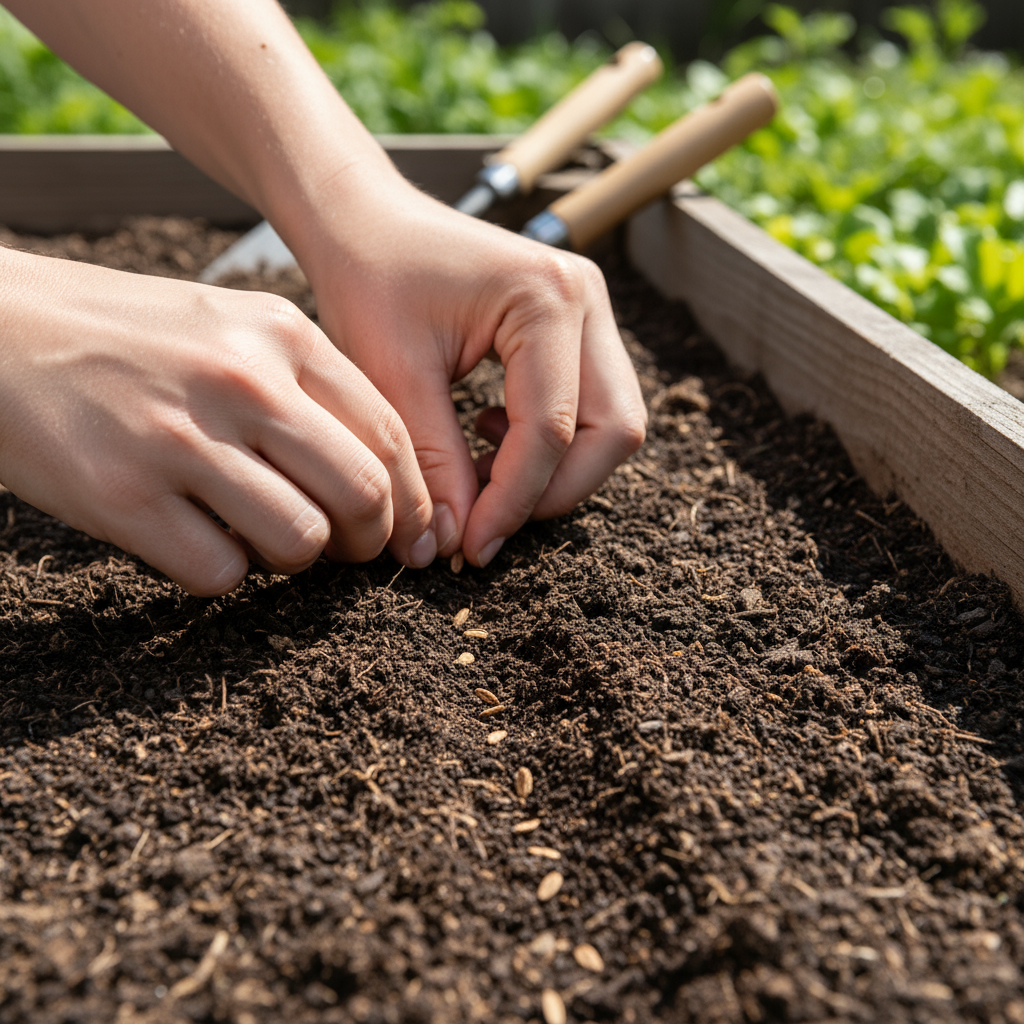
- Planting Techniques: The best ways to sow seeds, transplant seedlings, and time everything so you’re not battling the weather or ending up with bolted plants.
- Caring for Your Lettuce: Real-world advice on watering (without drowning your plants), fertilizing (without overdoing it), and dealing with pests and diseases before they become disasters.
- Harvesting and Troubleshooting: When to harvest for the best flavor, how to keep plants producing, and solutions for common problems that trip up even experienced gardeners.
Look, growing lettuce isn’t complicated once you know what you’re doing. And that’s exactly what we’re going to cover—each step of the process, with practical tips that work in real gardens with real challenges. We’ll also touch on how this fits into broader gardening practices, so you can build a garden that supports multiple plants and actually makes your life better. If you’re interested in expanding beyond lettuce, learning about plant propagation techniques is a great skill that’ll help you grow more of what you love.
By the time you finish this guide, you’ll know how to turn tiny seeds into the kind of lettuce that makes store-bought stuff look sad and wilted. More importantly, you’ll understand the why behind each step, so you can adapt when things don’t go exactly according to plan. (Because they won’t always, and that’s okay.)
Ready to get your hands dirty? Let’s start with the foundation—literally. We’ll begin with soil preparation, because getting this right means everything else becomes so much easier. With proper prep and consistent care, you’ll be amazed at what your garden can produce.
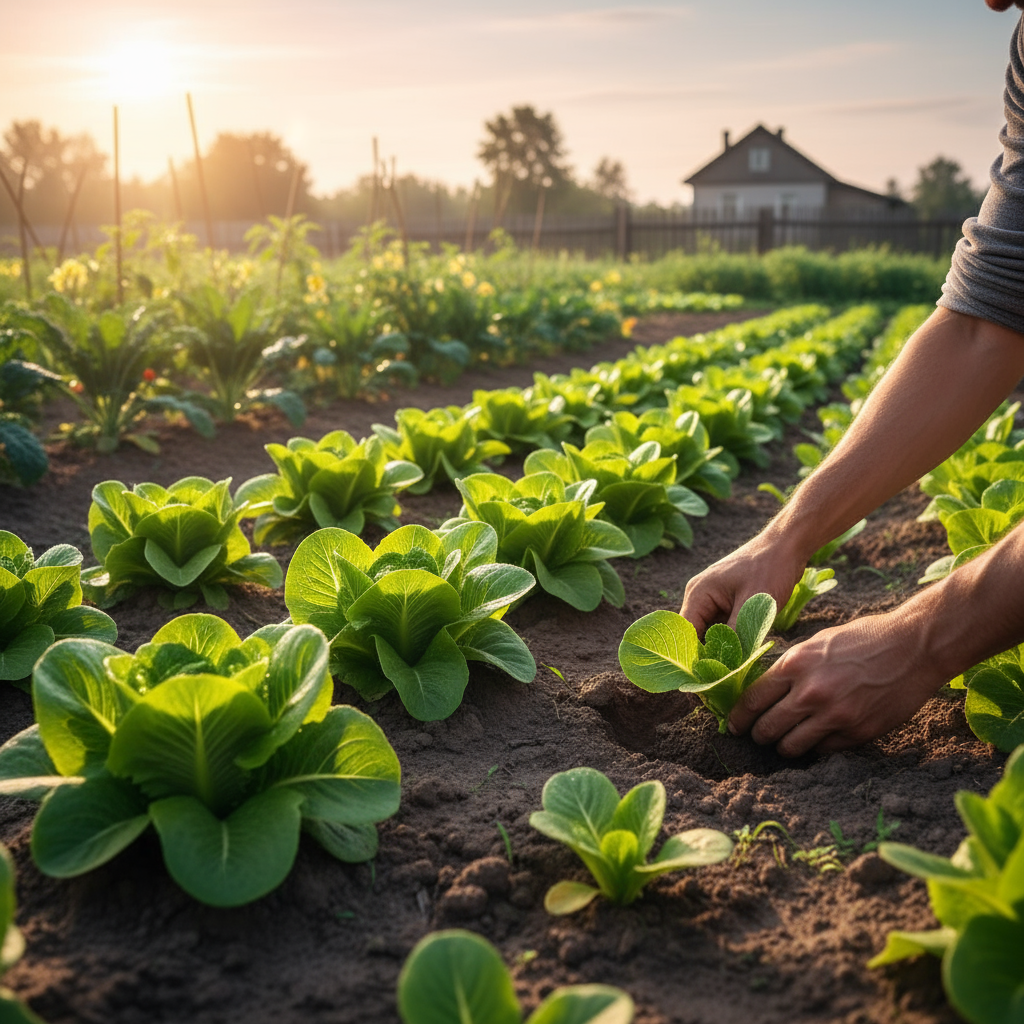
There’s something magical about stepping into your backyard and picking fresh lettuce for tonight’s salad. No plastic bags, no grocery store markups—just crisp, homegrown goodness that actually tastes like something. Whether you’re just getting your hands dirty for the first time or you’ve been gardening for years, growing lettuce is one of those satisfying projects that pays off quickly. And honestly? Once you nail down a few key techniques, you’ll wonder why you ever bothered buying those sad, wilted greens from the store.
Preparing Your Garden for Optimal Lettuce Growth
Here’s the thing about lettuce—it’s surprisingly picky about where it calls home. But get the basics right, and you’ll have happy plants that practically grow themselves. First up: location matters more than you might think. Your lettuce wants a spot with morning sun and some afternoon shade (especially if you live somewhere hot). Think of it like your morning coffee routine—energizing light to start the day, then a cool-down period when things heat up.
Now let’s talk soil. Lettuce roots are pretty shallow, so they need soil that drains well but still holds moisture. Sounds contradictory, right? Picture a good sponge—it soaks up water but doesn’t stay soggy. That’s your goal. The magic happens when you work in plenty of compost or aged manure. Your soil should feel rich and crumbly in your hands, not like concrete or beach sand.
pH levels might sound intimidating, but it’s actually pretty straightforward. Lettuce likes things just slightly on the acidic side—somewhere between 6.0 and 7.0. Most garden centers sell simple soil test kits that’ll tell you where you stand. If your soil’s too acidic, add some lime. Too alkaline? Work in some sulfur. Easy fixes that make a huge difference.
Key Aspects of Soil and Site Preparation
Let me break down the non-negotiables that’ll set you up for lettuce success:
- Soil Texture and Drainage: Aim for that goldilocks zone—not too heavy, not too sandy. Loamy soil with good drainage keeps roots happy and prevents the dreaded root rot that kills more lettuce than anything else.
- Soil pH Management: Keep it between 6.0-7.0 for optimal nutrient uptake. A simple soil test saves you months of wondering why your plants look stressed.
- Compost and Organic Matter: This is where the magic happens. Rich compost feeds beneficial soil microbes, improves water retention, and gives your lettuce the nutrients it craves.
- Site Selection for Sun and Airflow: Morning sun, afternoon shade, and good air circulation. It’s like creating the perfect outdoor office for your plants—productive but comfortable.
Get these fundamentals right, and you’re already ahead of 80% of gardeners who skip the prep work. Your lettuce will thank you with faster growth, better flavor, and fewer headaches down the road.
Effective Care Practices for Healthy, Crisp Lettuce
Once your lettuce is in the ground, consistency becomes your best friend. Think of watering like a steady relationship—better to be reliable than dramatic. Lettuce hates feast-or-famine watering schedules. Too little water and your leaves turn bitter (nobody wants that in their salad). Too much and you’re inviting root problems that’ll kill your plants faster than you can say “wilted greens.”
Here’s a pro tip: water early in the morning. Your plants get the moisture they need, and any water on the leaves has time to dry before evening. Wet leaves at night are like sending an open invitation to every fungal disease in the neighborhood. Trust me on this one—I learned it the hard way.
Now, about those uninvited dinner guests (aka pests). Slugs love lettuce almost as much as you do, and aphids think your plants are their personal all-you-can-eat buffet. Before you reach for the heavy-duty sprays, try some gentler approaches first. Row covers work wonders for keeping pests out, and companion planting with herbs like basil or chives can naturally deter many troublemakers. Sometimes the simplest solutions are the most effective.
Key Aspects of Lettuce Care and Maintenance
Stay on top of these care essentials, and your lettuce will reward you with tender, flavorful leaves all season long:
- Watering Consistency: About an inch per week, delivered steadily rather than in big gulps. Your soil should feel like a wrung-out sponge—moist but not soggy.
- Fertilizer Timing and Types: Feed with nitrogen-rich fertilizer at planting, then again halfway through the growing season. Think of it as giving your plants a nutritious meal to fuel all that leaf production.
- Pest Management: Start with the gentle stuff—companion plants, row covers, and encouraging beneficial insects. Save the stronger measures for when you really need them.
- Disease Prevention: Good airflow, crop rotation, and keeping things clean go a long way. An ounce of prevention really is worth a pound of cure in the garden.
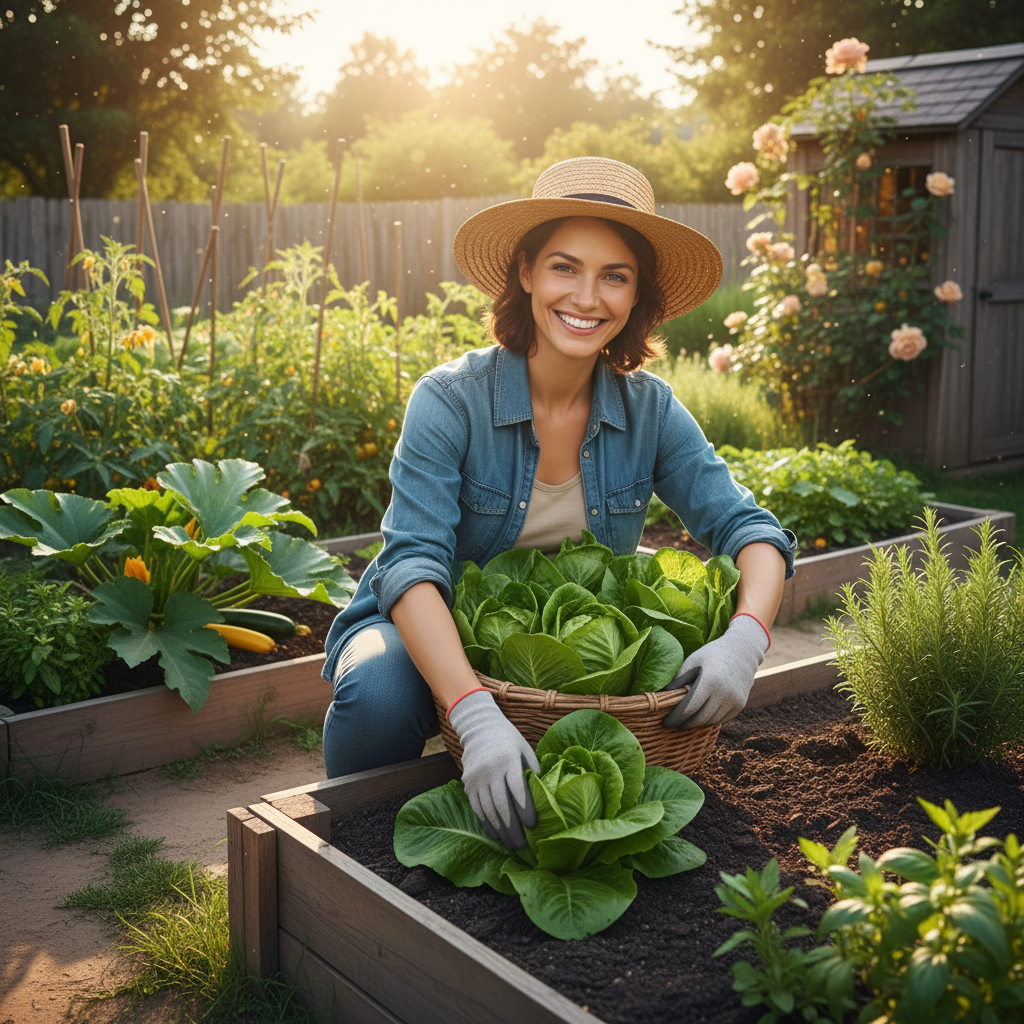
There’s something magical about growing your own lettuce—watching those tiny seeds transform into crisp, vibrant greens that’ll make store-bought salads seem like a distant memory. The secret? It all starts with your soil. Get that foundation right (well-drained, rich in organic matter, pH between 6.0 and 7.0), pick a spot with good sun and airflow, and you’re already ahead of the game. These basics aren’t just garden theory—they’re what separate thriving lettuce from disappointing leaves.
Timing and spacing matter more than you might think. Plant your seeds or transplants with room to breathe, and they’ll reward you with robust growth instead of a crowded mess that attracts every pest in the neighborhood. Keep that soil consistently moist (think of a wrung-out sponge, not a swimming pool), feed them some nitrogen when they need it, and watch them flourish. And here’s a pro tip: companion planting and row covers aren’t just trendy gardening tricks—they’re your natural defense against slugs, aphids, and other uninvited dinner guests. When harvest time comes, you’ll taste the difference that proper care makes.
Ready to take your lettuce game to the next level? Raised beds might be your new best friend—they give you better soil control and make maintenance so much easier. Check out the advantages of raised bed gardening here to see what I mean. And since we’re talking about soil (because it really is that important), dive deeper into preparing garden soil here for tips that’ll transform your dirt into plant paradise. Want to multiply your lettuce crop without buying more seeds? Learning how to propagate plants here will turn you into a lettuce-multiplying wizard.
Here’s the beautiful part: all this fresh lettuce you’re growing fits perfectly into a healthy lifestyle that celebrates real, nutrient-dense food. When you’re harvesting your own greens, you’re not just gardening—you’re investing in your health. For ideas on how to make the most of your fresh harvest, this healthy nutrition plan here offers practical ways to eat well and actually enjoy it.
You’ve got everything you need now to grow lettuce that’ll make your neighbors jealous. Remember, gardening is part science, part art, and a whole lot of learning as you go. Every garden is different, so don’t be afraid to adjust based on what your plants are telling you. (They’re better communicators than you think!) If you’re feeling ambitious about creating a garden ecosystem that practically takes care of itself, native plants are worth exploring too. Most importantly? Enjoy the process. There’s nothing quite like that first salad made entirely from your own backyard.
Frequently Asked Questions
-
What is the best time to plant lettuce?
- Lettuce grows best in cool weather, typically in early spring or fall.
-
How often should I water my lettuce?
- Keep soil consistently moist by watering about 1 inch per week, more in hot weather.
-
Can lettuce be grown indoors?
- Yes, with sufficient light and proper containers, lettuce grows well indoors.
-
How do I prevent pests naturally?
- Use companion plants, physical barriers, and encourage beneficial insects to reduce pests.
-
How long does it take for lettuce to mature?
- Most lettuce varieties mature between 30 to 70 days depending on type and conditions.